Comets

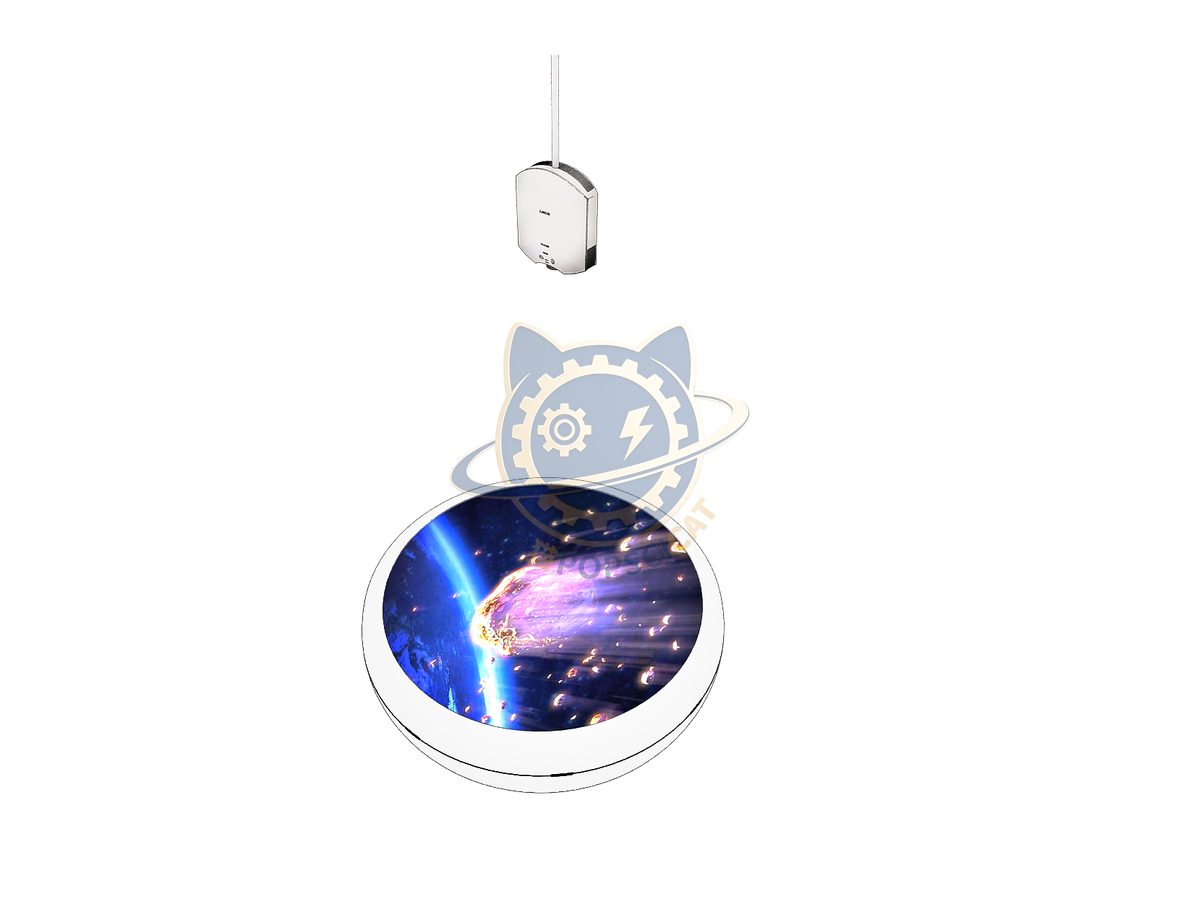
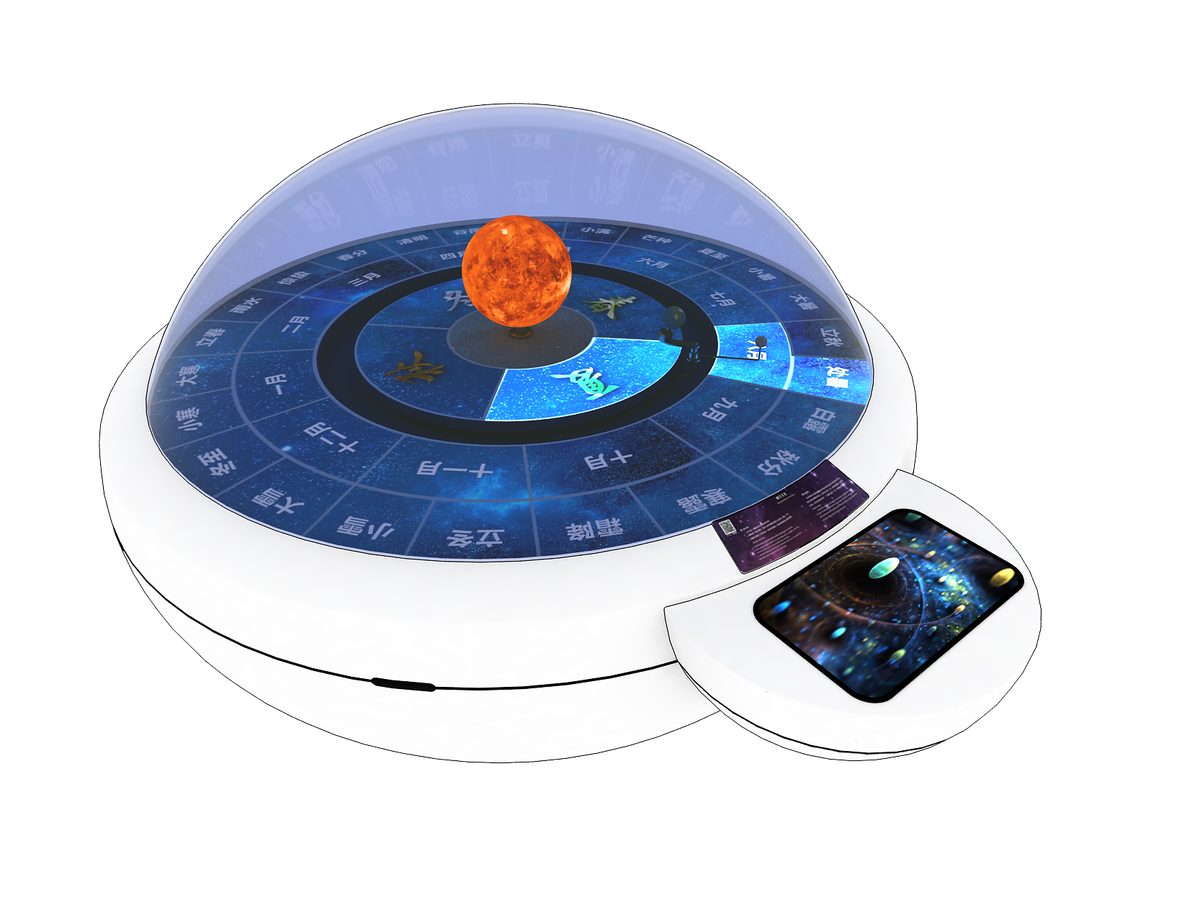
A comet model whose tail always points away from the light source.

Comets — Aerospace & Astronomy exhibit for science museums
Model ZZKJG-6F-01-16Studio rendering
CategoryAerospace & Astronomy
TopicAstronomy
Model codeZZKJG-6F-01-16
Standard size2200 x 2200 x 900 mm
SupplySingle unit or batch · OEM to your drawing
Lead timeStandard 4–8 weeks after deposit (confirmed per contract)
Warranty2 years, structure and control
DocumentsSpecification sheet · control diagram · spare-part list

A standard catalogue model: the drawing, control package and finish are fixed, which is what keeps the price and the lead time predictable. Size, colour and interface language can be adapted without a new design cycle.
Ask about this model → Email us
01 / Overview

Show the origin of comets and the basic knowledge of comet tails.

03 / The science behind it

A comet refers to a celestial body that orbits the sun with varying brightness and shape as it enters the solar system, presenting a unique appearance resembling clouds and mist. Comets are divided into three parts: nucleus, coma, and tail. The comet nucleus is composed of ice material. When a comet approaches a star, the comet material sublimates, forming a hazy coma and a tail composed of a thin stream of material around the ice nucleus.

04 / Public-floor build

Every unit leaves the factory after a running test: mechanisms cycled, electronics burned in, edges dressed, fixings torqued and marked. Wear parts — bearings, sliders, lamps, belts, touch panels — are modular and listed on the spare-part sheet, so a venue technician can replace them without returning the exhibit. Crating is plywood with foam blocking; the loading plan and packing list travel with the shipment.

Same category

More in Aerospace & Astronomy

Other models from the Aerospace & Astronomy line, all held to the same drawing and the same control package.

Start a project

Send us your exhibit list.
We will come back with drawings and a price.

Attach a theme outline, a floor plan, or nothing at all — a photo of the space is enough to start. Quotations are issued against real drawings, not per-square-metre guesses.