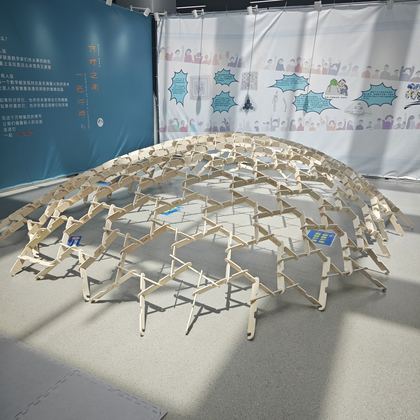
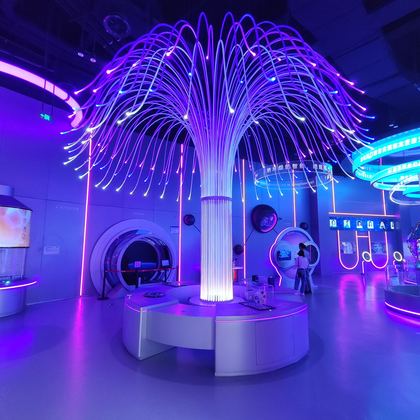
Atrium & Signature
The first thing a visitor sees. Scale, movement and light above head height.
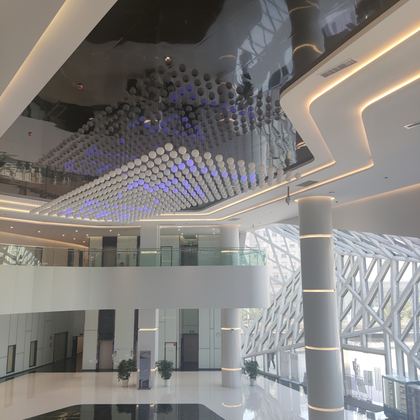
Children's Discovery
Low, soft, open-ended. Built for ages 3–10 and for the hundredth visit.
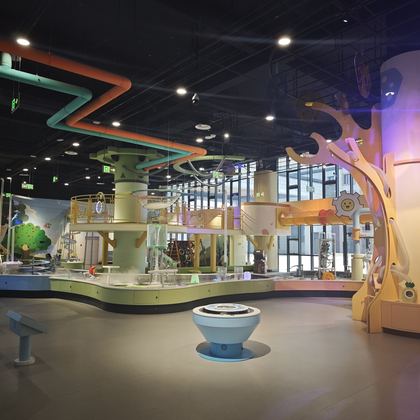
Mathematics & Logic
Pattern, proof and probability, made physical.
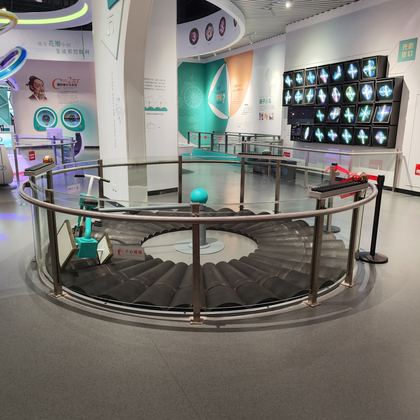
Light, Sight & Illusion
What the eye believes versus what is actually there.
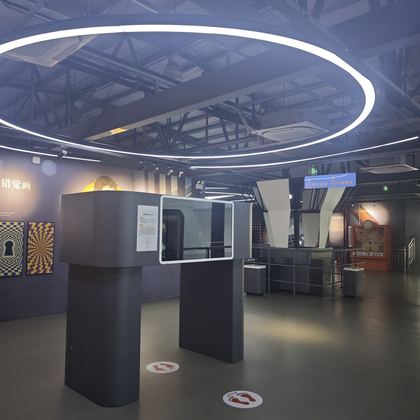
Sound & Waves
Standing waves, resonance and the shape of a sound.
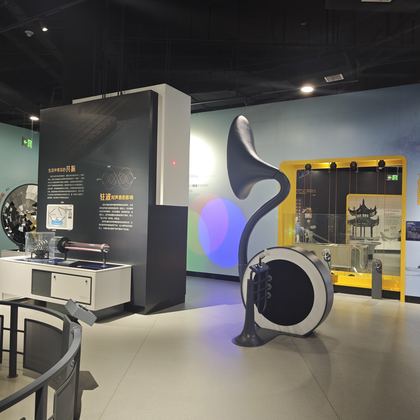
Electricity & Magnetism
Fields you can feel, current you can follow.
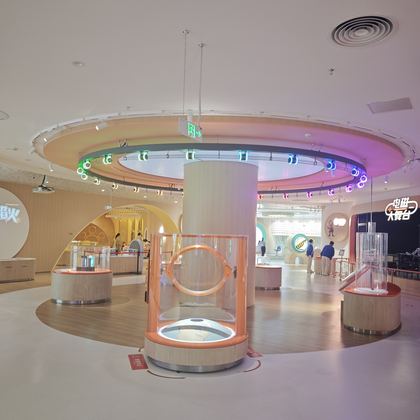
Mechanics & Motion
Levers, gears, pendulums and the weight of a real machine.
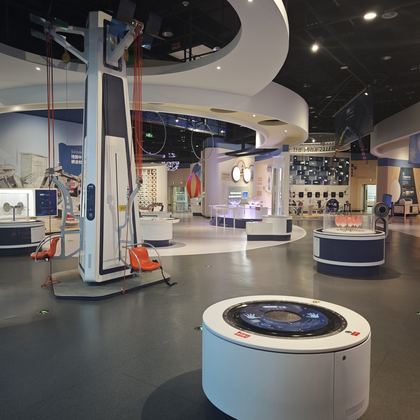
Materials & Structures
Why a bridge holds and a wall does not.
Earth Science
Cores, plates, volcanoes and the ground under the hall.
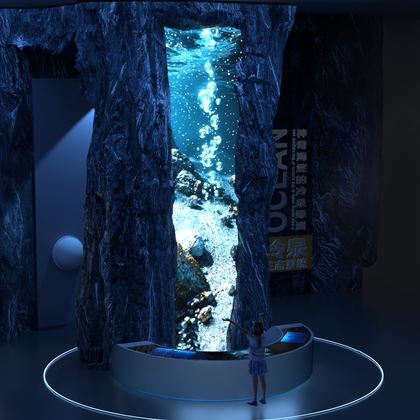
Ocean & Marine
Deep water, currents and the machines that reach the bottom.
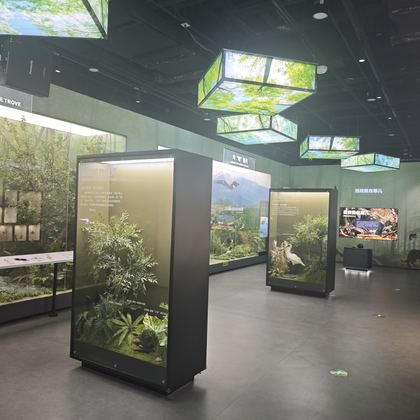
Ecology & Nature
Food webs, habitats and the living systems around us.
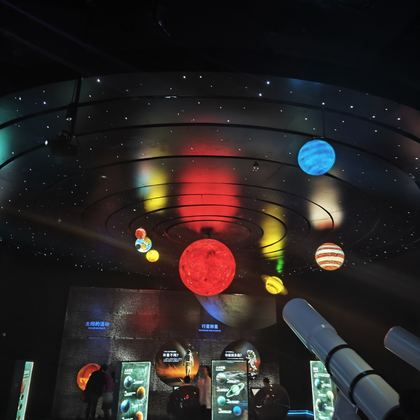
Astronomy & Space
Orbits, spectra and a night sky you can walk into.
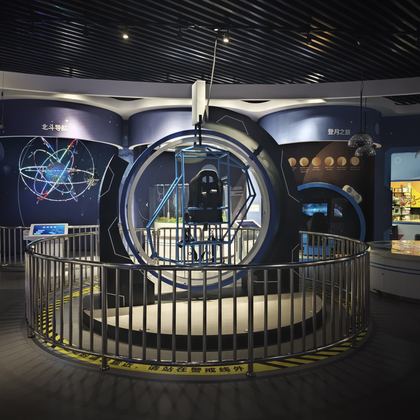
Life Science & Health
The body at work, from a heartbeat to a villus.
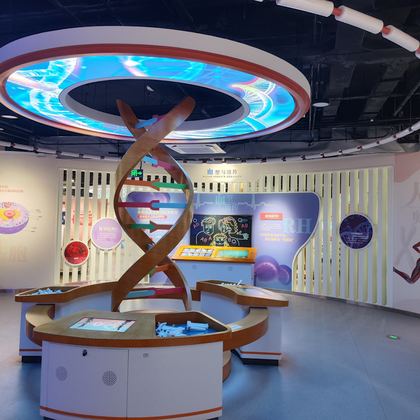
Body, Brain & AI
Where biology meets computation: neurons, signals, decisions.
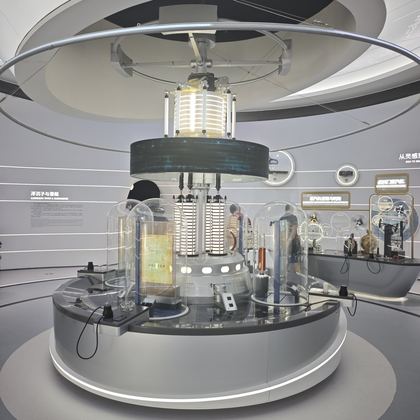
Computing, Telecom & Media
From a fibre to a screen: how a signal travels.
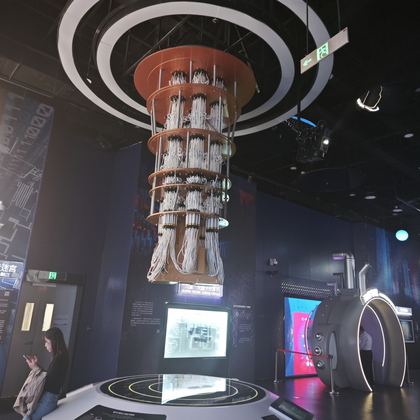
Smart Industry & Energy
Robots, production lines, grids and the systems that run a city.
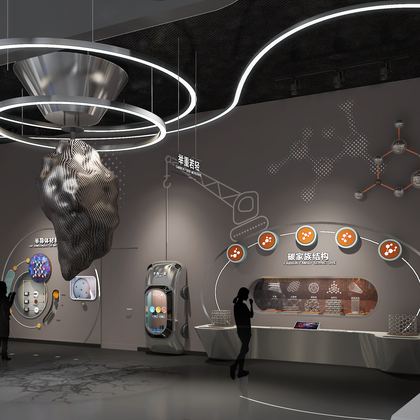
Mobility & Transportation
Rail, road, air and the physics of getting there.
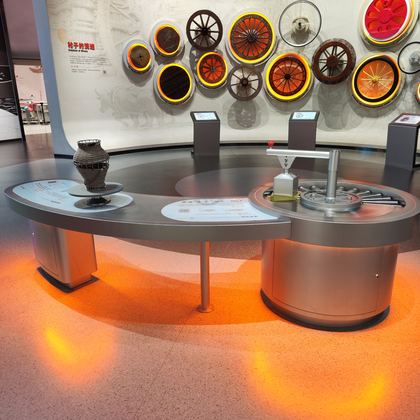
Low-Carbon Living
Energy, water, waste and the choices that add up.
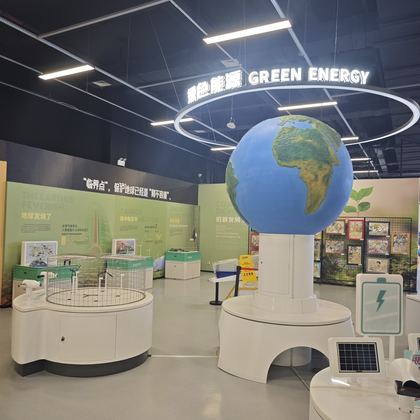
Safety & Emergency
Fire, quake, water and the drill that saves a life.
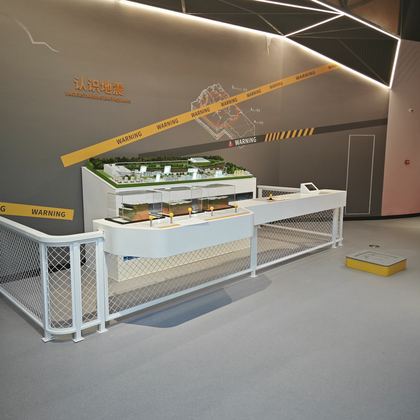
Innovation Lab & Maker
Tools, benches and open problems for people who build.