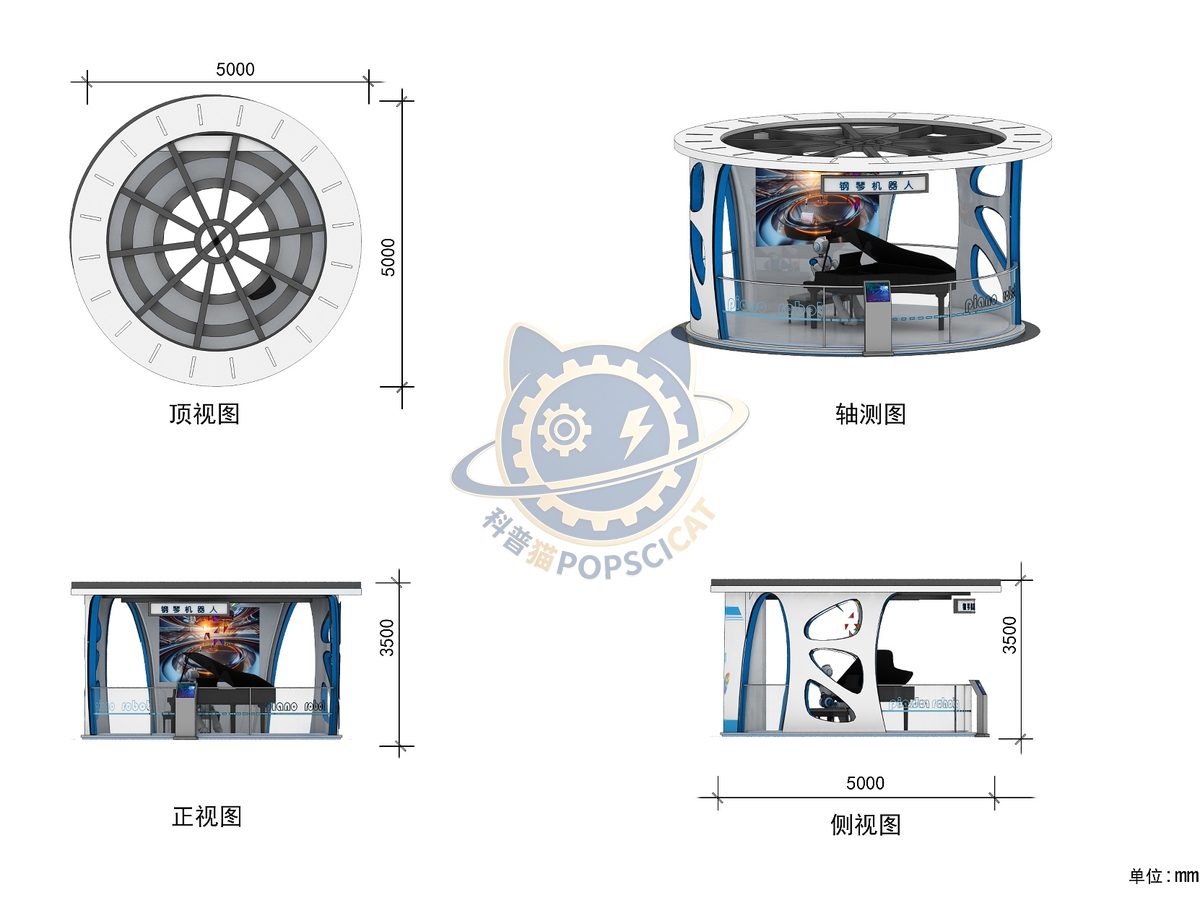
Mechanical fingers play a request chosen by the visitor.
| Category | Digital & AI |
|---|---|
| Model code | ZZKJG-3F-02-05 |
| Standard size | 5000 x 5000 x 3500 mm |
| Supply | Single unit or batch · OEM to your drawing |
| Lead time | Standard 4–8 weeks after deposit (confirmed per contract) |
| Warranty | 2 years, structure and control |
| Documents | Specification sheet · control diagram · spare-part list |
A standard catalogue model: the drawing, control package and finish are fixed, which is what keeps the price and the lead time predictable. Size, colour and interface language can be adapted without a new design cycle.
The exhibits mainly showcase the maturity of modern robot control technology by using humanoid robots to play piano instruments and perform familiar and pleasant music.
The unit is designed for unsupervised public use: controls are recessed or shielded, moving parts are enclosed, and the interface is operable by a child of about six with no instruction. Where a screen is used, the language can be switched without changing the hardware, and the content can be replaced on site.
Piano robots mainly rely on 6-degree-of-freedom robotic arms to perform music pieces. A typical robotic arm consists of seven metal components that are connected by six joints. Computers will rotate stepper motors connected to each joint separately to control robots (some large robotic arms use hydraulic or pneumatic systems). Unlike regular motors, stepper motors move precisely in increments. This allows the computer to accurately move the robotic arm, causing it to repeatedly perform identical actions. Robots use motion sensors to ensure that they move completely in the correct amount.
Every unit leaves the factory after a running test: mechanisms cycled, electronics burned in, edges dressed, fixings torqued and marked. Wear parts — bearings, sliders, lamps, belts, touch panels — are modular and listed on the spare-part sheet, so a venue technician can replace them without returning the exhibit. Crating is plywood with foam blocking; the loading plan and packing list travel with the shipment.
Other models from the Digital & AI line, all held to the same drawing and the same control package.
ZZKJG-3F-02-17Hundreds of orbiting nodes light up to show global coverage.
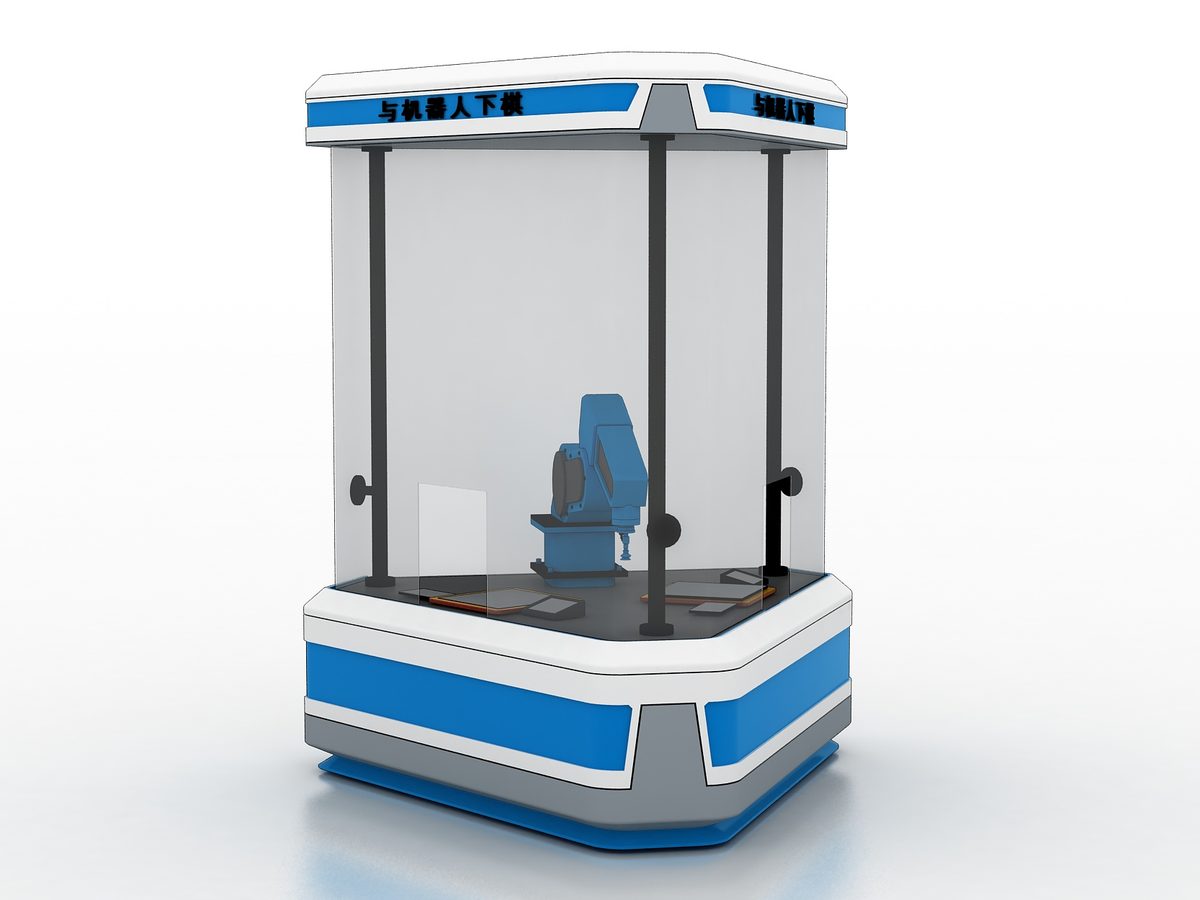
ZZKJG-3F-02-08A six-axis arm that answers every move at club level.
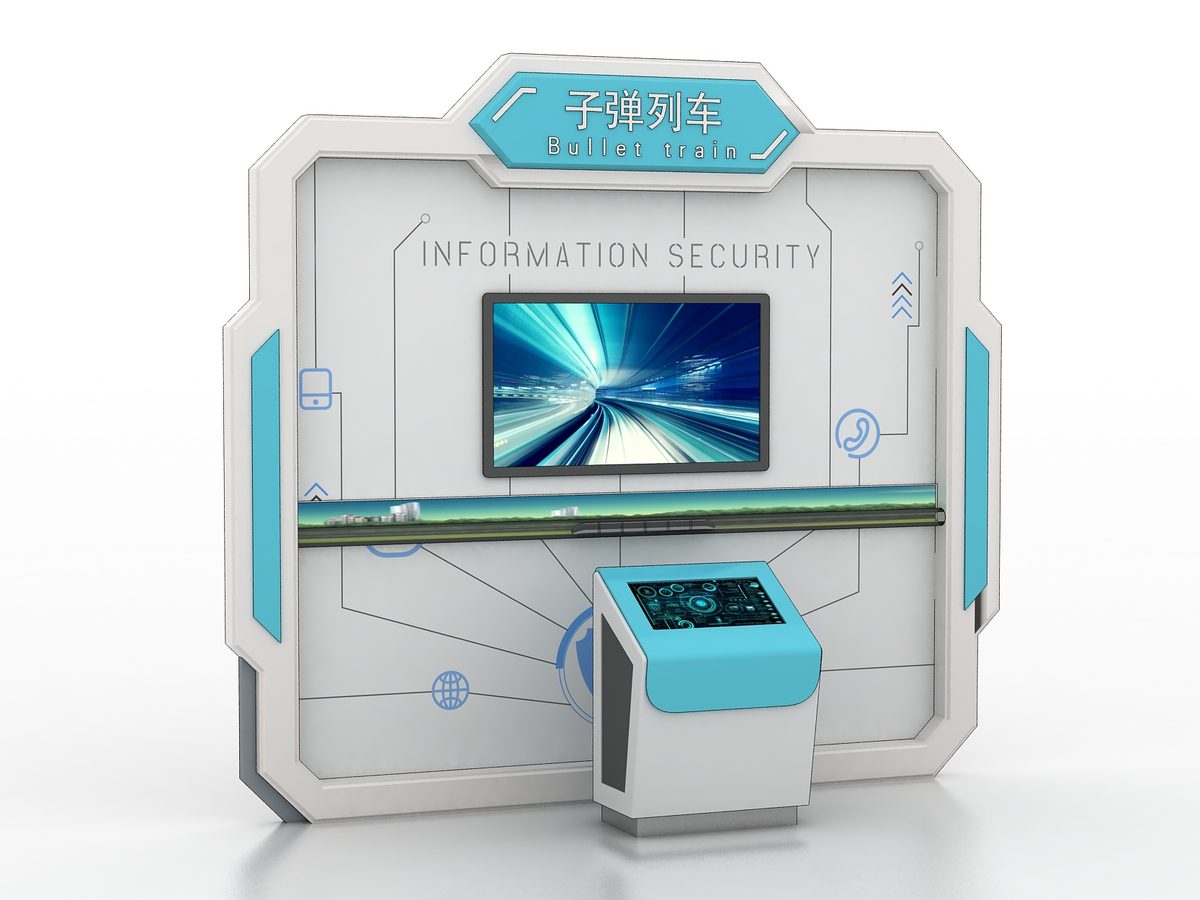
ZZKJG-3F-02-13A maglev carriage accelerating down a two-metre track.
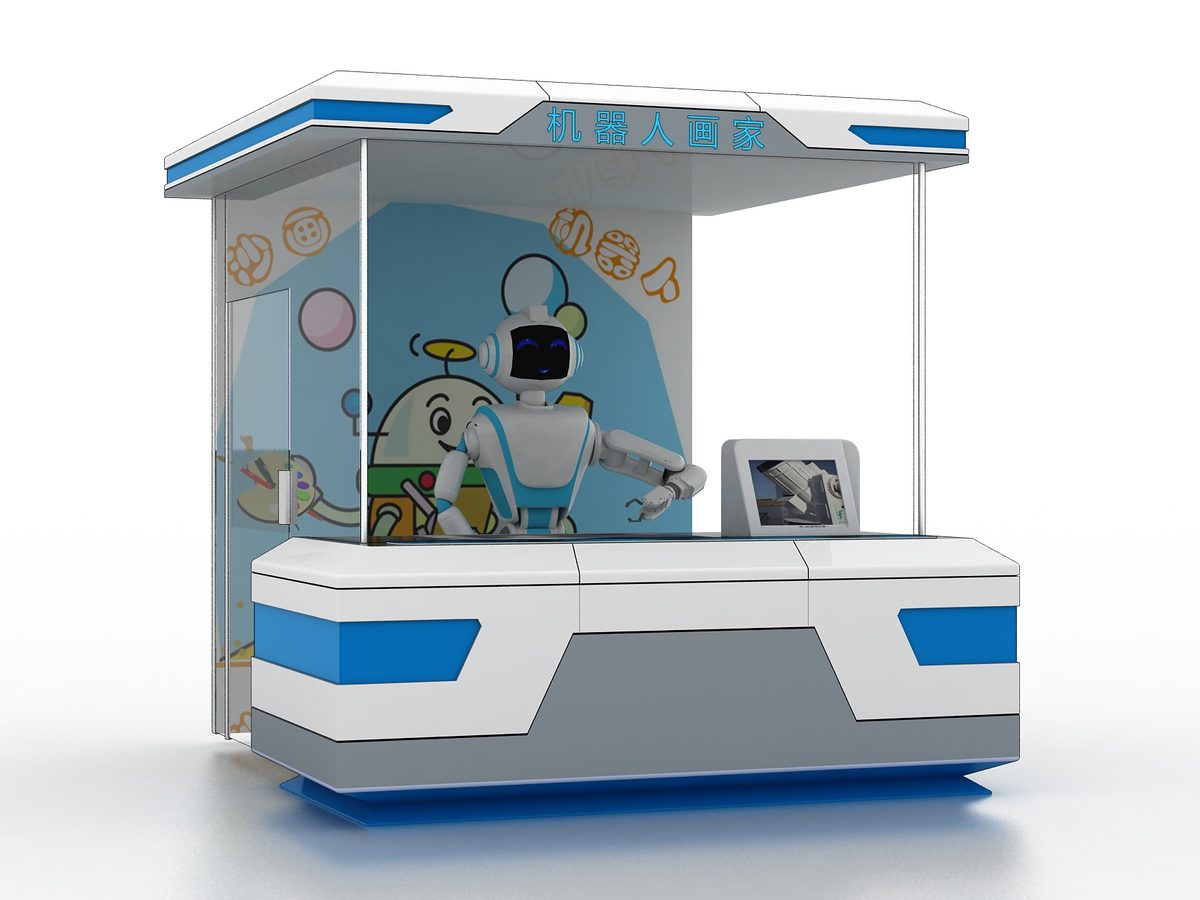
ZZKJG-3F-02-06A portrait drawn by an arm from a live camera image in four minutes.
Attach a theme outline, a floor plan, or nothing at all — a photo of the space is enough to start. Quotations are issued against real drawings, not per-square-metre guesses.