Biomimetic soft robots are an emerging robotics technology that utilizes biomimetic principles and soft structures…
| Category | Earth & Ecology |
|---|---|
| Standard size | Custom size |
| Supply | Single unit or batch · OEM to your drawing |
| Lead time | Standard 4–8 weeks after deposit (confirmed per contract) |
| Warranty | 1 year, structure and control |
| Documents | Specification sheet · control diagram · spare-part list |
A standard catalogue model: the dimensions, control package and finish are fixed, which is what keeps the price and the lead time predictable. Size, colour and interface language can be adapted without a new design cycle.
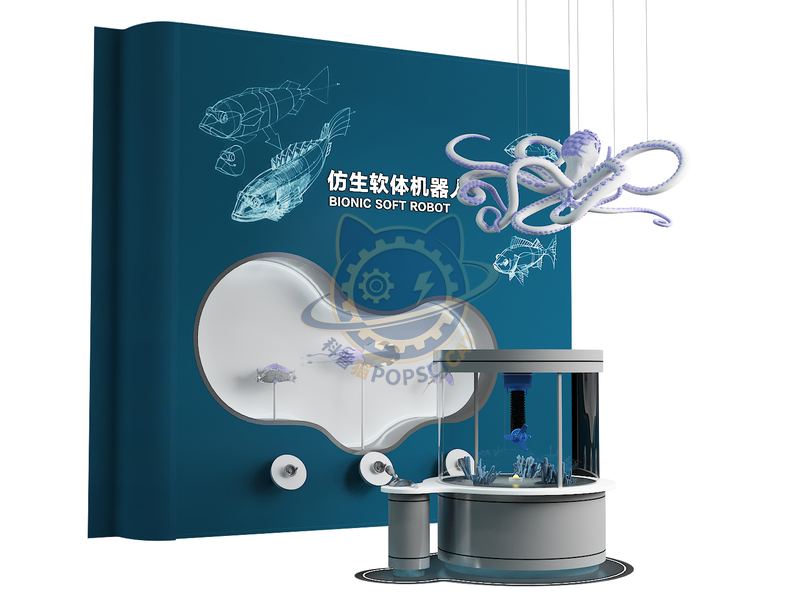
Biomimetic soft robots are an emerging robotics technology that utilizes biomimetic principles and soft structures to achieve motion and operation of robots. In the field of marine applications, its design often draws inspiration from marine organisms, imitating their body structure and movement behavior to enhance underwater adaptability and maneuverability. For example, the flexible tentacles of octopuses have propelled the development of soft robotic arms, enabling them to perform precise operations in complex environments; The undulating swimming patterns of African swordfish, cuttlefish, and rays provide important insights for the propulsion function design of biomimetic soft robots.
The unit is designed for unsupervised public use: controls are recessed or shielded, moving parts are enclosed, and the interface is operable by a child of about six with no instruction. Where a screen is used, the language can be switched without changing the hardware, and the content can be replaced on site.
(1) The torso structure and movement patterns of marine organisms provide inspiration for robot technology. Marine animals offer rich inspiration for robot design through their efficient and adaptable movements. The soft limbs of octopuses have promoted the development of soft robotics technology, enabling them to perform precise operations in complex environments such as underwater exploration and surgical procedures. Similarly, the undulating movements of squid, swordfish, and rays provide inspiration for swimming robots, while the fluid movements of jellyfish provide inspiration for robots collecting marine debris. By mimicking these biological movements, engineers have created more adaptable and efficient robotic systems to tackle real-world challenges. (2) The inspiration for soft robotic arms comes from the flexible and non rigid movements of marine organisms such as octopuses. Unlike traditional robots that rely on hard joints and fixed movements, soft robots use flexible materials to simulate natural flexibility. this.
Every unit leaves the factory after a running test: mechanisms cycled, electronics burned in, edges dressed, fixings torqued and marked. Wear parts — bearings, sliders, lamps, belts, touch panels — are modular and listed on the spare-part sheet, so a venue technician can replace them without returning the exhibit. Crating is plywood with foam blocking; the loading plan and packing list travel with the shipment.
Other models from the Earth & Ecology line, all held to the same specification and the same control package.

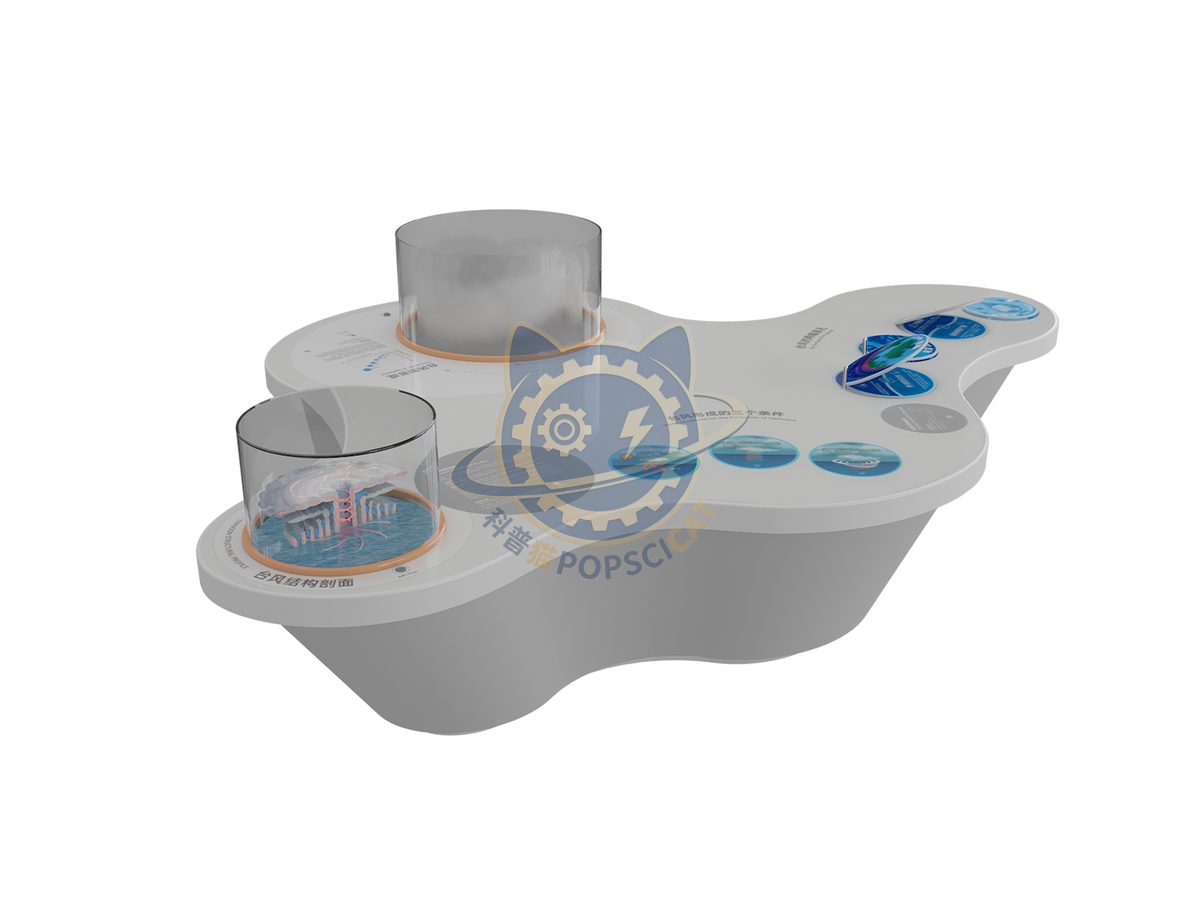
A vertical slice through a storm showing eye, eyewall and spiral bands.

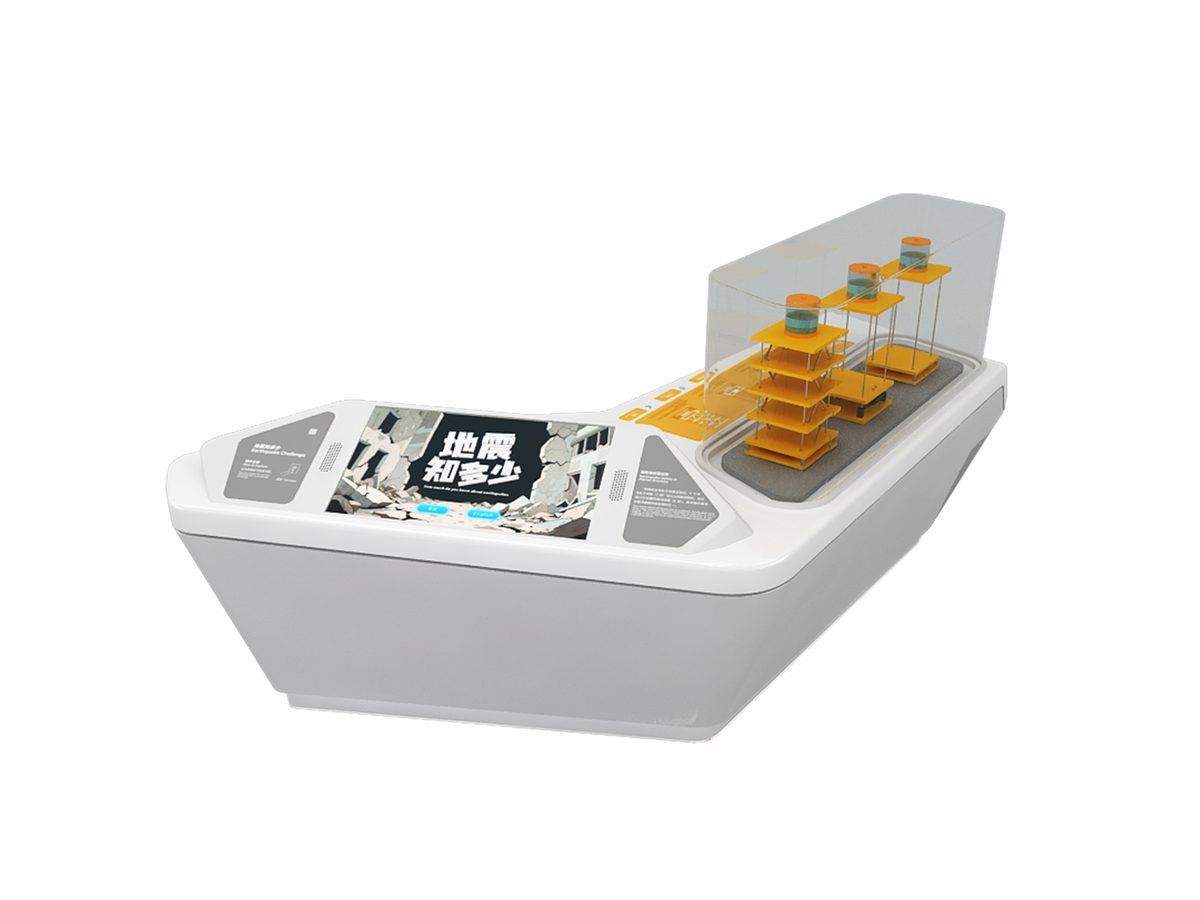
A platform shakes at recorded intensities while a seismograph traces the movement.

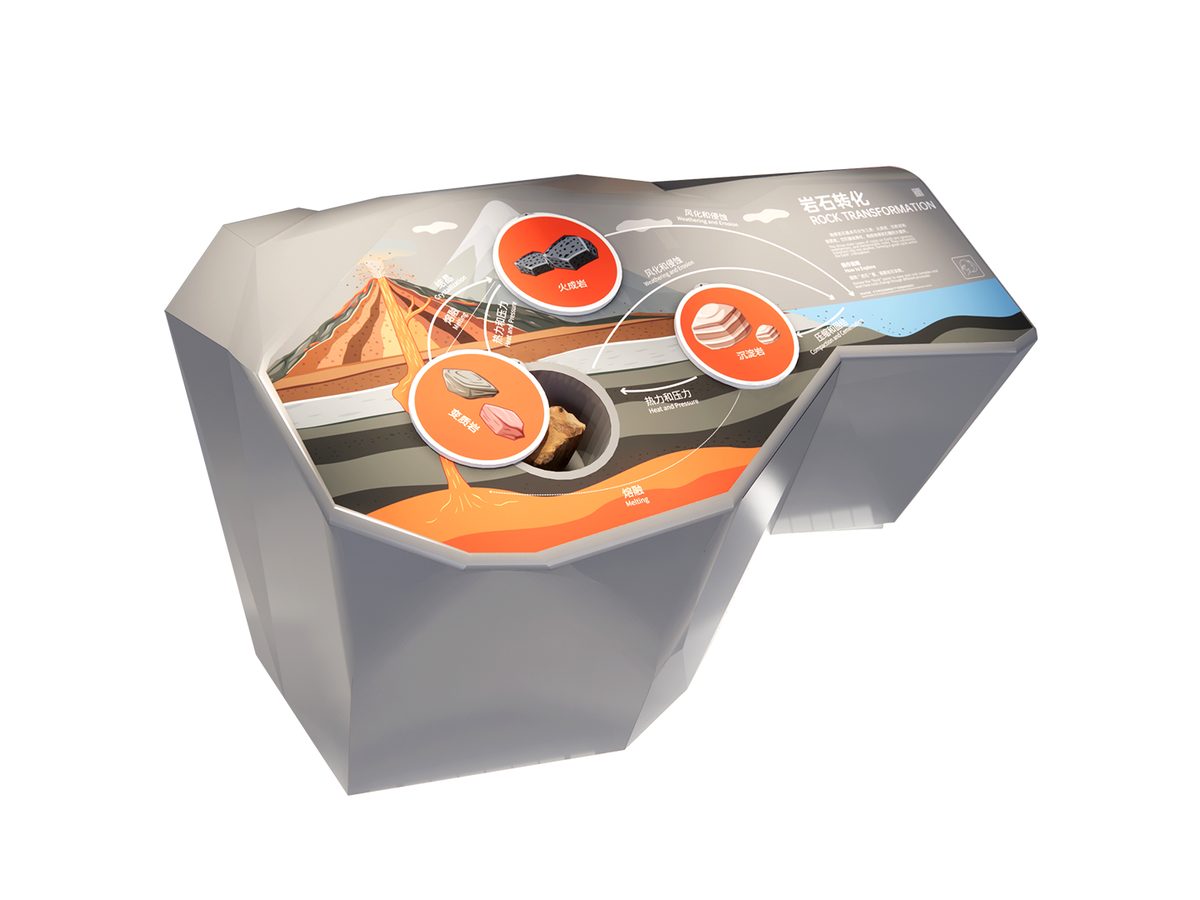
Heat and pressure turn one rock type into another on a turntable.

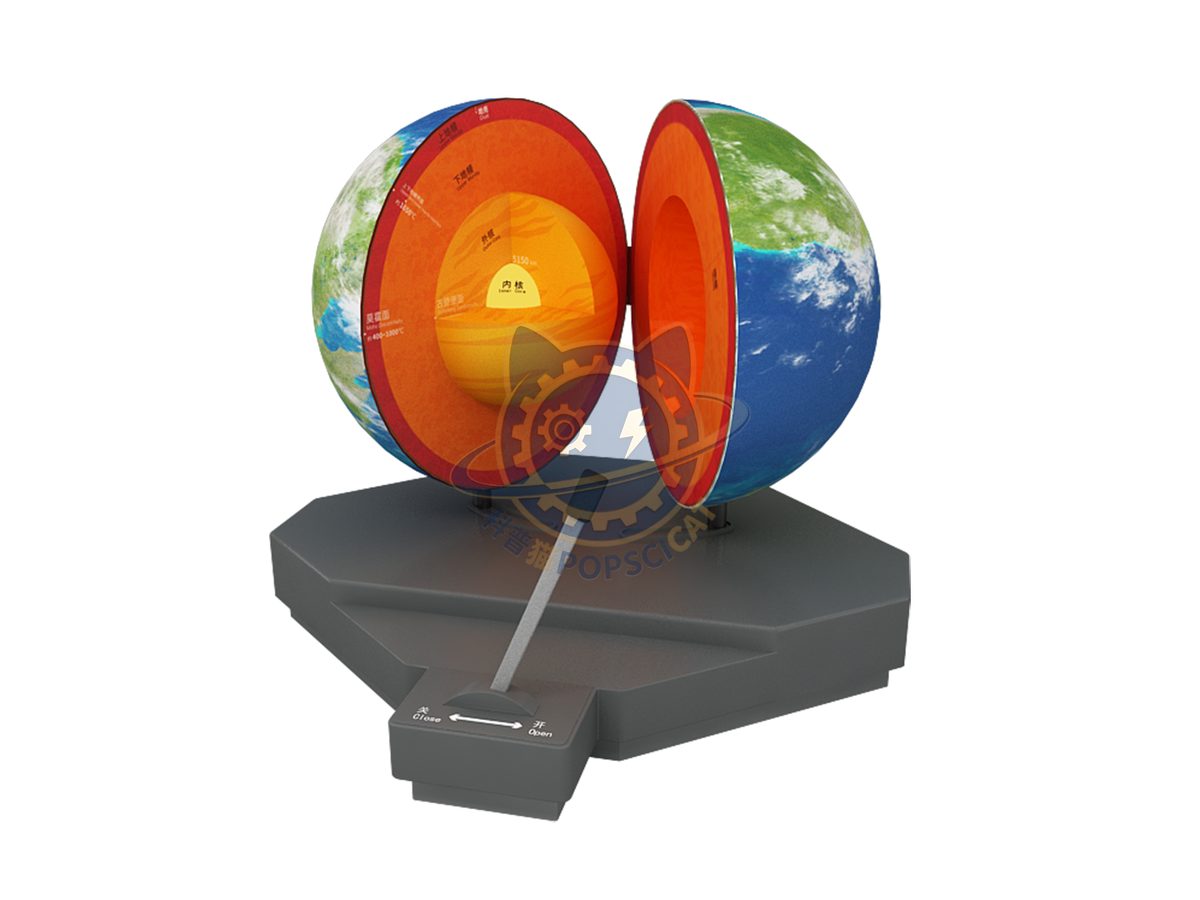
Cut-away globe showing crust, mantle, outer and inner core.
Attach a theme outline, a floor plan, or nothing at all — a photo of the space is enough to start. Quotations are issued against a real exhibit list, not per-square-metre guesses.
Scan to add us