Located in the southern foothills of the Himalayas in the Indian state of Meghalaya, Qilapengqi is known as the…
| Category | Earth & Ecology |
|---|---|
| Standard size | Custom size |
| Supply | Single unit or batch · OEM to your drawing |
| Lead time | Standard 4–8 weeks after deposit (confirmed per contract) |
| Warranty | 1 year, structure and control |
| Documents | Specification sheet · control diagram · spare-part list |
A standard catalogue model: the dimensions, control package and finish are fixed, which is what keeps the price and the lead time predictable. Size, colour and interface language can be adapted without a new design cycle.
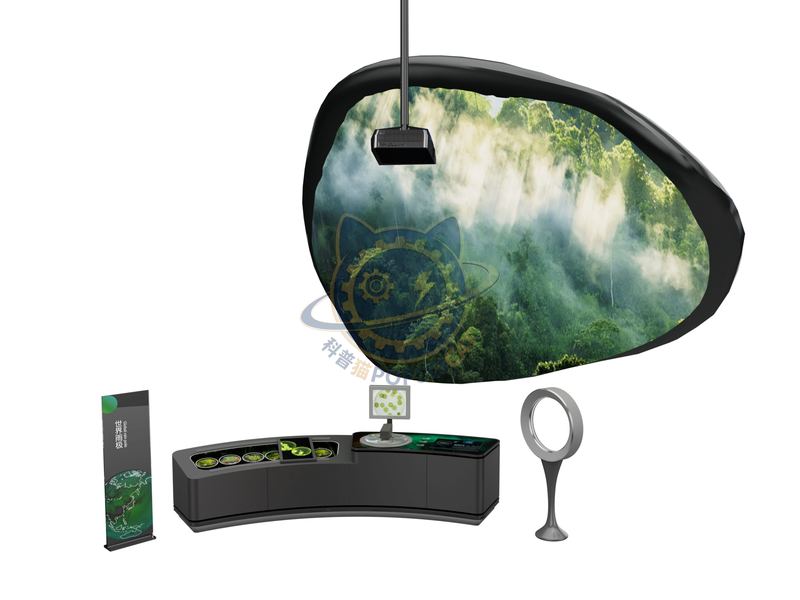
Located in the southern foothills of the Himalayas in the Indian state of Meghalaya, Qilapengqi is known as the world's' rain pole '. Due to the southwest monsoon from the Indian Ocean bringing a large amount of water vapor, there is a significant increase in rainfall from June to September here. The average annual rainfall in Qilapengqi is 10935 millimeters. From August 1860 to July 1861, the annual precipitation reached 20447 millimeters. From August 1960 to July 1961, Qilapengqi once again broke the world record with a rainfall of 26461.2 millimeters. The reason for the formation of the world "rain pole" is in the rainy season from June to September, when the southwest monsoon from the Indian Ocean blows from the Bay of Bengal to the Qinghai Tibet Plateau, the towering the Himalayas will not let it cross, and the humid air is forced to rise and condense into a large number of raindrops.
The unit is designed for unsupervised public use: controls are recessed or shielded, moving parts are enclosed, and the interface is operable by a child of about six with no instruction. Where a screen is used, the language can be switched without changing the hardware, and the content can be replaced on site.
1. Qilapengqi is located in the northeast of India, where the annual average precipitation is extremely high, about 11430 millimeters. From August 1860 to July 1861, the annual precipitation reached 20447 millimeters. From August 1960 to July 1961, Qilapengqi once again broke the world record with a rainfall of 26461.2 millimeters. two In nature, moss plants are capable "pioneers" in the plant kingdom, known as pioneers in paving the way along with lichens and blue-green algae. three There is a creature called sea urchin ant located in Qilapengqi, characterized by its body covered with highly developed setae. There are currently 35 effective species that inhabit the canopy of tropical forests. Sea urchin ants belong to the subfamily Formicinae and the tribe Formicidae, with their bodies covered in highly developed setae, similar to sea urchins. four The reason for the formation of the world's "rain pole": because during the rainy season from June to September, when the southwest monsoon from the Indian Ocean flows from the Bay of Bengal.
Every unit leaves the factory after a running test: mechanisms cycled, electronics burned in, edges dressed, fixings torqued and marked. Wear parts — bearings, sliders, lamps, belts, touch panels — are modular and listed on the spare-part sheet, so a venue technician can replace them without returning the exhibit. Crating is plywood with foam blocking; the loading plan and packing list travel with the shipment.
Other models from the Earth & Ecology line, all held to the same specification and the same control package.

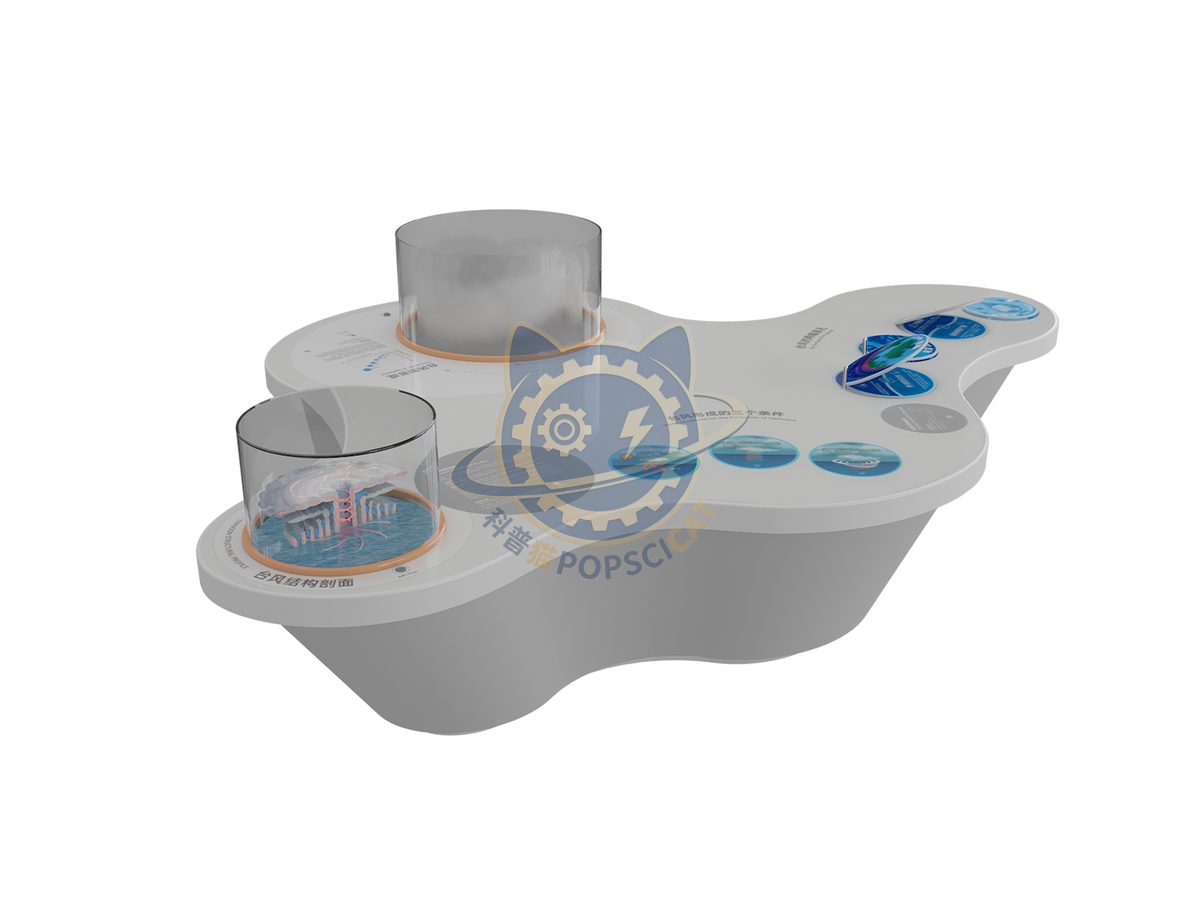
A vertical slice through a storm showing eye, eyewall and spiral bands.

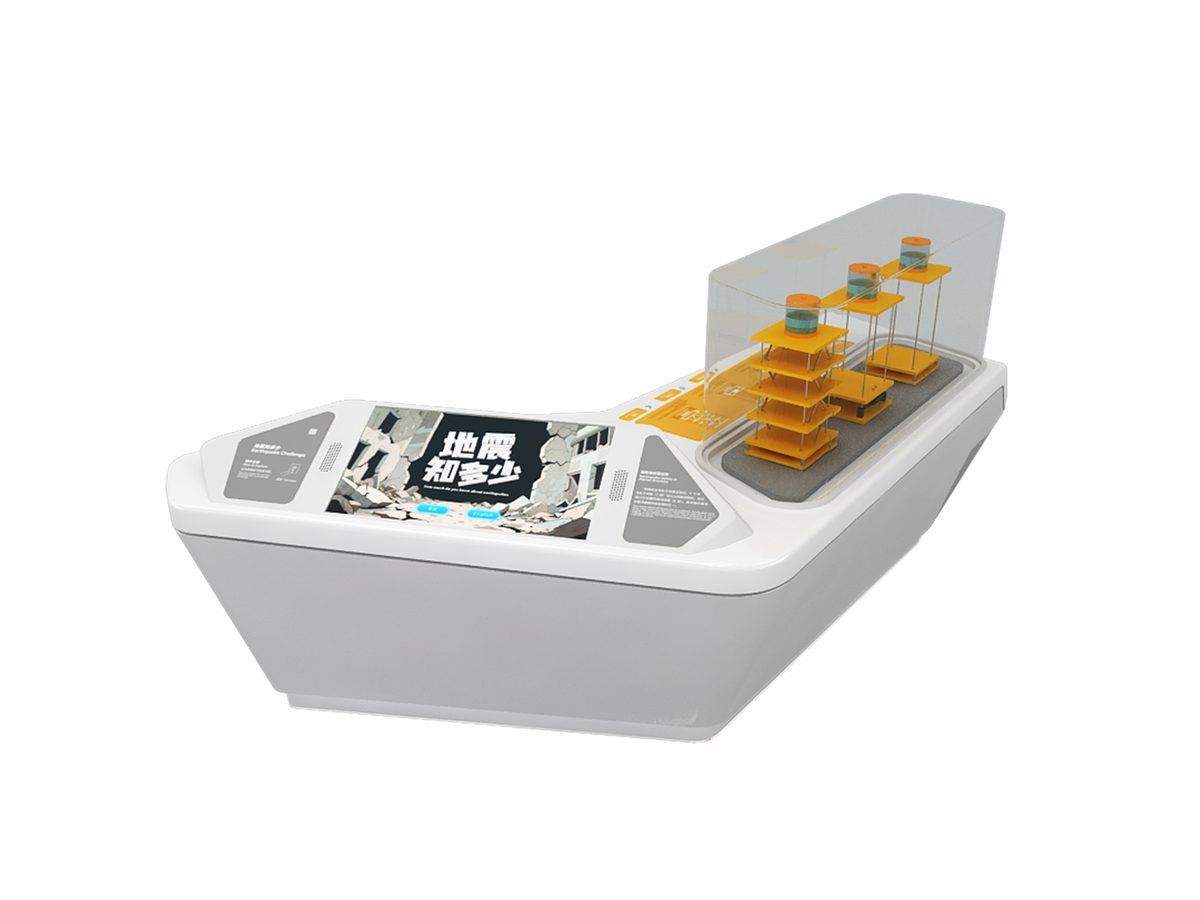
A platform shakes at recorded intensities while a seismograph traces the movement.

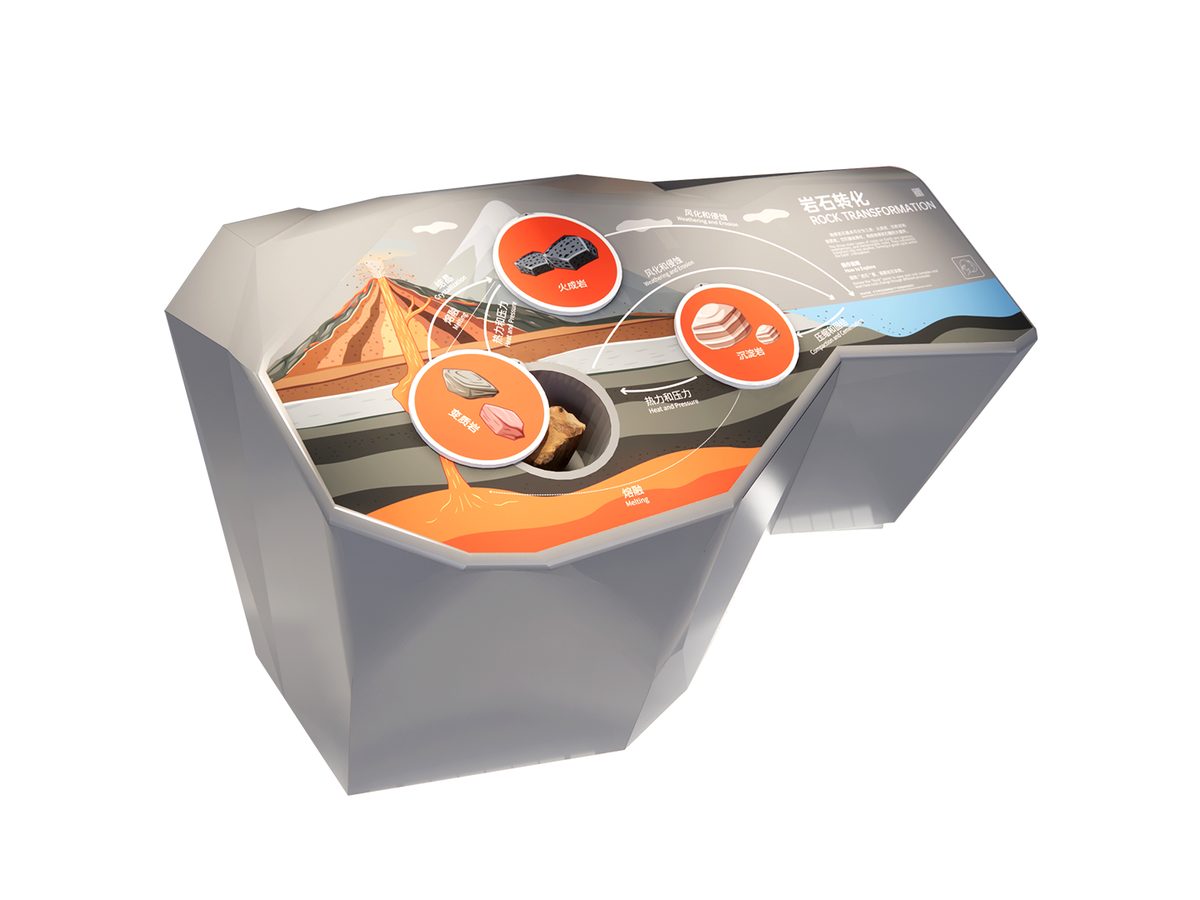
Heat and pressure turn one rock type into another on a turntable.

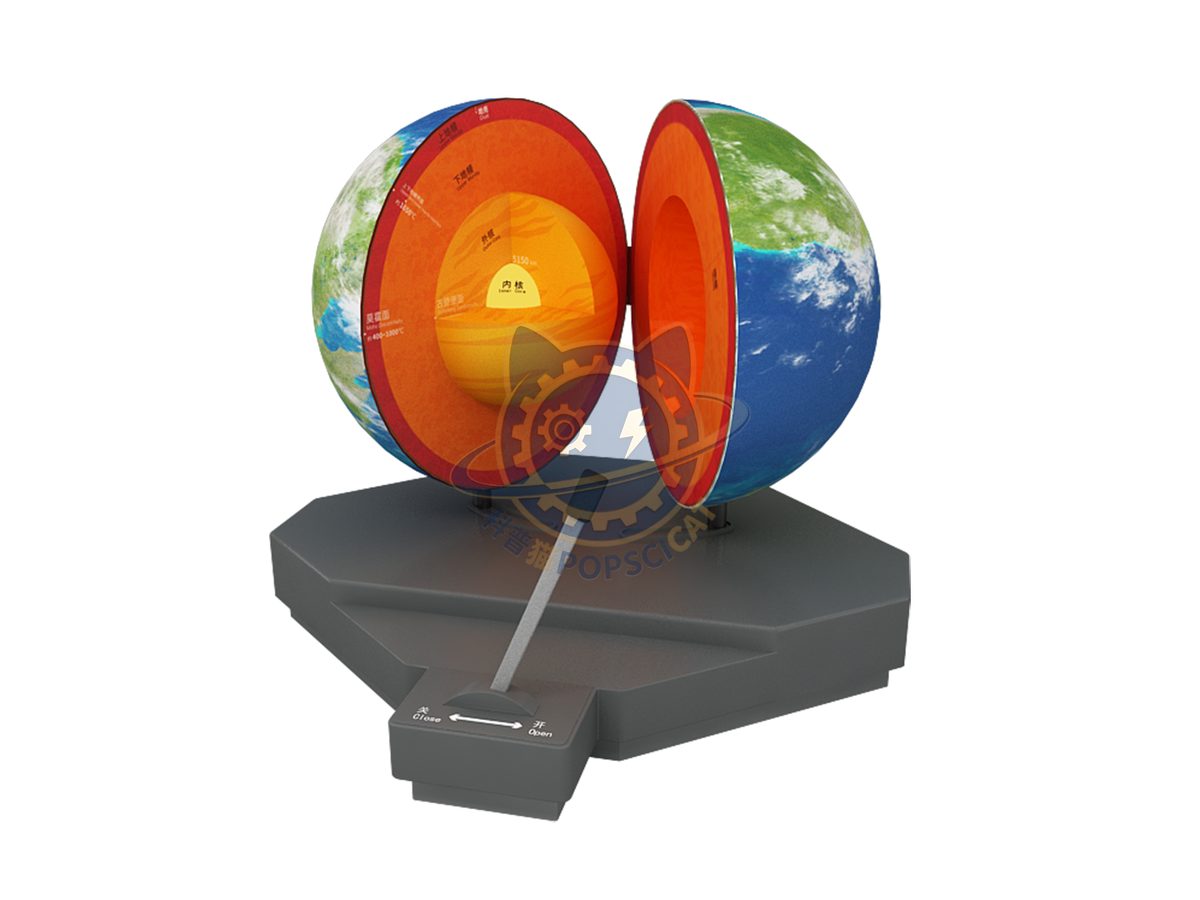
Cut-away globe showing crust, mantle, outer and inner core.
Attach a theme outline, a floor plan, or nothing at all — a photo of the space is enough to start. Quotations are issued against a real exhibit list, not per-square-metre guesses.
Scan to add us