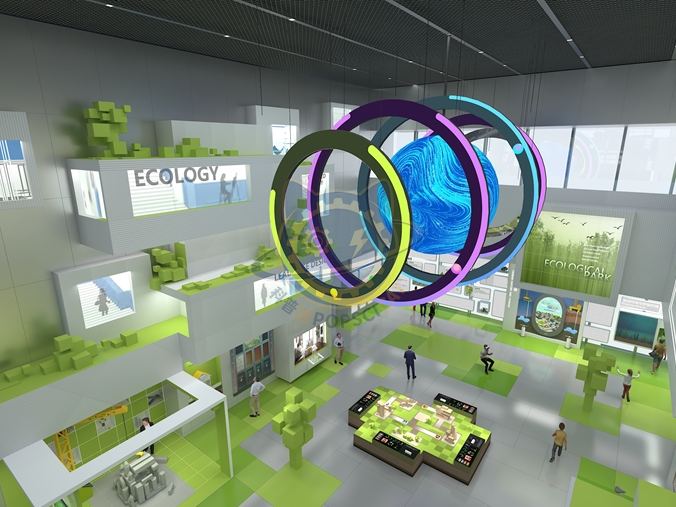
The future zero carbon community is committed to achieving a balance between buildings, energy, water, solid waste,…
| Category | Technology & Everyday Life |
|---|---|
| Standard size | Custom size |
| Supply | Single unit or batch · OEM to your drawing |
| Lead time | Standard 4–8 weeks after deposit (confirmed per contract) |
| Warranty | 1 year, structure and control |
| Documents | Specification sheet · control diagram · spare-part list |
A standard catalogue model: the dimensions, control package and finish are fixed, which is what keeps the price and the lead time predictable. Size, colour and interface language can be adapted without a new design cycle.
The future zero carbon community is committed to achieving a balance between buildings, energy, water, solid waste, and the natural environment. In terms of construction, green building materials and energy-saving design are adopted to reduce energy consumption; In terms of energy, utilizing renewable energy sources such as solar and wind power to achieve self-sufficiency; In terms of water resource management, reducing water demand through rainwater collection and recycling; In terms of solid waste treatment, promote garbage classification and resource utilization to reduce waste generation; At the same time, protect and restore the natural environment, and enhance ecosystem service functions. The future zero carbon community not only reshapes our living environment, leading us towards a greener, healthier, and more sustainable lifestyle, but also promotes harmonious coexistence between humans and nature.
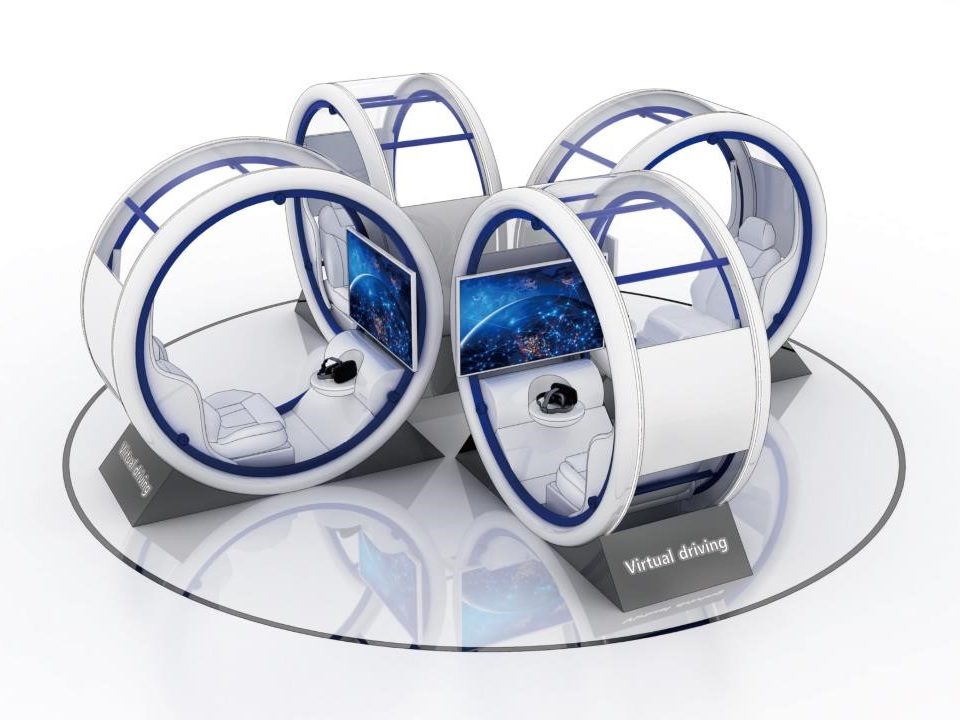
The unit is designed for unsupervised public use: controls are recessed or shielded, moving parts are enclosed, and the interface is operable by a child of about six with no instruction. Where a screen is used, the language can be switched without changing the hardware, and the content can be replaced on site.
The carbon balance of the Earth refers to the dynamic equilibrium process of carbon elements among the atmosphere, oceans, soil, plants, and living organisms. This balance mechanism plays a crucial role in maintaining climate stability and sustaining life on Earth. The cycle and balance of carbon can be understood through the interaction between "carbon sources" and "carbon sinks". one Carbon source: The process of releasing carbon into the atmosphere. Carbon source refers to the process of releasing carbon compounds such as carbon dioxide (CO ₂) into the atmosphere. For example, the combustion of fossil fuels such as coal, oil, and natural gas releases carbon stored in geological deposits into the atmosphere. Deforestation: Trees and vegetation absorb CO ₂ through photosynthesis, and when forests are cut down or caught in fires, the stored carbon is released back into the atmosphere. Respiratory function: Organisms (including humans, animals, and microorganisms) release carbon into the atmosphere in the form of CO ₂ through respiration. two Carbon sink: from the atmosphere.
Every unit leaves the factory after a running test: mechanisms cycled, electronics burned in, edges dressed, fixings torqued and marked. Wear parts — bearings, sliders, lamps, belts, touch panels — are modular and listed on the spare-part sheet, so a venue technician can replace them without returning the exhibit. Crating is plywood with foam blocking; the loading plan and packing list travel with the shipment.
Other models from the Technology & Everyday Life line, all held to the same specification and the same control package.

A fixed-base cockpit with a city route and a reaction-time score.

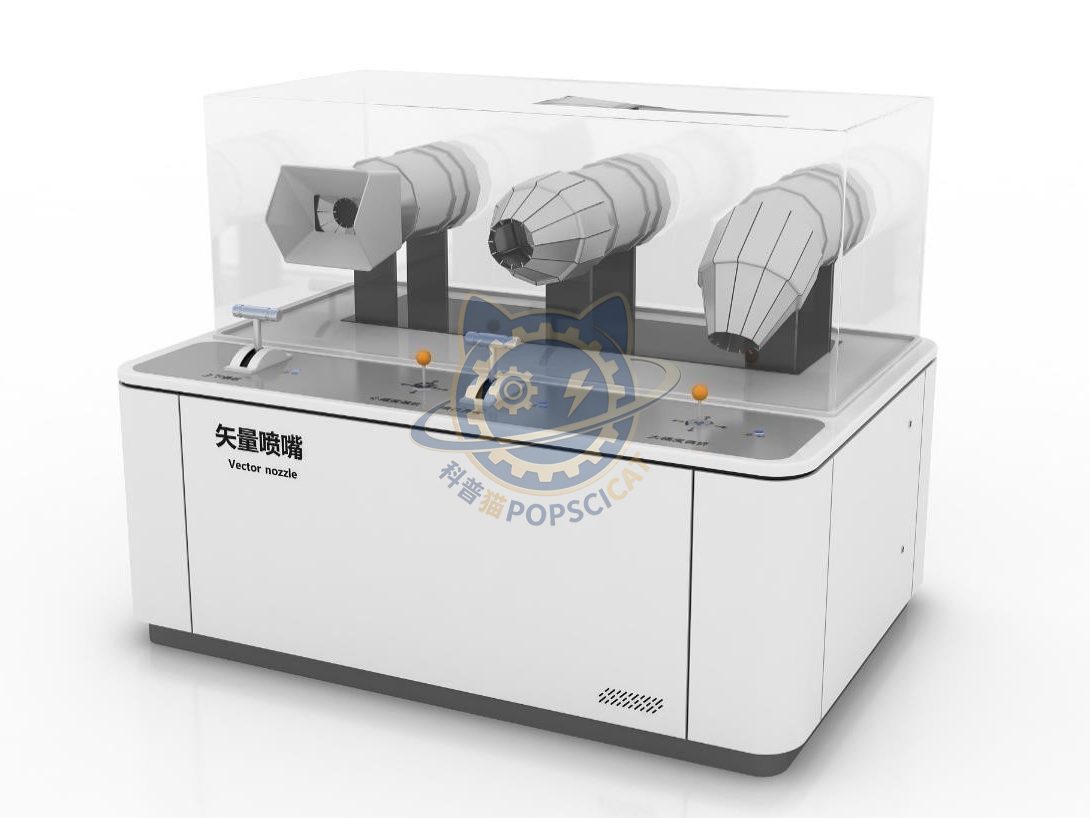
Tilt the nozzle and watch the thrust vector swing.

Angle the panel, watch the current and race the model.

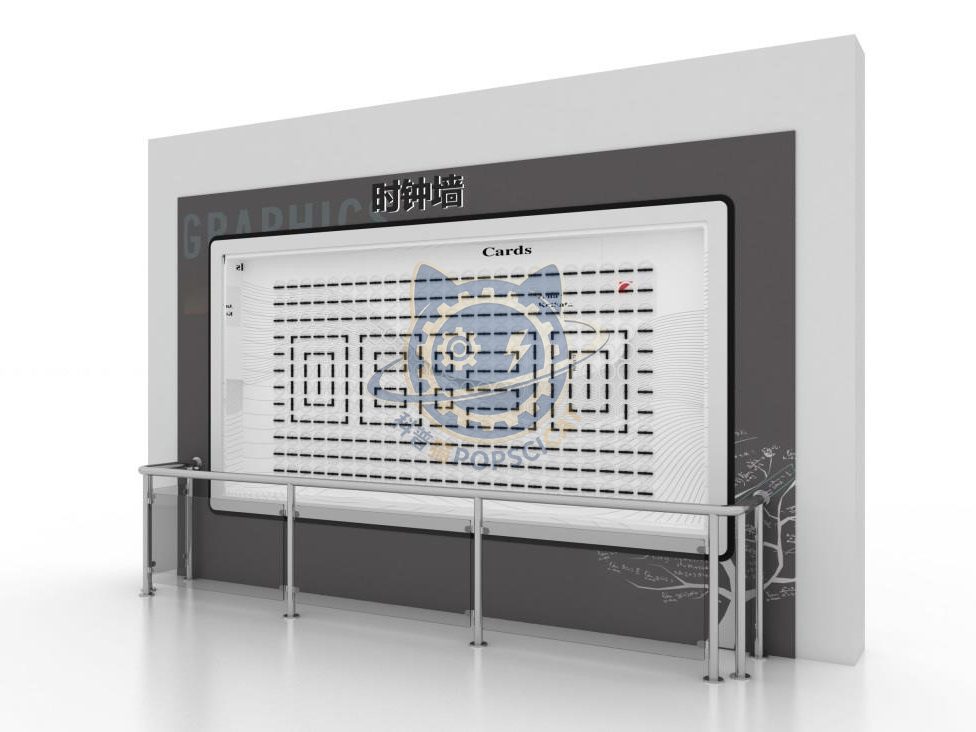
Forty movements from water clock to quartz all reading the same second.
Attach a theme outline, a floor plan, or nothing at all — a photo of the space is enough to start. Quotations are issued against a real exhibit list, not per-square-metre guesses.
Scan to add us