The exhibit allows participants to experience the impact of natural forces on humanity through immersive…
| Category | Technology & Everyday Life |
|---|---|
| Standard size | 5 x 4 x 4 m |
| Supply | Single unit or batch · OEM to your drawing |
| Lead time | Standard 4–8 weeks after deposit (confirmed per contract) |
| Warranty | 1 year, structure and control |
| Documents | Specification sheet · control diagram · spare-part list |
A standard catalogue model: the dimensions, control package and finish are fixed, which is what keeps the price and the lead time predictable. Size, colour and interface language can be adapted without a new design cycle.
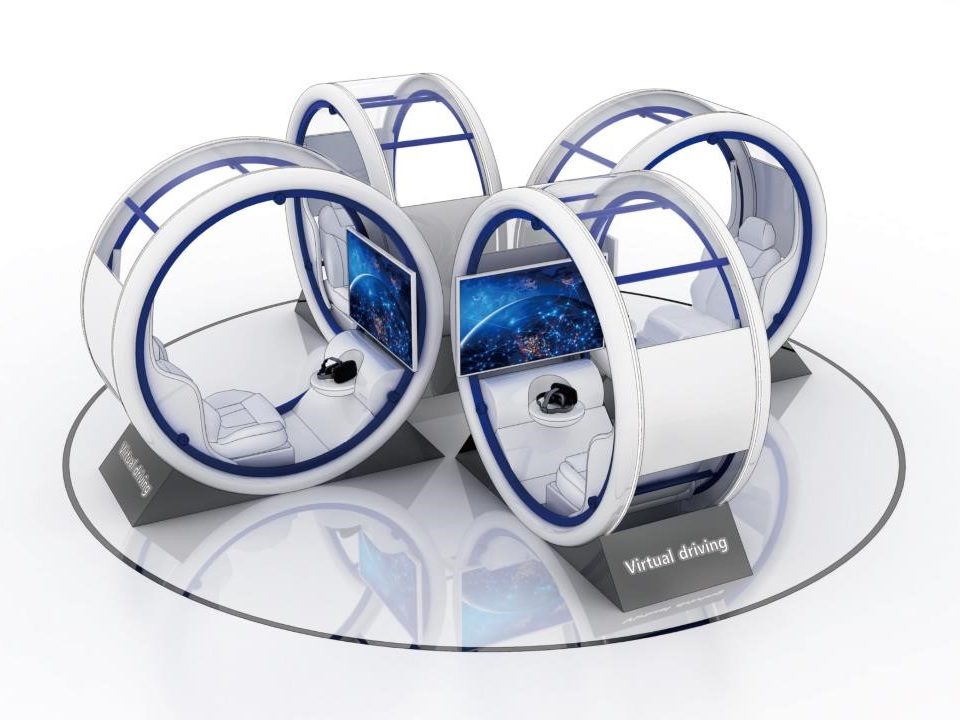
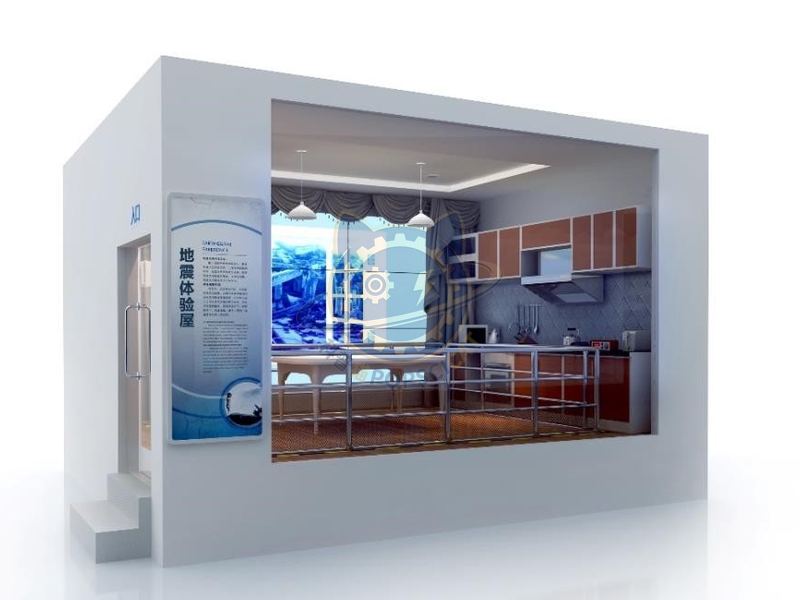
The exhibit allows participants to experience the impact of natural forces on humanity through immersive experiences, while also being able to effectively prepare or handle earthquakes in real life.
The unit is designed for unsupervised public use: controls are recessed or shielded, moving parts are enclosed, and the interface is operable by a child of about six with no instruction. Where a screen is used, the language can be switched without changing the hardware, and the content can be replaced on site.
The exhibit mainly consists of a vibration platform system, multimedia system, scene creation, safety system, and graphic board. On one wall of the experience room, there are 9 46 inch LCD TV splicing screens, which play short videos to introduce to participants before the earthquake begins. When the experience begins, simulating the scenery outside the window, participants can see the ground shaking and cracking, fallen trees, and other buildings. Protective railings and surface wrapping are also installed to prevent accidental collision injuries to participants during vibration.
Every unit leaves the factory after a running test: mechanisms cycled, electronics burned in, edges dressed, fixings torqued and marked. Wear parts — bearings, sliders, lamps, belts, touch panels — are modular and listed on the spare-part sheet, so a venue technician can replace them without returning the exhibit. Crating is plywood with foam blocking; the loading plan and packing list travel with the shipment.
Other models from the Technology & Everyday Life line, all held to the same specification and the same control package.

A fixed-base cockpit with a city route and a reaction-time score.

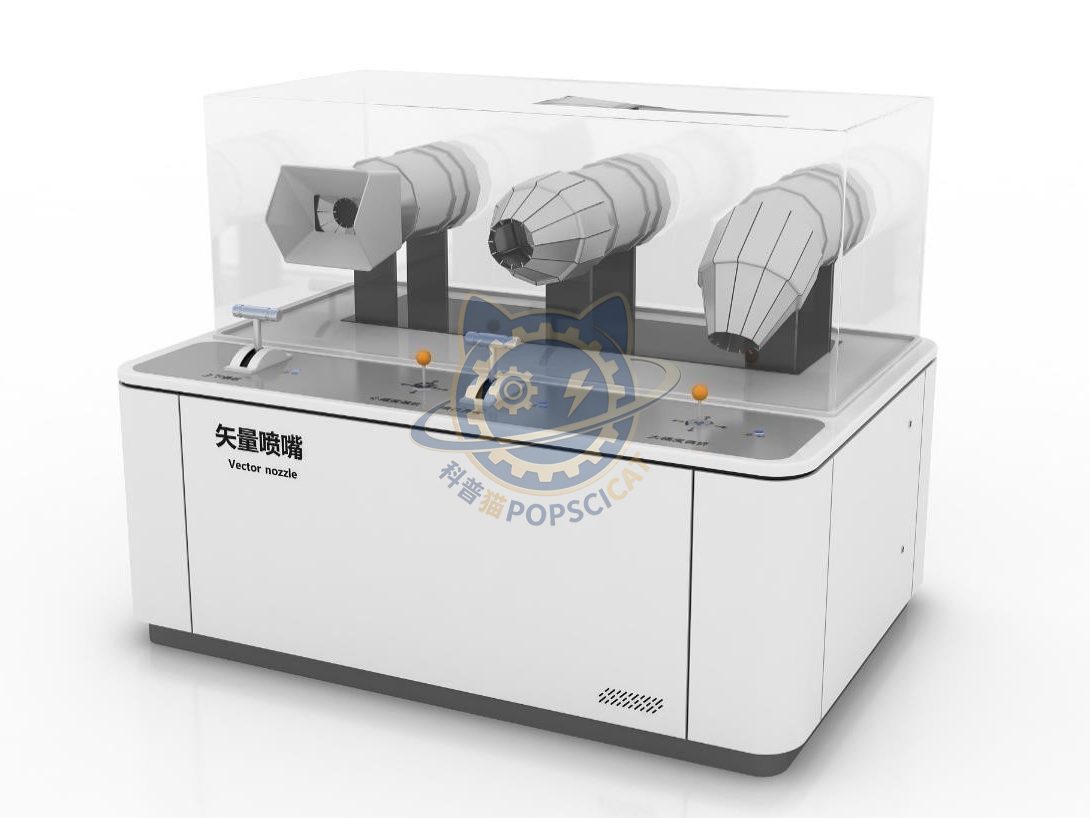
Tilt the nozzle and watch the thrust vector swing.

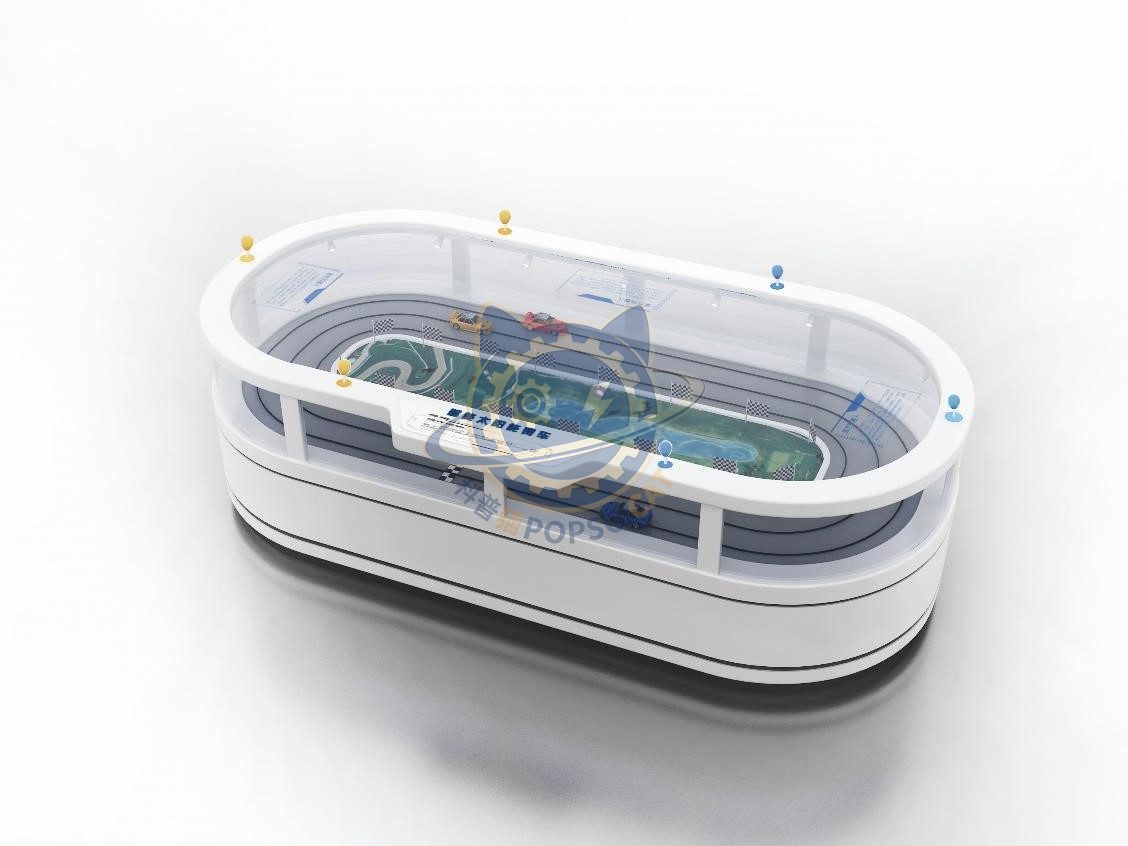
Angle the panel, watch the current and race the model.

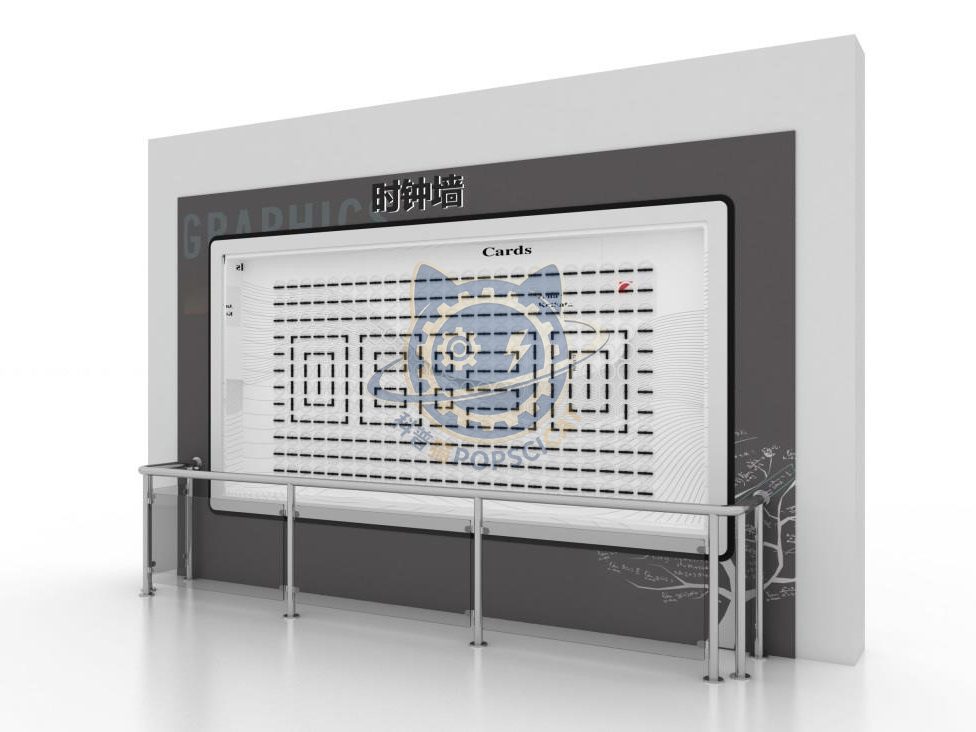
Forty movements from water clock to quartz all reading the same second.
Attach a theme outline, a floor plan, or nothing at all — a photo of the space is enough to start. Quotations are issued against a real exhibit list, not per-square-metre guesses.
Scan to add us