The working principle of magnetic resonance imaging (MRI) is to place the human body in a special magnetic field,…
| Category | Life Science & Health |
|---|---|
| Standard size | Custom size |
| Supply | Single unit or batch · OEM to your drawing |
| Lead time | Standard 4–8 weeks after deposit (confirmed per contract) |
| Warranty | 1 year, structure and control |
| Documents | Specification sheet · control diagram · spare-part list |
A standard catalogue model: the dimensions, control package and finish are fixed, which is what keeps the price and the lead time predictable. Size, colour and interface language can be adapted without a new design cycle.
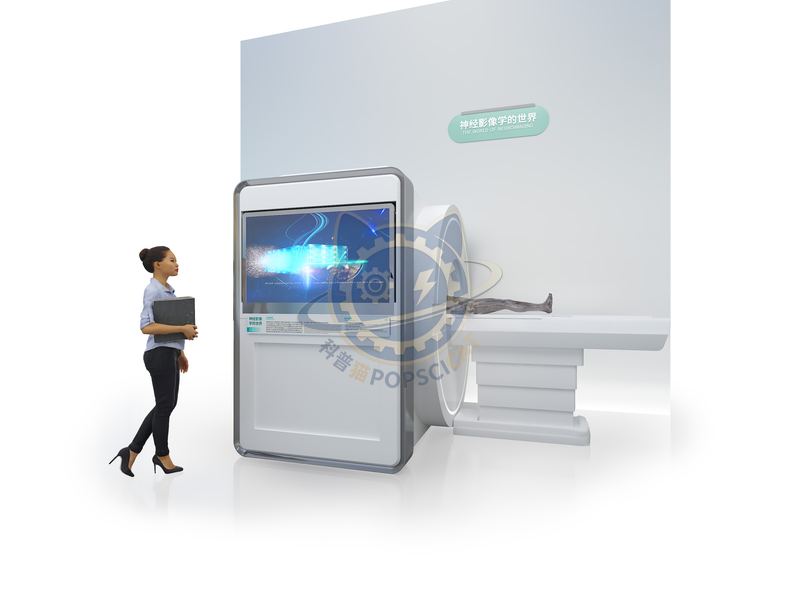
The working principle of magnetic resonance imaging (MRI) is to place the human body in a special magnetic field, excite hydrogen nuclei in the human body with radio frequency pulses, cause hydrogen nucleus resonance, and absorb energy. After stopping the radio frequency pulse, the hydrogen nucleus emits a radio signal at a specific frequency and releases the absorbed energy, which is collected by an external receiver and processed by an electronic computer to obtain an image. This process is called nuclear magnetic resonance imaging. Magnetic resonance imaging instruments are of great significance for the imaging diagnosis of various major diseases such as cardiovascular, cerebrovascular, neurological, and tumor diseases. The nuclear magnetic resonance instrument independently developed by China has been successfully developed and mass produced in Shenzhen Advanced Technology Research Institute of the Chinese Academy of Sciences, breaking through the long-term blockade of this technology abroad.
The unit is designed for unsupervised public use: controls are recessed or shielded, moving parts are enclosed, and the interface is operable by a child of about six with no instruction. Where a screen is used, the language can be switched without changing the hardware, and the content can be replaced on site.
The physical principle of nuclear magnetic resonance phenomenon: ① Magnetizing the human body: The human body contains a large amount of water, so there is a large amount of hydrogen (hydrogen nuclei). By using strong magnetism, hydrogen nuclei in the human body are arranged in an orderly manner along the direction of the magnetic field. ② Excitation resonance: When a radio frequency signal is emitted towards the hydrogen nucleus, its direction will flip and stop emitting new signals, causing the hydrogen nucleus to return to its initial state. The principle of interaction between atomic nuclei, magnetic fields, and external radio frequency fields. ③ This resonance signal is converted into an image through digital circuit analysis and intelligent algorithms.
Every unit leaves the factory after a running test: mechanisms cycled, electronics burned in, edges dressed, fixings torqued and marked. Wear parts — bearings, sliders, lamps, belts, touch panels — are modular and listed on the spare-part sheet, so a venue technician can replace them without returning the exhibit. Crating is plywood with foam blocking; the loading plan and packing list travel with the shipment.
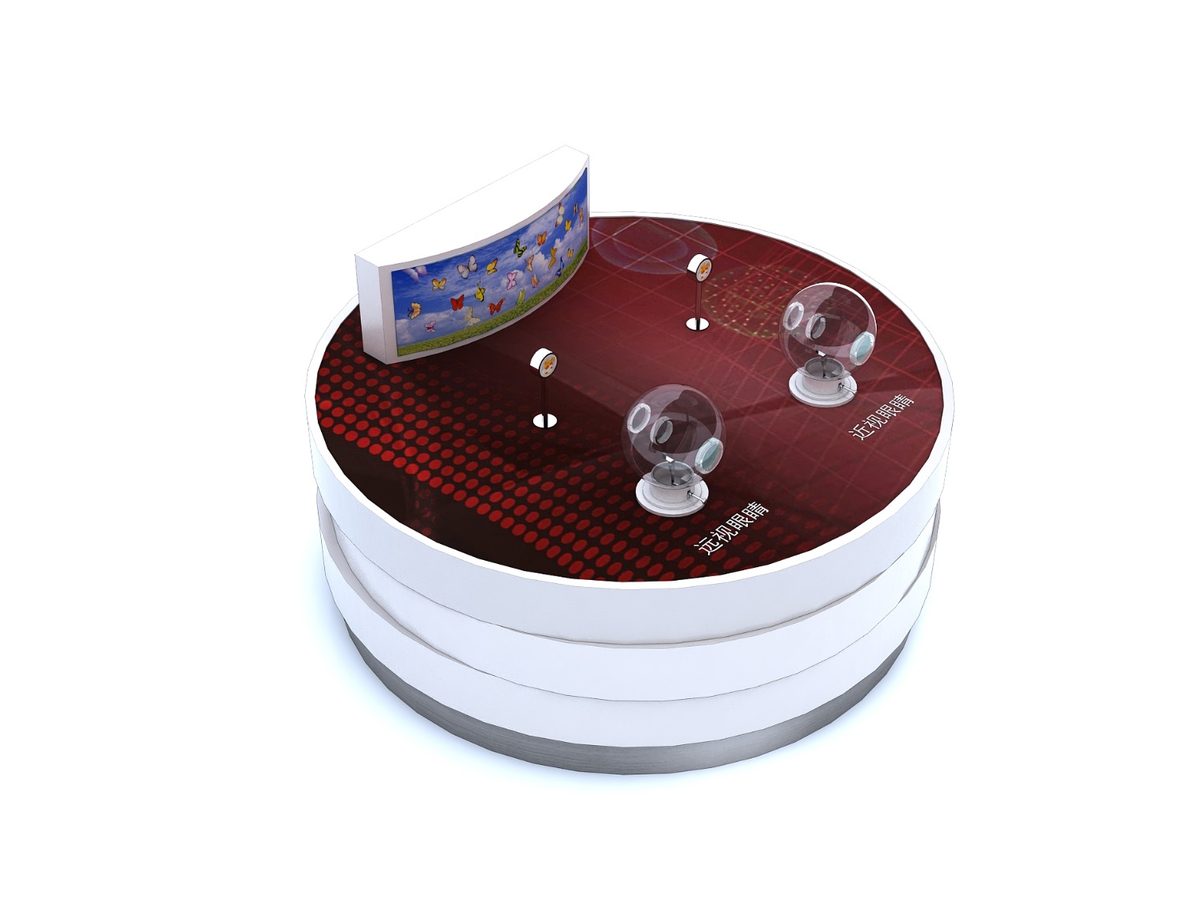
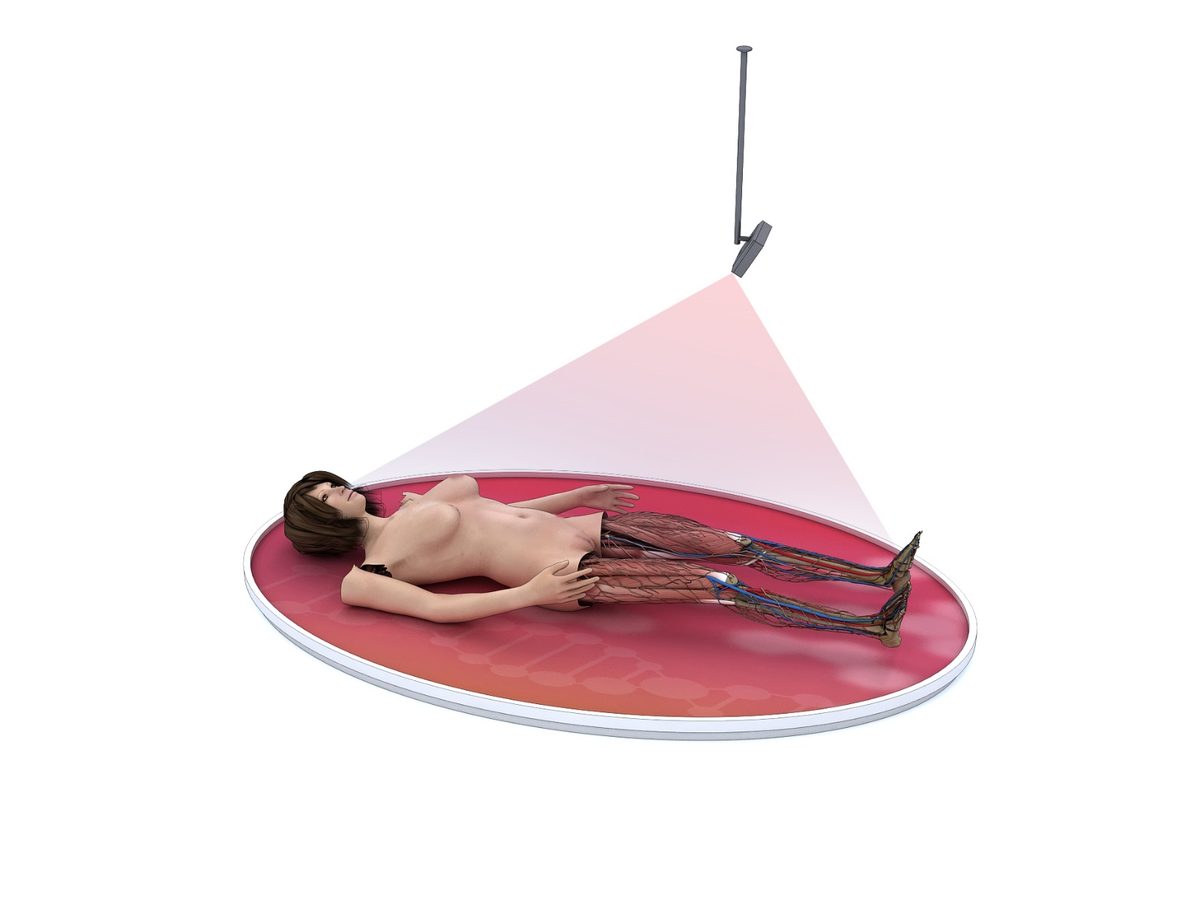
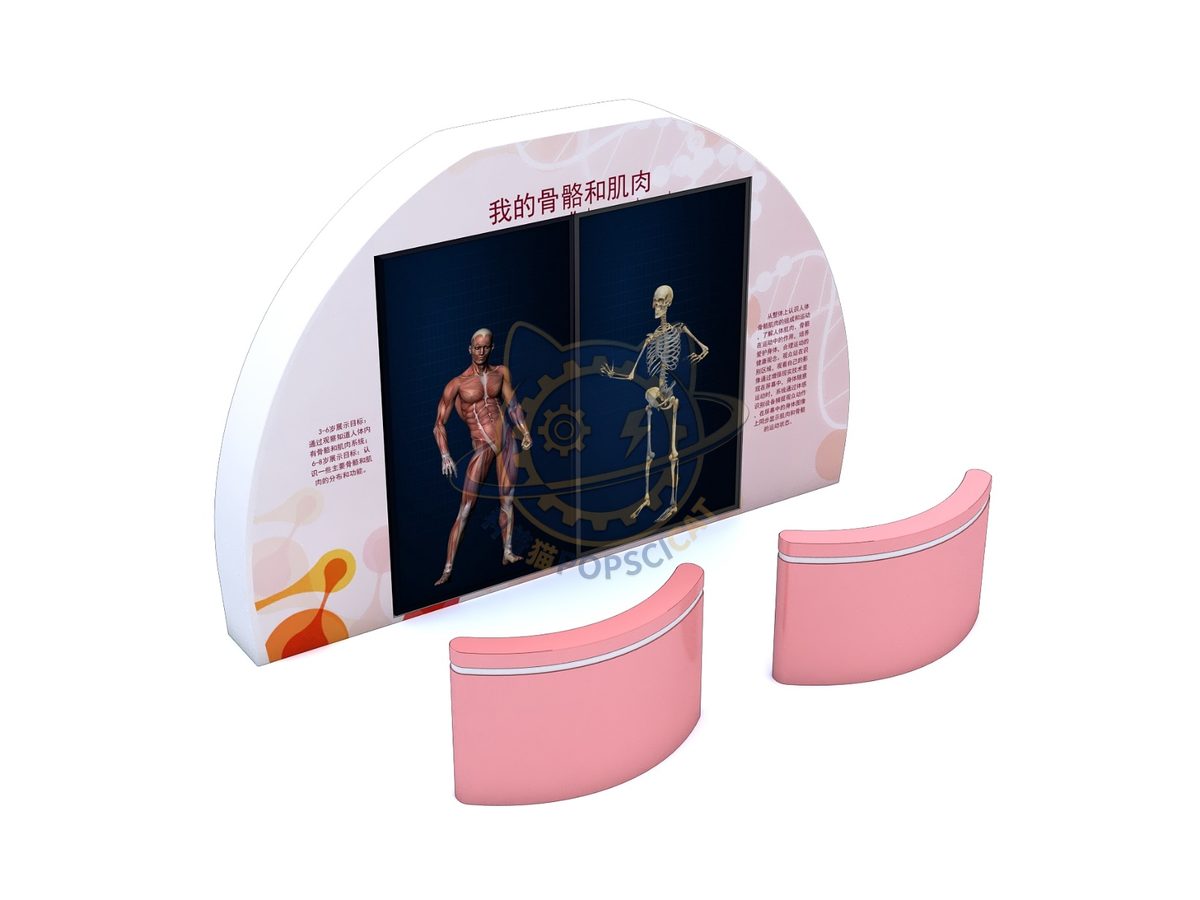
Other models from the Life Science & Health line, all held to the same specification and the same control package.

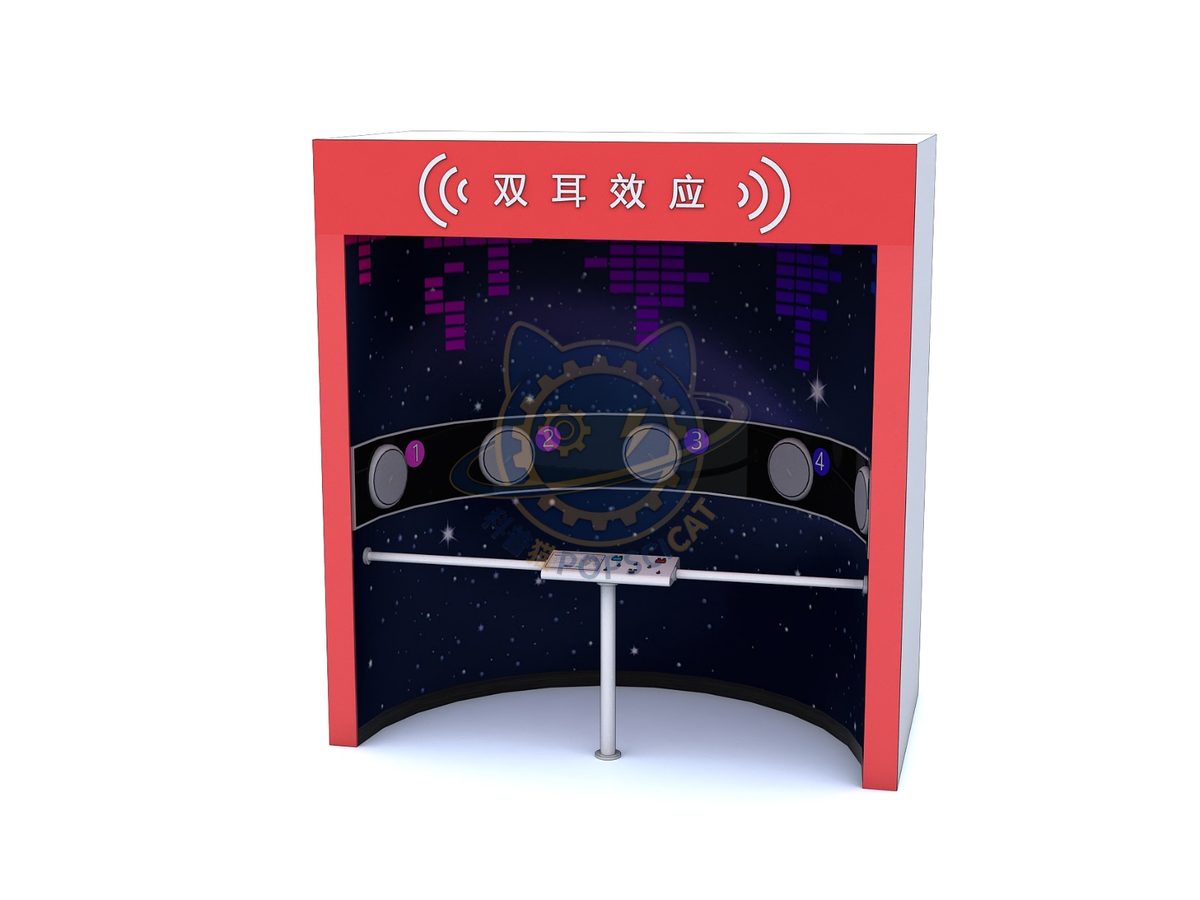
Sound reaches two ears at different times; visitors point to the source.

An adjustable lens projects a real image onto a retina screen.

Projected anatomy on a body-sized screen layer by layer.

Contract a model biceps and watch the tendon pull the forearm.
Attach a theme outline, a floor plan, or nothing at all — a photo of the space is enough to start. Quotations are issued against a real exhibit list, not per-square-metre guesses.
Scan to add us