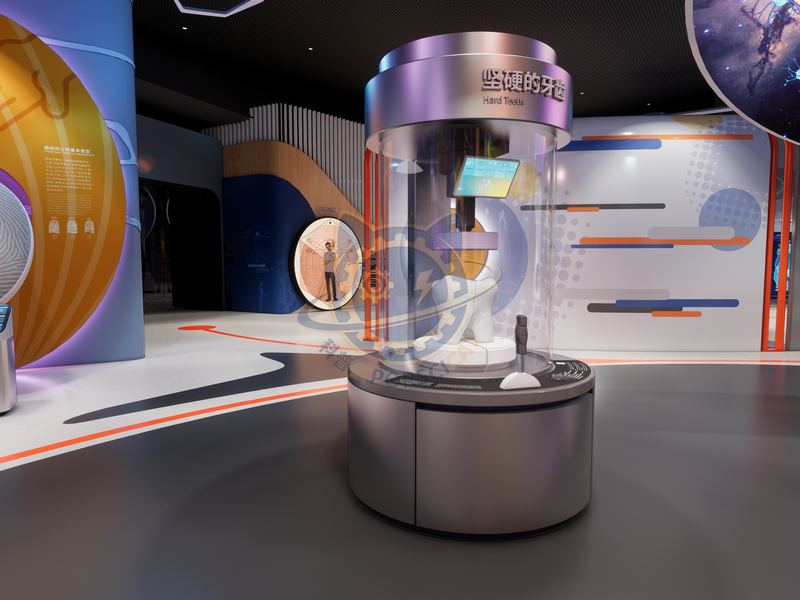
Teeth are the hardest organs in the human body, mainly composed of enamel, dentin, and dentin.
| Category | Life Science & Health |
|---|---|
| Standard size | Custom size |
| Supply | Single unit or batch · OEM to your drawing |
| Lead time | Standard 4–8 weeks after deposit (confirmed per contract) |
| Warranty | 1 year, structure and control |
| Documents | Specification sheet · control diagram · spare-part list |
A standard catalogue model: the dimensions, control package and finish are fixed, which is what keeps the price and the lead time predictable. Size, colour and interface language can be adapted without a new design cycle.
Teeth are the hardest organs in the human body, mainly composed of enamel, dentin, and dentin. Among them, enamel is the outermost protective structure of teeth and the hardest substance in the human body. Experiments have found that a tooth can even withstand a pressure of 638 kilograms, and its hardness can be comparable to quartz.
The unit is designed for unsupervised public use: controls are recessed or shielded, moving parts are enclosed, and the interface is operable by a child of about six with no instruction. Where a screen is used, the language can be switched without changing the hardware, and the content can be replaced on site.
The hardest part of the human body is the teeth, which have a hardness in the Mohs hardness range of approximately 5~8MH. Experiments have found that a single tooth can even withstand a pressure of 638 kilograms. The secret to strong teeth actually lies in the surface layer of enamel, which is only 2-2.5mm thick. The composition and structure of dental enamel are closely arranged together, similar to a city wall, and due to the presence of many enamel columns arranged vertically, the direction of force on dental enamel is consistent with that of regular chewing. Therefore, the elastic modulus of dental enamel is higher, and the strength is also higher.
Every unit leaves the factory after a running test: mechanisms cycled, electronics burned in, edges dressed, fixings torqued and marked. Wear parts — bearings, sliders, lamps, belts, touch panels — are modular and listed on the spare-part sheet, so a venue technician can replace them without returning the exhibit. Crating is plywood with foam blocking; the loading plan and packing list travel with the shipment.
Other models from the Life Science & Health line, all held to the same specification and the same control package.

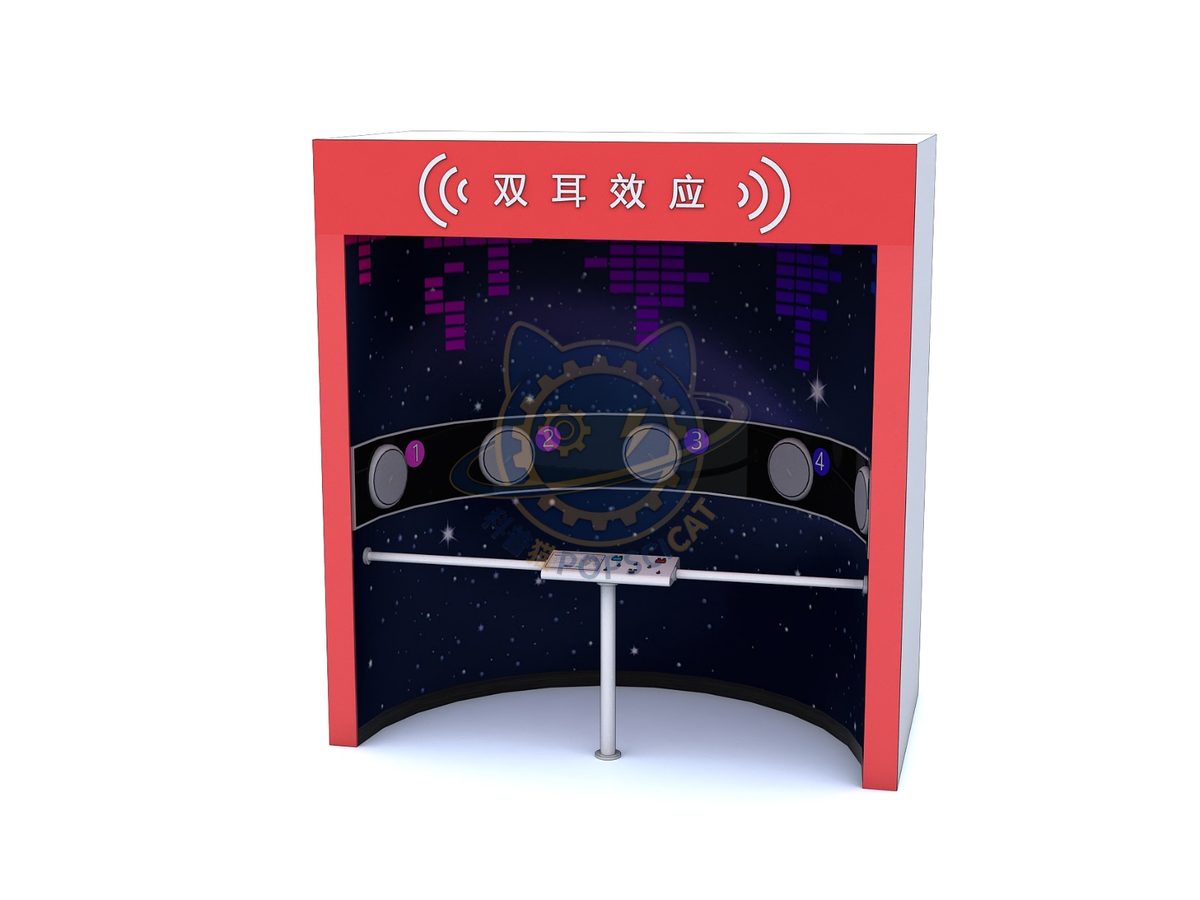
Sound reaches two ears at different times; visitors point to the source.

An adjustable lens projects a real image onto a retina screen.

Projected anatomy on a body-sized screen layer by layer.

Contract a model biceps and watch the tendon pull the forearm.
Attach a theme outline, a floor plan, or nothing at all — a photo of the space is enough to start. Quotations are issued against a real exhibit list, not per-square-metre guesses.
Scan to add us