Computing power is a powerful engine driving the progress of human civilization!
| Category | Signature & Outdoor |
|---|---|
| Standard size | Custom size |
| Supply | Single unit or batch · OEM to your drawing |
| Lead time | Standard 4–8 weeks after deposit (confirmed per contract) |
| Warranty | 1 year, structure and control |
| Documents | Specification sheet · control diagram · spare-part list |
A standard catalogue model: the dimensions, control package and finish are fixed, which is what keeps the price and the lead time predictable. Size, colour and interface language can be adapted without a new design cycle.
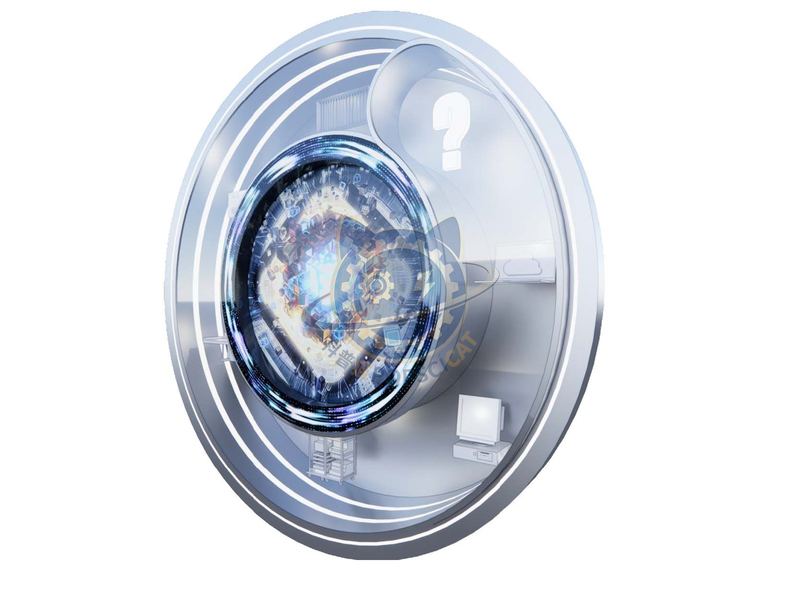
Computing power is a powerful engine driving the progress of human civilization! From ancient abacuses to modern supercomputing, computing power is reshaping our intelligent lives. The Pascal adder and the Babbage differential opened the era of mechanical computing; The birth of ENIAC marked the arrival of the era of electronic computing; The introduction of Intel 4004 in 1971 ushered in the era of microprocessors, bringing personal computers into millions of households. Nowadays, driven by cloud computing and artificial intelligence, computing power has become as ubiquitous as water and electricity, opening up infinite possibilities for the future!
The unit is designed for unsupervised public use: controls are recessed or shielded, moving parts are enclosed, and the interface is operable by a child of about six with no instruction. Where a screen is used, the language can be switched without changing the hardware, and the content can be replaced on site.
'Computing power' refers to computational power, which has been the carrier of computing power from ancient abacuses to modern supercomputers. The development of computing power can be divided into the following stages: mechanical era: abacus and differential machine. In ancient times, human computing power was limited to ten fingers and some simple counting tools. The emergence of abacus brought about the first leap in computing power for people. In 1642, Blaise Pascal invented the Pascal adder, which was the first mechanical calculator in human history capable of performing addition and subtraction operations. In the early 19th century, Charles Babbage envisioned a differential engine capable of performing complex calculations, which is considered the earliest concept of a general-purpose computer. The dawn of the electronic age: ENIAC and microprocessors. In 1946, the birth of the world's first electronic computer ENIAC ushered in the electronic age of computing power development. In 1971.
Every unit leaves the factory after a running test: mechanisms cycled, electronics burned in, edges dressed, fixings torqued and marked. Wear parts — bearings, sliders, lamps, belts, touch panels — are modular and listed on the spare-part sheet, so a venue technician can replace them without returning the exhibit. Crating is plywood with foam blocking; the loading plan and packing list travel with the shipment.
Other models from the Signature & Outdoor line, all held to the same specification and the same control package.

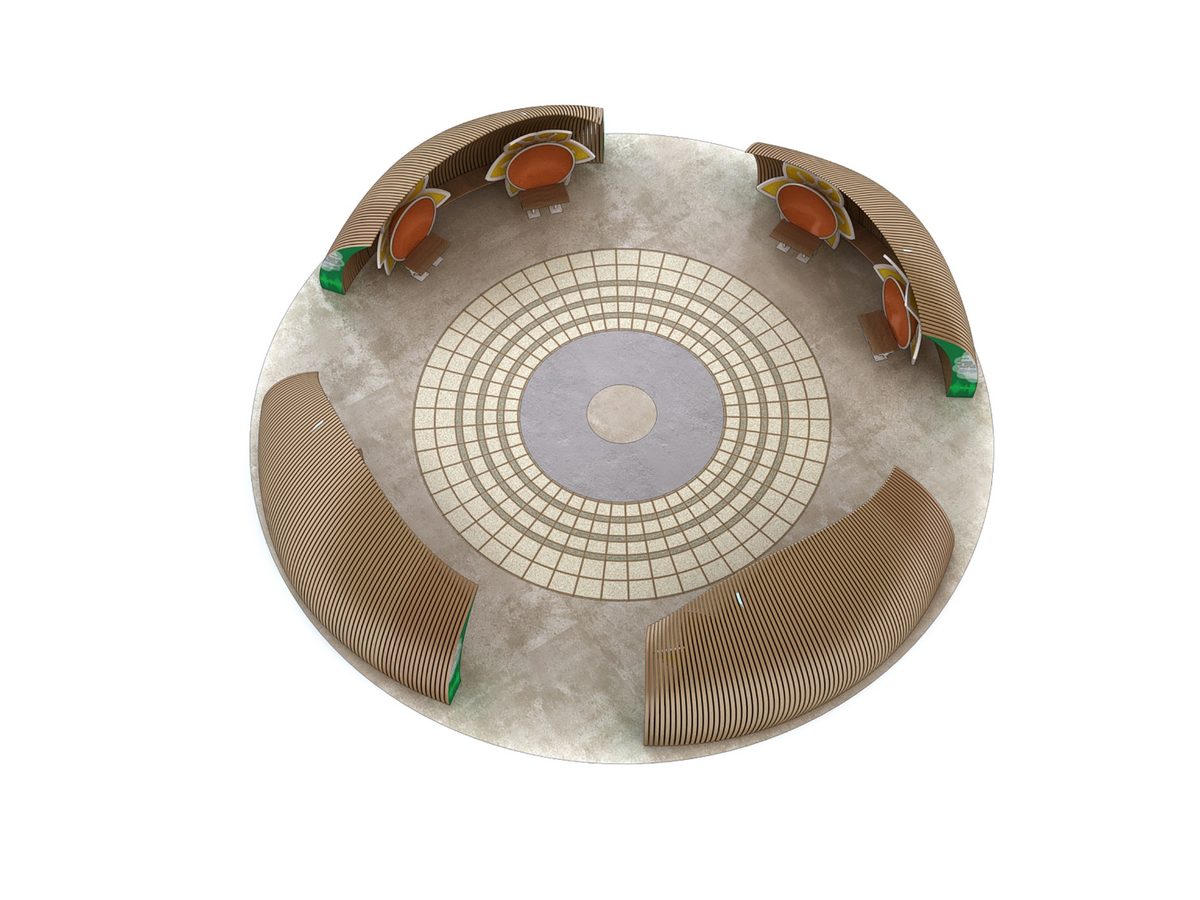
Whisper at one focus and be heard clearly at the other.

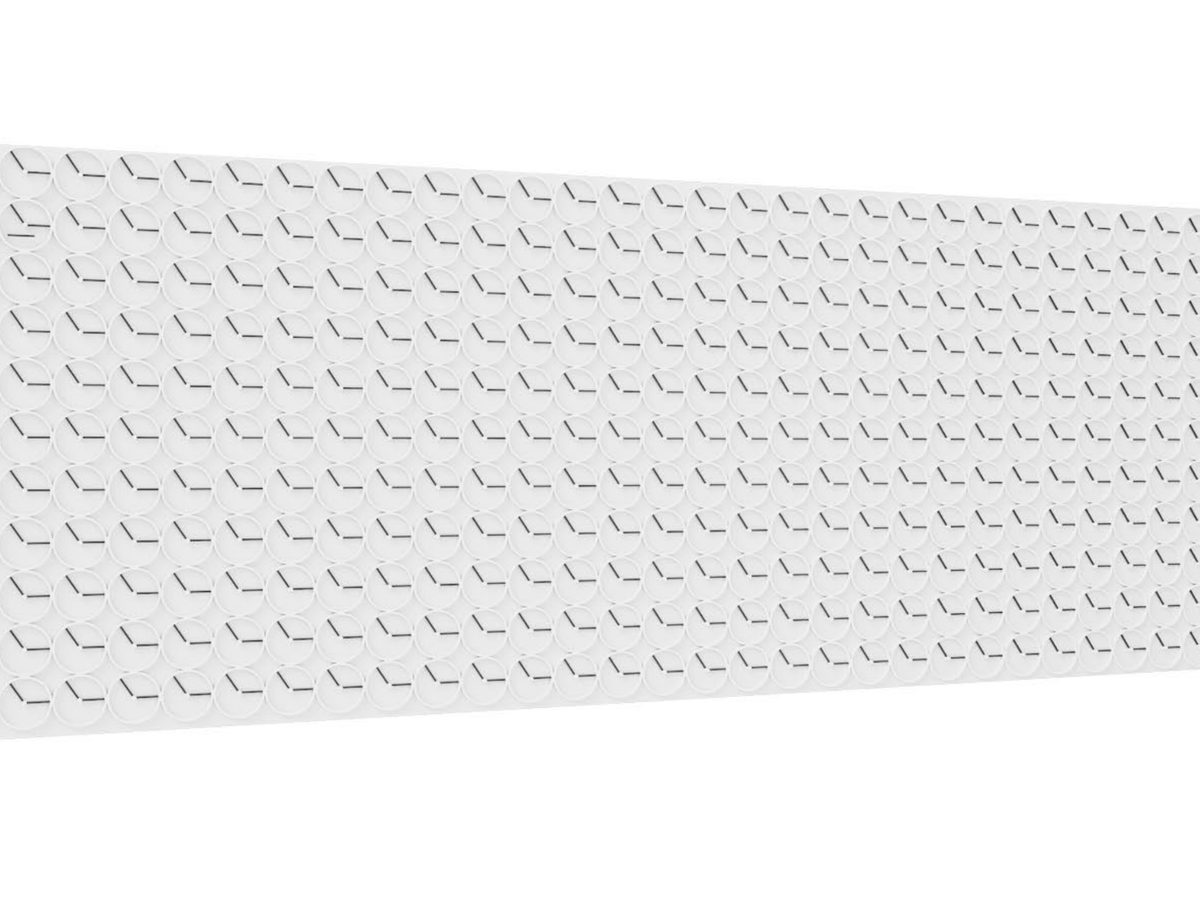
A seven-metre movement wall showing four escapements at full scale.

Reads as scattered rods until seen from one marked point.

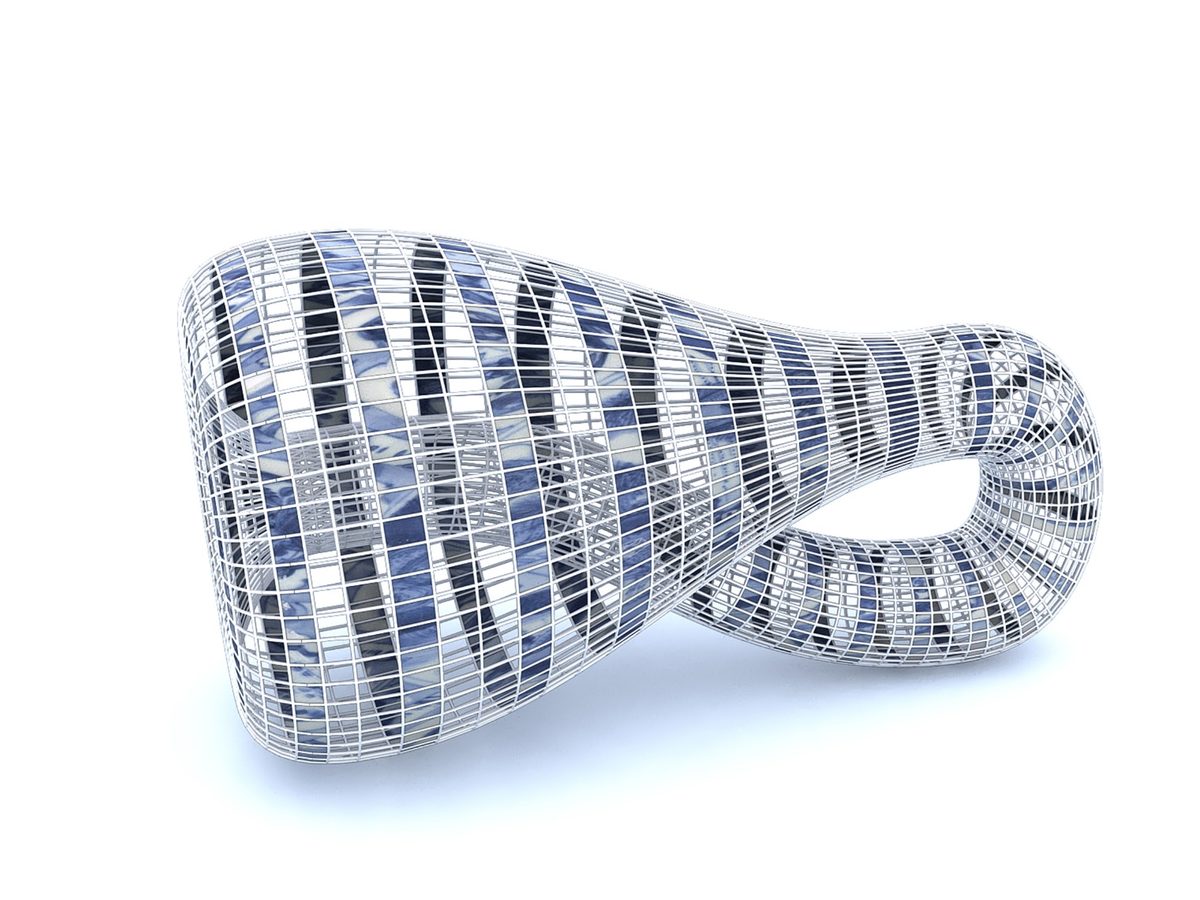
A walk-in sculpture of a surface with only one side.
Attach a theme outline, a floor plan, or nothing at all — a photo of the space is enough to start. Quotations are issued against a real exhibit list, not per-square-metre guesses.
Scan to add us