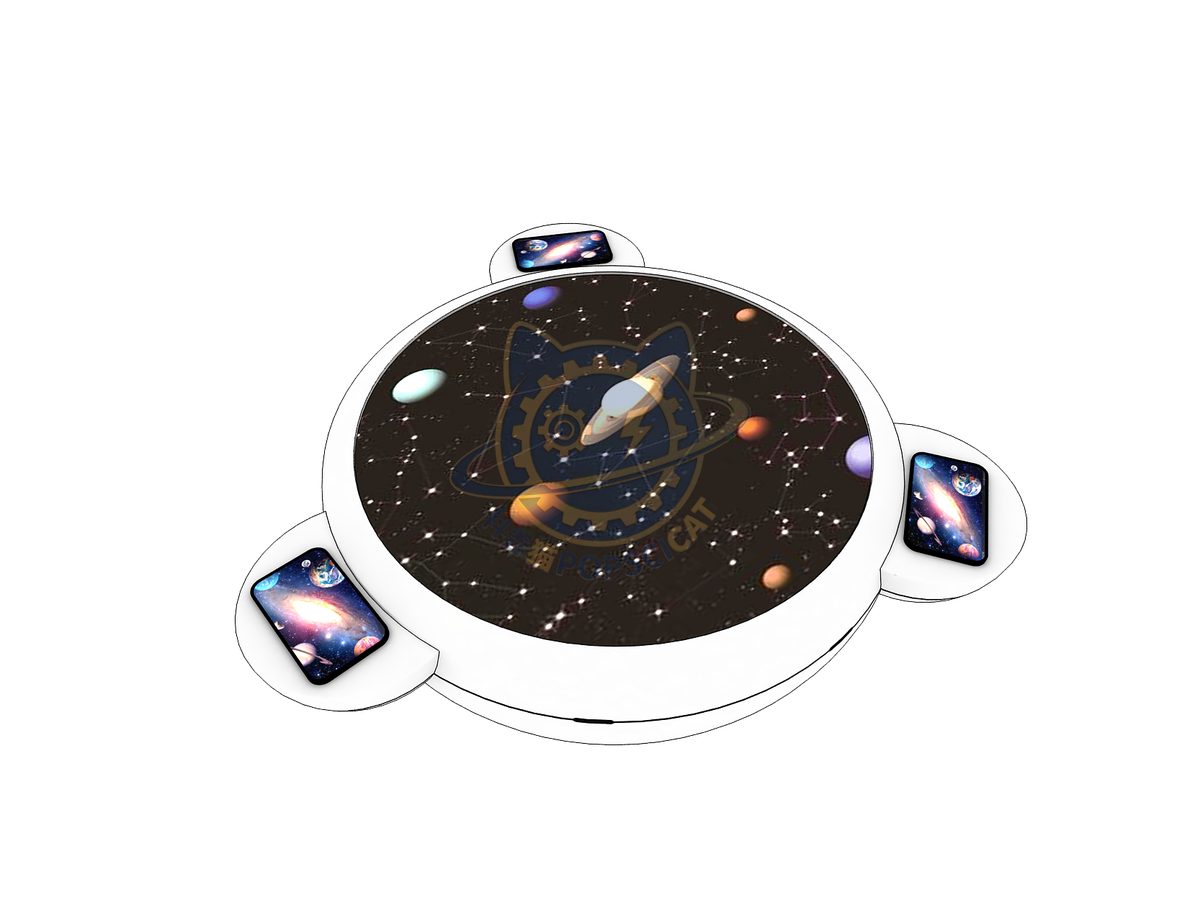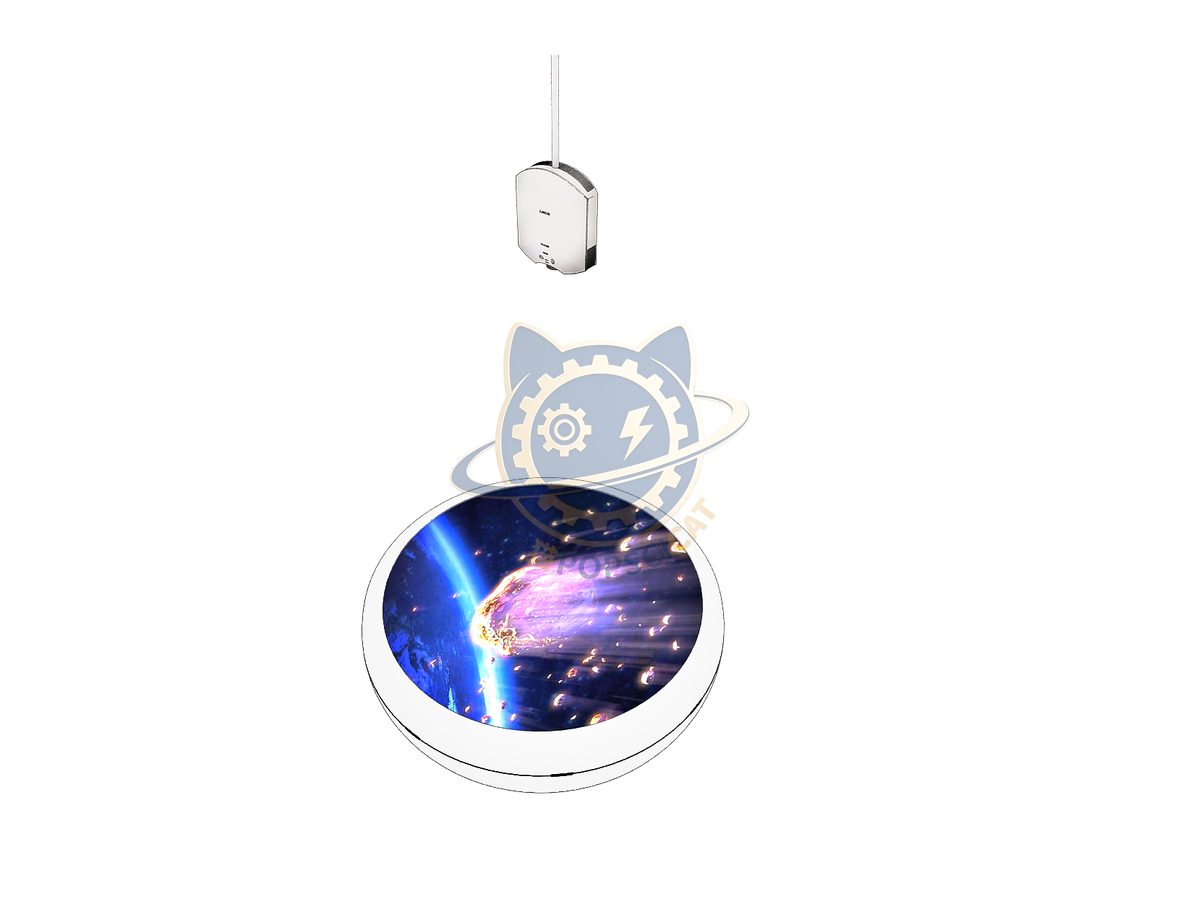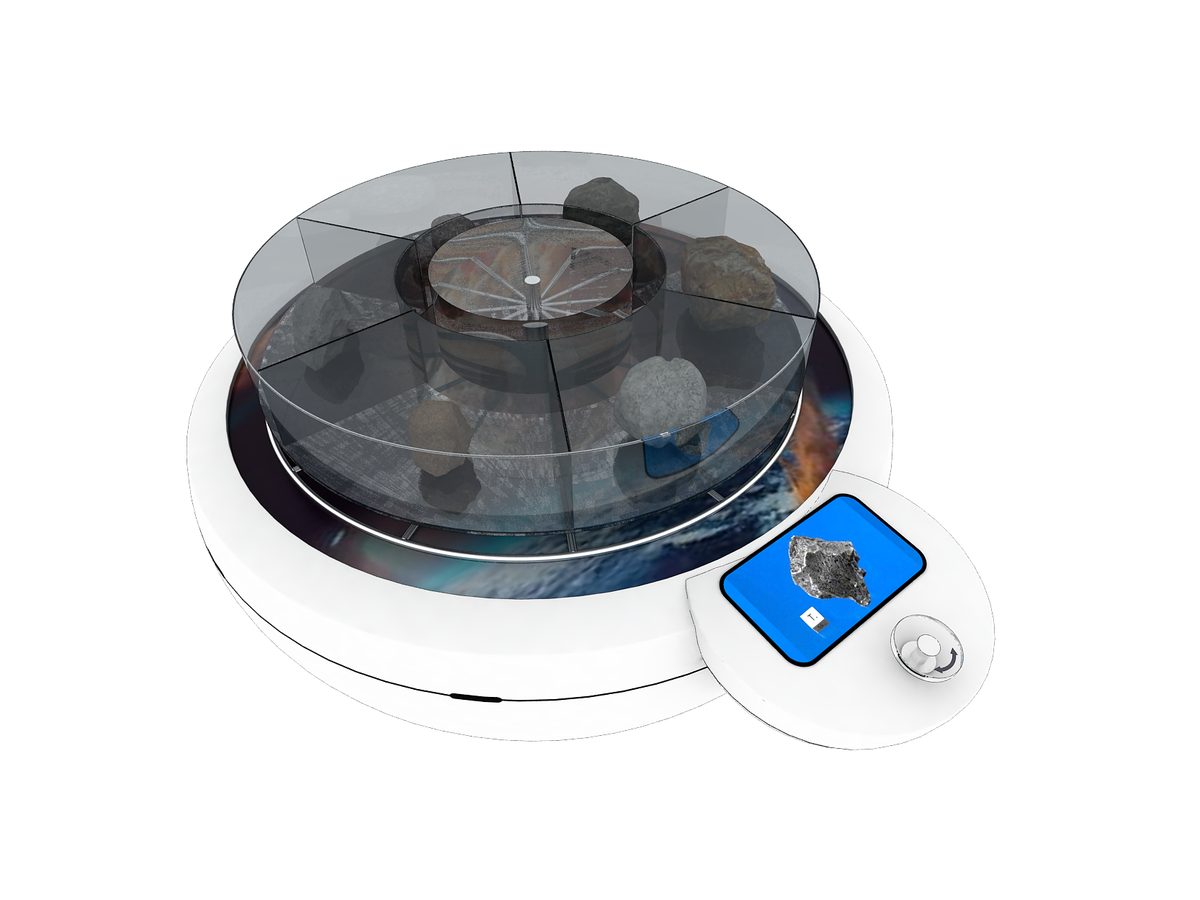
The exhibits display the position of the celestial eye in the world's radio telescopes through sand tables and touch…
| Category | Aerospace & Astronomy |
|---|---|
| Topic | Engineering landmarks |
| Model code | ZZKJG-3F-01-18 |
| Standard size | 5000 x 3500 x 3000 mm |
| Supply | Single unit or batch · OEM to your drawing |
| Lead time | Standard 4–8 weeks after deposit (confirmed per contract) |
| Warranty | 2 years, structure and control |
| Documents | Specification sheet · control diagram · spare-part list |
A standard catalogue model: the dimensions, control package and finish are fixed, which is what keeps the price and the lead time predictable. Size, colour and interface language can be adapted without a new design cycle.
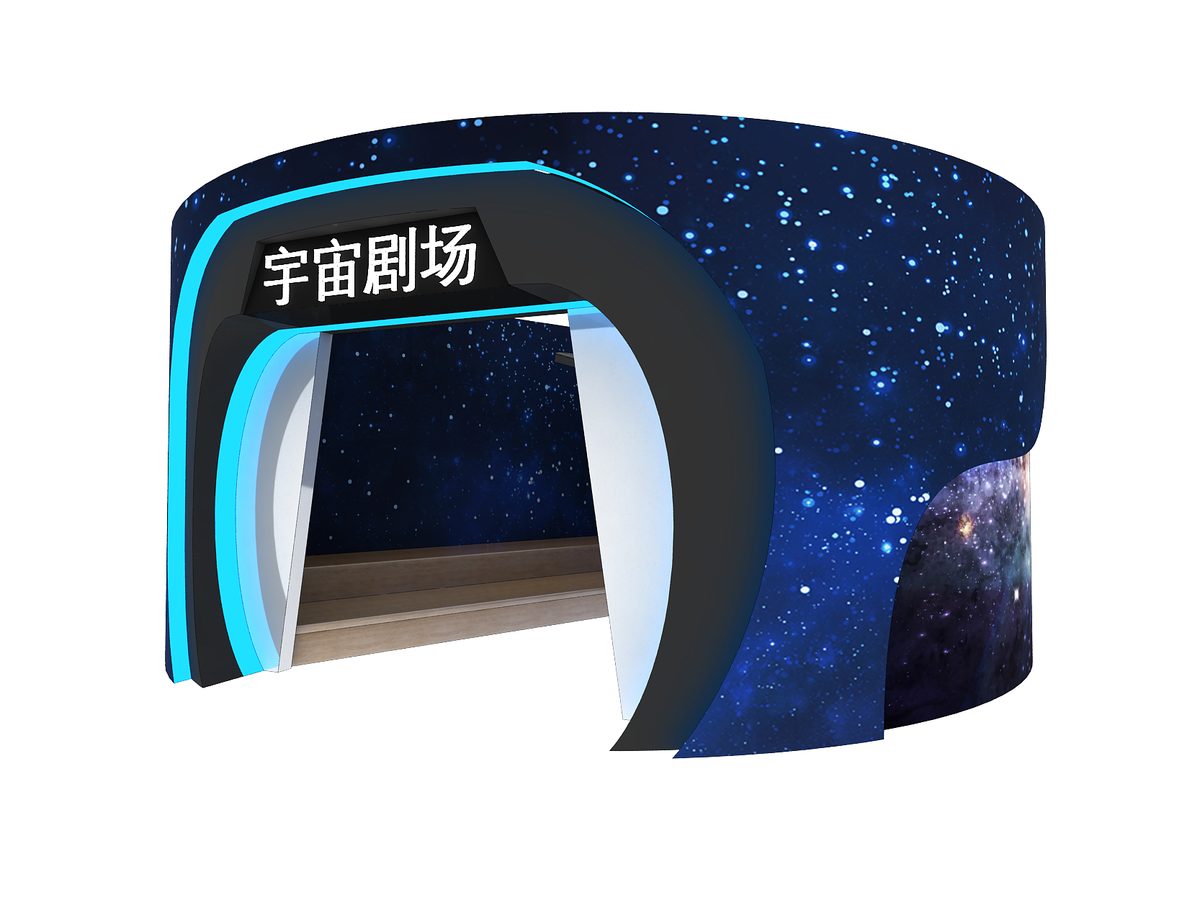
The exhibits display the position of the celestial eye in the world's radio telescopes through sand tables and touch operated multimedia playback, and explain the technical difficulties in the construction process, as well as the scientific research contributions after construction.
The unit is designed for unsupervised public use: controls are recessed or shielded, moving parts are enclosed, and the interface is operable by a child of about six with no instruction. Where a screen is used, the language can be switched without changing the hardware, and the content can be replaced on site.
The 500 meter aperture spherical radio telescope is known as the "Chinese Eye". It was proposed by Chinese astronomer Mr. Nan Rendong in 1994 and took 22 years to build. It was completed and put into use on September 25, 2016. It is the largest single aperture and most sensitive radio telescope in the world, with independent intellectual property rights in China and led by the National Astronomical Observatory of the Chinese Academy of Sciences. The overall performance is ten times that of the famous radio telescope Arecibo. On January 11, 2020, the 500 meter aperture spherical radio telescope passed national acceptance and was put into official operation. As of March 29, 2021, the 500 meter aperture spherical radio telescope has discovered over 300 pulsars. FAST cable net is the longest span and highest precision cable net structure in the world, and it is also the first cable net system in the world to adopt a displacement working method. The technical difficulty is self-evident, and the technical challenges that need to be overcome run through the entire process of designing, manufacturing, and installing the cable net. only with.
Every unit leaves the factory after a running test: mechanisms cycled, electronics burned in, edges dressed, fixings torqued and marked. Wear parts — bearings, sliders, lamps, belts, touch panels — are modular and listed on the spare-part sheet, so a venue technician can replace them without returning the exhibit. Crating is plywood with foam blocking; the loading plan and packing list travel with the shipment.
Other models from the Aerospace & Astronomy line, all held to the same specification and the same control package.
ZZKJG-6F-01-07A curved screen and twelve seats for a six-minute flight.
ZZKJG-6F-01-05Move a planet across the band and watch liquid water survive or boil.
ZZKJG-6F-01-16A comet model whose tail always points away from the light source.
ZZKJG-6F-01-12Real meteorite samples beside a simulated entry trail.
Attach a theme outline, a floor plan, or nothing at all — a photo of the space is enough to start. Quotations are issued against a real exhibit list, not per-square-metre guesses.