The extravehicular spacesuit is a miniature spacecraft that not only has all the functions of an in cabin spacesuit,…
| Category | Aerospace & Astronomy |
|---|---|
| Standard size | Custom size |
| Supply | Single unit or batch · OEM to your drawing |
| Lead time | Standard 4–8 weeks after deposit (confirmed per contract) |
| Warranty | 1 year, structure and control |
| Documents | Specification sheet · control diagram · spare-part list |
A standard catalogue model: the dimensions, control package and finish are fixed, which is what keeps the price and the lead time predictable. Size, colour and interface language can be adapted without a new design cycle.
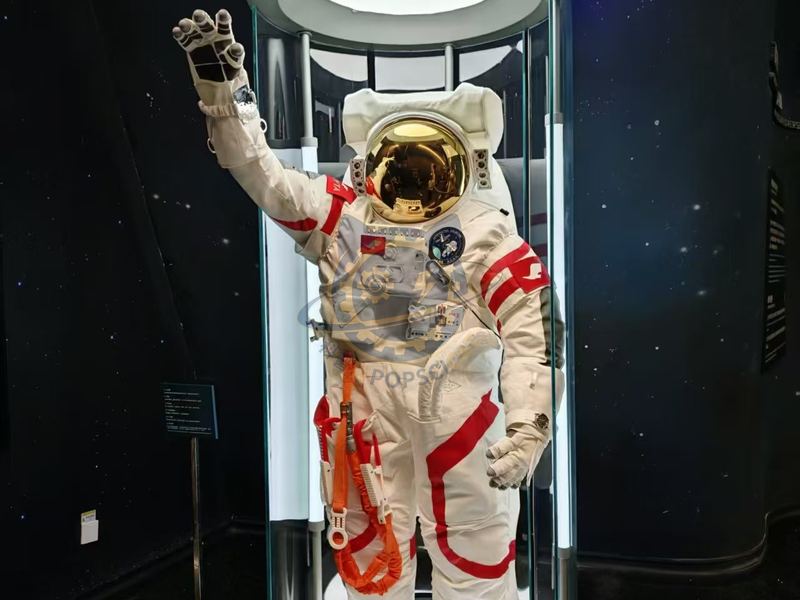
The extravehicular spacesuit is a miniature spacecraft that not only has all the functions of an in cabin spacesuit, but also adds functions such as radiation protection, insulation, micrometeorite protection, and UV protection. A liquid cooling system (liquid cooling suit) is added to the clothing. The second-generation "Feitian" extravehicular suit developed by China weighs about 130 kilograms and costs about 30 million yuan. The second generation product adopts a semi-rigid structure, with a single discharge capacity of more than 8 hours, and an extended service life of "4 years and 20 times". The joints are more flexible through airtight bearings. The helmet is equipped with a gold-plated filter window, and the life support system is integrated into the back "backpack", which can support multiple generations of astronauts' extravehicular operations. This model 1:1 reproduces the appearance characteristics of the second-generation "Feitian" extravehicular service. 01 Reflective mirror is used to expand the field of view of astronauts, allowing them to view the mirror markings on their spacesuits through mirror reflection, thereby obtaining forward readable operational information. 02 Reflection effect on the outer layer of the window.
The unit is designed for unsupervised public use: controls are recessed or shielded, moving parts are enclosed, and the interface is operable by a child of about six with no instruction. Where a screen is used, the language can be switched without changing the hardware, and the content can be replaced on site.
Every unit leaves the factory after a running test: mechanisms cycled, electronics burned in, edges dressed, fixings torqued and marked. Wear parts — bearings, sliders, lamps, belts, touch panels — are modular and listed on the spare-part sheet, so a venue technician can replace them without returning the exhibit. Crating is plywood with foam blocking; the loading plan and packing list travel with the shipment.
Other models from the Aerospace & Astronomy line, all held to the same specification and the same control package.

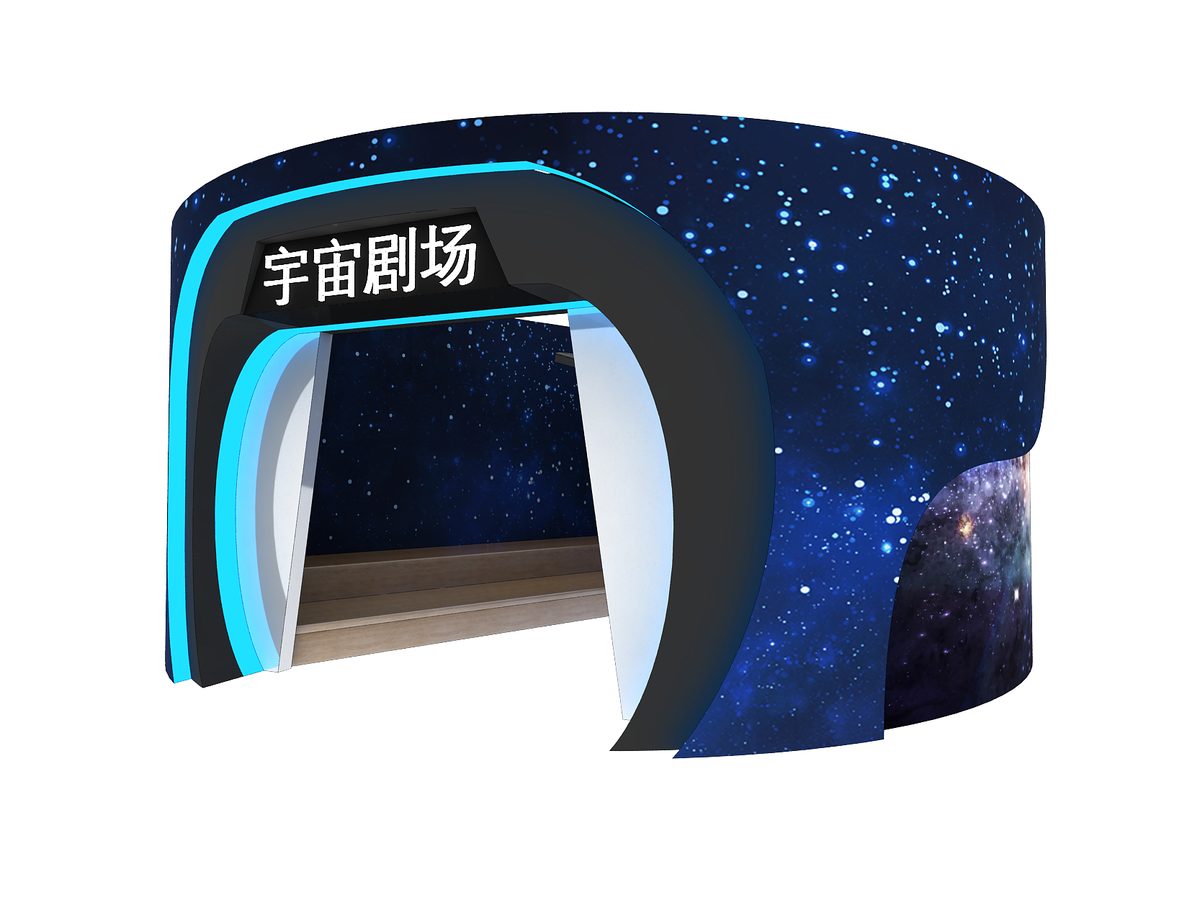
A curved screen and twelve seats for a six-minute flight.

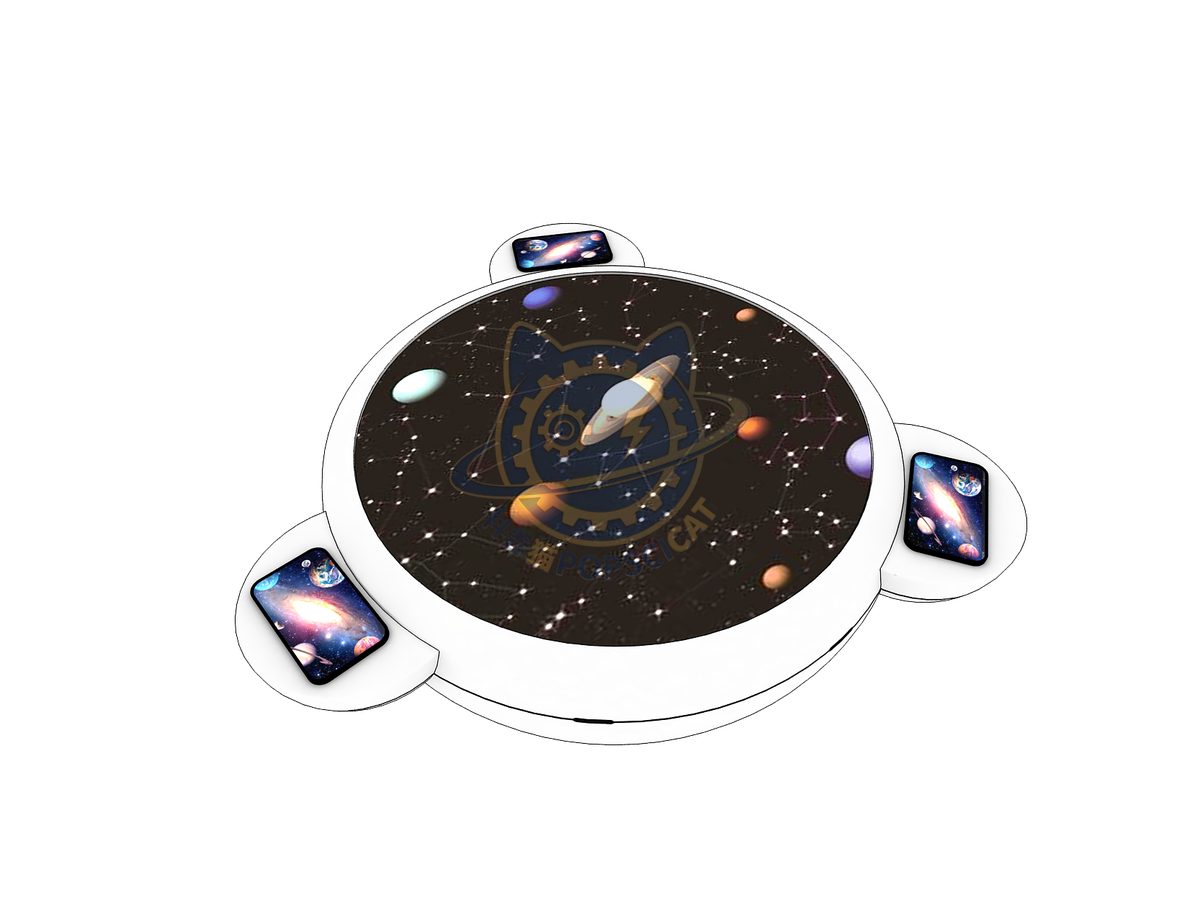
Move a planet across the band and watch liquid water survive or boil.

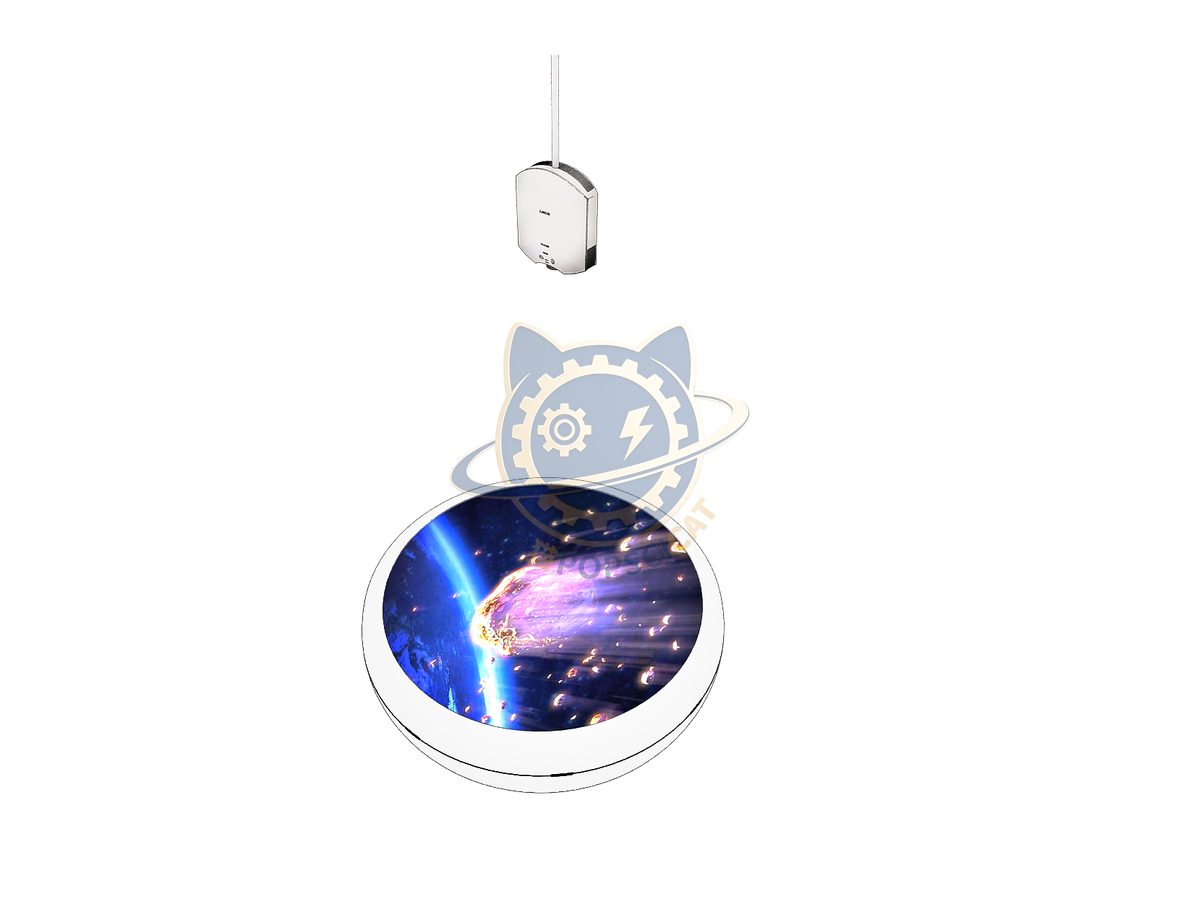
A comet model whose tail always points away from the light source.

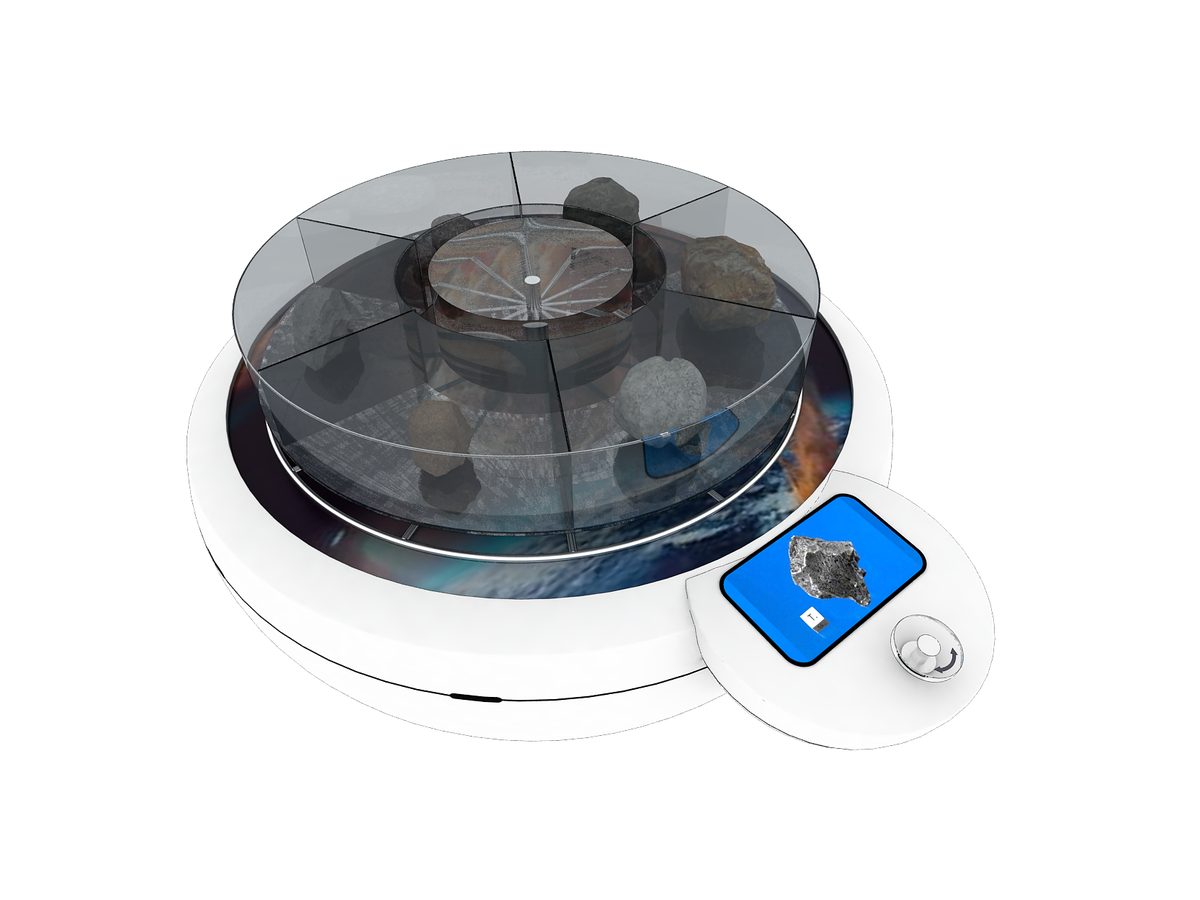
Real meteorite samples beside a simulated entry trail.
Attach a theme outline, a floor plan, or nothing at all — a photo of the space is enough to start. Quotations are issued against a real exhibit list, not per-square-metre guesses.
Scan to add us