Home/Exhibits/Aerospace & Astronomy/Gravitational lensing effect

Gravitational lensing effect

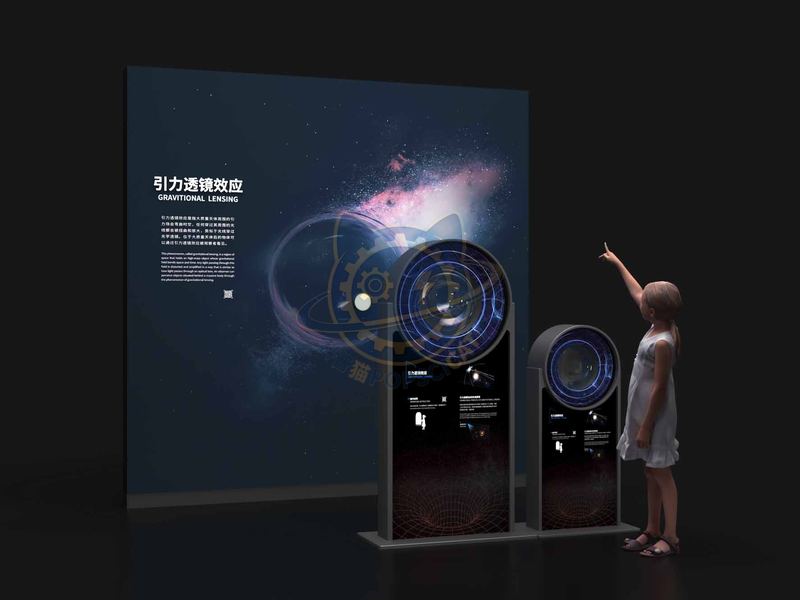
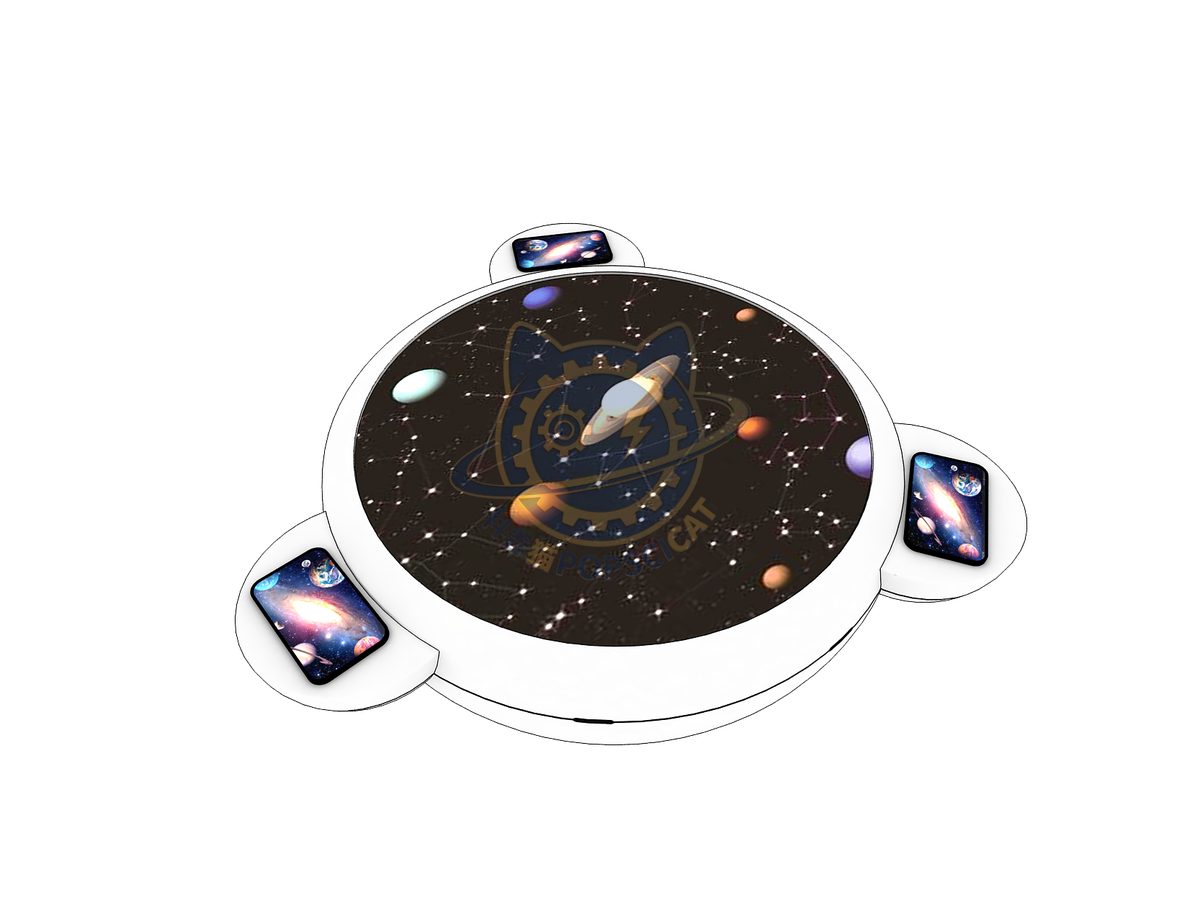
The gravitational lensing effect refers to the phenomenon where the gravitational field around a massive celestial…

Gravitational lensing effect — Aerospace & Astronomy exhibit for science museums
Reference image
CategoryAerospace & Astronomy
Standard sizeCustom size
SupplySingle unit or batch · OEM to your drawing
Lead timeStandard 4–8 weeks after deposit (confirmed per contract)
Warranty1 year, structure and control
DocumentsSpecification sheet · control diagram · spare-part list

A standard catalogue model: the dimensions, control package and finish are fixed, which is what keeps the price and the lead time predictable. Size, colour and interface language can be adapted without a new design cycle.
Ask about this model → Email us
01 / Overview

The gravitational lensing effect refers to the phenomenon where the gravitational field around a massive celestial body bends spacetime, causing any light passing through its surroundings to be distorted and magnified, similar to how light passes through an optical lens. Objects located behind massive celestial bodies can be seen by observers through the gravitational lensing effect.

02 / How visitors use it

The unit is designed for unsupervised public use: controls are recessed or shielded, moving parts are enclosed, and the interface is operable by a child of about six with no instruction. Where a screen is used, the language can be switched without changing the hardware, and the content can be replaced on site.

03 / The science behind it

Gravitational lensing is a phenomenon in which the gravitational field generated by celestial bodies deflects light. According to Einstein's theory of general relativity, the mass of a celestial body causes the surrounding spacetime to bend, resulting in the deflection of light passing through its vicinity. This phenomenon is similar to the refraction of light by a lens, hence it is called a gravitational lens. Gravitational lensing has a wide range of applications in astronomical research, including measuring stellar distances, detecting dark matter, and observing cosmic background radiation.

04 / Built for a public floor

Every unit leaves the factory after a running test: mechanisms cycled, electronics burned in, edges dressed, fixings torqued and marked. Wear parts — bearings, sliders, lamps, belts, touch panels — are modular and listed on the spare-part sheet, so a venue technician can replace them without returning the exhibit. Crating is plywood with foam blocking; the loading plan and packing list travel with the shipment.

Same category

More in Aerospace & Astronomy

Other models from the Aerospace & Astronomy line, all held to the same specification and the same control package.

Start a project

Send us your exhibit list.
We will come back with a price.

Attach a theme outline, a floor plan, or nothing at all — a photo of the space is enough to start. Quotations are issued against a real exhibit list, not per-square-metre guesses.

WeChat QR code — scan to message us Scan to add us
on WeChat