The Tiangong Space Station is a national level space laboratory independently built by China.
| Category | Aerospace & Astronomy |
|---|---|
| Standard size | Custom size |
| Supply | Single unit or batch · OEM to your drawing |
| Lead time | Standard 4–8 weeks after deposit (confirmed per contract) |
| Warranty | 1 year, structure and control |
| Documents | Specification sheet · control diagram · spare-part list |
A standard catalogue model: the dimensions, control package and finish are fixed, which is what keeps the price and the lead time predictable. Size, colour and interface language can be adapted without a new design cycle.
The Tiangong Space Station is a national level space laboratory independently built by China. It consists of three main modules: the Tianhe core module, the Wentian experimental module, and the Mengtian experimental module, as well as the Tianzhou cargo spacecraft and the Shenzhou manned spacecraft, with a total weight of over 100 tons. The Tianhe core module is the management and control center, supporting long-term residency and extravehicular activities of astronauts; The Wentian experimental module focuses on life science research and provides a living area for astronauts; The Mengtian experimental module is dedicated to microgravity science experiments, supporting research in fluid physics, materials science, and other fields, and jointly building a multifunctional space research platform. The Tianhe core module, with a total length of 16.6 meters, is divided into a node module, a life control module (large column section and small column section), and a resource module. The large column section has a diameter of 4.2 meters and is mainly used to control the flight attitude, internal environment, and overall operation management of the space station. The small column section has a diameter of about 2.8 meters and is a space for astronauts to live and rest. The scene model is built on a 1:1 scale based on the Tianhe core module. To showcase the space station.
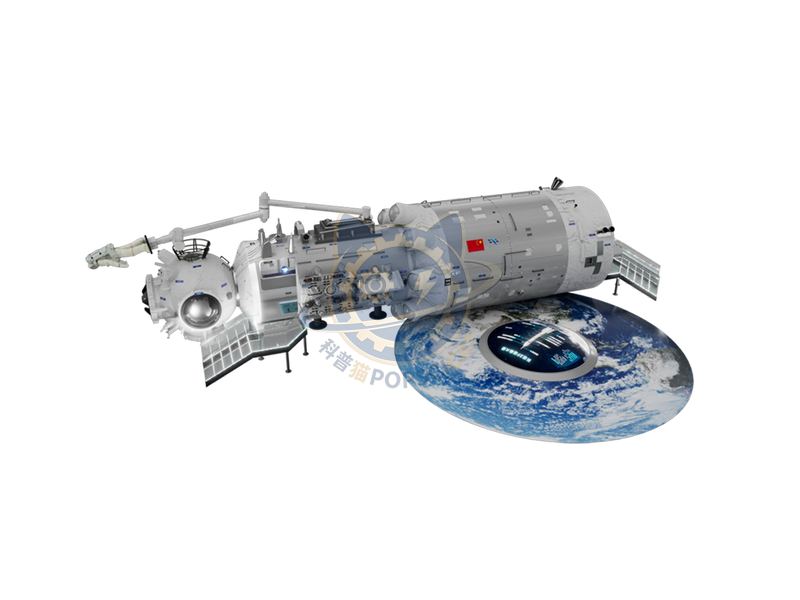
The unit is designed for unsupervised public use: controls are recessed or shielded, moving parts are enclosed, and the interface is operable by a child of about six with no instruction. Where a screen is used, the language can be switched without changing the hardware, and the content can be replaced on site.
The future plan for China's space station is very ambitious, as it will form a space station combination consisting of "three major modules" and "three spacecraft". This includes Tianhe core module, Tianwen experimental module, Mengtian experimental module, as well as Tianzhou 5 cargo spaceship, Shenzhou XIV and Shenzhou 15 manned spaceships. The total weight of this combination will exceed 100 tons. The Tianhe core module is the management and control center of China's space station, which not only supports the long-term in orbit stay of astronauts, but also facilitates their extravehicular activities and ensures the conduct of space science experiments. The core module is equipped with work areas, sleeping areas, hygiene areas, dining areas, medical supervision and insurance areas, and exercise areas, providing astronauts with comfortable and good working and living conditions. The Wentian experimental module is mainly aimed at space life science research and is equipped with scientific experimental cabinets such as life ecology experimental cabinets and biotechnology experimental cabinets. It also serves as a functional backup for the Tianhe core module and is executed by astronauts.
Every unit leaves the factory after a running test: mechanisms cycled, electronics burned in, edges dressed, fixings torqued and marked. Wear parts — bearings, sliders, lamps, belts, touch panels — are modular and listed on the spare-part sheet, so a venue technician can replace them without returning the exhibit. Crating is plywood with foam blocking; the loading plan and packing list travel with the shipment.
Other models from the Aerospace & Astronomy line, all held to the same specification and the same control package.

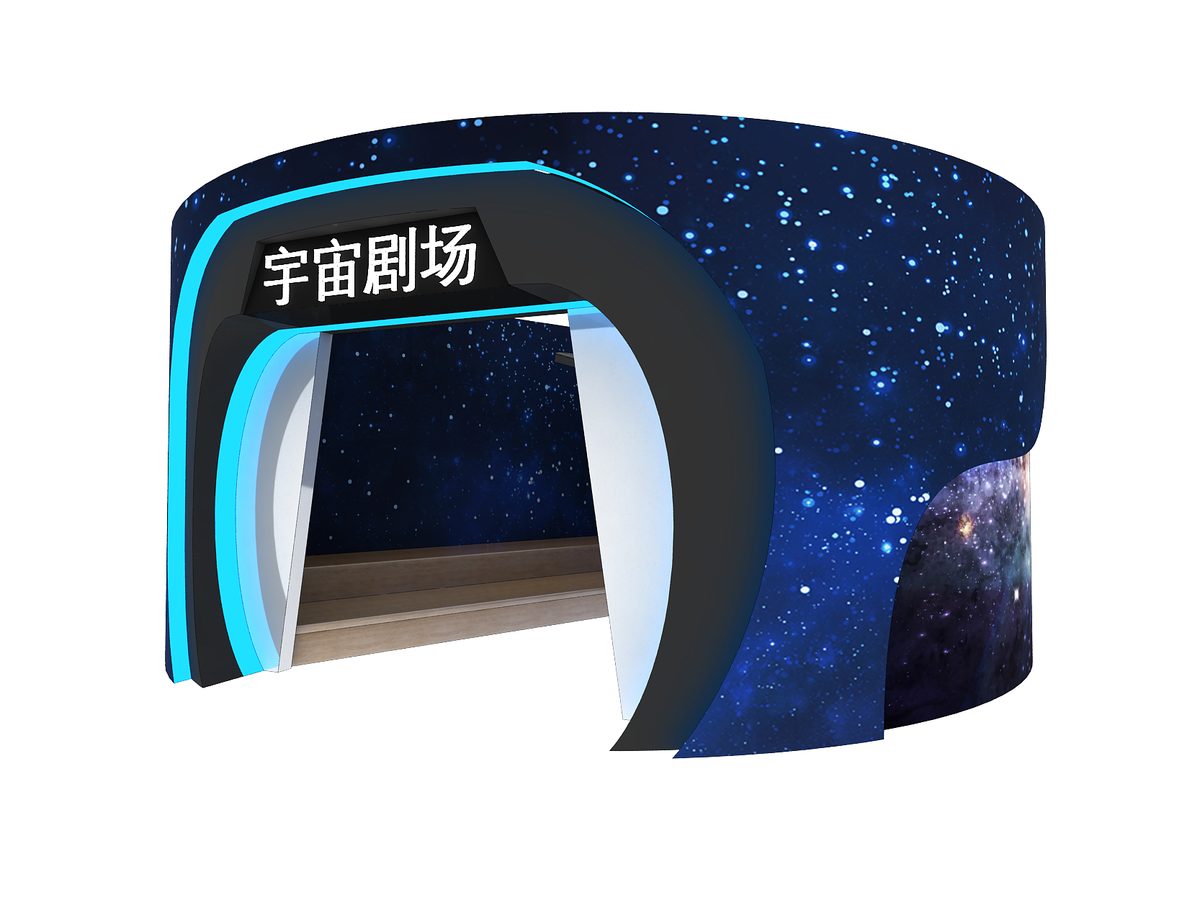
A curved screen and twelve seats for a six-minute flight.

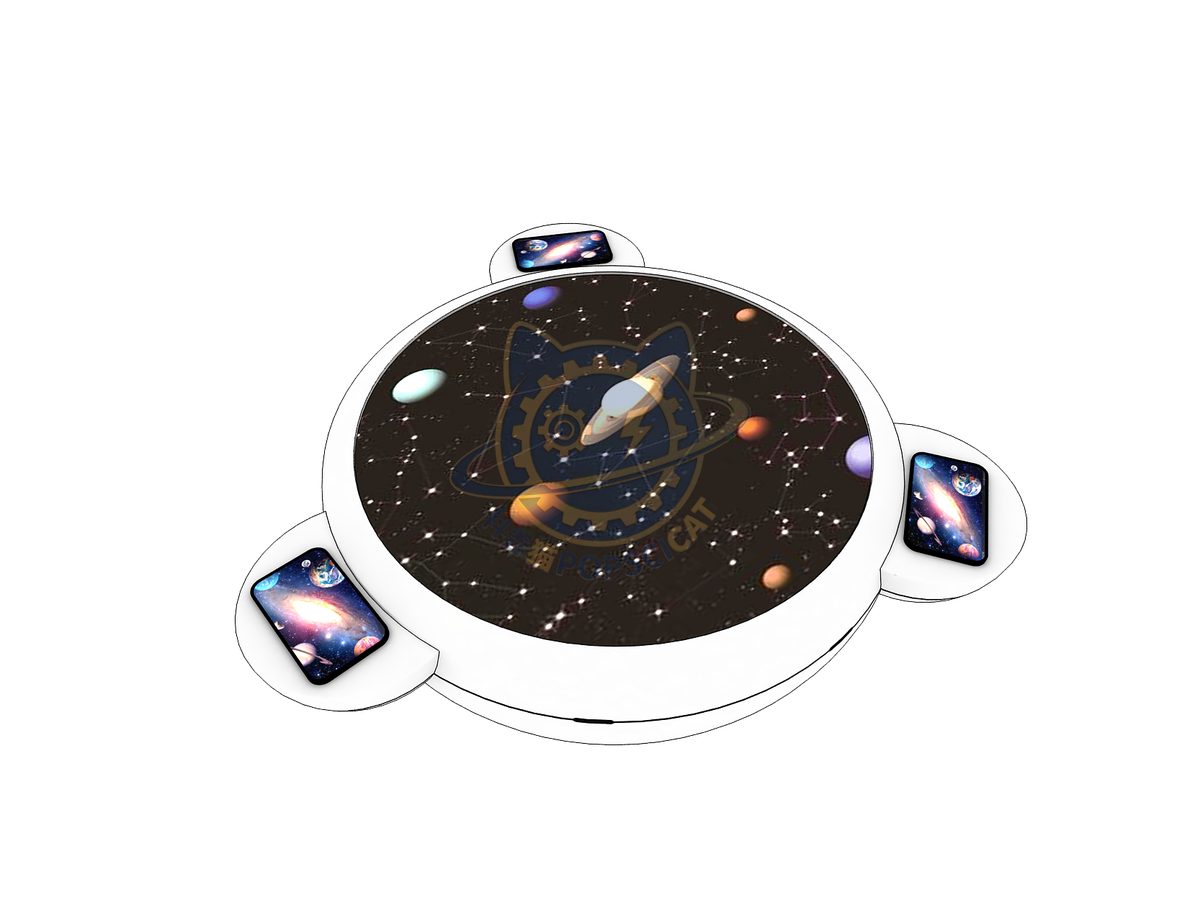
Move a planet across the band and watch liquid water survive or boil.

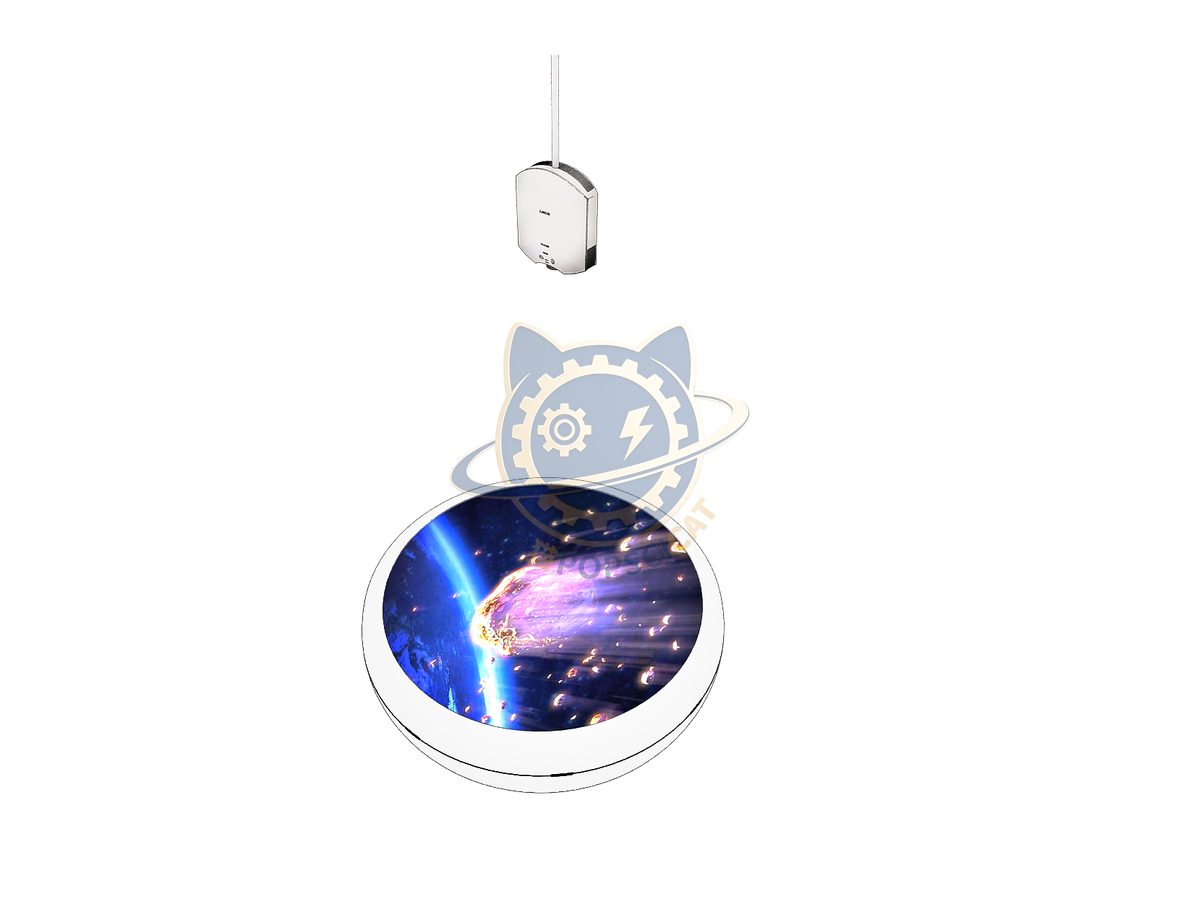
A comet model whose tail always points away from the light source.

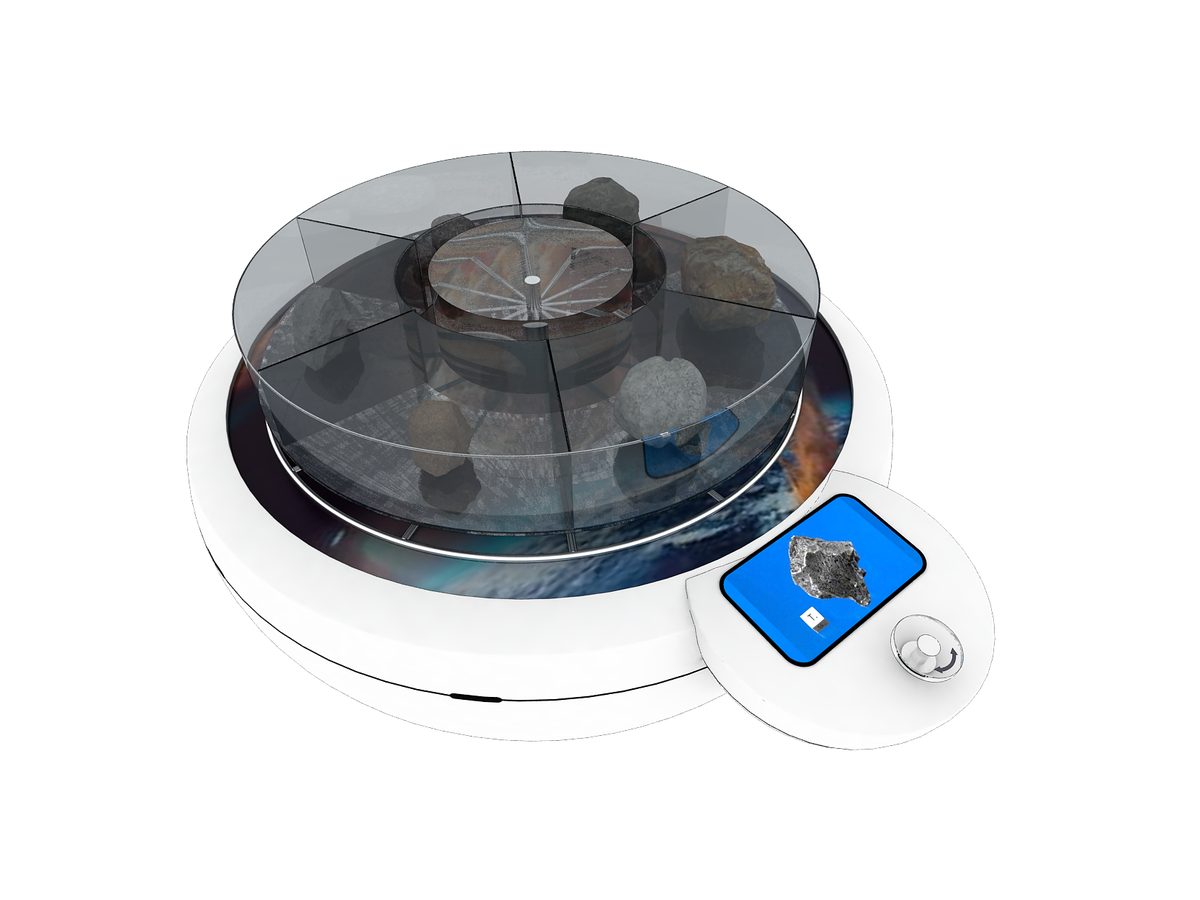
Real meteorite samples beside a simulated entry trail.
Attach a theme outline, a floor plan, or nothing at all — a photo of the space is enough to start. Quotations are issued against a real exhibit list, not per-square-metre guesses.
Scan to add us