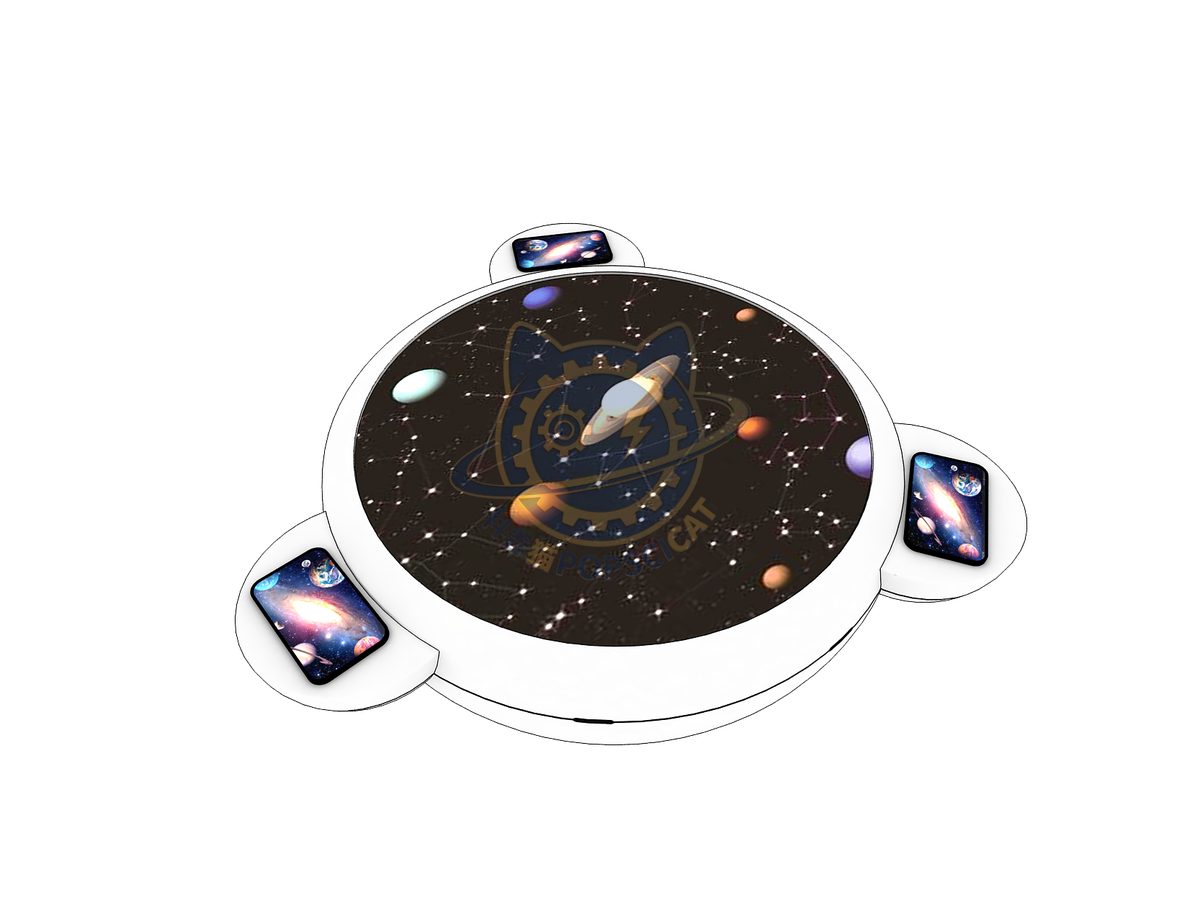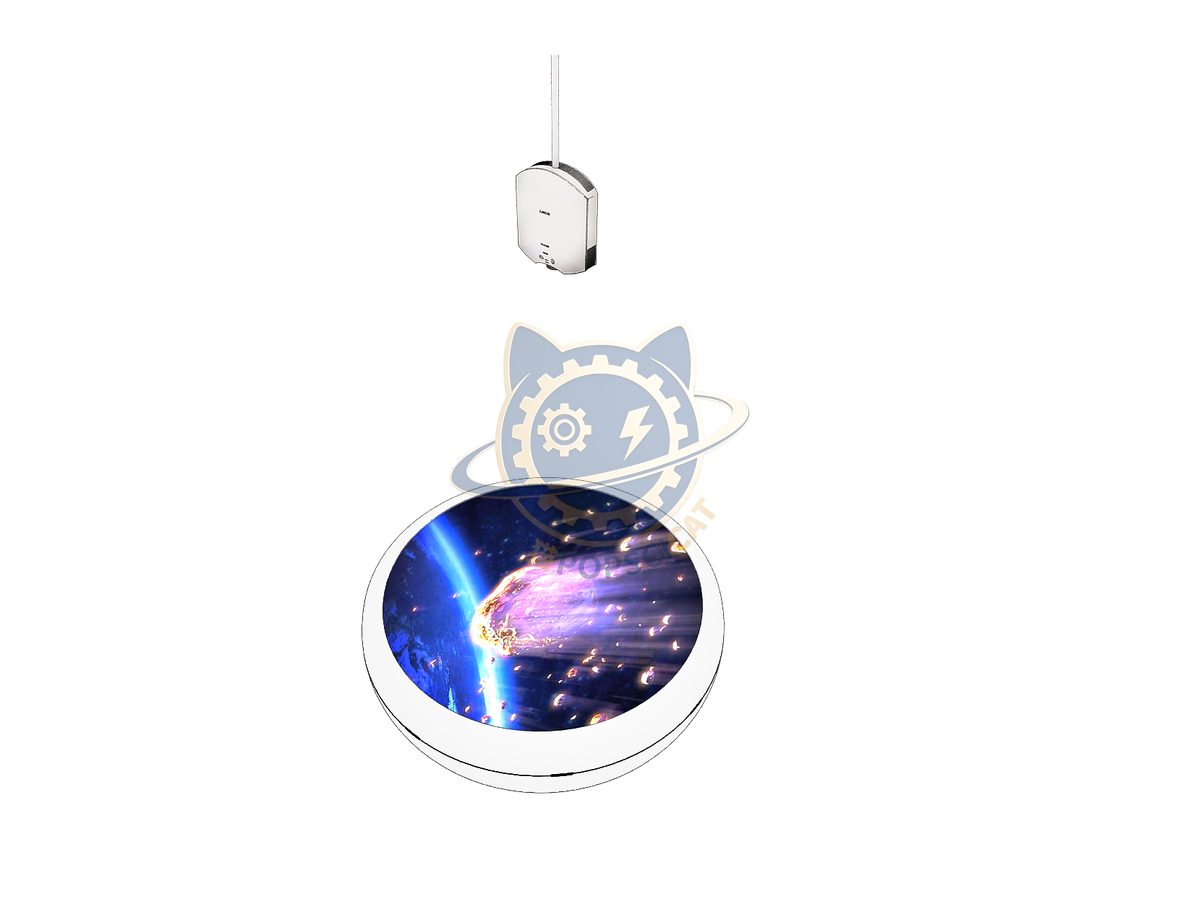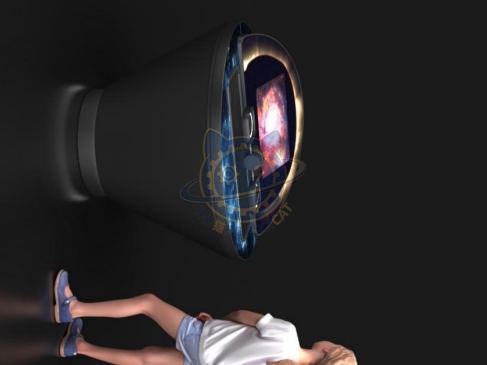
Astronomers can calculate the mass of stars and nebulae by their brightness, and then add up the mass of all stars…
| Category | Aerospace & Astronomy |
|---|---|
| Standard size | Custom size |
| Supply | Single unit or batch · OEM to your drawing |
| Lead time | Standard 4–8 weeks after deposit (confirmed per contract) |
| Warranty | 1 year, structure and control |
| Documents | Specification sheet · control diagram · spare-part list |
A standard catalogue model: the dimensions, control package and finish are fixed, which is what keeps the price and the lead time predictable. Size, colour and interface language can be adapted without a new design cycle.
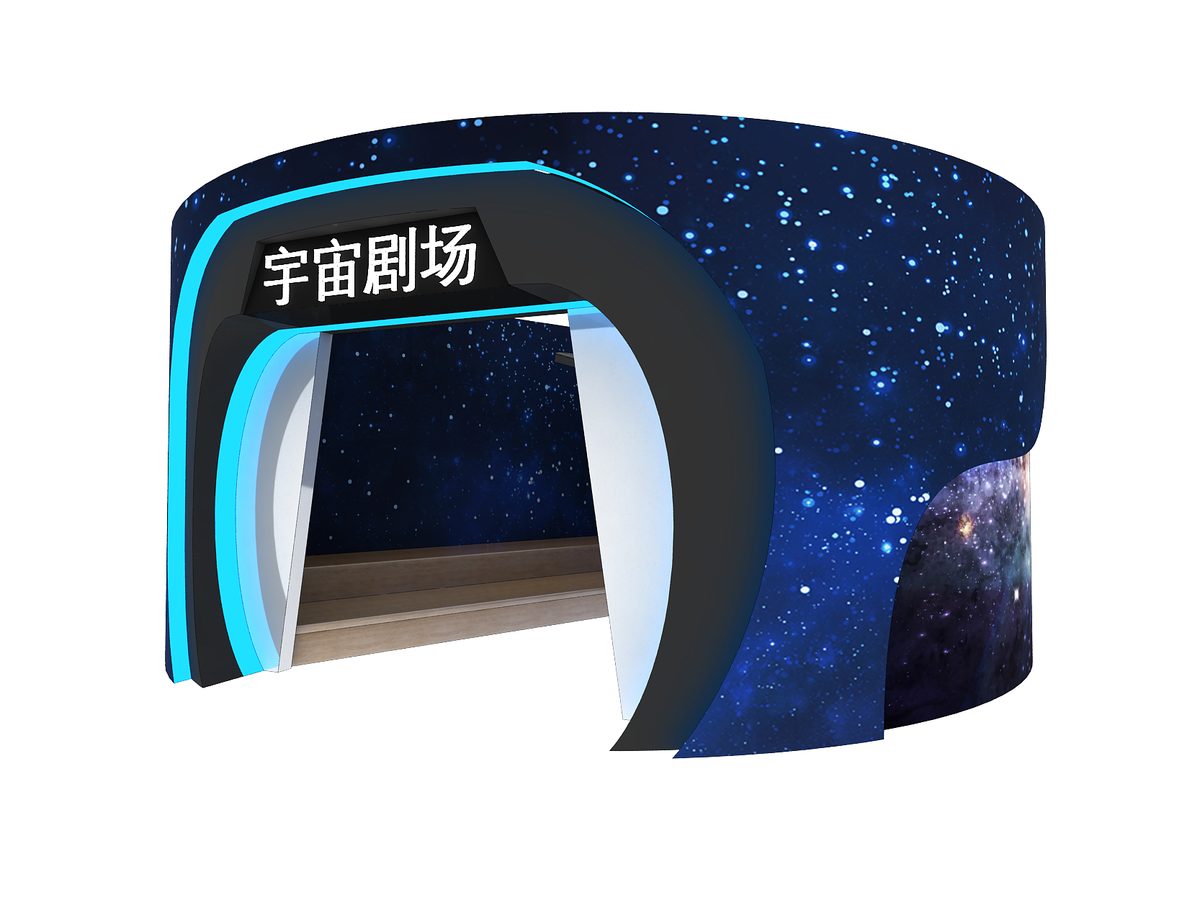
Astronomers can calculate the mass of stars and nebulae by their brightness, and then add up the mass of all stars in the galaxy to obtain its optical mass. Astronomers can also calculate the mass of a galaxy based on Newton's law of universal gravitation by observing the orbital velocity of stars in the galaxy, which is the kinematic mass of the galaxy. When astronomers compare the kinematic mass and optical mass of a galaxy, they find that the kinematic mass of the galaxy is much greater than its optical mass. Therefore, they speculate that there may be some non luminous but massive matter in the galaxy, which is dark matter.
The unit is designed for unsupervised public use: controls are recessed or shielded, moving parts are enclosed, and the interface is operable by a child of about six with no instruction. Where a screen is used, the language can be switched without changing the hardware, and the content can be replaced on site.
Just as stars gather to form galaxies under the influence of gravity, galaxies also cluster together to form larger galaxy clusters due to gravity. By observing the brightness and motion of each galaxy in a galaxy cluster, people can calculate the mass of the entire galaxy cluster. There are mainly two methods: (1) inferring the mass of the galaxy cluster based on the number of galaxies in the cluster and the overall luminosity, which is called "luminosity mass". (2) Measuring the motion velocity of a large number of galaxies in a galaxy cluster, the mass of the galaxy cluster can be calculated through gravity theory based on the degree of velocity dispersion. The mass obtained by this method is called "dynamic mass". If the majority of the matter in a galaxy cluster is luminous, then these two masses should be comparable. However, in the 1930s, astronomers Zwicky and Smith discovered something incredible: the luminosity mass of certain galaxy clusters was actually much smaller than their dynamic mass.
Every unit leaves the factory after a running test: mechanisms cycled, electronics burned in, edges dressed, fixings torqued and marked. Wear parts — bearings, sliders, lamps, belts, touch panels — are modular and listed on the spare-part sheet, so a venue technician can replace them without returning the exhibit. Crating is plywood with foam blocking; the loading plan and packing list travel with the shipment.
Other models from the Aerospace & Astronomy line, all held to the same specification and the same control package.

A curved screen and twelve seats for a six-minute flight.

Move a planet across the band and watch liquid water survive or boil.

A comet model whose tail always points away from the light source.

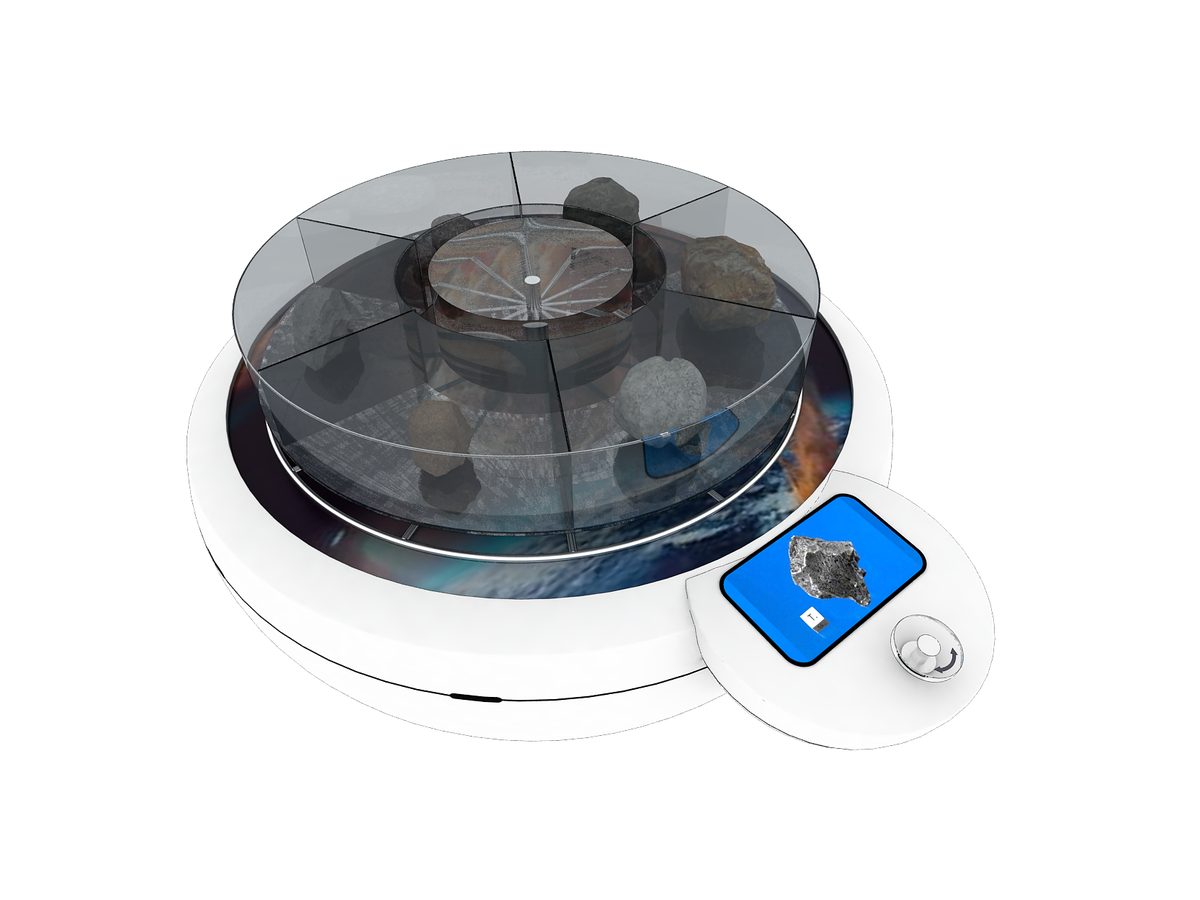
Real meteorite samples beside a simulated entry trail.
Attach a theme outline, a floor plan, or nothing at all — a photo of the space is enough to start. Quotations are issued against a real exhibit list, not per-square-metre guesses.
Scan to add us