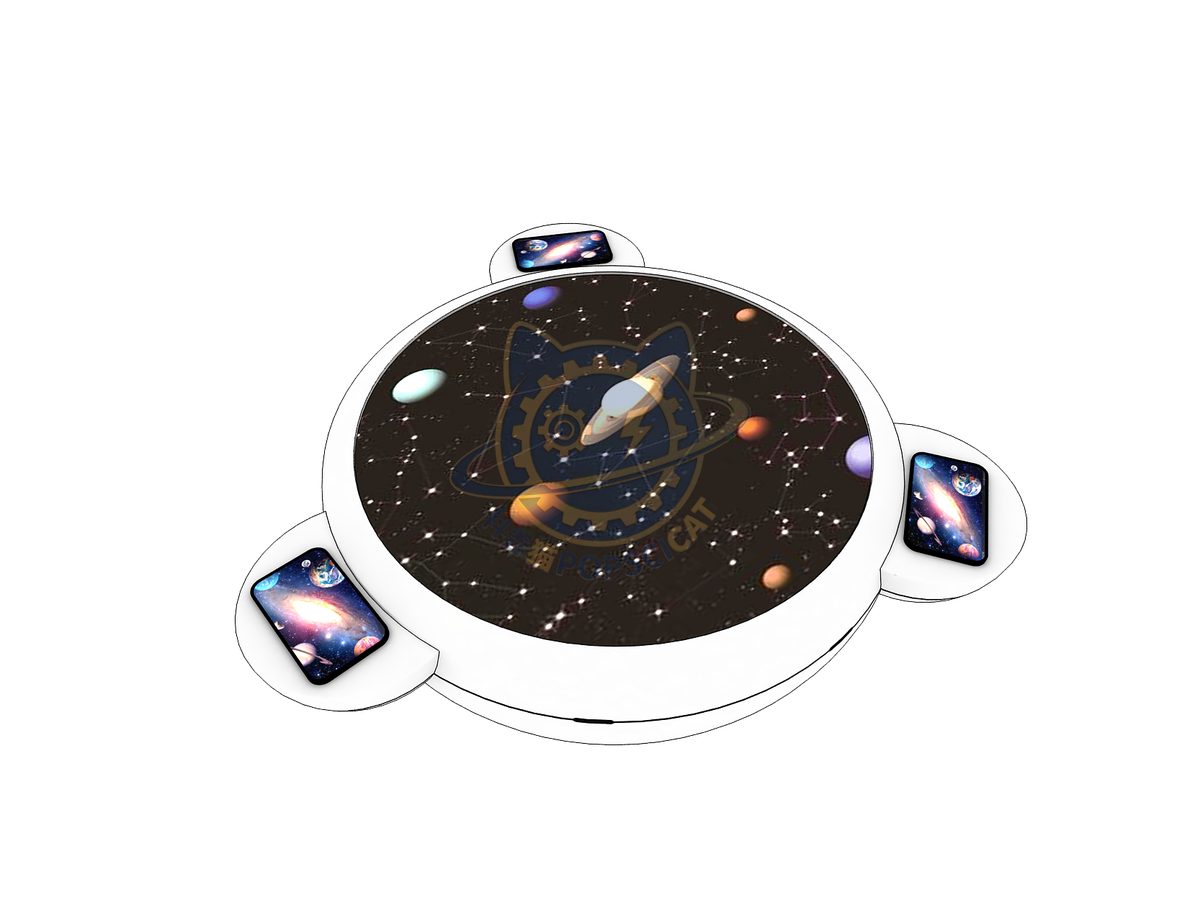
The Neighbor Livable Planet Survey Program uses high-precision celestial measurement and positioning technology at…
| Category | Aerospace & Astronomy |
|---|---|
| Standard size | Custom size |
| Supply | Single unit or batch · OEM to your drawing |
| Lead time | Standard 4–8 weeks after deposit (confirmed per contract) |
| Warranty | 1 year, structure and control |
| Documents | Specification sheet · control diagram · spare-part list |
A standard catalogue model: the dimensions, control package and finish are fixed, which is what keeps the price and the lead time predictable. Size, colour and interface language can be adapted without a new design cycle.
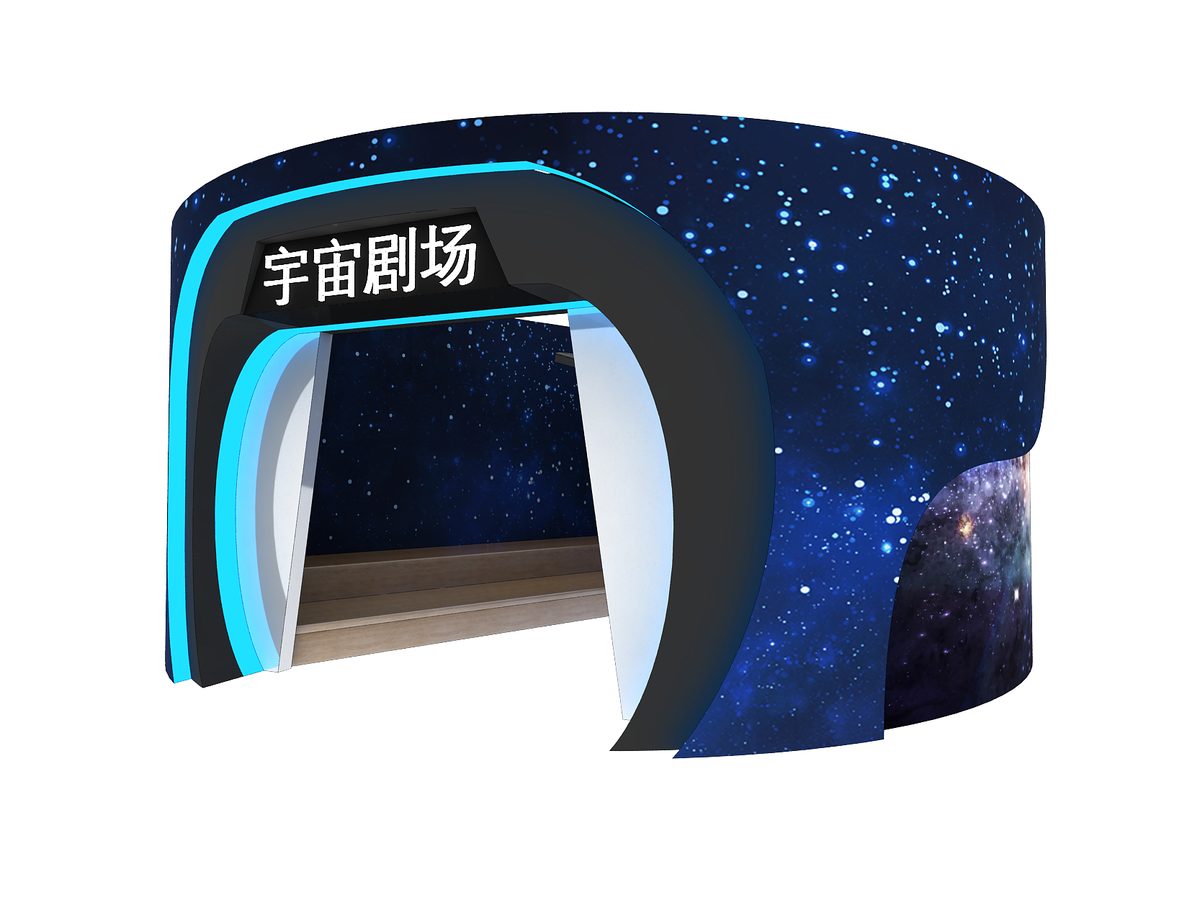
The Neighbor Livable Planet Survey Program uses high-precision celestial measurement and positioning technology at the micro arcsecond level in space to survey about 100 FGK and other types of stars in the solar system's vicinity (within 10 pc, approximately 32.6 light-years), and detect habitable zone terrestrial planets or super Earths; Detailed census of the number, true mass, and three-dimensional orbit of habitable planets. The Miyin Plan is a habitable planet exploration space program proposed by domestic scholars in response to major scientific issues and the strategic needs of building a strong aerospace country. The primary goal is to search for terrestrial planets around nearby stars in the solar system and evaluate their habitability through spectral analysis and other methods, in order to achieve the search for habitable exoplanets outside the solar system and the identification of life signals, thus "finding another Earth and finding human kindred spirits". China plans to launch the "Sound Searching Program" in 2030, using high-precision space telescopes to search for light years between 30 and 65.
The unit is designed for unsupervised public use: controls are recessed or shielded, moving parts are enclosed, and the interface is operable by a child of about six with no instruction. Where a screen is used, the language can be switched without changing the hardware, and the content can be replaced on site.
1. Neighbor Livable Planet Survey Plan: It is expected to launch the "Earth 2.0" satellite towards the Lagrange L2 point of the Sun Earth system around 2026. The six survey telescopes in China's "Earth 2.0" exploration satellite mainly search for exoplanets by detecting small changes in stellar brightness, known as the "transit method" of planets. When a planet passes through the area between the host star and the observation point, the brightness of the host star will periodically decrease. By observing the changes in the brightness of the host star through a telescope and matching it with other observation methods and calculation models, basic information such as the size, mass, and density of exoplanets can be inferred. 2. Seeking Sound Plan: It is expected to be implemented around 2030, launching four collectors and one combiner to the L2 Lagrange point on the Sun Earth. After formation, the aircraft will use optical interferometry technology to obtain high-resolution mid infrared observations, allowing for direct observation.
Every unit leaves the factory after a running test: mechanisms cycled, electronics burned in, edges dressed, fixings torqued and marked. Wear parts — bearings, sliders, lamps, belts, touch panels — are modular and listed on the spare-part sheet, so a venue technician can replace them without returning the exhibit. Crating is plywood with foam blocking; the loading plan and packing list travel with the shipment.
Other models from the Aerospace & Astronomy line, all held to the same specification and the same control package.

A curved screen and twelve seats for a six-minute flight.

Move a planet across the band and watch liquid water survive or boil.

A comet model whose tail always points away from the light source.

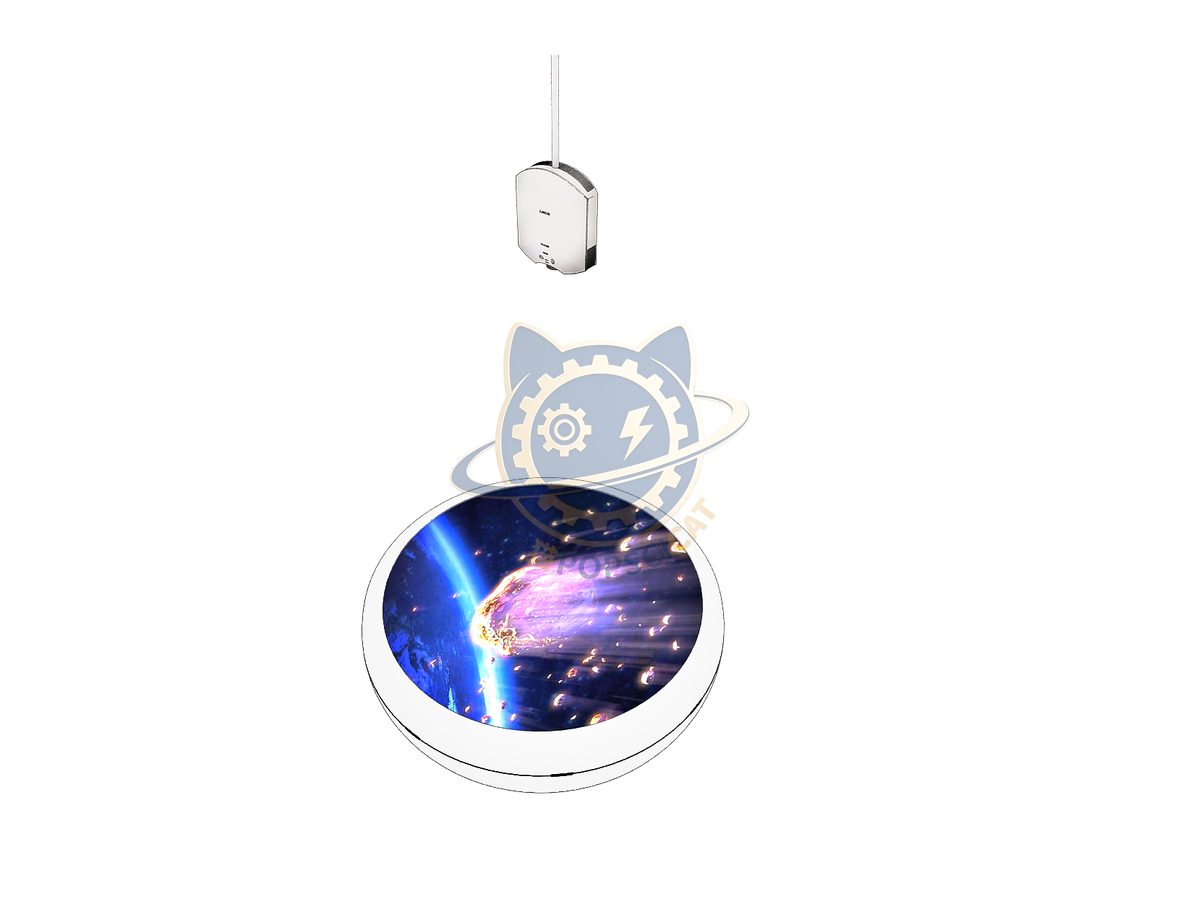
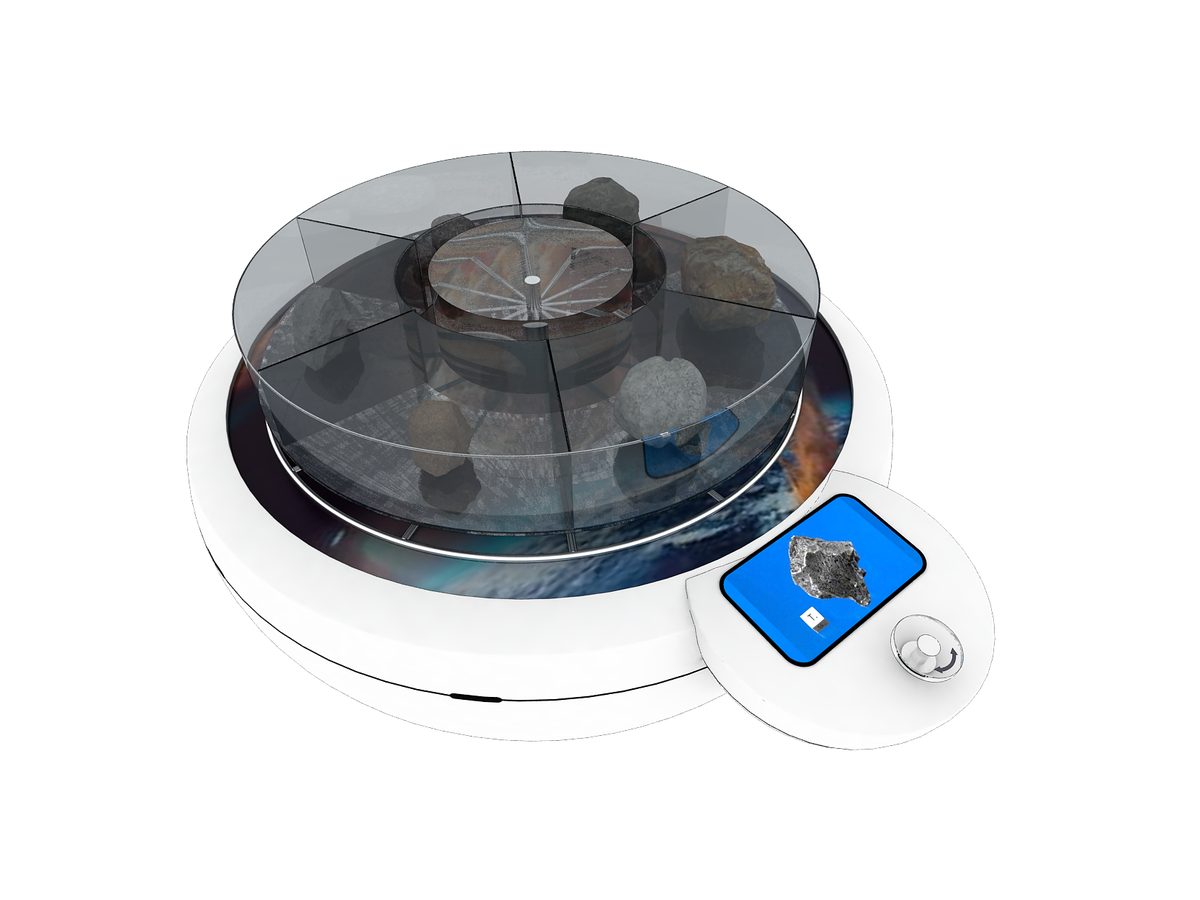
Real meteorite samples beside a simulated entry trail.
Attach a theme outline, a floor plan, or nothing at all — a photo of the space is enough to start. Quotations are issued against a real exhibit list, not per-square-metre guesses.
Scan to add us