Home/Exhibits/Aerospace & Astronomy/Take a photo of a black hole

Take a photo of a black hole

Black holes themselves do not emit light, and their strong gravity makes it difficult for light to escape and be…

Take a photo of a black hole — Aerospace & Astronomy exhibit for science museums
Reference image
CategoryAerospace & Astronomy
Standard sizeCustom size
SupplySingle unit or batch · OEM to your drawing
Lead timeStandard 4–8 weeks after deposit (confirmed per contract)
Warranty1 year, structure and control
DocumentsSpecification sheet · control diagram · spare-part list

A standard catalogue model: the dimensions, control package and finish are fixed, which is what keeps the price and the lead time predictable. Size, colour and interface language can be adapted without a new design cycle.

Ask about this model → Email us
01 / Overview

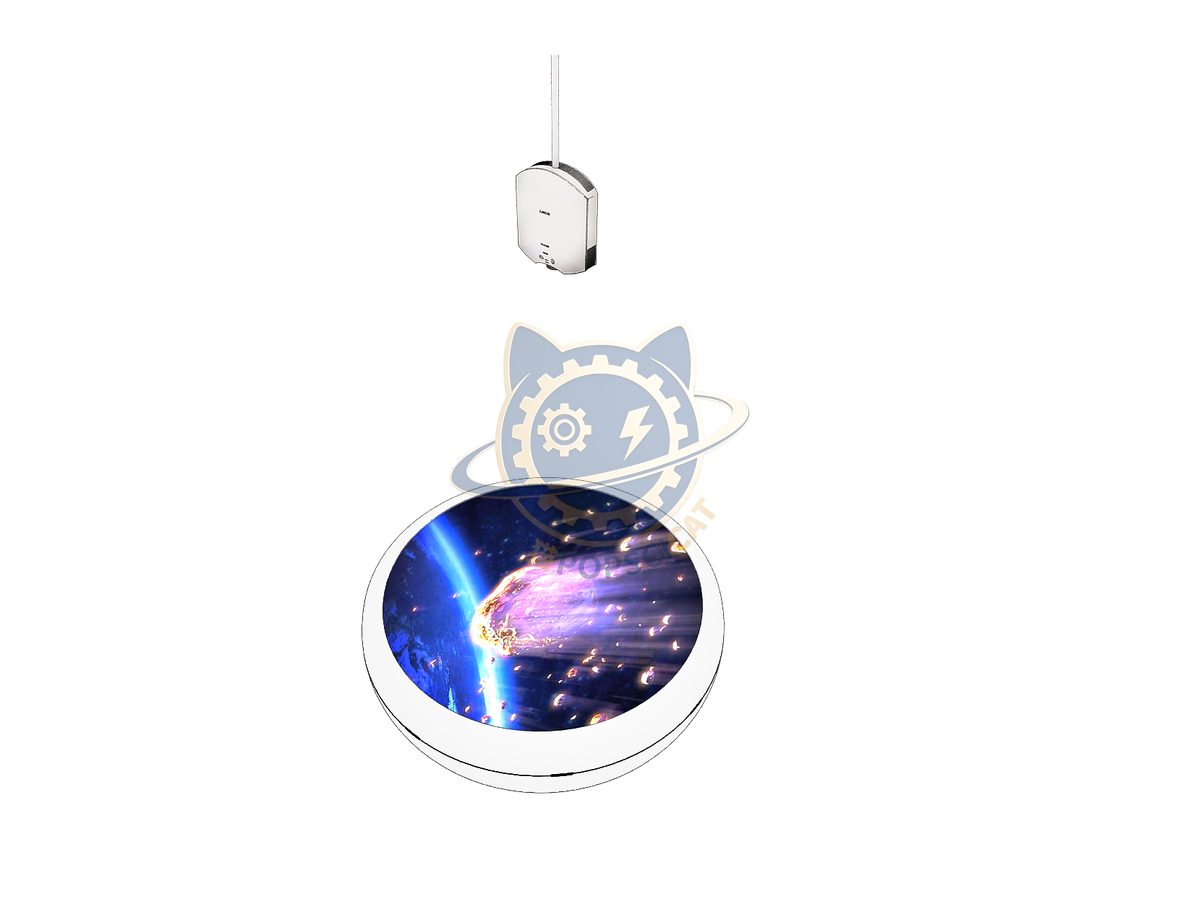
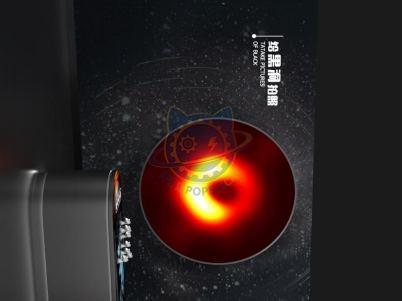
Black holes themselves do not emit light, and their strong gravity makes it difficult for light to escape and be directly detected. But scientists have discovered a "loophole" by observing accretion disks and jets. The famous "Black Hole Catcher" event horizon telescope uses an array of radio telescopes to collect weak signals from black holes. Through complex data processing and analysis, the image of the black hole is ultimately synthesized.

02 / How visitors use it

The unit is designed for unsupervised public use: controls are recessed or shielded, moving parts are enclosed, and the interface is operable by a child of about six with no instruction. Where a screen is used, the language can be switched without changing the hardware, and the content can be replaced on site.

03 / The science behind it

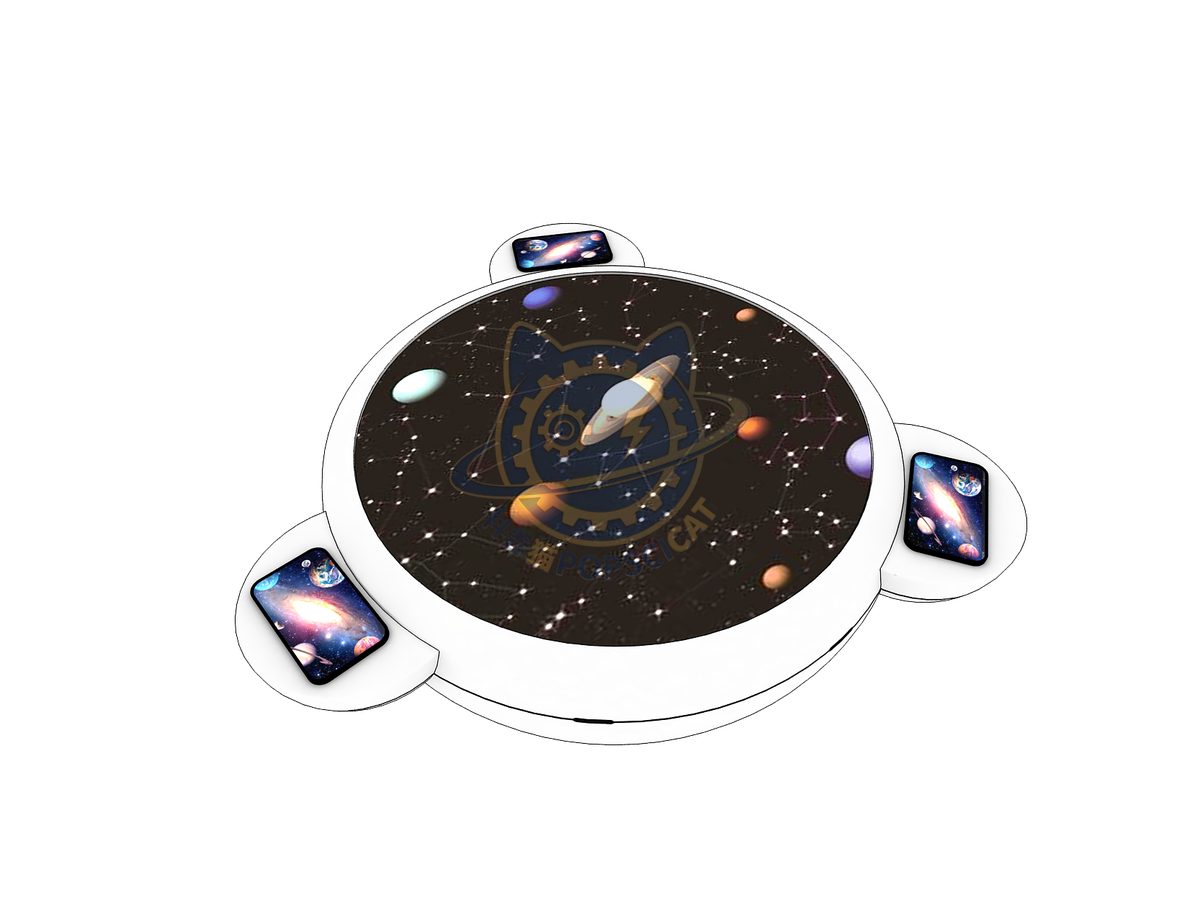
Black holes are celestial bodies with strong gravitational effects, and even light cannot escape their gravitational confinement. For a long time, people have been unable to glimpse their presence. The Event Horizon Telescope is a program primarily aimed at observing supermassive black holes at the center of galaxies. This plan combines deep long baseline interferometry (VLBI) technology with radio telescopes around the world, using eight radio telescopes distributed in multiple parts of the world to jointly observe the same target source and record data, forming a virtual telescope with an aperture equivalent to the diameter of the Earth, and improving the angular resolution of the telescope to a level sufficient to observe event horizon scale structures. These 8 telescopes conducted observations for several consecutive days, followed by two years of data analysis, and finally officially released the first black hole photo in 2019. Eight radio telescopes are set up on the touch screen on the table, and as the number of telescopes placed increases during interaction, the black hole painting on the wall display screen appears.
04 / Built for a public floor

Every unit leaves the factory after a running test: mechanisms cycled, electronics burned in, edges dressed, fixings torqued and marked. Wear parts — bearings, sliders, lamps, belts, touch panels — are modular and listed on the spare-part sheet, so a venue technician can replace them without returning the exhibit. Crating is plywood with foam blocking; the loading plan and packing list travel with the shipment.

Same category

More in Aerospace & Astronomy

Other models from the Aerospace & Astronomy line, all held to the same specification and the same control package.

Start a project

Send us your exhibit list.
We will come back with a price.

Attach a theme outline, a floor plan, or nothing at all — a photo of the space is enough to start. Quotations are issued against a real exhibit list, not per-square-metre guesses.

WeChat QR code — scan to message us Scan to add us
on WeChat