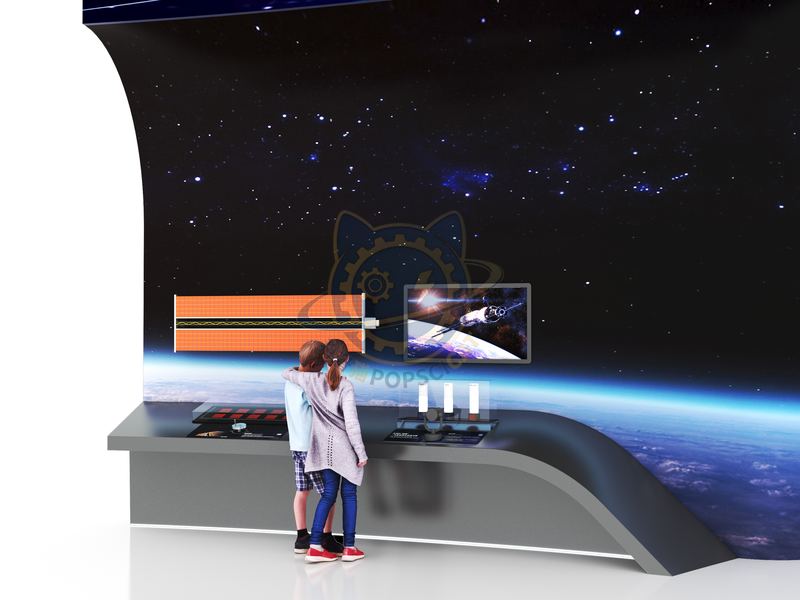
The Tiangong Wings solar panel (also known as the solar wing) provides power support for the operation of the entire…
| Category | Aerospace & Astronomy |
|---|---|
| Standard size | Custom size |
| Supply | Single unit or batch · OEM to your drawing |
| Lead time | Standard 4–8 weeks after deposit (confirmed per contract) |
| Warranty | 1 year, structure and control |
| Documents | Specification sheet · control diagram · spare-part list |
A standard catalogue model: the dimensions, control package and finish are fixed, which is what keeps the price and the lead time predictable. Size, colour and interface language can be adapted without a new design cycle.
The Tiangong Wings solar panel (also known as the solar wing) provides power support for the operation of the entire space station. Large flexible solar panels are a highlight of China's space station. They are lightweight, soft, and have high photoelectric conversion efficiency. On the same day and during the launch of the core module, the solar panels were in a folded and folded state, and after entering orbit, the central deployment mast drove the base plate to unfold. During the flight of the space station, the solar panels need to constantly adjust their direction to align with the sun, playing two major functions of power supply and charging, equivalent to a small power station.
The unit is designed for unsupervised public use: controls are recessed or shielded, moving parts are enclosed, and the interface is operable by a child of about six with no instruction. Where a screen is used, the language can be switched without changing the hardware, and the content can be replaced on site.
Large flexible solar panel wings are solar cell modules with flexible structures and large areas, which are used in space applications to provide power for spacecraft or space stations. The flexible solar wing adopts flexible triple junction gallium arsenide solar cell array technology, consisting of tens of thousands of flexible solar cells, with a photoelectric conversion efficiency exceeding 30% (the ordinary silicon-based solar cells used in the International Space Station have a conversion efficiency of only 15% and a power supply of 90KW), to meet the power supply needs of the space station payload. Like the Wentian experimental module, the Mengtian experimental module is equipped with two sets of large flexible solar wings, each with a wingspan of 27 meters and a deployed area of 138 square meters, with a single power of 18 kilowatts. The solar wings of the two experimental modules enable the space station to generate up to 1000 kilowatt hours of electricity per day, equivalent to half a year's electricity consumption for an ordinary household, truly achieving "worry free electricity consumption".
Every unit leaves the factory after a running test: mechanisms cycled, electronics burned in, edges dressed, fixings torqued and marked. Wear parts — bearings, sliders, lamps, belts, touch panels — are modular and listed on the spare-part sheet, so a venue technician can replace them without returning the exhibit. Crating is plywood with foam blocking; the loading plan and packing list travel with the shipment.
Other models from the Aerospace & Astronomy line, all held to the same specification and the same control package.

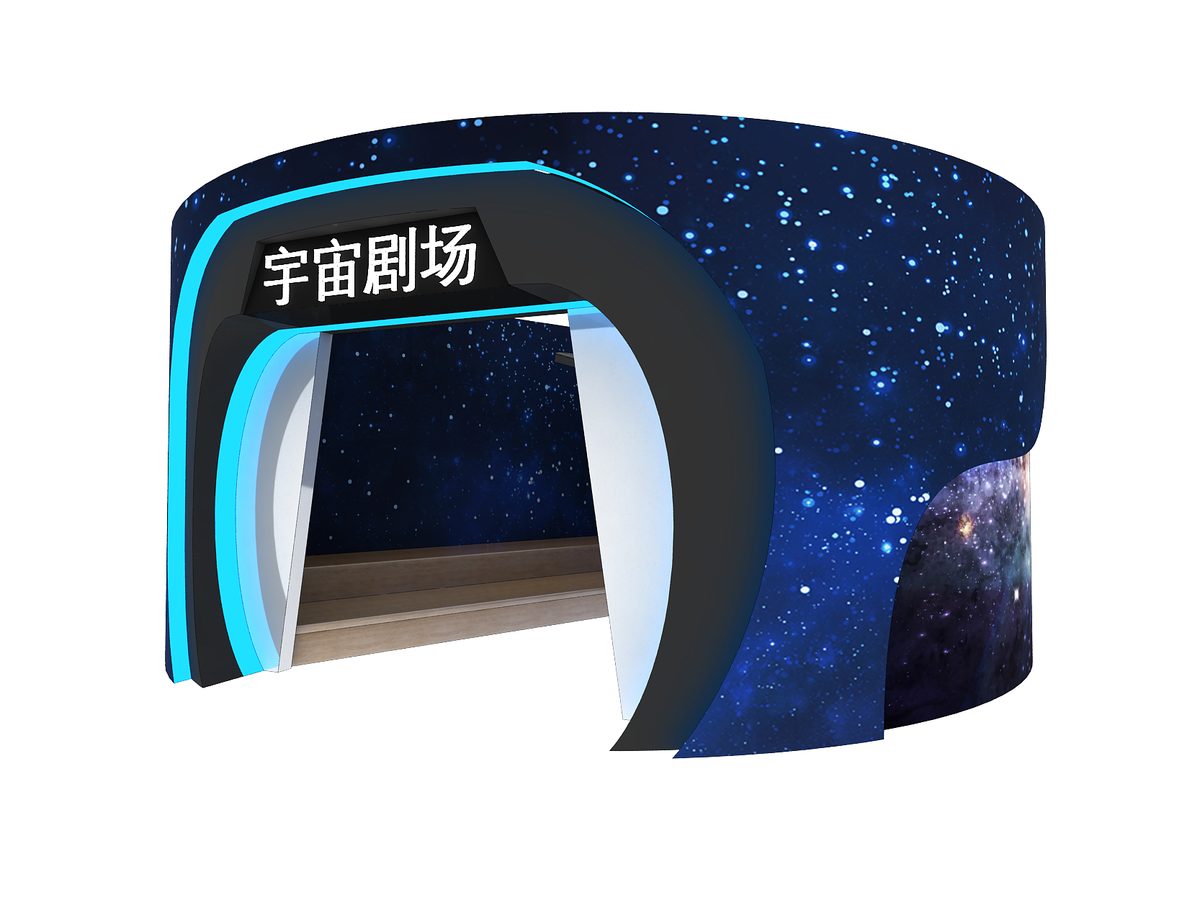
A curved screen and twelve seats for a six-minute flight.

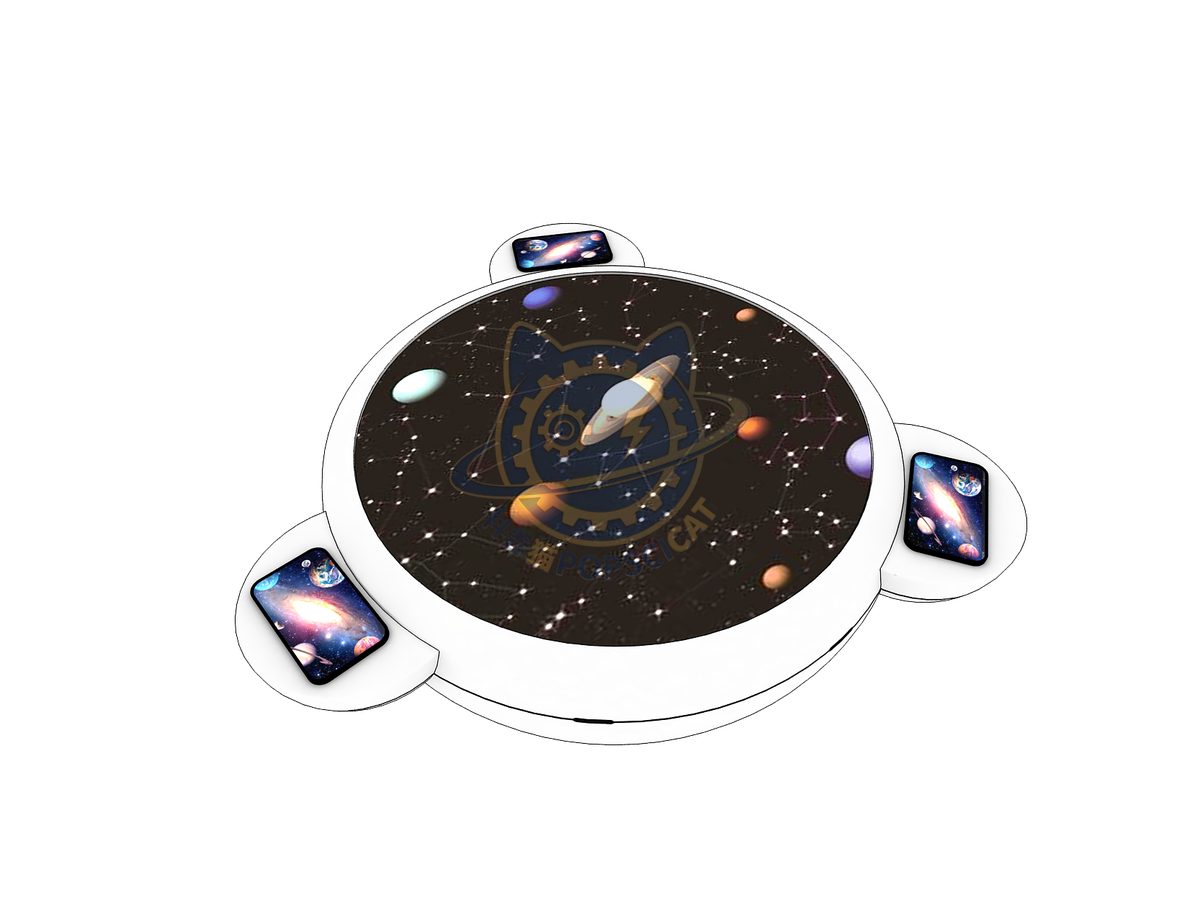
Move a planet across the band and watch liquid water survive or boil.

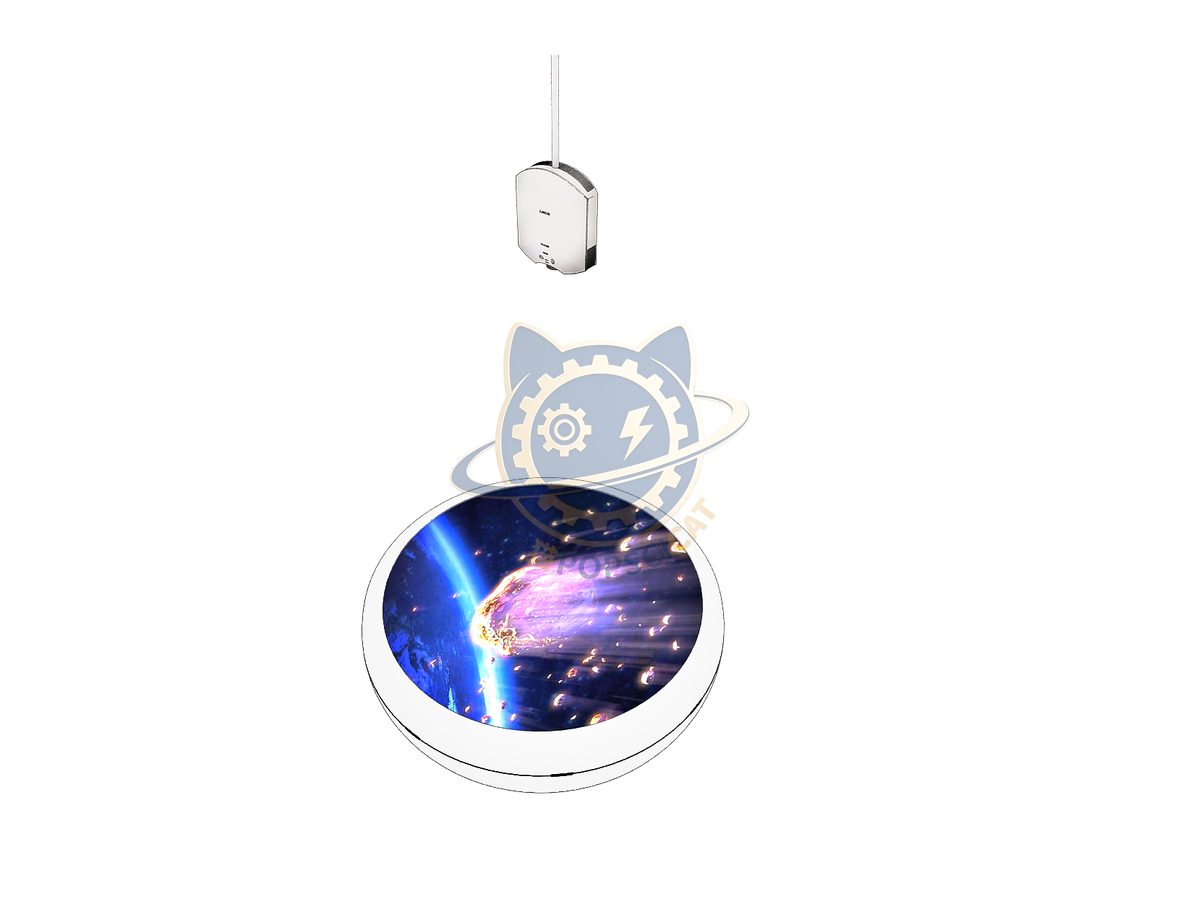
A comet model whose tail always points away from the light source.

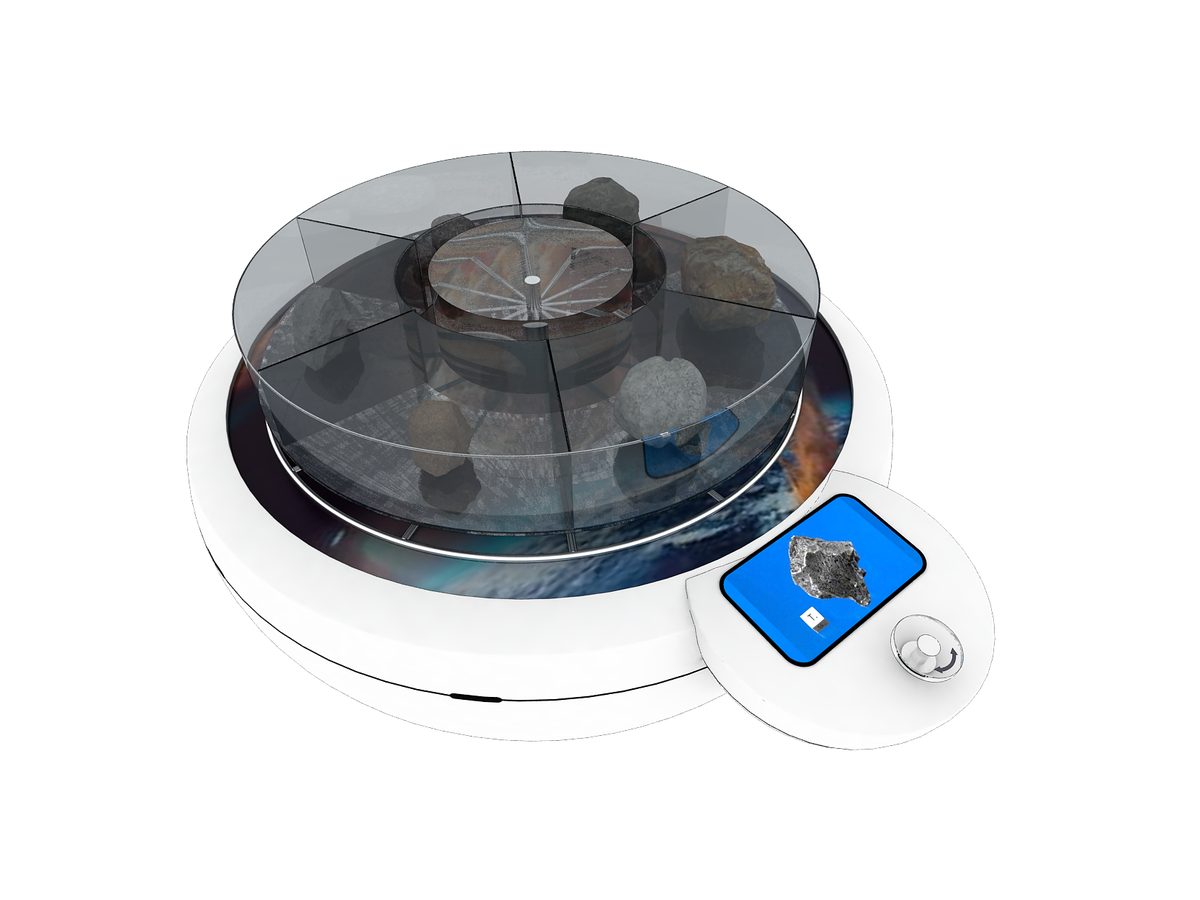
Real meteorite samples beside a simulated entry trail.
Attach a theme outline, a floor plan, or nothing at all — a photo of the space is enough to start. Quotations are issued against a real exhibit list, not per-square-metre guesses.
Scan to add us