Coloured discs drain to grey as the spin speed passes the eye's limit.
| Category | Basic Science |
|---|---|
| Model code | — |
| Standard size | Custom size |
| Supply | Single unit or batch · OEM to your drawing |
| Lead time | Standard 4–8 weeks after deposit (confirmed per contract) |
| Warranty | 2 years, structure and control |
| Documents | Specification sheet · control diagram · spare-part list |
A standard catalogue model: the drawing, control package and finish are fixed, which is what keeps the price and the lead time predictable. Size, colour and interface language can be adapted without a new design cycle.
By creating a room where colors cannot be distinguished, visitors can become curious about the principles of object color and light emission, and learn about the characteristics and applications of monochromatic light in low-pressure sodium lamps. The exhibits consist of interactive cabins, exhibit housing, ball pools, gradient lighting components, various colored balls, daily necessities props, and more. The lighting in the room can be switched between orange light and white light modes. The room consists of an exploration area for displaying daily necessities and a challenge area for sorting small balls. visitors enters the orange space one by one to participate in the interactive guessing of colors. The exhibit housing is located in a semi enclosed dark environment, with a specially designed concave ball pool in the center. There are two sets of inclined tracks on each side, and fluorescent lights gradually dim above the tracks. visitors picks up any colored ball and places it at the top of the track, causing the ball to roll down the track and observe the color change of the ball. When the colored ball is at the top of the track, due to the brightest light, the color of the ball is relatively bright. As the track light slides.
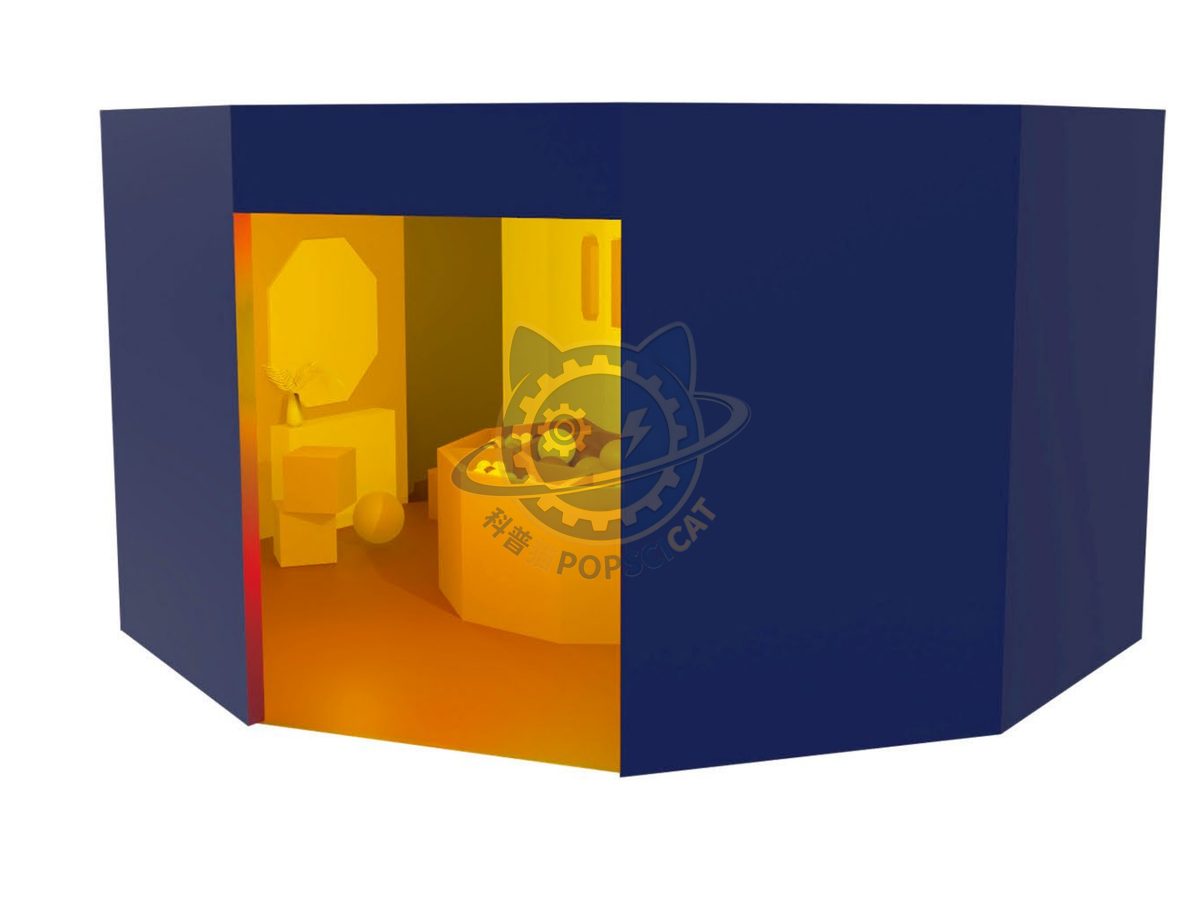
1. What is color? Color, also known as color, is a visual perceptual feature that describes the categories of light by the eyes, brain, and our life experiences. This perception of color comes from the stimulation of the visible light spectrum on the cone cells of the human eye. Color is generated by light reflection, which is determined by the physical properties of the object, such as the absorption and emission spectra of light. Usually, the surrounding world is illuminated by light of many different colors, with some colors being absorbed while others are reflected. It is the light reflected by objects that gives their surfaces color. For example, a sweater looks red because it reflects red light into your eyes. 2. How do human eyes perceive color? Color is the visual effect of the human eye on light, and the human eye can only see light with wavelengths within a certain range. Visible light is an electromagnetic wave visible to the human eye, which is only a narrow segment of the electromagnetic spectrum.
Every unit leaves the factory after a running test: mechanisms cycled, electronics burned in, edges dressed, fixings torqued and marked. Wear parts — bearings, sliders, lamps, belts, touch panels — are modular and listed on the spare-part sheet, so a venue technician can replace them without returning the exhibit. Crating is plywood with foam blocking; the loading plan and packing list travel with the shipment.
Other models from the Basic Science line, all held to the same drawing and the same control package.

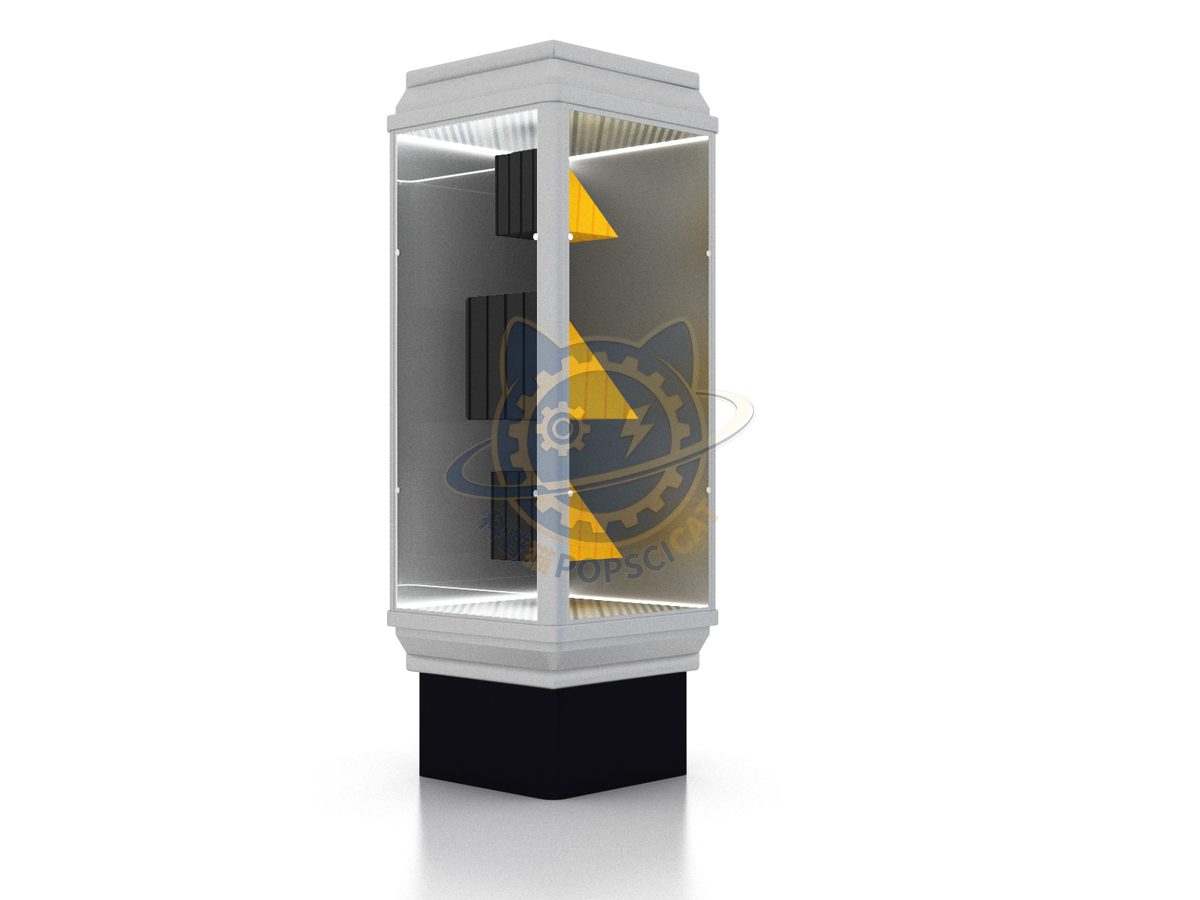
A box of mirrors that repeats the visitor into an endless corridor of light.

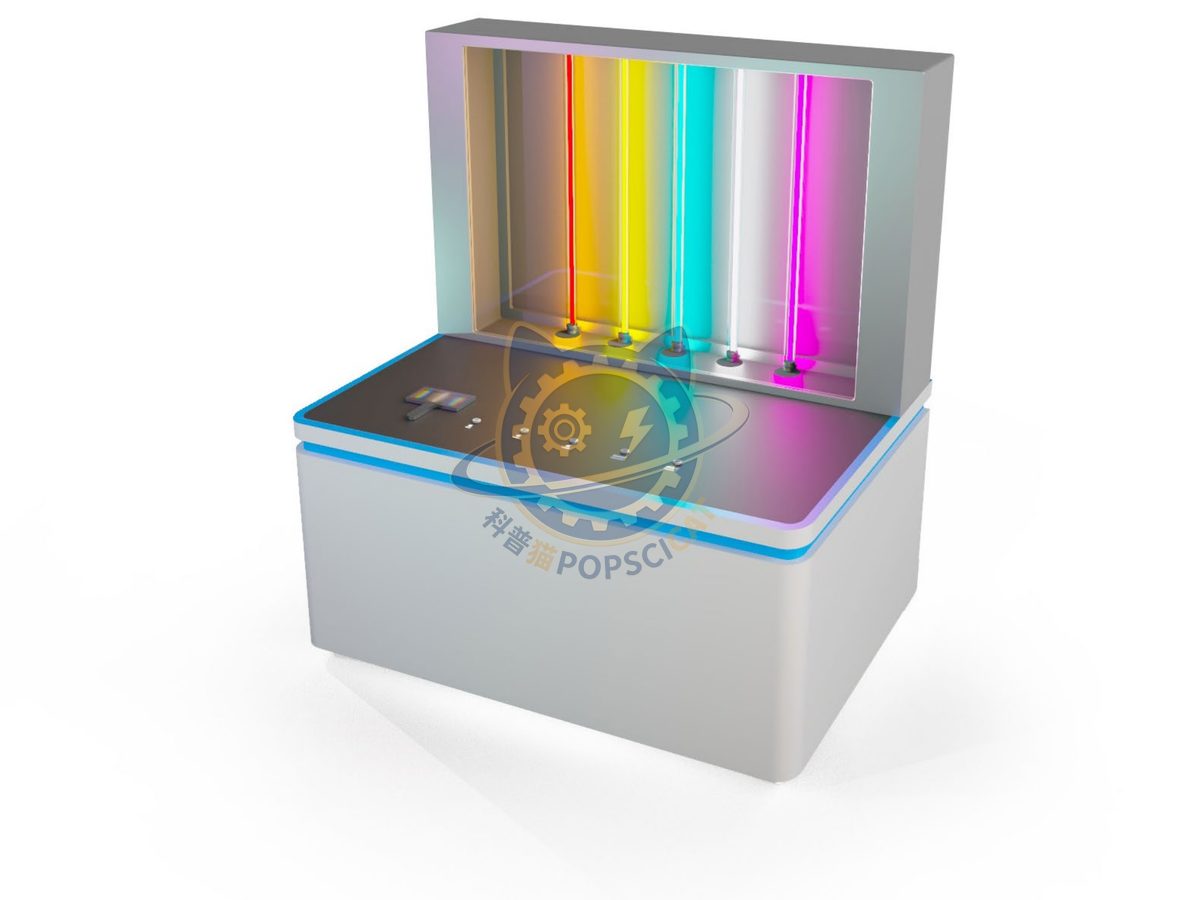
Gas discharge tubes and a slit spectroscope show emission lines directly.
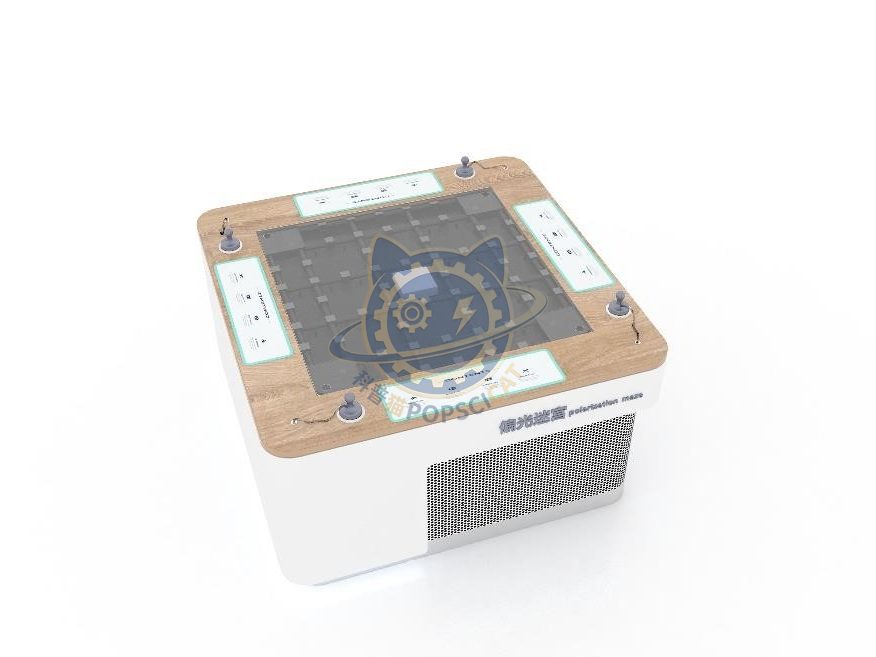
KX-GY-03Rotate two polarising filters and watch colours appear and vanish.

Speak into one dish and be heard metres away at the other.
Attach a theme outline, a floor plan, or nothing at all — a photo of the space is enough to start. Quotations are issued against real drawings, not per-square-metre guesses.