Home/Exhibits/Basic Science/Impossible Images

Impossible Images

Figures that cannot exist in three dimensions but do on this screen.

Impossible Images — Basic Science exhibit for science museums
Model IMPOSSIBLE-IMAGESStudio rendering
CategoryBasic Science
Model code—
Standard sizeCustom size
SupplySingle unit or batch · OEM to your drawing
Lead timeStandard 4–8 weeks after deposit (confirmed per contract)
Warranty2 years, structure and control
DocumentsSpecification sheet · control diagram · spare-part list

A standard catalogue model: the drawing, control package and finish are fixed, which is what keeps the price and the lead time predictable. Size, colour and interface language can be adapted without a new design cycle.

Ask about this model → Email us
01 / Overview

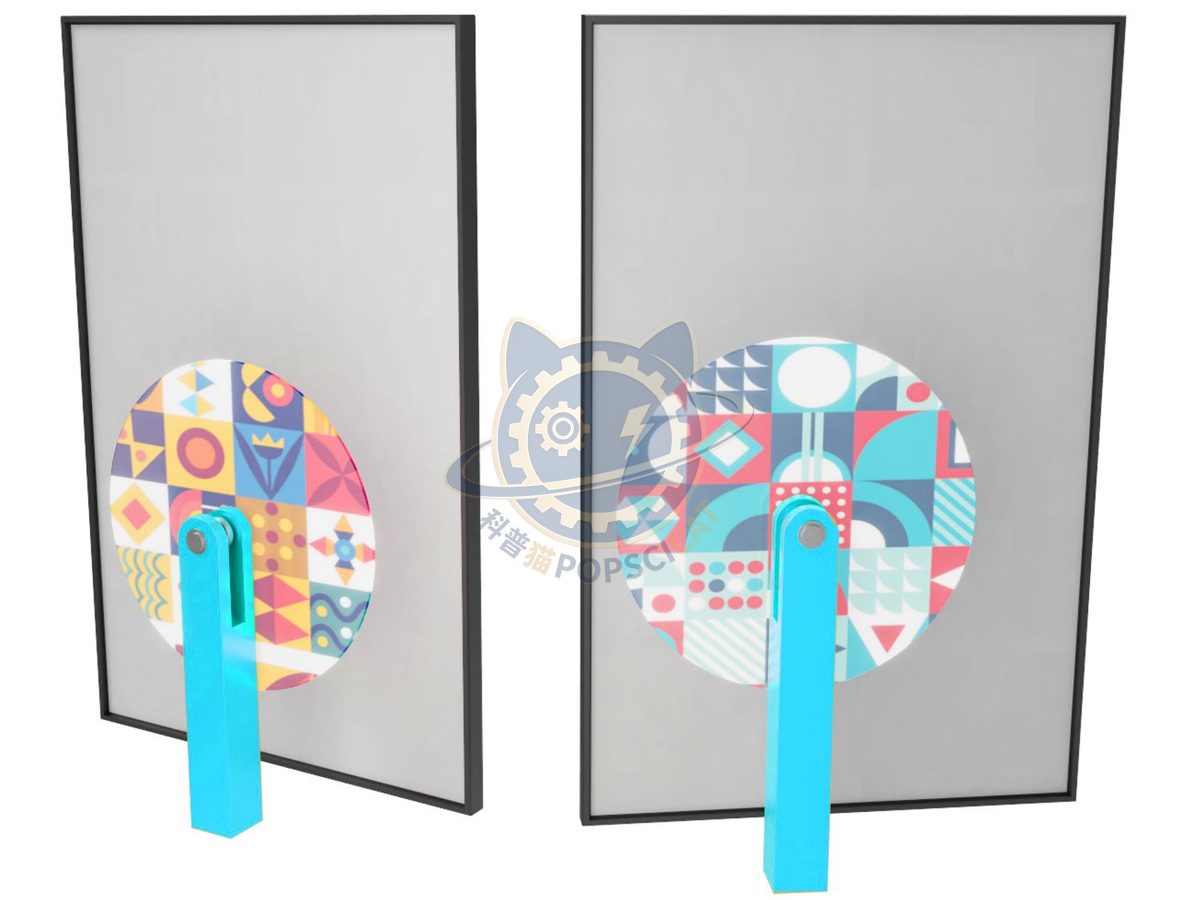
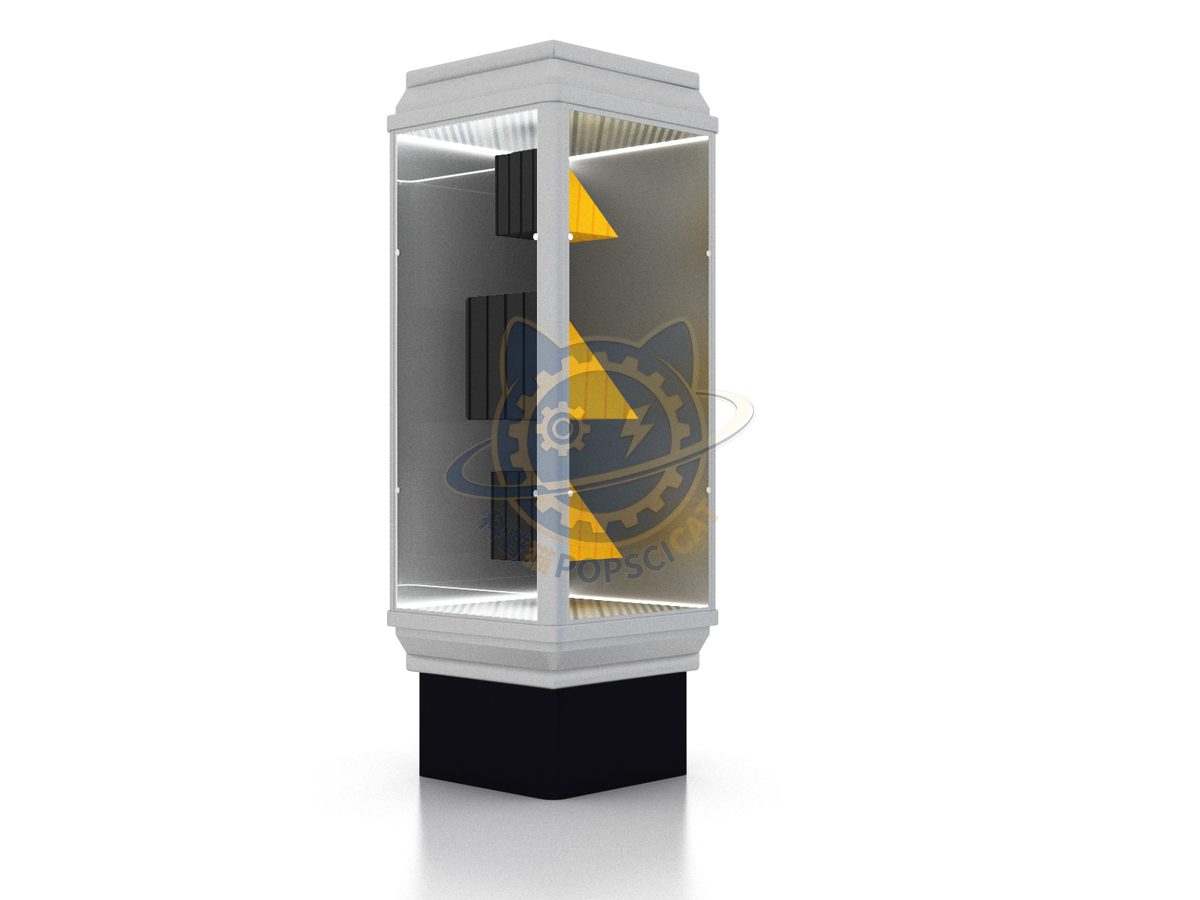
By rotating the polarizing light plate, observe the wall display and lightbox to understand the polarization of light. The principle of demonstrating the polarization phenomenon of light by observing different phenomena. The exhibit consists of a vertical rotatable polarizer device, a handheld polarizer, and a liquid crystal display. Visitors can only see a white screen by directly observing the wall with their naked eyes. By rotating the polarizing plate to observe the wall, the image on the screen can be seen and compared with the previous phenomenon. When the visitor rotates the turntable and sees a normal image, the polarization directions of the two sets of polarizing plates are the same, and only light with the same polarization direction can pass through; When visitors turn the turntable and see that the image becomes darker or cannot be seen, it indicates that the polarization directions of the two polarizing plates are at an angle or perpendicular to each other, blocking the transmission of light. This phenomenon is actually caused by the polarization of light, and only transverse waves can produce polarization, thus verifying the wave nature of light. Polarization phenomenon has a very wide range in daily life.
03 / The science behind it

Polarization phenomenon of light: Natural light vibrates in all directions on a plane perpendicular to its propagation direction, naturally diverging, while polarized light only vibrates in a specific direction. The interference and diffraction phenomena of light indicate that light has wave like properties. The polarization of light and the birefringence phenomenon in optically anisotropic crystals further confirm the transverse wave nature of light. The asymmetry of vibration direction with respect to propagation direction is called polarization, which is the most obvious distinguishing feature between transverse waves and longitudinal waves. Only transverse waves exhibit polarization phenomena. Reference materials.

04 / Public-floor build

Every unit leaves the factory after a running test: mechanisms cycled, electronics burned in, edges dressed, fixings torqued and marked. Wear parts — bearings, sliders, lamps, belts, touch panels — are modular and listed on the spare-part sheet, so a venue technician can replace them without returning the exhibit. Crating is plywood with foam blocking; the loading plan and packing list travel with the shipment.

Same category

More in Basic Science

Other models from the Basic Science line, all held to the same drawing and the same control package.

Start a project

Send us your exhibit list.
We will come back with drawings and a price.

Attach a theme outline, a floor plan, or nothing at all — a photo of the space is enough to start. Quotations are issued against real drawings, not per-square-metre guesses.