Home/Exhibits/City & Society/Airfoil and Airflow

Airfoil and Airflow

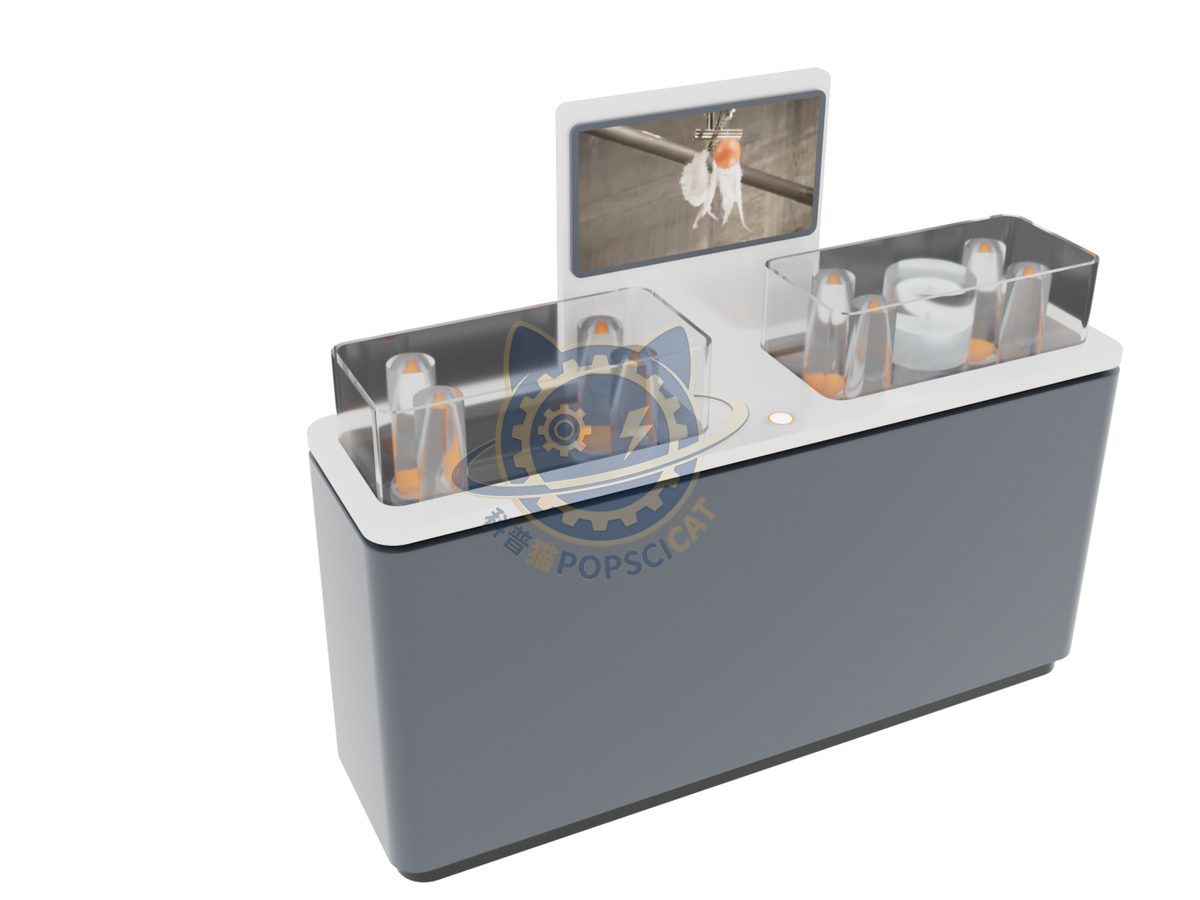
Smoke shows lift changing with the angle of attack.

Airfoil and Airflow — City & Society exhibit for science museums
Model AIRFOILStudio rendering
CategoryCity & Society
Model code—
Standard sizeCustom size
SupplySingle unit or batch · OEM to your drawing
Lead timeStandard 4–8 weeks after deposit (confirmed per contract)
Warranty2 years, structure and control
DocumentsSpecification sheet · control diagram · spare-part list

A standard catalogue model: the drawing, control package and finish are fixed, which is what keeps the price and the lead time predictable. Size, colour and interface language can be adapted without a new design cycle.

Ask about this model → Email us
01 / Overview

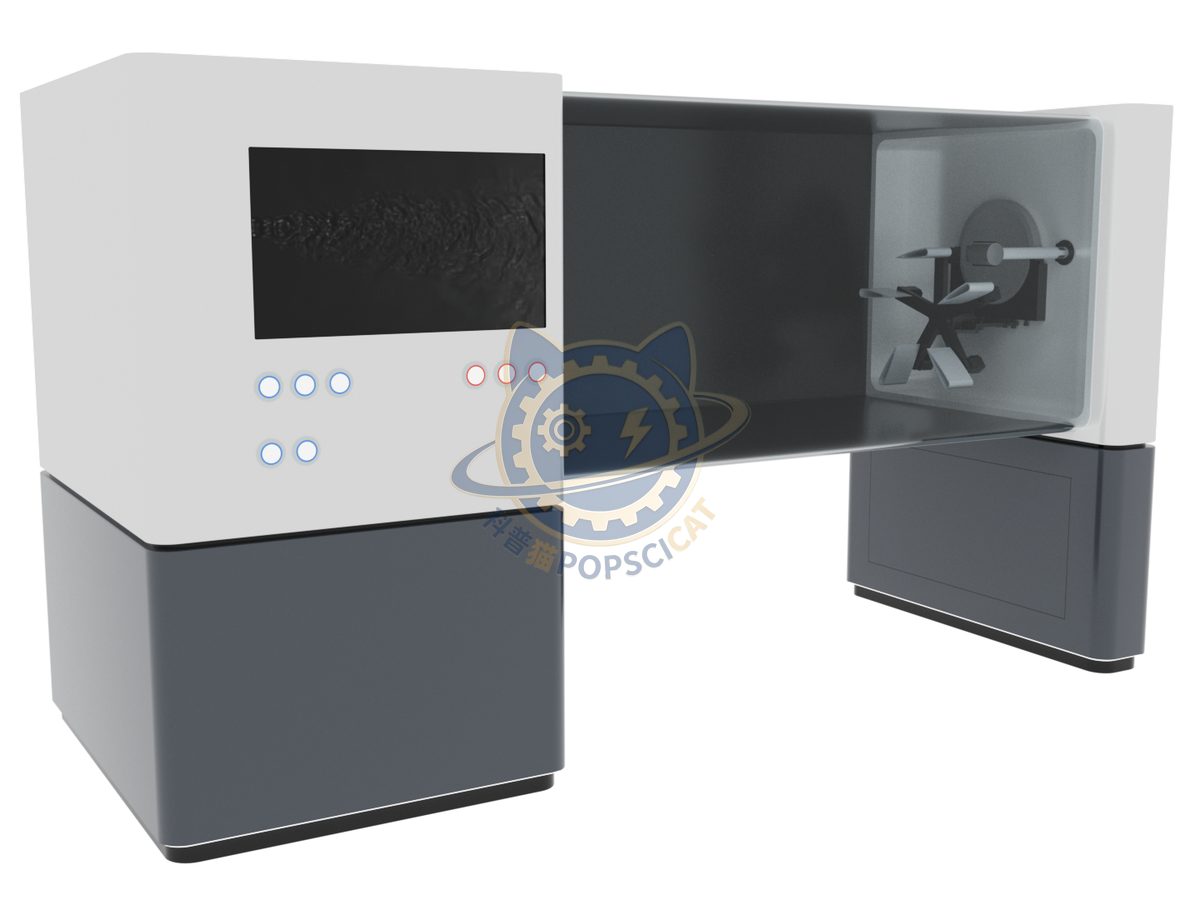
The exhibit consists of mechanical models and angle adjustment devices for five common airfoils: symmetrical airfoil, biconvex airfoil, plano convex airfoil, concave convex airfoil, and S-shaped airfoil, as well as a hot air blower and schlieren photography equipment, and a screen. Aiming to study the aerodynamic characteristics of airfoils through mechanical interaction, the specific manifestation is achieved through schlieren photography technology (a photography technique that uses the disturbance of airflow on light waves to transform the changes in airflow that cannot be seen by the naked eye into visible images), observing the airflow shape formed by the airflow passing over wings of different shapes and angles under the action of wind, and forming an experimental analysis of the relationship between wings and air based on the visualization of the airflow field. The basic conclusion is that "wings must have lift, but they must have angles of attack or curvature. However, each coefficient has the most suitable range, and exceeding the range will result in negative effects." This guides visitors to feel the flow field characteristics of the air flow on the surface of the aircraft during flight. Enhance the public's scientific literacy and increase.
02 / How visitors use it

The unit is designed for unsupervised public use: controls are recessed or shielded, moving parts are enclosed, and the interface is operable by a child of about six with no instruction. Where a screen is used, the language can be switched without changing the hardware, and the content can be replaced on site.

03 / The science behind it

The wing is one of the important components of an aircraft, and the different wing profiles and angles of attack can affect the airflow state when the aircraft moves forward, thereby affecting lift. Common basic airfoils include flat convex, concave convex, double convex, symmetrical, and S-shaped airfoils. Different airfoil designs can provide different aerodynamic characteristics and performance for aircraft. Therefore, when designing an aircraft, it is necessary to select suitable airfoils based on specific usage requirements and flight characteristics.

04 / Built for a public floor

Every unit leaves the factory after a running test: mechanisms cycled, electronics burned in, edges dressed, fixings torqued and marked. Wear parts — bearings, sliders, lamps, belts, touch panels — are modular and listed on the spare-part sheet, so a venue technician can replace them without returning the exhibit. Crating is plywood with foam blocking; the loading plan and packing list travel with the shipment.

Same category

More in City & Society

Other models from the City & Society line, all held to the same drawing and the same control package.

Start a project

Send us your exhibit list.
We will come back with drawings and a price.

Attach a theme outline, a floor plan, or nothing at all — a photo of the space is enough to start. Quotations are issued against real drawings, not per-square-metre guesses.