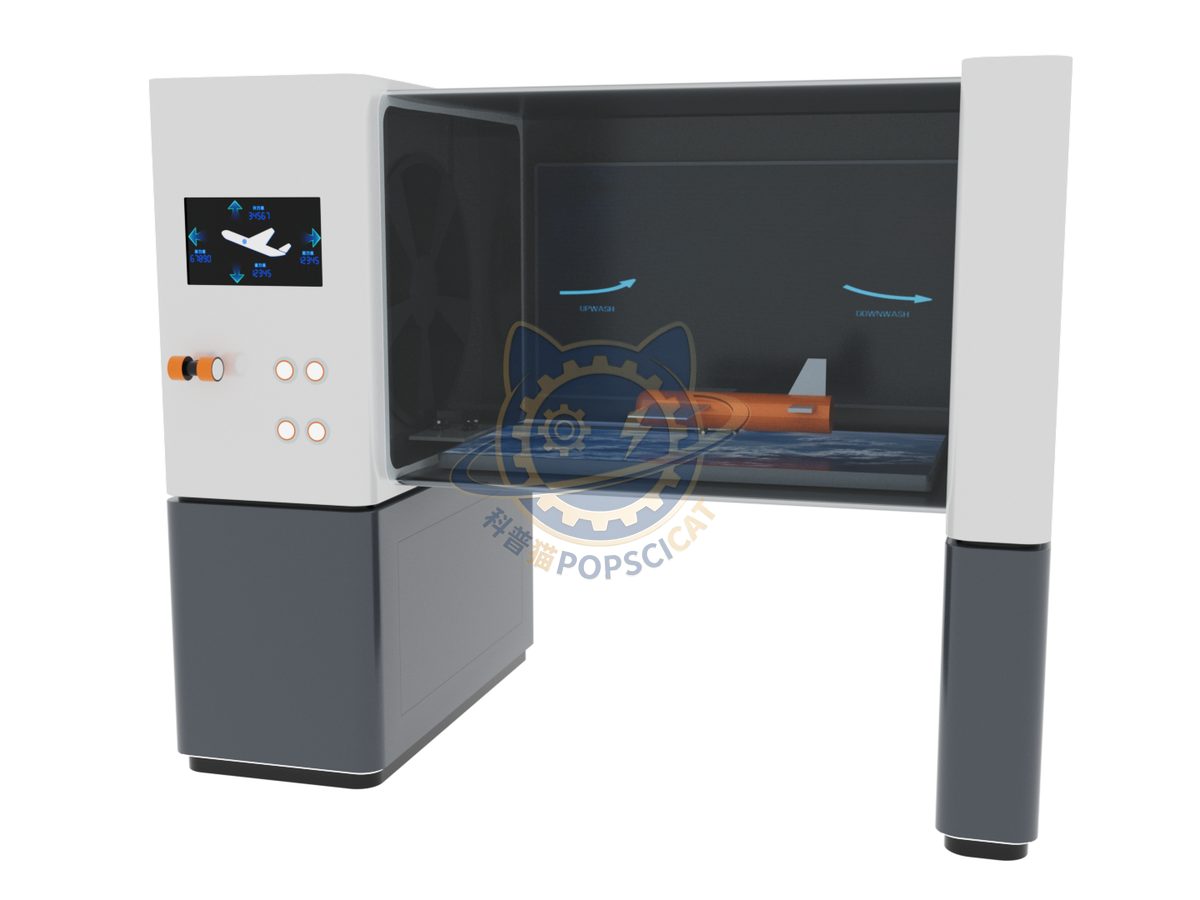
The four forces on a wing each switchable and measured.
| Category | City & Society |
|---|---|
| Model code | — |
| Standard size | Custom size |
| Supply | Single unit or batch · OEM to your drawing |
| Lead time | Standard 4–8 weeks after deposit (confirmed per contract) |
| Warranty | 2 years, structure and control |
| Documents | Specification sheet · control diagram · spare-part list |
A standard catalogue model: the drawing, control package and finish are fixed, which is what keeps the price and the lead time predictable. Size, colour and interface language can be adapted without a new design cycle.
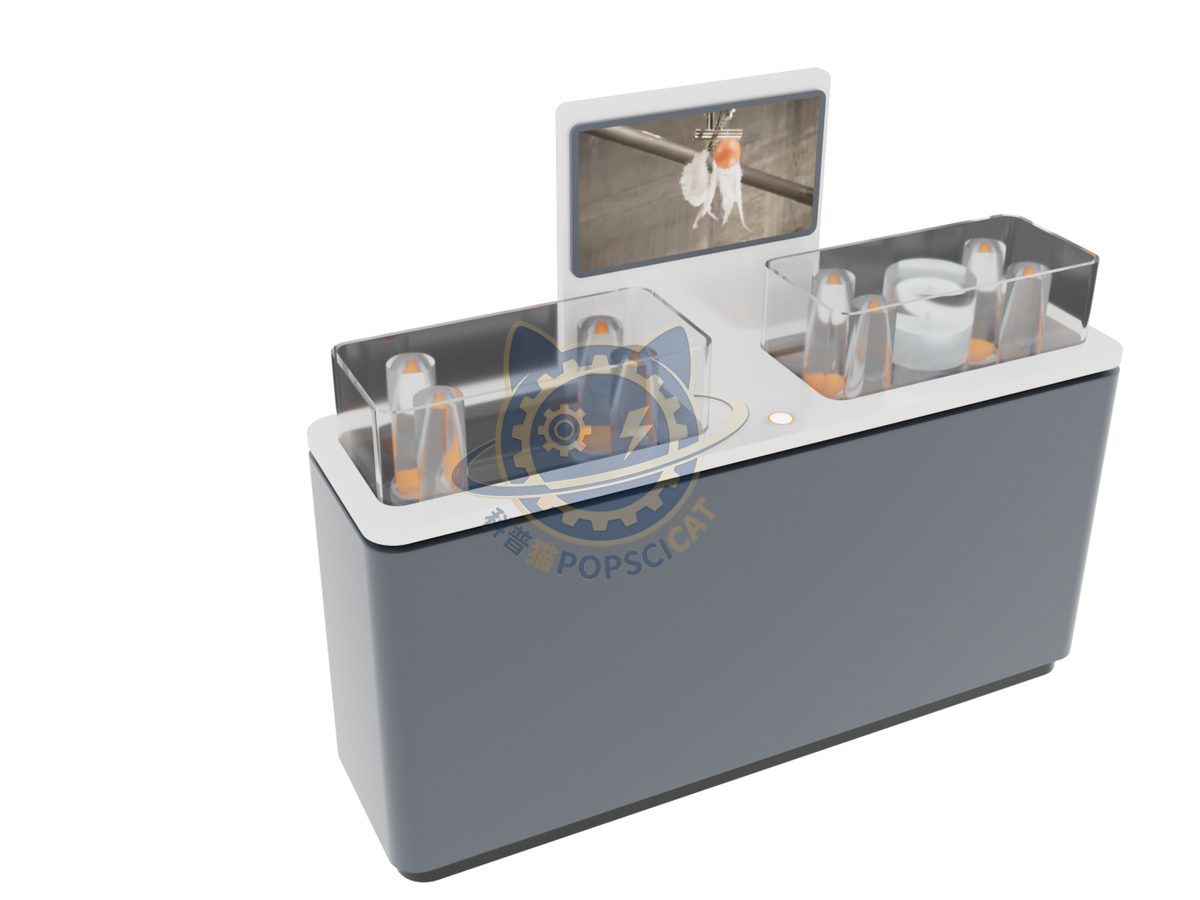
The main body of the exhibit consists of a physical device consisting of an aircraft model, control stick, mechanical buttons and force data display panel, and a cabin bottom flight simulation display screen, combined with a virtual airflow visualization on the screen behind the aircraft. visitors can operate the mechanical buttons to select from the four levels of wind speed, and simulate the thrust (pulling force) given by the engine to the aircraft by pulling the control lever, causing the aircraft to take off. They can also adjust the wind observation data panel to view the relationship between drag and lift at different levels. Explore the basic mechanics of aircraft flight by combining graphic and textual display boards.
The unit is designed for unsupervised public use: controls are recessed or shielded, moving parts are enclosed, and the interface is operable by a child of about six with no instruction. Where a screen is used, the language can be switched without changing the hardware, and the content can be replaced on site.
When an airplane is flying in the air, it is mainly subjected to four types of forces: gravity, lift, thrust (pull), and drag. Their mutual balance determines whether the aircraft can take off, accelerate, turn, and maintain altitude. Pilots control the magnitude and direction of four forces by adjusting engine thrust, changing wing angles of attack, and body posture, in order to complete flight operations such as takeoff, cruise, climb, and descent.
Every unit leaves the factory after a running test: mechanisms cycled, electronics burned in, edges dressed, fixings torqued and marked. Wear parts — bearings, sliders, lamps, belts, touch panels — are modular and listed on the spare-part sheet, so a venue technician can replace them without returning the exhibit. Crating is plywood with foam blocking; the loading plan and packing list travel with the shipment.
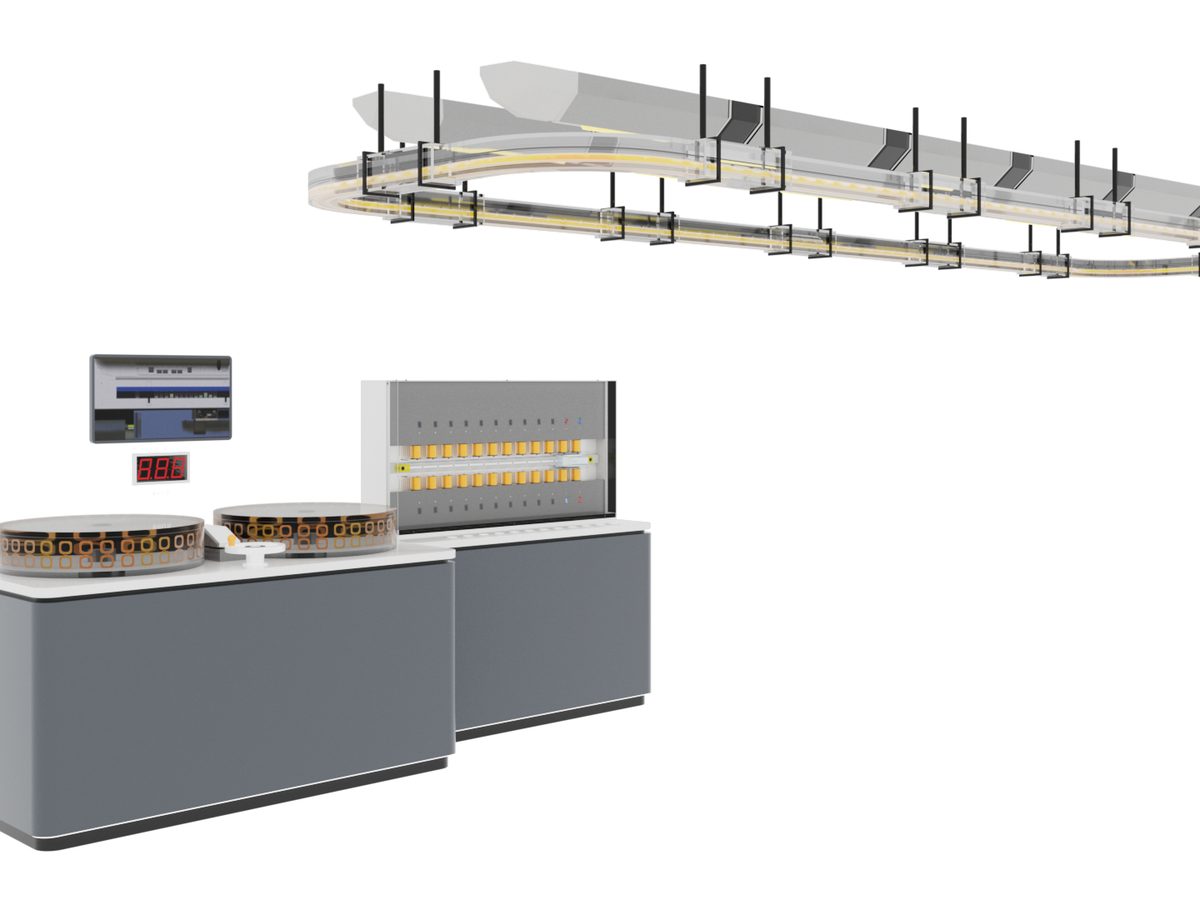
Other models from the City & Society line, all held to the same drawing and the same control package.

Drive a model car over a bump with and without damping.

Disc, drum and regenerative braking compared side by side.

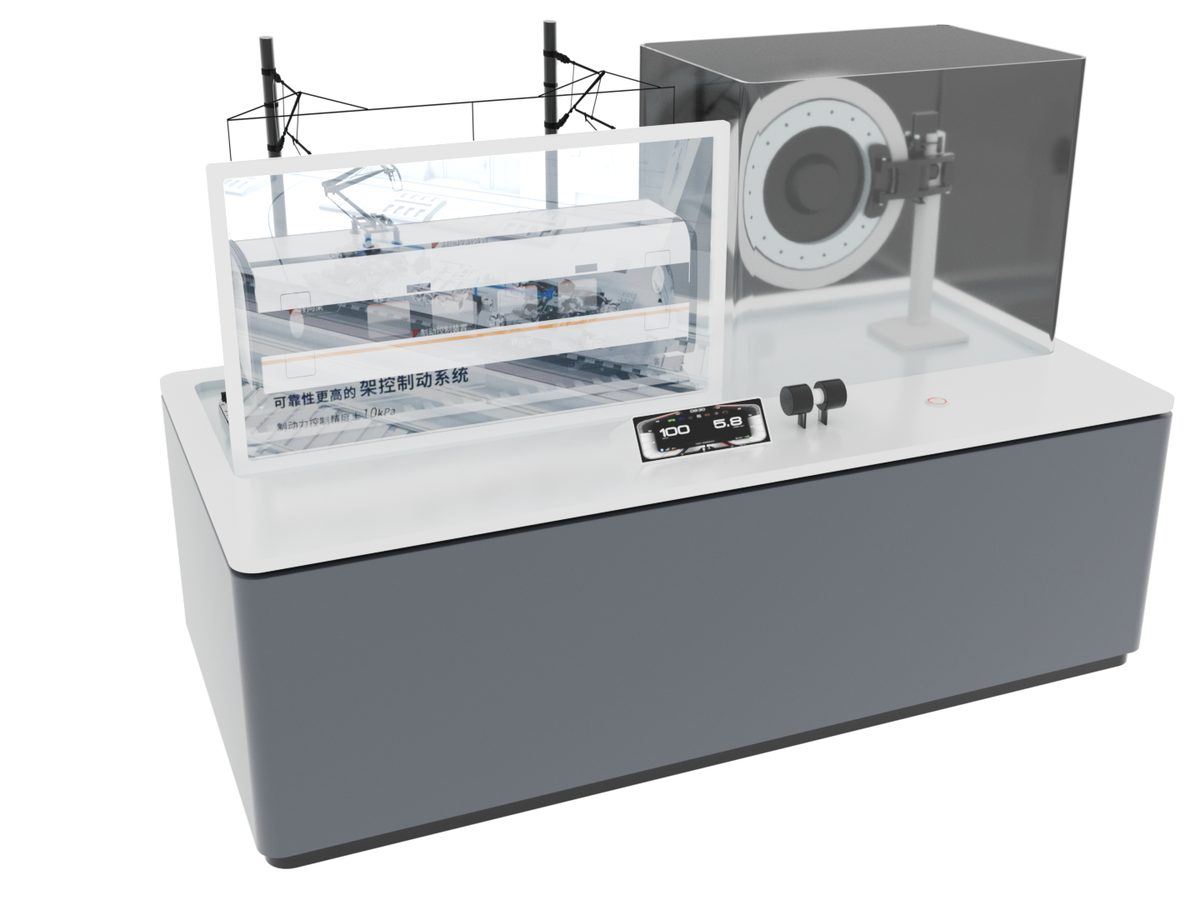
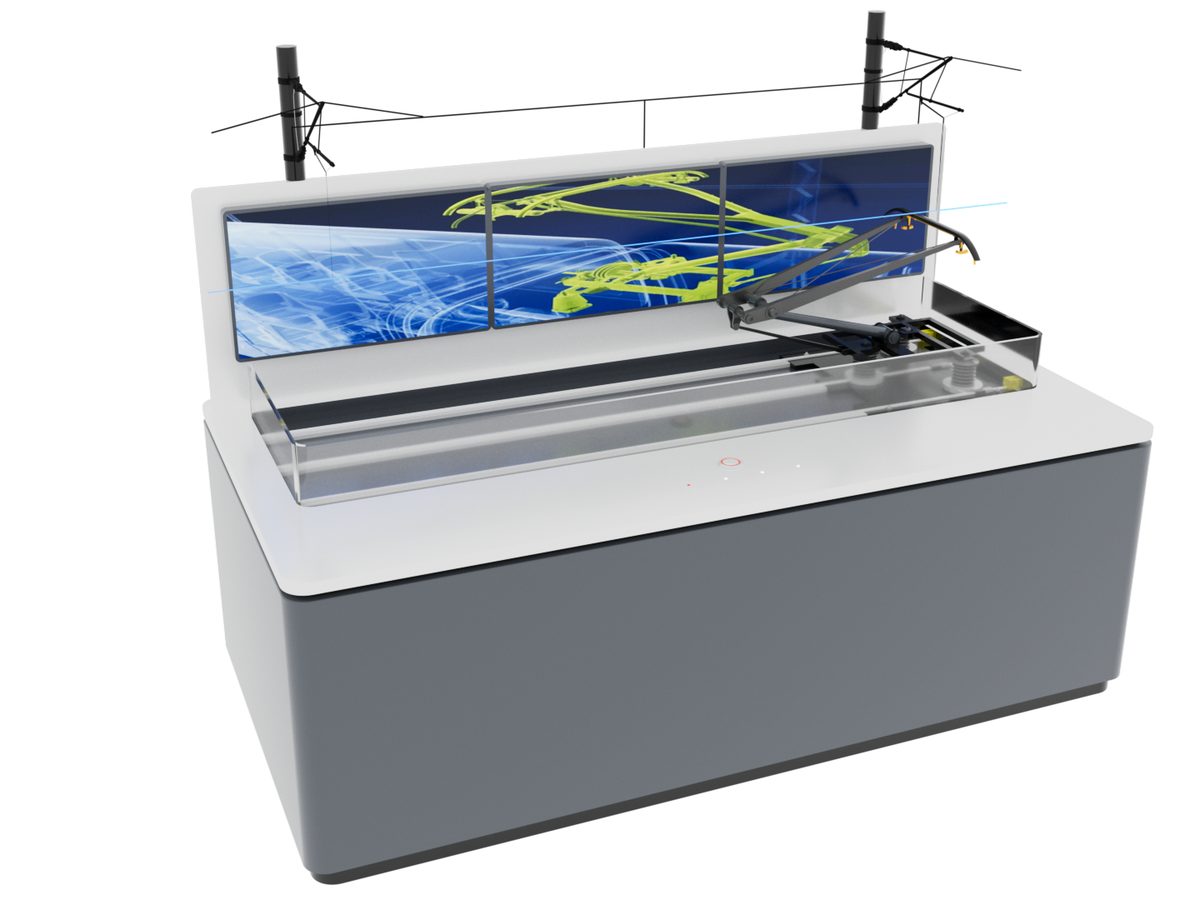
A contact wire and pantograph keep current flowing at speed.

Levitation, guidance and propulsion shown as three separate modules.
Attach a theme outline, a floor plan, or nothing at all — a photo of the space is enough to start. Quotations are issued against real drawings, not per-square-metre guesses.