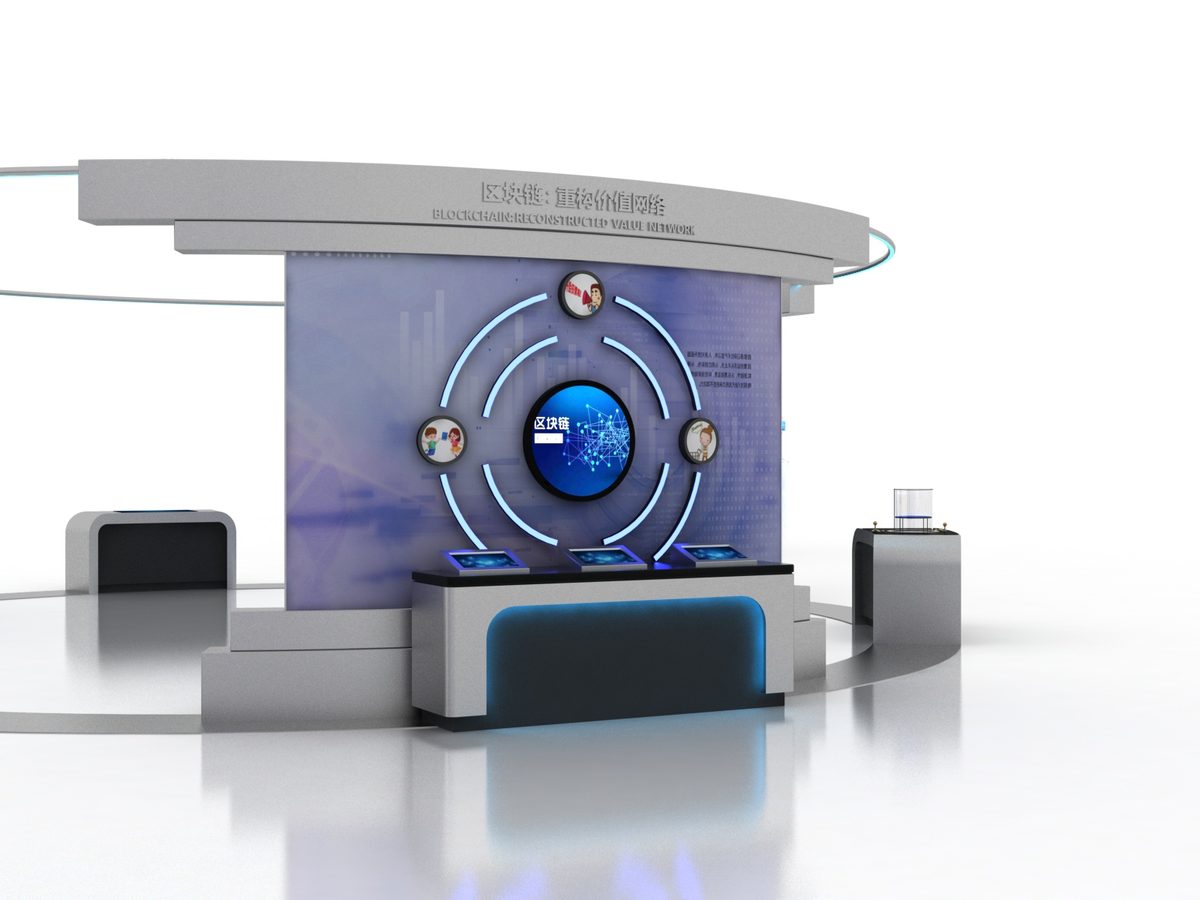
A chain of blocks that cannot be edited once the next one is added.
| Category | Digital & AI |
|---|---|
| Model code | — |
| Standard size | Custom size |
| Supply | Single unit or batch · OEM to your drawing |
| Lead time | Standard 4–8 weeks after deposit (confirmed per contract) |
| Warranty | 2 years, structure and control |
| Documents | Specification sheet · control diagram · spare-part list |
A standard catalogue model: the drawing, control package and finish are fixed, which is what keeps the price and the lead time predictable. Size, colour and interface language can be adapted without a new design cycle.
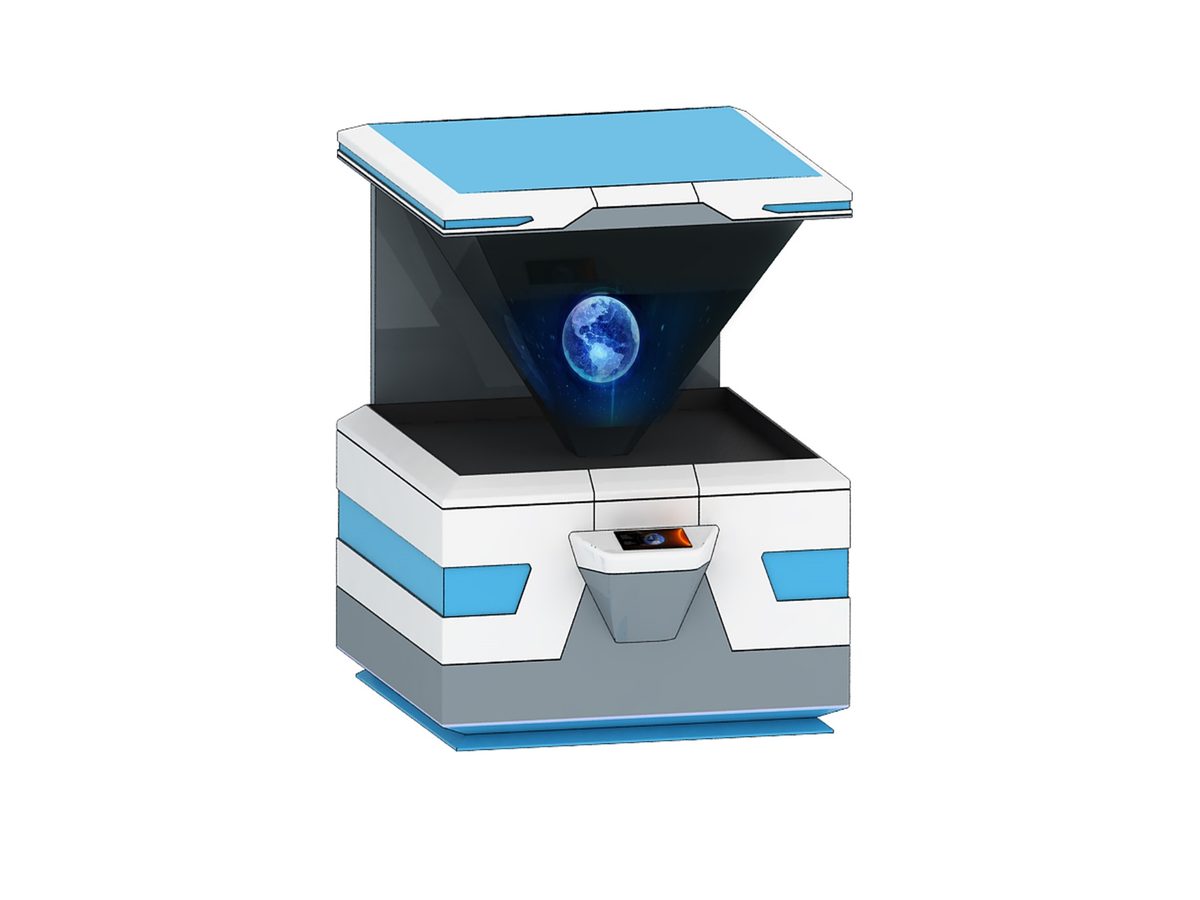
Blockchain is essentially a decentralized distributed database that combines distributed storage, peer-to-peer transmission, consensus mechanisms, cryptography, and other technologies to record transactions and information through a continuously growing data blockchain, ensuring data security and transparency. Blockchain is considered as the basic protocol of the future global digital society credit, and becomes the supporting technology in the fields of Internet finance, insurance, copyright protection, identity authentication, Internet of Things, supply chain and other credit and rights confirmation.
The unit is designed for unsupervised public use: controls are recessed or shielded, moving parts are enclosed, and the interface is operable by a child of about six with no instruction. Where a screen is used, the language can be switched without changing the hardware, and the content can be replaced on site.
Blockchain technology is a distributed database technology that connects a series of data blocks in the form of a "chain" and ensures the security of its data through cryptographic algorithms. Below, I will explain in detail its basic principles. one Distributed ledger: The most fundamental concept of blockchain technology is distributed ledger. In a blockchain network, each participant (node) holds a complete ledger data. When any transaction occurs, all nodes need to verify and reach consensus, and only when the majority of nodes confirm the transaction is valid, will the transaction be recorded in the ledger. two Blocks and chains: All transaction data will be packaged into a 'block'. Each block contains the hash value of the previous block, which forms a chain like structure of all blocks. Therefore, if an attempt is made to modify data in a block, it will affect all subsequent blocks, making data modification almost impossible and ensuring data security.
Every unit leaves the factory after a running test: mechanisms cycled, electronics burned in, edges dressed, fixings torqued and marked. Wear parts — bearings, sliders, lamps, belts, touch panels — are modular and listed on the spare-part sheet, so a venue technician can replace them without returning the exhibit. Crating is plywood with foam blocking; the loading plan and packing list travel with the shipment.
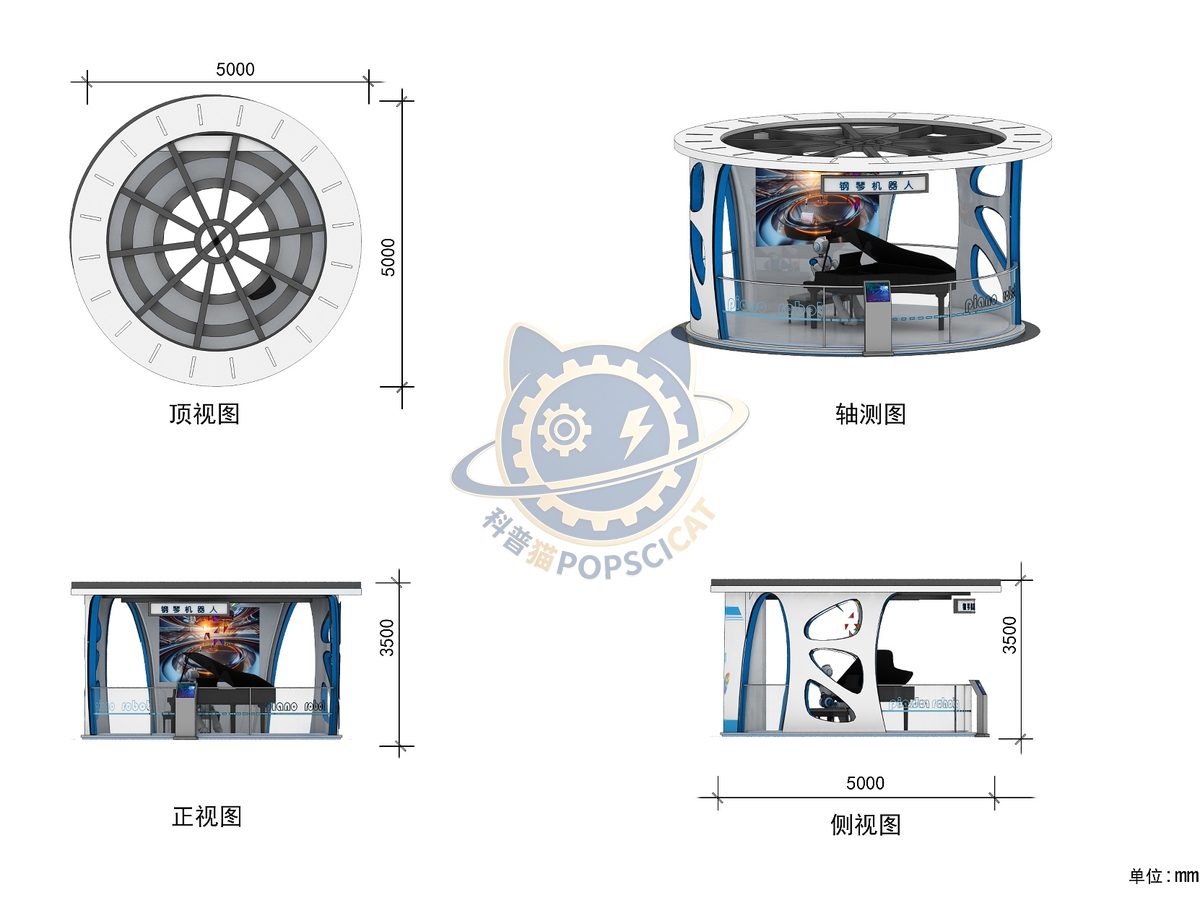
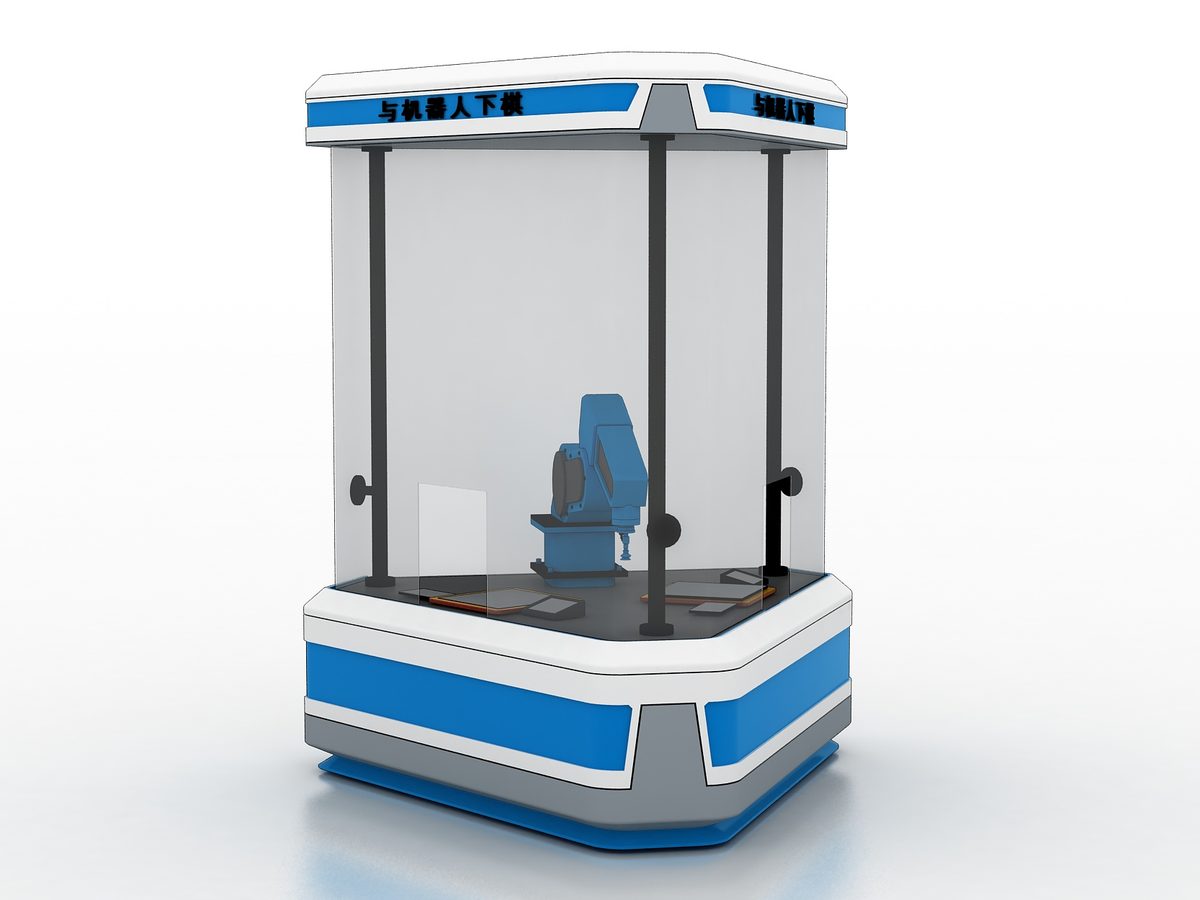
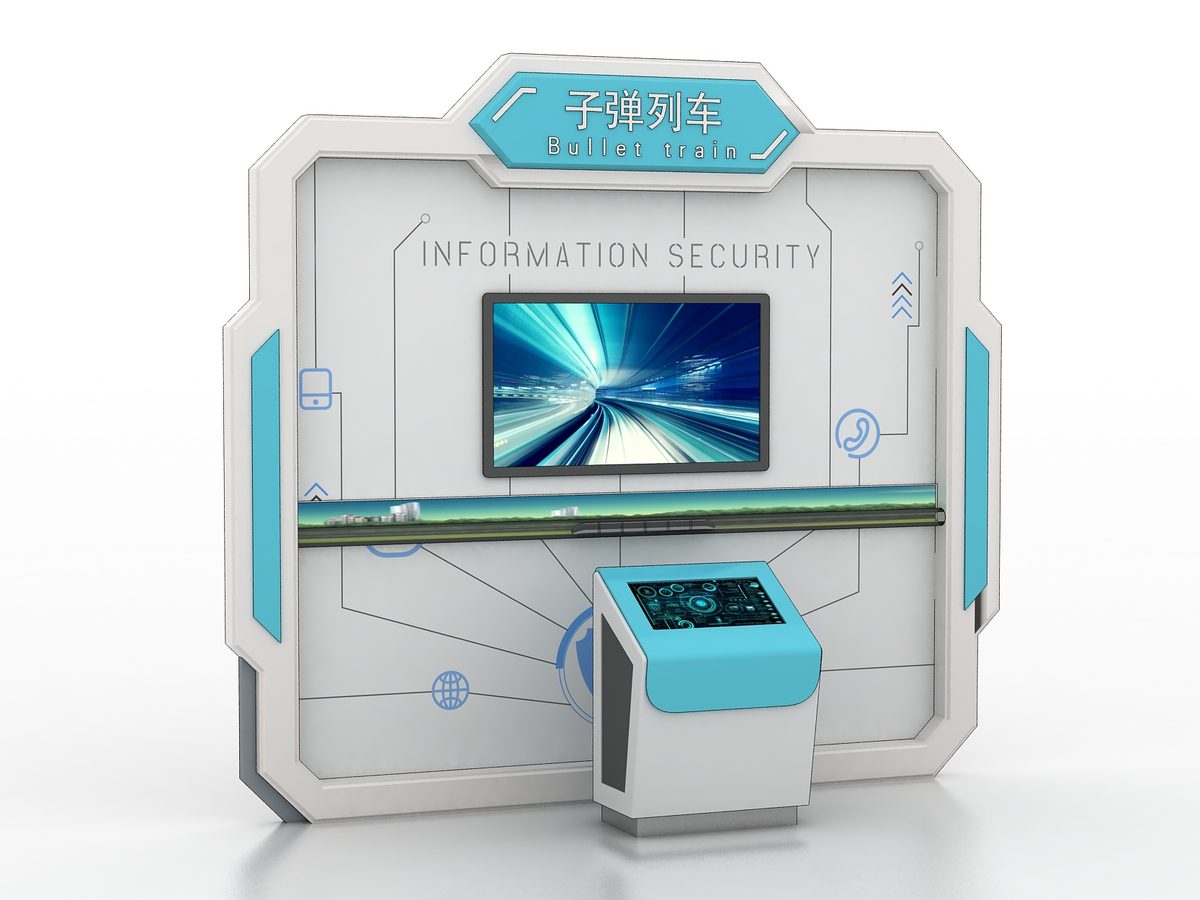
Other models from the Digital & AI line, all held to the same drawing and the same control package.
ZZKJG-3F-02-17Hundreds of orbiting nodes light up to show global coverage.
ZZKJG-3F-02-05Mechanical fingers play a request chosen by the visitor.
ZZKJG-3F-02-08A six-axis arm that answers every move at club level.
ZZKJG-3F-02-13A maglev carriage accelerating down a two-metre track.
Attach a theme outline, a floor plan, or nothing at all — a photo of the space is enough to start. Quotations are issued against real drawings, not per-square-metre guesses.