The surface of the Earth is composed of land and oceans, with the ocean covering the vast majority, hence the Earth…
| Category | Earth & Ecology |
|---|---|
| Standard size | Custom size |
| Supply | Single unit or batch · OEM to your drawing |
| Lead time | Standard 4–8 weeks after deposit (confirmed per contract) |
| Warranty | 1 year, structure and control |
| Documents | Specification sheet · control diagram · spare-part list |
A standard catalogue model: the dimensions, control package and finish are fixed, which is what keeps the price and the lead time predictable. Size, colour and interface language can be adapted without a new design cycle.
Standard models from this range are also listed in our online store, priced in USD — see the price yourself ↗
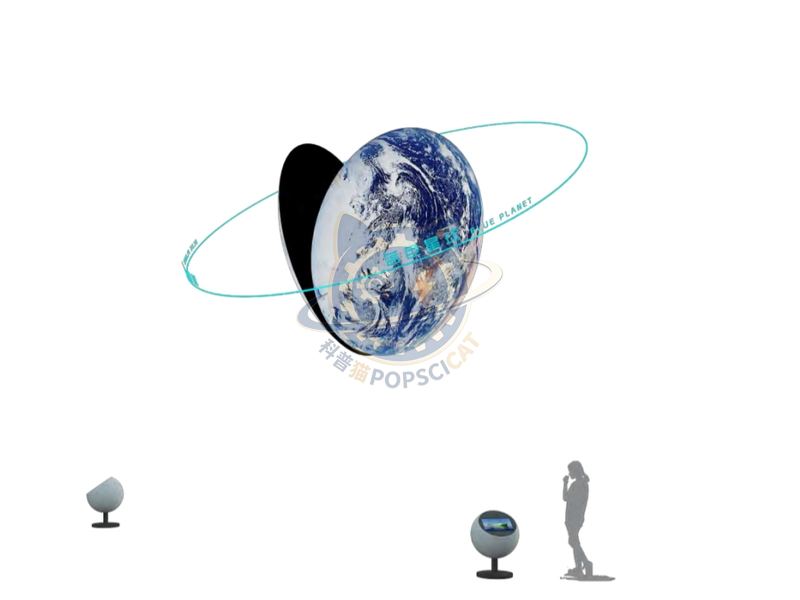
The surface of the Earth is composed of land and oceans, with the ocean covering the vast majority, hence the Earth is also known as the 'Blue Planet'. The total area of the ocean is about 360 million square kilometers, accounting for approximately 71% of the Earth's surface area; The average depth is about 3795 meters, and the total water volume is about 1.35 billion cubic kilometers, accounting for about 97% of the total water volume on Earth. The central body of the ocean is called the "ocean", and the part connected to the land at the edge is called the "sea". The two are interconnected, forming a unified and continuous body of water. Different sea areas have unique climate characteristics and rich biodiversity. This vast ocean not only shapes the natural appearance of the earth, but also provides a home for countless marine creatures to survive.
The unit is designed for unsupervised public use: controls are recessed or shielded, moving parts are enclosed, and the interface is operable by a child of about six with no instruction. Where a screen is used, the language can be switched without changing the hardware, and the content can be replaced on site.
Most of the Earth's surface is covered by blue oceans, hence it is also known as the 'blue planet'. Currently, 71% of the Earth's surface is occupied by oceans, while the remaining 29% is land. The vast bodies of water on the Earth's surface that are separated by continents and interconnected are collectively referred to as oceans, with the central part of the ocean called the ocean and the peripheral part called the sea. All oceans in the world are interconnected, forming a unified body of water that is also a major driving force for global weather and climate. Minor fluctuations in ocean temperature can trigger drastic changes in weather and climate around the world. The movement of seawater is mainly divided into three types: wave motion, tides, and ocean currents. The water in the sea always flows and circulates continuously according to certain rules, and this regular flow of seawater is called ocean currents. The formation of ocean currents is the result of a combination of multiple factors and follows certain laws. Ocean currents affect various physical, chemical, biological, and geological processes in the ocean.
Every unit leaves the factory after a running test: mechanisms cycled, electronics burned in, edges dressed, fixings torqued and marked. Wear parts — bearings, sliders, lamps, belts, touch panels — are modular and listed on the spare-part sheet, so a venue technician can replace them without returning the exhibit. Crating is plywood with foam blocking; the loading plan and packing list travel with the shipment.
Other models from the Earth & Ecology line, all held to the same specification and the same control package.

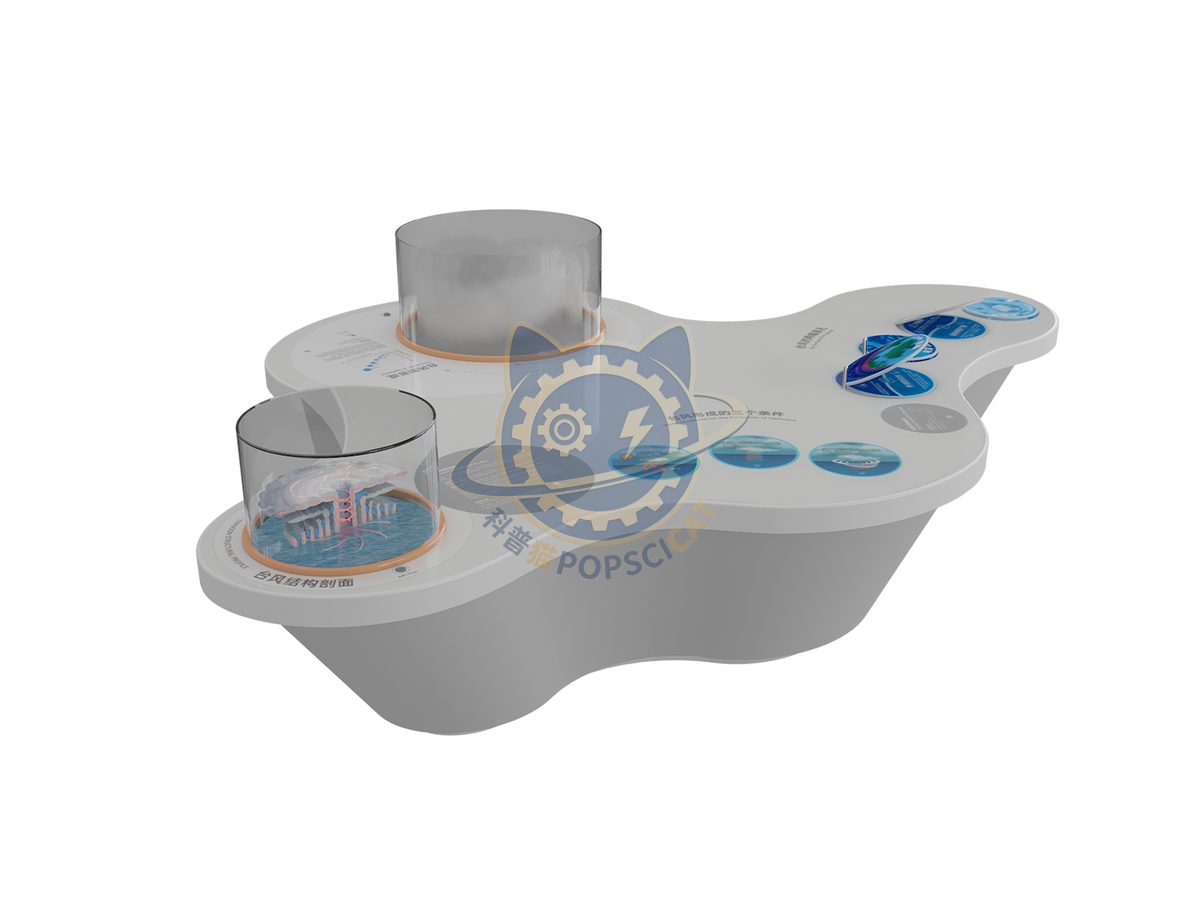
A vertical slice through a storm showing eye, eyewall and spiral bands.

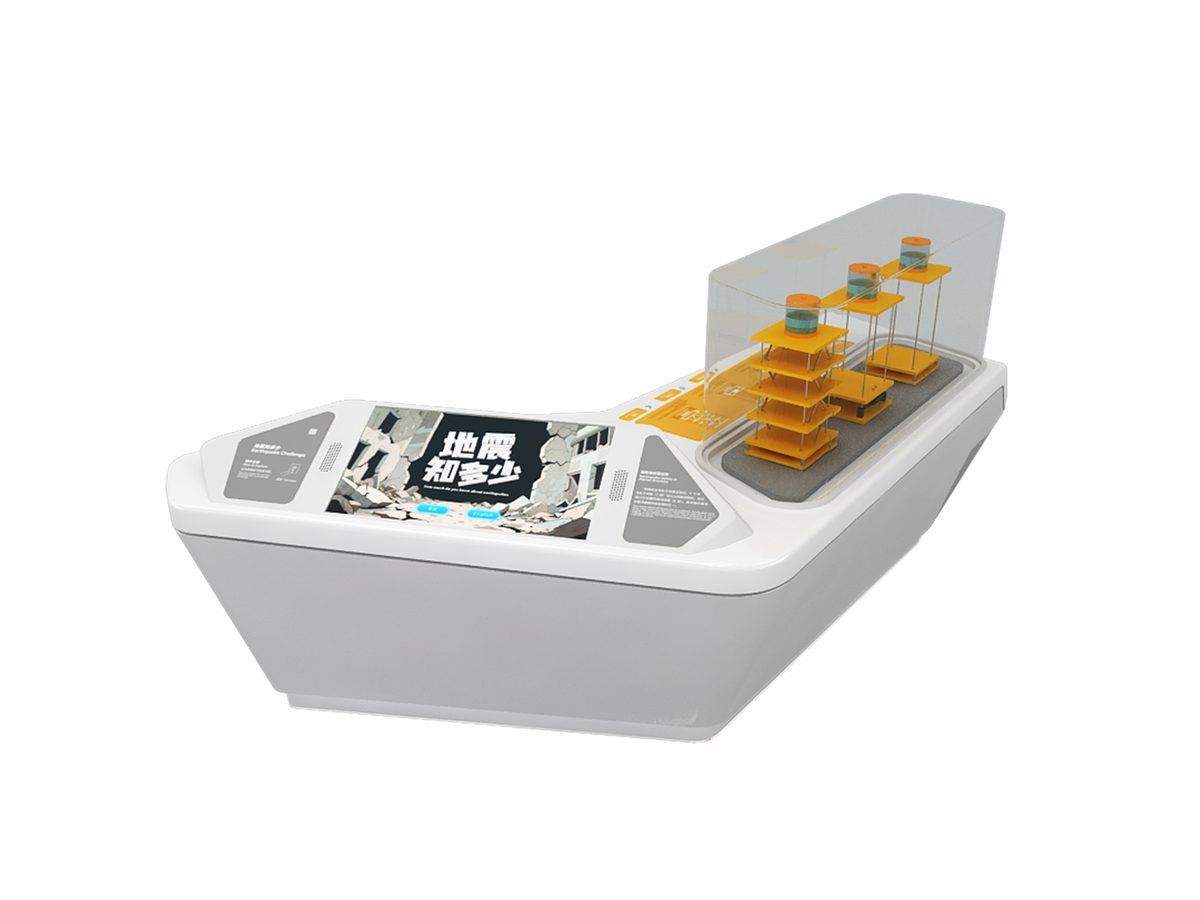
A platform shakes at recorded intensities while a seismograph traces the movement.

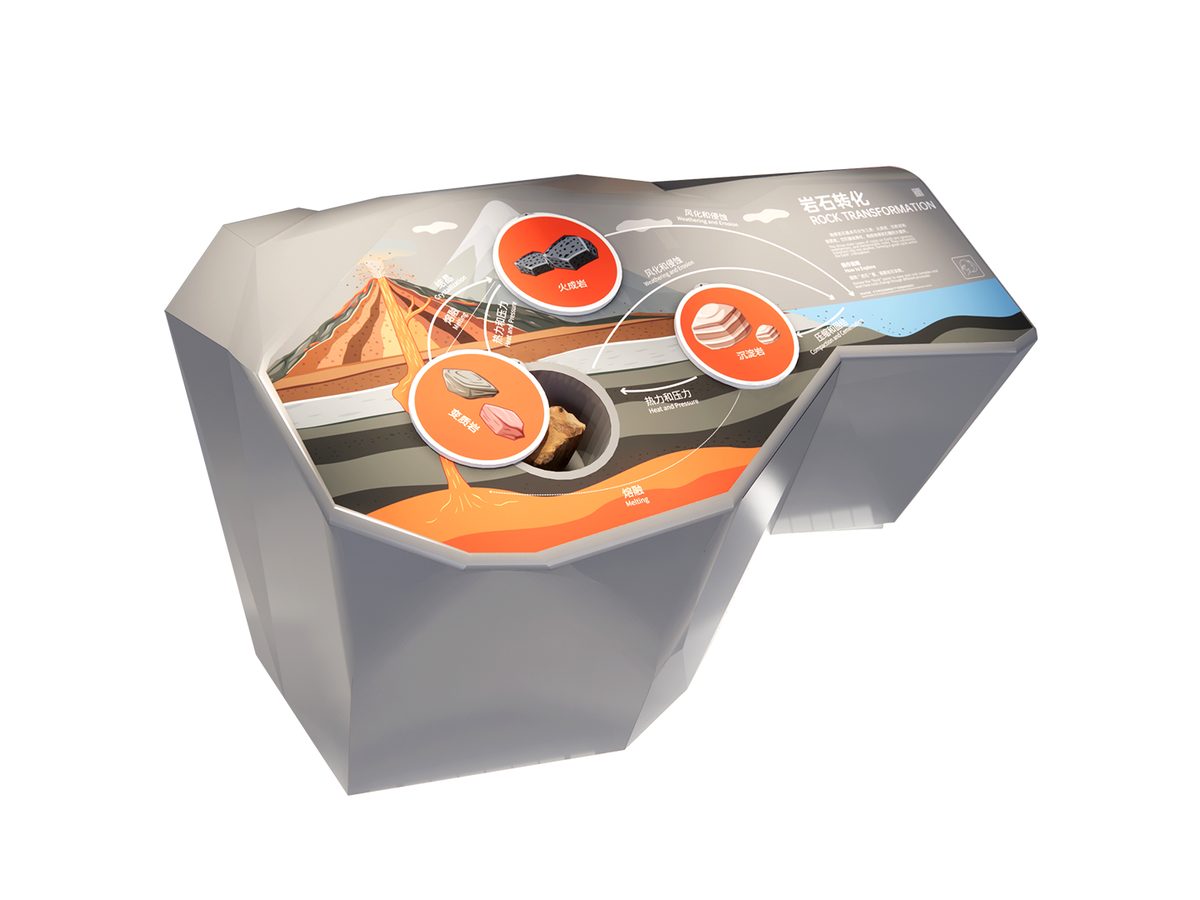
Heat and pressure turn one rock type into another on a turntable.

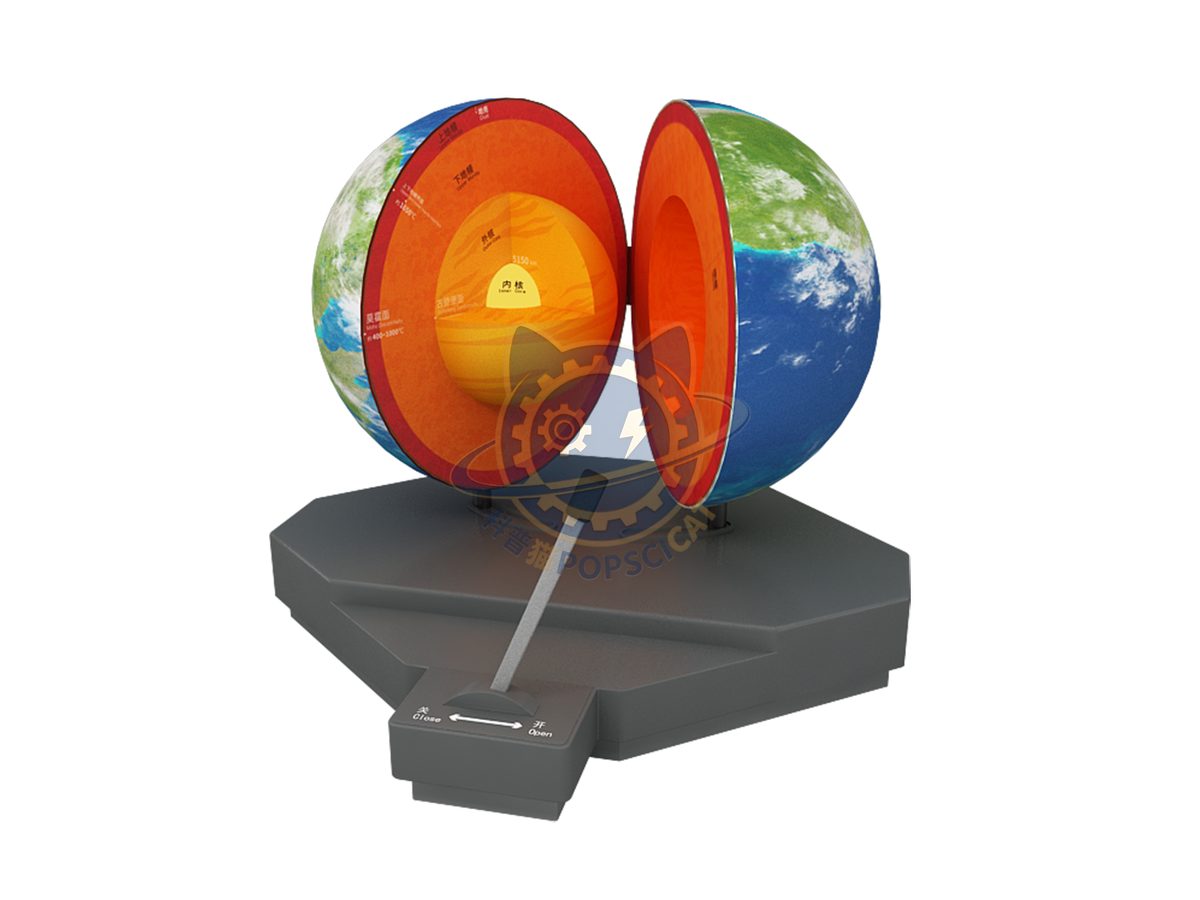
Cut-away globe showing crust, mantle, outer and inner core.
Attach a theme outline, a floor plan, or nothing at all — a photo of the space is enough to start. Quotations are issued against a real exhibit list, not per-square-metre guesses.
Scan to add us