Home/Exhibits/Earth & Ecology/Extremely Deep Land

Extremely Deep Land

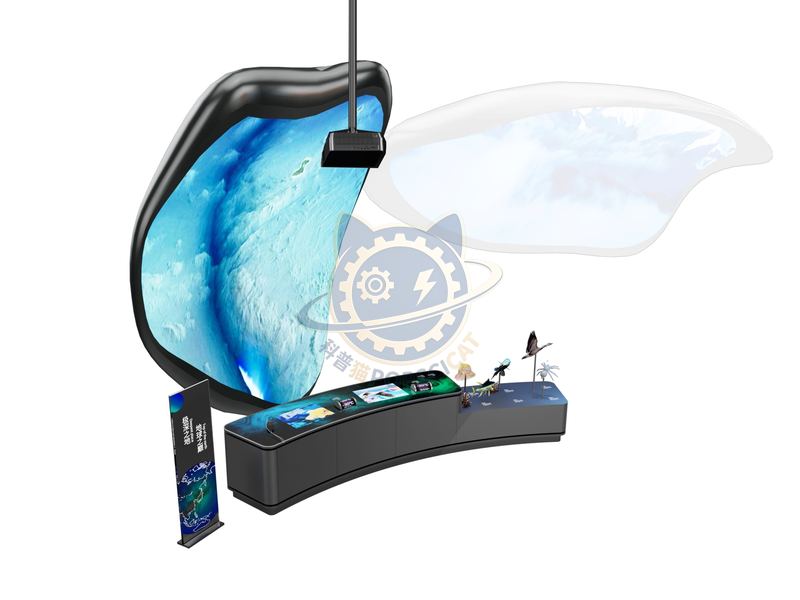
The Mariana Trench, located in the northwest Pacific Ocean, is the deepest known trench on Earth.

Extremely Deep Land — Earth & Ecology exhibit for science museums
Studio rendering
CategoryEarth & Ecology
Standard sizeCustom size
SupplySingle unit or batch · OEM to your drawing
Lead timeStandard 4–8 weeks after deposit (confirmed per contract)
Warranty1 year, structure and control
DocumentsSpecification sheet · control diagram · spare-part list

A standard catalogue model: the dimensions, control package and finish are fixed, which is what keeps the price and the lead time predictable. Size, colour and interface language can be adapted without a new design cycle.

Ask about this model → Email us

Standard models from this range are also listed in our online store, priced in USD — see the price yourself ↗
01 / Overview

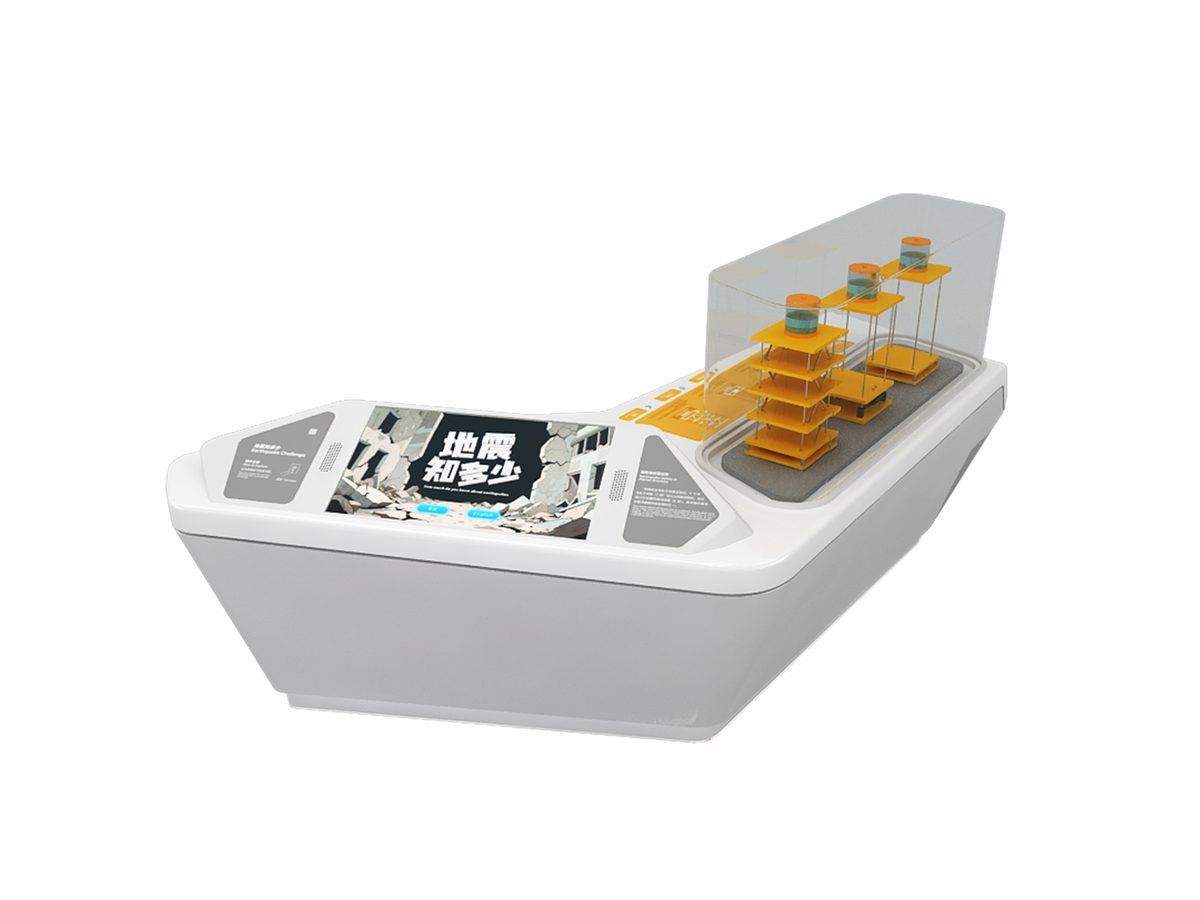
The Mariana Trench, located in the northwest Pacific Ocean, is the deepest known trench on Earth. Its deepest point is the Challenger Abyss, reaching a depth of approximately 10984 meters. Due to its extreme depth and high-pressure, low-temperature environment, this region has become an important place for scientists to study the tectonic plates of the Earth and deep-sea organisms. Despite the harsh environment, the Mariana Trench still has a unique ecosystem, including some specialized deep-sea organisms that have adapted to the dark, high-pressure, and cold conditions here.

02 / How visitors use it

The unit is designed for unsupervised public use: controls are recessed or shielded, moving parts are enclosed, and the interface is operable by a child of about six with no instruction. Where a screen is used, the language can be switched without changing the hardware, and the content can be replaced on site.

03 / The science behind it

The Mariana Trench is located in the western Pacific Ocean, east of the Mariana Islands and east of the Philippines. It is the deepest part of the world's oceans, with its maximum depth reaching 11034 meters at the Fijaz Deep, which is the deepest known point on Earth. The total length is 2550 kilometers, with the deepest point reaching 6-11 kilometers, making it the deepest known ocean. This area has high water pressure, complete darkness, low temperature, low oxygen content, and scarce food resources, making it one of the most environmentally hostile regions on Earth. There is also life present here. The "little flying elephant octopus" mostly lives at depths of about 3000 to 4000 meters on the seabed, making it the deepest habitat among all octopus species. Its population is very rare, and its characteristic is that it can adapt to extremely cold environments and high-pressure depths of the seabed. The density of continental crust is lighter, while oceanic plates are heavier. When oceanic plates encounter continental plates, heavier oceanic plates will subduct to the continental plates.

04 / Built for a public floor

Every unit leaves the factory after a running test: mechanisms cycled, electronics burned in, edges dressed, fixings torqued and marked. Wear parts — bearings, sliders, lamps, belts, touch panels — are modular and listed on the spare-part sheet, so a venue technician can replace them without returning the exhibit. Crating is plywood with foam blocking; the loading plan and packing list travel with the shipment.

Same category

More in Earth & Ecology

Other models from the Earth & Ecology line, all held to the same specification and the same control package.

Start a project

Send us your exhibit list.
We will come back with a price.

Attach a theme outline, a floor plan, or nothing at all — a photo of the space is enough to start. Quotations are issued against a real exhibit list, not per-square-metre guesses.

WeChat QR code — scan to message us Scan to add us
on WeChat