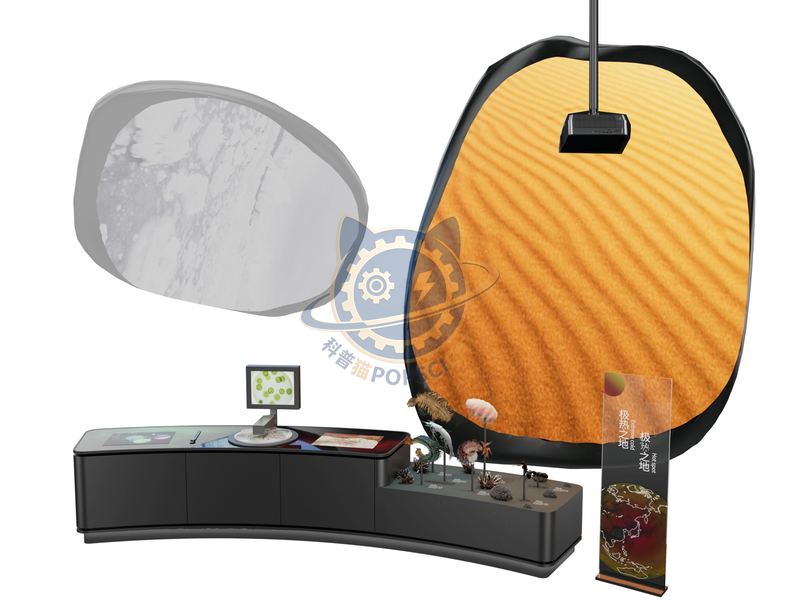
El Azzya is one of the hottest regions on Earth.
| Category | Earth & Ecology |
|---|---|
| Standard size | Custom size |
| Supply | Single unit or batch · OEM to your drawing |
| Lead time | Standard 4–8 weeks after deposit (confirmed per contract) |
| Warranty | 1 year, structure and control |
| Documents | Specification sheet · control diagram · spare-part list |
A standard catalogue model: the dimensions, control package and finish are fixed, which is what keeps the price and the lead time predictable. Size, colour and interface language can be adapted without a new design cycle.
Standard models from this range are also listed in our online store, priced in USD — see the price yourself ↗
El Azzya is one of the hottest regions on Earth. Due to its proximity to the equator and location in a desert area, it is constantly exposed to strong solar radiation, resulting in extremely high temperatures. In September 1922, the temperature here reached 58 ℃, holding the Guinness World Record for the hottest place in the world. More than 95% of Libya's territory is desert and semi desert, and the northern part where Azziya is located has a subtropical Mediterranean climate with hot and dry summers. Under the influence of dry and hot winds from the southern Sahara Desert, temperatures can reach up to around 50 ℃. Cold loving microorganisms and thermophilic microorganisms refer to microorganisms that grow in low and high temperature environments, respectively, and have unique physiological and metabolic characteristics. Thermophilic bacteria refer to heat-resistant acidophilic bacteria and archaea that can grow in environments above 45 ℃ and pH below 3.0. Microorganisms that can grow and reproduce at 0-5 ℃ are called cold tolerant microorganisms or.
The unit is designed for unsupervised public use: controls are recessed or shielded, moving parts are enclosed, and the interface is operable by a child of about six with no instruction. Where a screen is used, the language can be switched without changing the hardware, and the content can be replaced on site.
1. The 5 hottest places in the world: Iran's Lut Desert - Asia, where the highest temperature can reach 71 ℃ (2005); Azziya, Libya - Africa, in September 1922, the temperature here reached 58 ℃; Death Valley in North America, where the temperature reached 56.7 ℃ in July 1913; Turpan Basin - China, the temperature of sand surface can reach 80 to 90 degrees Celsius; The temperature of sand in the Sahara Desert can reach up to 70-80 ℃ during the day. two Organisms living in extremely hot environments: The Pompeian worm, also known as the rigid caterpillar, lives on the seabed of the Eastern Pacific and is currently the most heat-resistant animal known on Earth. Its tail end can withstand temperatures of over 80 degrees Celsius. Its surface secretes a type of mucus, which many bacteria use as food and parasitize on the surface of the Ponzi worm. That layer of bacteria blocks the high temperature from the outside world for the Ponzi worm. ②.
Every unit leaves the factory after a running test: mechanisms cycled, electronics burned in, edges dressed, fixings torqued and marked. Wear parts — bearings, sliders, lamps, belts, touch panels — are modular and listed on the spare-part sheet, so a venue technician can replace them without returning the exhibit. Crating is plywood with foam blocking; the loading plan and packing list travel with the shipment.
Other models from the Earth & Ecology line, all held to the same specification and the same control package.

A vertical slice through a storm showing eye, eyewall and spiral bands.

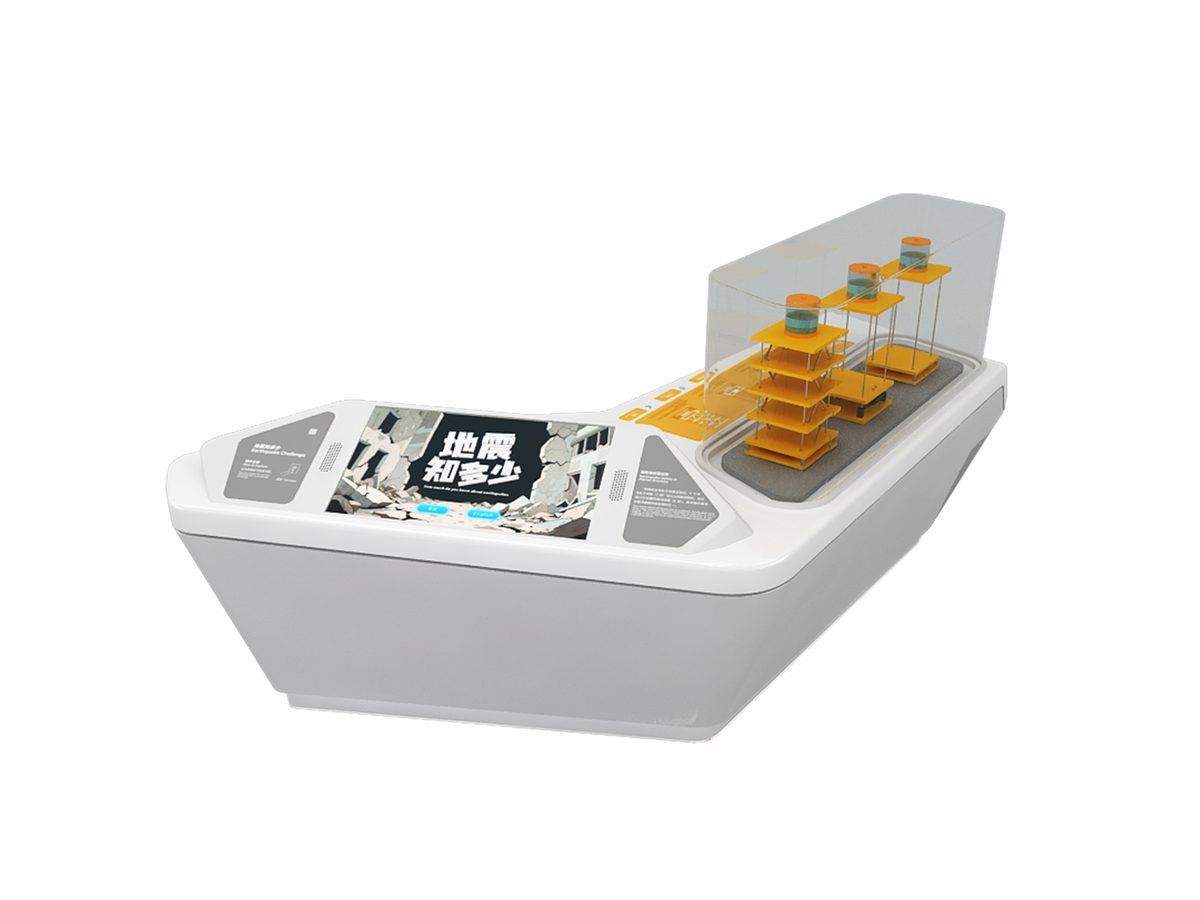
A platform shakes at recorded intensities while a seismograph traces the movement.

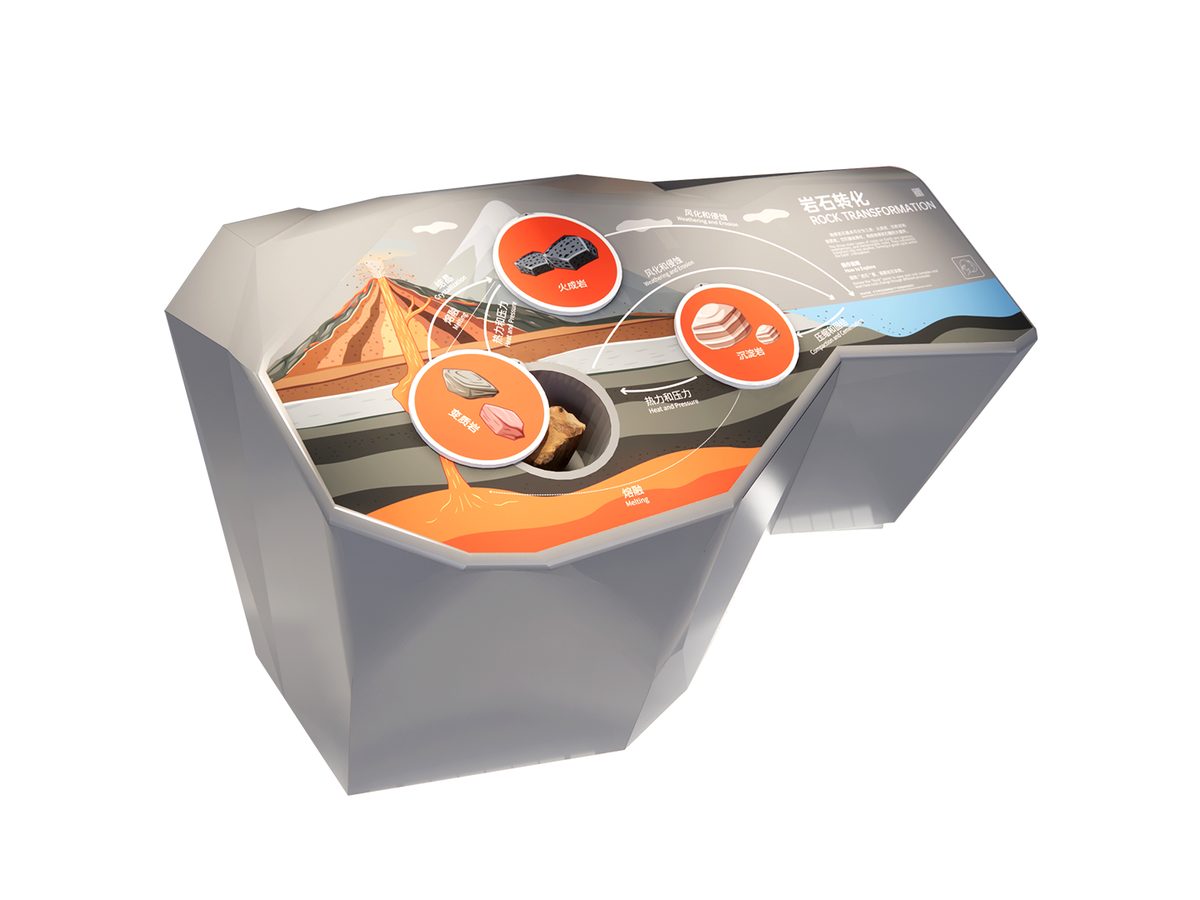
Heat and pressure turn one rock type into another on a turntable.

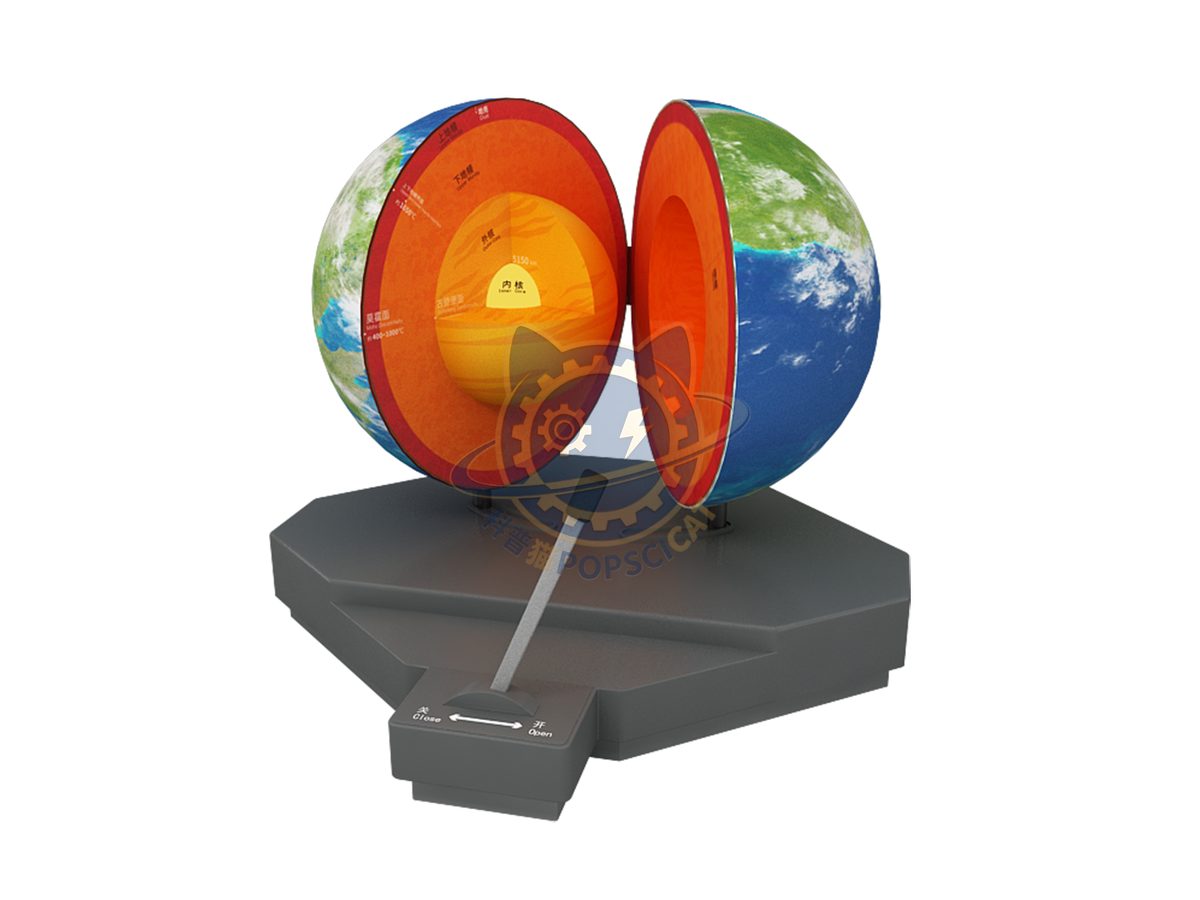
Cut-away globe showing crust, mantle, outer and inner core.
Attach a theme outline, a floor plan, or nothing at all — a photo of the space is enough to start. Quotations are issued against a real exhibit list, not per-square-metre guesses.
Scan to add us