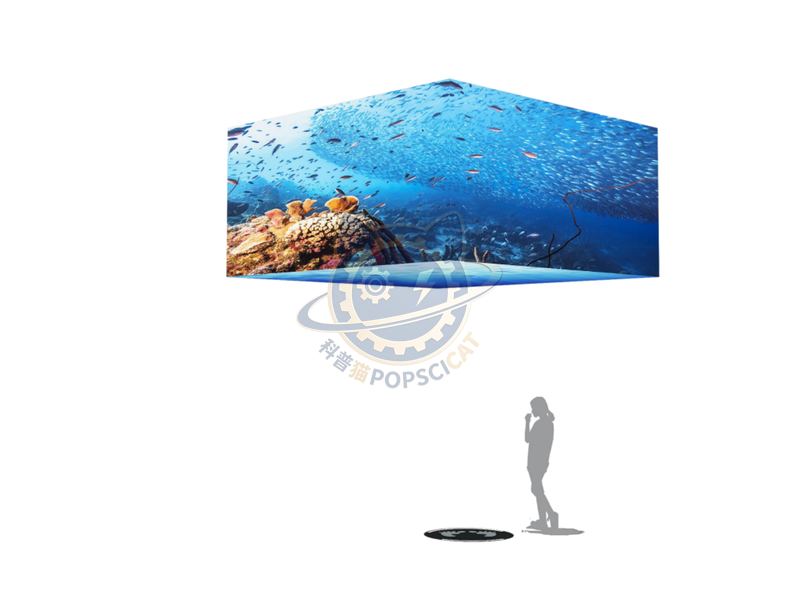
Ocean Cube

The total area of the ocean on Earth is about 360 million square kilometers, accounting for approximately 71% of the…

Ocean Cube — Earth & Ecology exhibit for science museums
Studio rendering
CategoryEarth & Ecology
Standard sizeCustom size
SupplySingle unit or batch · OEM to your drawing
Lead timeStandard 4–8 weeks after deposit (confirmed per contract)
Warranty1 year, structure and control
DocumentsSpecification sheet · control diagram · spare-part list

A standard catalogue model: the dimensions, control package and finish are fixed, which is what keeps the price and the lead time predictable. Size, colour and interface language can be adapted without a new design cycle.

Ask about this model → Email us

Standard models from this range are also listed in our online store, priced in USD — see the price yourself ↗
01 / Overview

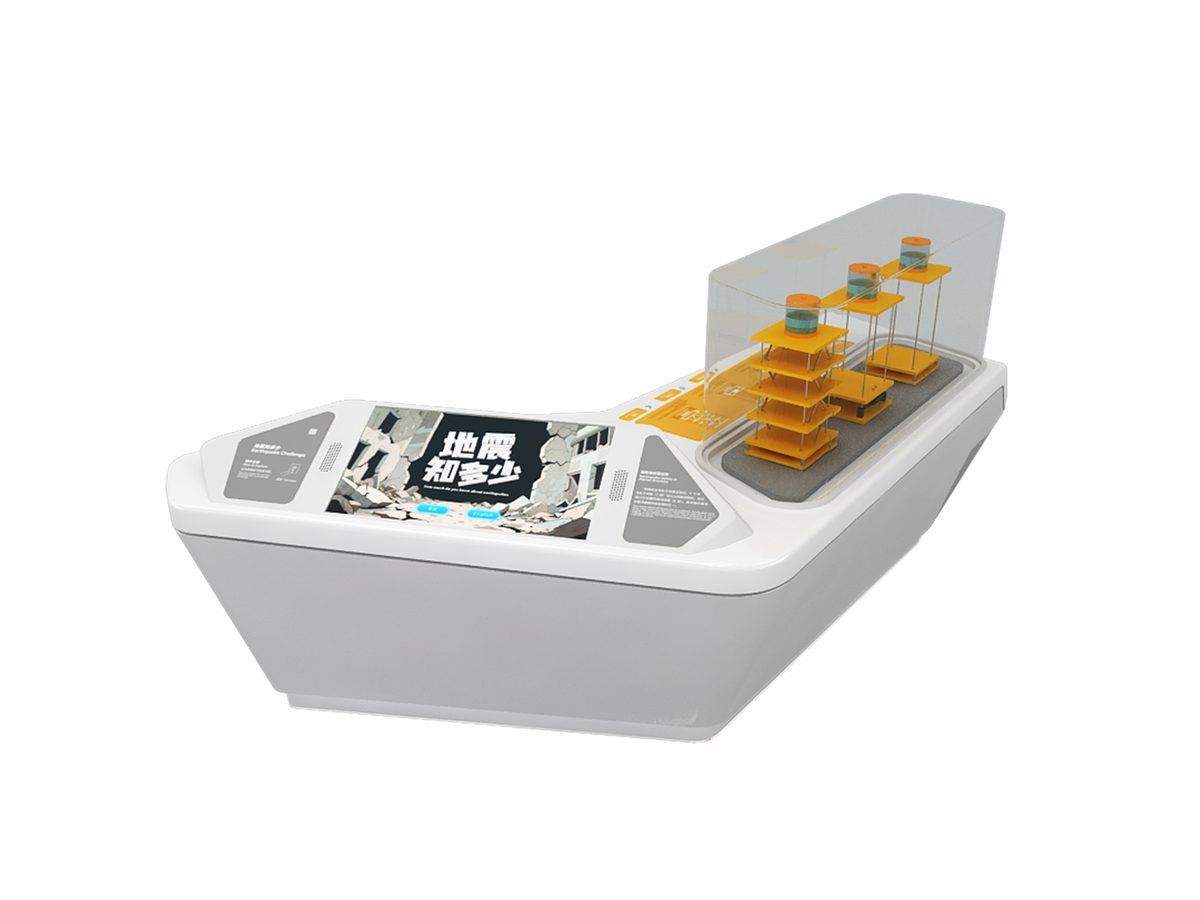
The total area of the ocean on Earth is about 360 million square kilometers, accounting for approximately 71% of the Earth's surface area. It forms a natural network connecting continents and contains abundant biological and mineral resources. The marine industry includes multiple fields such as modern fisheries, shipbuilding, and manufacturing of marine engineering equipment, and plays a crucial role in the development of the global economy.

02 / How visitors use it

The unit is designed for unsupervised public use: controls are recessed or shielded, moving parts are enclosed, and the interface is operable by a child of about six with no instruction. Where a screen is used, the language can be switched without changing the hardware, and the content can be replaced on site.

03 / The science behind it

1. Marine ecology: The marine ecosystem is a complex whole composed of multiple interrelated subsystems, like a colorful picture. Among them, the surface area that sunlight can penetrate is the most dynamic part of the ecosystem, and phytoplankton use sunlight for photosynthesis and oxygen production, forming the starting point of the marine food chain; As the depth of the ocean increases, sunlight gradually disappears, and the organisms in this area survive through chemical synthesis or predation of other organisms, forming a unique deep-sea ecosystem. two Ocean illumination: The propagation of light underwater has unique characteristics and follows a spectral gradient pattern. Due to the varying abilities of light of different wavelengths to penetrate water bodies, short wavelength light (such as blue light) is more likely to penetrate water bodies than long wavelength light (such as red light); At the same time, light is continuously absorbed and scattered by suspended solids, dissolved substances, and organisms in the water during propagation, resulting in a gradual decrease in illuminance with increasing water depth, and the rate of decrease depends on the clarity of the water.

04 / Built for a public floor

Every unit leaves the factory after a running test: mechanisms cycled, electronics burned in, edges dressed, fixings torqued and marked. Wear parts — bearings, sliders, lamps, belts, touch panels — are modular and listed on the spare-part sheet, so a venue technician can replace them without returning the exhibit. Crating is plywood with foam blocking; the loading plan and packing list travel with the shipment.

Same category

More in Earth & Ecology

Other models from the Earth & Ecology line, all held to the same specification and the same control package.

Start a project

Send us your exhibit list.
We will come back with a price.

Attach a theme outline, a floor plan, or nothing at all — a photo of the space is enough to start. Quotations are issued against a real exhibit list, not per-square-metre guesses.

WeChat QR code — scan to message us Scan to add us
on WeChat