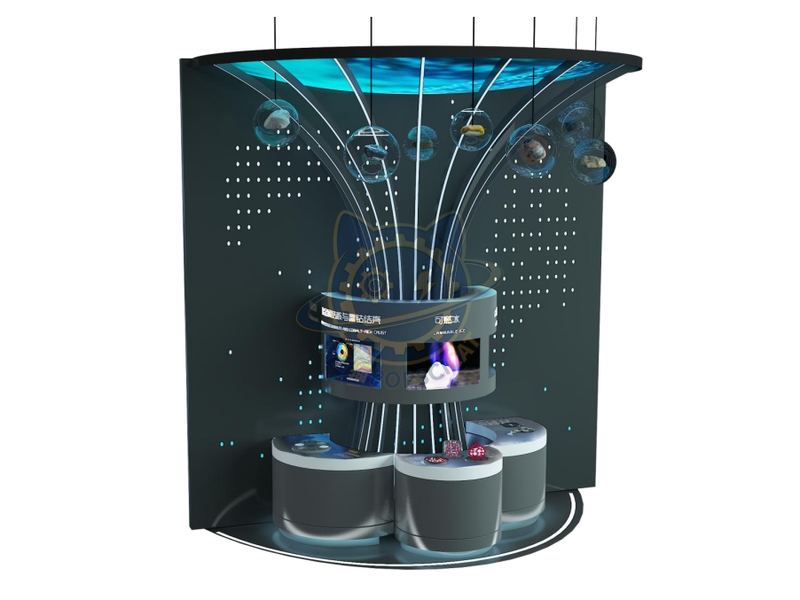
Both polymetallic nodules and cobalt rich crusts are solid mineral resources deposited in the deep sea.
| Category | Earth & Ecology |
|---|---|
| Standard size | Custom size |
| Supply | Single unit or batch · OEM to your drawing |
| Lead time | Standard 4–8 weeks after deposit (confirmed per contract) |
| Warranty | 1 year, structure and control |
| Documents | Specification sheet · control diagram · spare-part list |
A standard catalogue model: the dimensions, control package and finish are fixed, which is what keeps the price and the lead time predictable. Size, colour and interface language can be adapted without a new design cycle.
Standard models from this range are also listed in our online store, priced in USD — see the price yourself ↗
Both polymetallic nodules and cobalt rich crusts are solid mineral resources deposited in the deep sea. Polymetallic nodules are mainly composed of iron manganese oxides and hydroxides, and are commonly found in waters up to 4000 meters deep. Cobalt rich crusts are mainly composed of manganese dioxide and ferromanganese minerals, with an average cobalt content of up to 0.90%. They are mainly distributed in seamounts, island slopes, and seafloor highlands at depths of 800-2500 meters.
The unit is designed for unsupervised public use: controls are recessed or shielded, moving parts are enclosed, and the interface is operable by a child of about six with no instruction. Where a screen is used, the language can be switched without changing the hardware, and the content can be replaced on site.
Both polymetallic nodules and cobalt rich crusts are important potential mineral resources in the deep sea, belonging to iron manganese oxide and hydroxide mineral aggregates. However, there are significant differences in composition, morphology, distribution, and formation mechanisms. The specific scientific analysis is as follows: polymetallic nodules, also known as manganese nodules or metal nodules, are mainly composed of iron manganese oxides and hydroxides, and are rich in various metal elements such as manganese, iron, nickel, copper, cobalt, etc. They are a deep-sea mineral with high development potential. This type of tuberculosis is mainly distributed at the bottom of the deep sea at depths of 2000-6000 meters, and its morphology is mostly in the form of nodules, shells, or plates. Its formation core is closely related to the oxidation and precipitation process of manganese and iron elements in the ocean. Due to the extremely slow oxidation and precipitation rates of manganese and iron ions in the marine environment, the growth rate of polymetallic nodules is also very slow, averaging only 1 millimeter per thousand years. Due to its high content of metallic elements and abundant reserves, it is widely regarded as the future.
Every unit leaves the factory after a running test: mechanisms cycled, electronics burned in, edges dressed, fixings torqued and marked. Wear parts — bearings, sliders, lamps, belts, touch panels — are modular and listed on the spare-part sheet, so a venue technician can replace them without returning the exhibit. Crating is plywood with foam blocking; the loading plan and packing list travel with the shipment.
Other models from the Earth & Ecology line, all held to the same specification and the same control package.

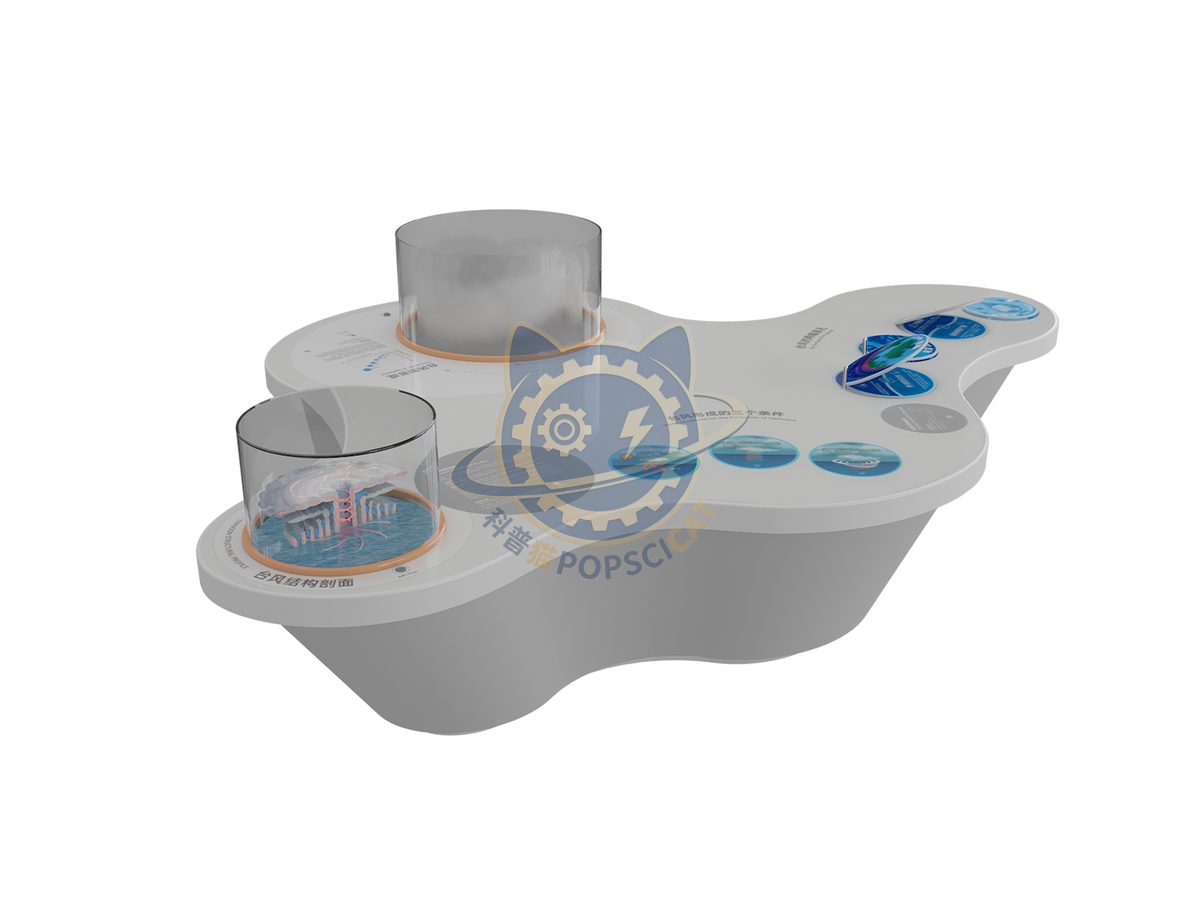
A vertical slice through a storm showing eye, eyewall and spiral bands.

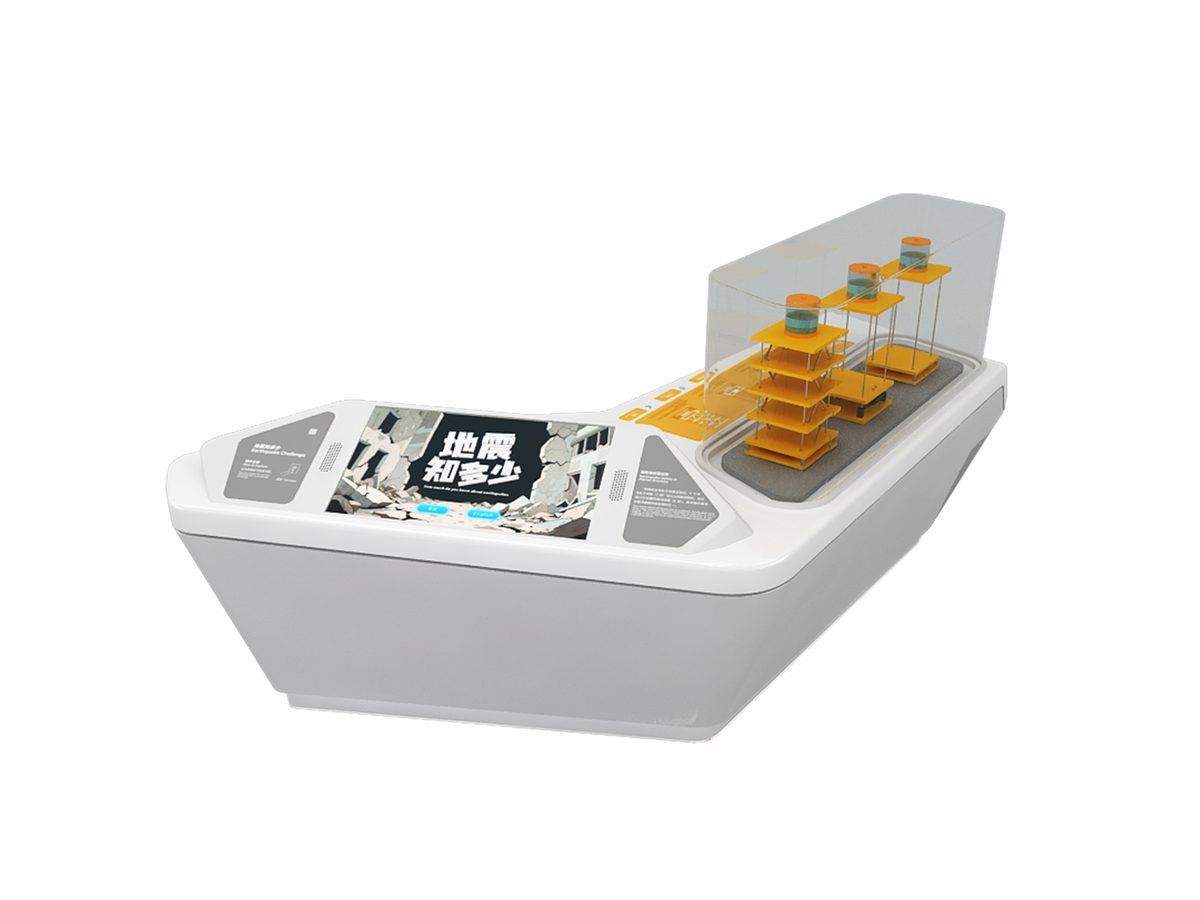
A platform shakes at recorded intensities while a seismograph traces the movement.

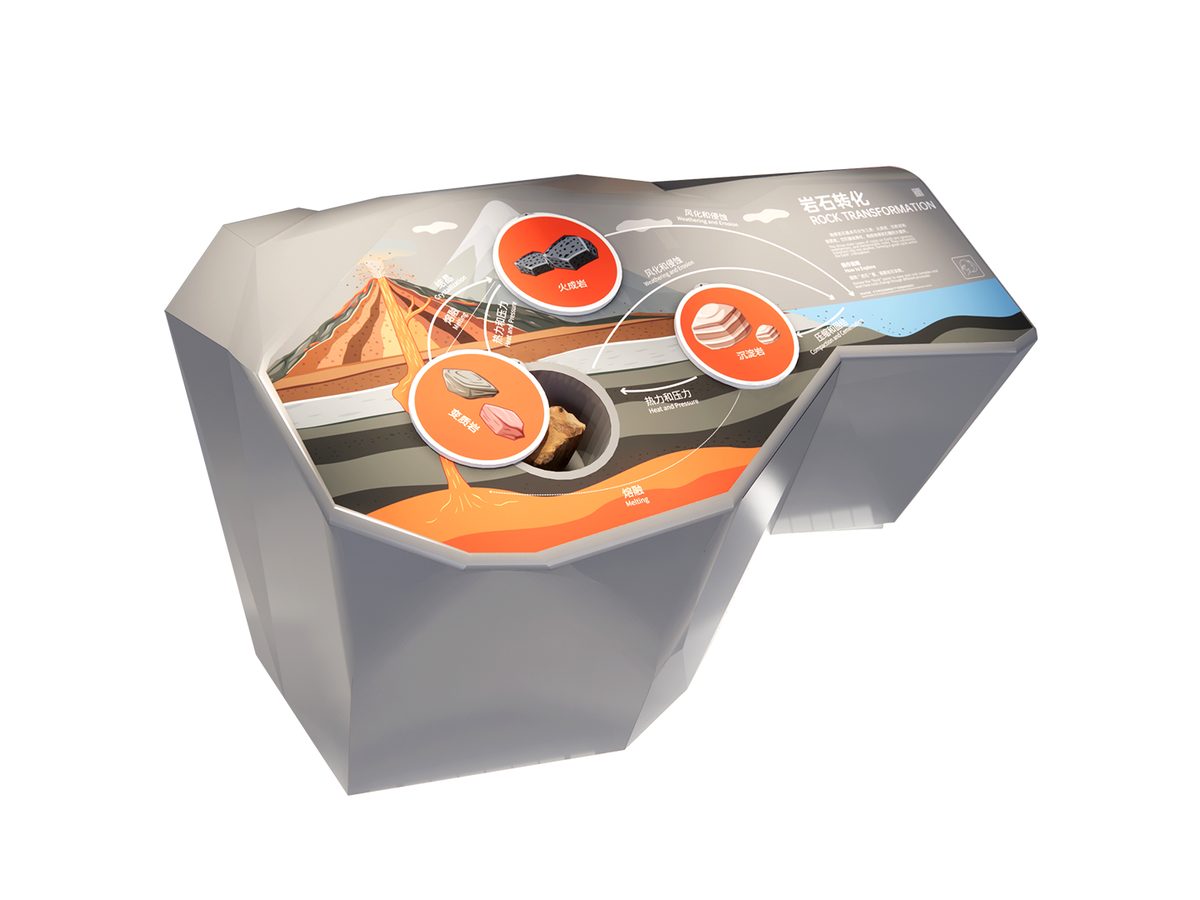
Heat and pressure turn one rock type into another on a turntable.

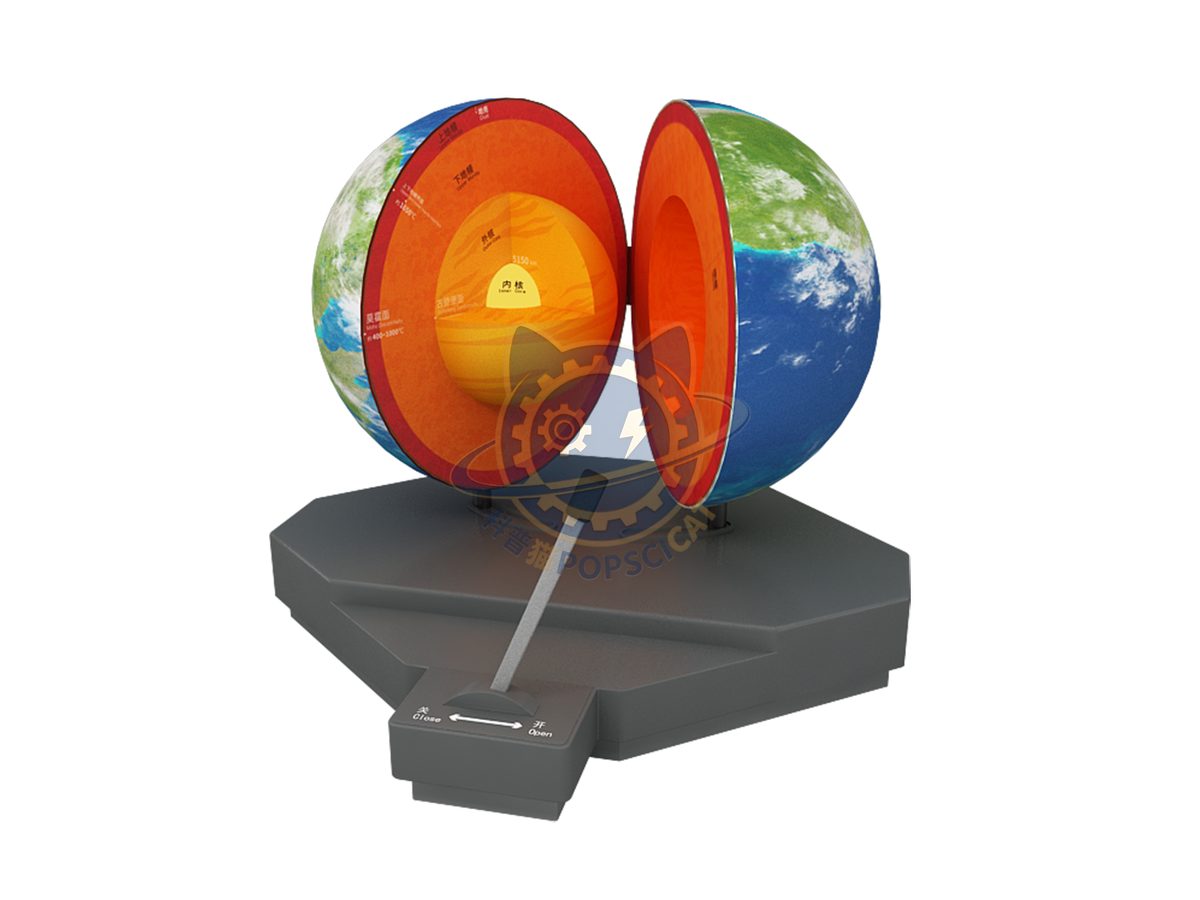
Cut-away globe showing crust, mantle, outer and inner core.
Attach a theme outline, a floor plan, or nothing at all — a photo of the space is enough to start. Quotations are issued against a real exhibit list, not per-square-metre guesses.
Scan to add us