Home/Exhibits/Earth & Ecology/Relay breeding of rubber trees

Relay breeding of rubber trees

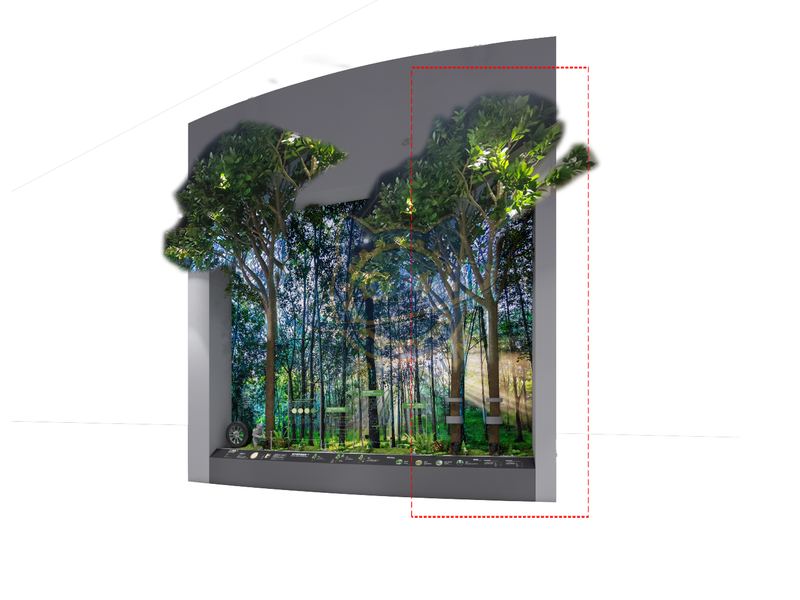
Traditional manual rubber cutting and modern intelligent rubber cutting machines are displayed side by side, vividly…

Relay breeding of rubber trees — Earth & Ecology exhibit for science museums
Studio rendering
CategoryEarth & Ecology
Standard sizeCustom size
SupplySingle unit or batch · OEM to your drawing
Lead timeStandard 4–8 weeks after deposit (confirmed per contract)
Warranty1 year, structure and control
DocumentsSpecification sheet · control diagram · spare-part list

A standard catalogue model: the dimensions, control package and finish are fixed, which is what keeps the price and the lead time predictable. Size, colour and interface language can be adapted without a new design cycle.

Ask about this model → Email us

Standard models from this range are also listed in our online store, priced in USD — see the price yourself ↗
01 / Overview

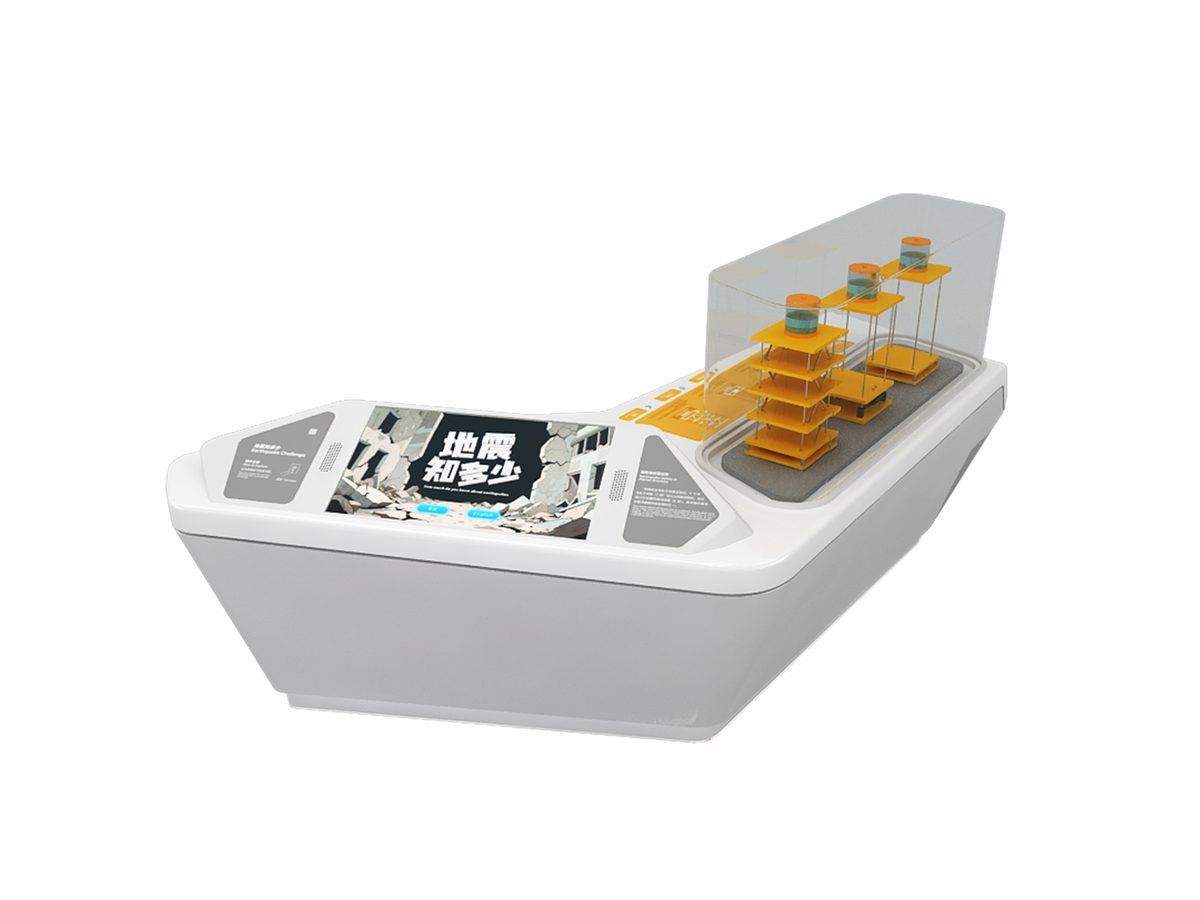
Traditional manual rubber cutting and modern intelligent rubber cutting machines are displayed side by side, vividly demonstrating the revolutionary transformation of Hainan's natural rubber industry from the arduous labor of "people carrying stars and moon" to "machine labor". The design adopts a "scene restoration+technology demonstration" approach to visually present the technological breakthroughs behind millimeter level precision rubber cutting. At the same time, it narrates the perseverance and inheritance of three generations of researchers in relay tree cultivation, which deeply echoes the profound historical accumulation and cutting-edge modern technology at this moment. Push the push rod and learn about manual rubber cutting. Rubber trees require cutting every 2-4 days, and about 80 cuts per year. The best time for cutting glue is usually in the early morning, when the latex flows out and the glue is collected in the morning. The bark of rubber trees is divided into five layers, with the yellow bark layer having the highest density of milk ducts. This layer accounts for about 20% of the total thickness of the bark and is the main gum producing area. The water sac skin contains immature and tender milk ducts with a thickness of less than 1 millimeter. Once damaged, it will affect the high and stable yield of rubber trees. Glue cutting requires millimeter level precision.

02 / How visitors use it

The unit is designed for unsupervised public use: controls are recessed or shielded, moving parts are enclosed, and the interface is operable by a child of about six with no instruction. Where a screen is used, the language can be switched without changing the hardware, and the content can be replaced on site.

03 / Built for a public floor

Every unit leaves the factory after a running test: mechanisms cycled, electronics burned in, edges dressed, fixings torqued and marked. Wear parts — bearings, sliders, lamps, belts, touch panels — are modular and listed on the spare-part sheet, so a venue technician can replace them without returning the exhibit. Crating is plywood with foam blocking; the loading plan and packing list travel with the shipment.

Same category

More in Earth & Ecology

Other models from the Earth & Ecology line, all held to the same specification and the same control package.

Start a project

Send us your exhibit list.
We will come back with a price.

Attach a theme outline, a floor plan, or nothing at all — a photo of the space is enough to start. Quotations are issued against a real exhibit list, not per-square-metre guesses.

WeChat QR code — scan to message us Scan to add us
on WeChat