Home/Exhibits/Earth & Ecology/Special glass observation window

Special glass observation window

The observation window of manned submersibles usually uses lightweight and highly transparent organic glass…

Special glass observation window — Earth & Ecology exhibit for science museums
Studio rendering
CategoryEarth & Ecology
Standard sizeCustom size
SupplySingle unit or batch · OEM to your drawing
Lead timeStandard 4–8 weeks after deposit (confirmed per contract)
Warranty1 year, structure and control
DocumentsSpecification sheet · control diagram · spare-part list

A standard catalogue model: the dimensions, control package and finish are fixed, which is what keeps the price and the lead time predictable. Size, colour and interface language can be adapted without a new design cycle.

Ask about this model → Email us

Standard models from this range are also listed in our online store, priced in USD — see the price yourself ↗
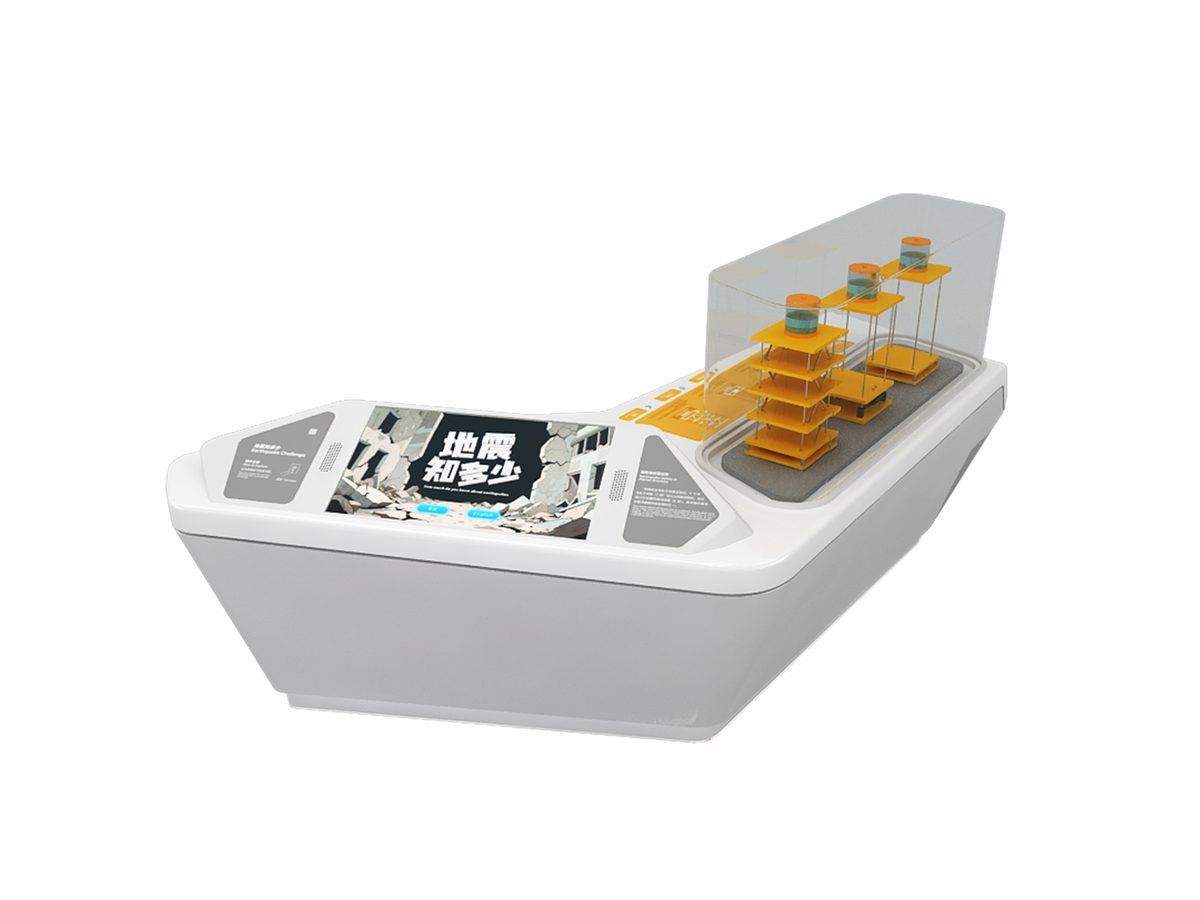
01 / Overview

The observation window of manned submersibles usually uses lightweight and highly transparent organic glass (polymethyl methacrylate) as the core material. This material has stable performance, good toughness, and excellent pressure resistance, and there will be obvious signs before damage. The structure of observation windows is mainly divided into three types: frustum shaped, spherical fan-shaped, and flat circular. The specific selection needs to comprehensively consider factors such as structural strength, manufacturing cost, field of view, and installation and maintenance convenience.

02 / How visitors use it

The unit is designed for unsupervised public use: controls are recessed or shielded, moving parts are enclosed, and the interface is operable by a child of about six with no instruction. Where a screen is used, the language can be switched without changing the hardware, and the content can be replaced on site.

03 / The science behind it

The transparent structure of the observation window used by the submersible for external observation in the manned cabin is made of polymethyl methacrylate (organic glass) polymer transparent material, which has physical properties such as low density and high transparency. In terms of mechanical properties, organic glass exhibits characteristics such as strain rate strengthening and high strain rate embrittlement. It shows ductile failure under quasi-static loading and significant brittle fracture under high-speed dynamic loading. For nearly 100 years, the mainstream observation windows for manned submersibles internationally have been dominated by organic glass, and in order to better resist water pressure of tens of thousands of meters, a conical structure with a larger outer surface and a smaller inner surface has been adopted. 1. Three classic observation windows (1) Cone shaped observation window Cone shaped observation window is currently the main structural form of submersible observation window. It has a small opening on the pressure resistant shell and can maintain good sealing in high-pressure environments. Compared to a flat circular shape, a conical observation window provides a wider field of view and better structure.

04 / Built for a public floor

Every unit leaves the factory after a running test: mechanisms cycled, electronics burned in, edges dressed, fixings torqued and marked. Wear parts — bearings, sliders, lamps, belts, touch panels — are modular and listed on the spare-part sheet, so a venue technician can replace them without returning the exhibit. Crating is plywood with foam blocking; the loading plan and packing list travel with the shipment.

Same category

More in Earth & Ecology

Other models from the Earth & Ecology line, all held to the same specification and the same control package.

Start a project

Send us your exhibit list.
We will come back with a price.

Attach a theme outline, a floor plan, or nothing at all — a photo of the space is enough to start. Quotations are issued against a real exhibit list, not per-square-metre guesses.

WeChat QR code — scan to message us Scan to add us
on WeChat