Community energy storage refers to the technology of storing electricity in a centralized or distributed manner at…
| Category | Technology & Everyday Life |
|---|---|
| Standard size | Custom size |
| Supply | Single unit or batch · OEM to your drawing |
| Lead time | Standard 4–8 weeks after deposit (confirmed per contract) |
| Warranty | 1 year, structure and control |
| Documents | Specification sheet · control diagram · spare-part list |
A standard catalogue model: the dimensions, control package and finish are fixed, which is what keeps the price and the lead time predictable. Size, colour and interface language can be adapted without a new design cycle.
Standard models from this range are also listed in our online store, priced in USD — see the price yourself ↗
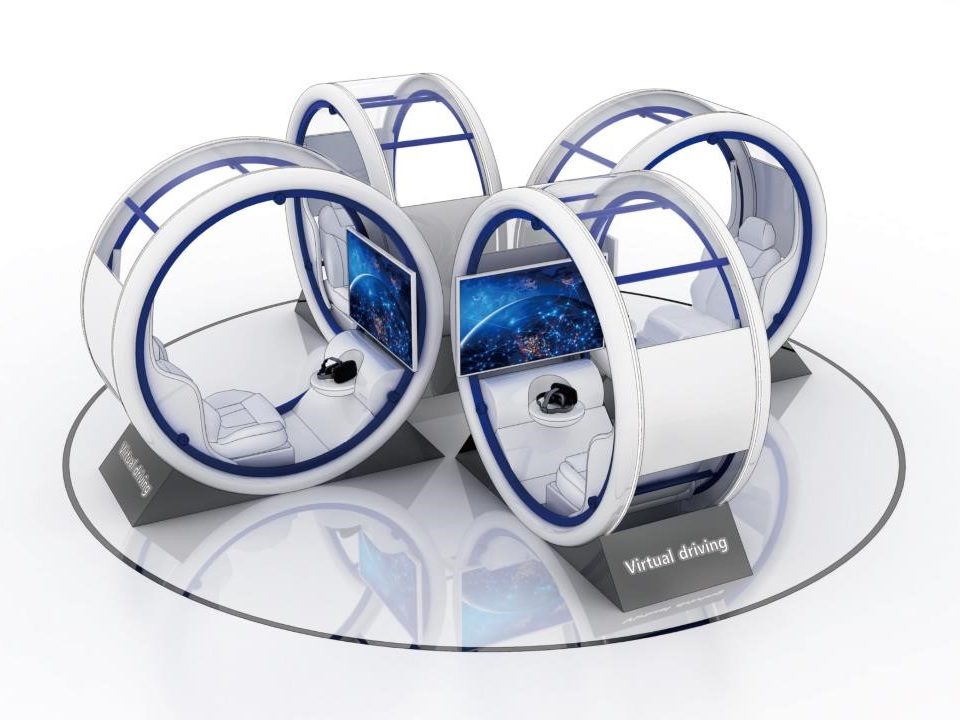
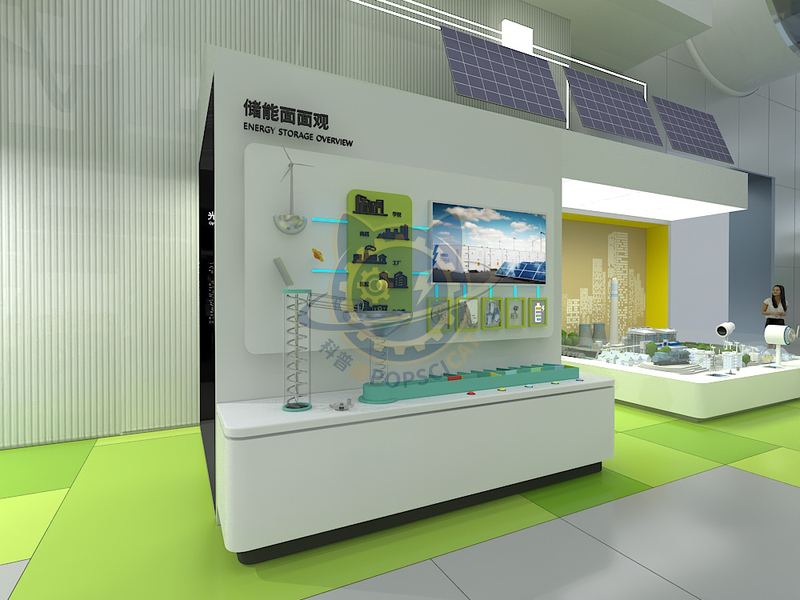
Community energy storage refers to the technology of storing electricity in a centralized or distributed manner at the community level for emergency use. The principle is mainly to use energy storage devices such as batteries and flywheels to store energy when there is excess electricity and release energy during peak electricity demand, thereby achieving energy balance and optimized utilization. Community energy storage is applied in residential communities, commercial areas, industrial parks and other places, providing stable and reliable electricity while effectively solving the volatility and intermittency problems of renewable energy generation.
The unit is designed for unsupervised public use: controls are recessed or shielded, moving parts are enclosed, and the interface is operable by a child of about six with no instruction. Where a screen is used, the language can be switched without changing the hardware, and the content can be replaced on site.
The principle of electric energy storage: The basic principle of electric energy storage is to convert electrical energy into other forms of energy for storage, and then convert the stored energy back into electrical energy when needed. Electric energy storage methods include pumped storage, battery storage, flywheel storage, compressed air storage, and gravity storage. one Pumped Storage ① Energy Conversion: During periods of low electricity demand (such as nighttime), excess electricity is used to drive water pumps, which pump water from the lower reservoir to the upper reservoir for storage. During this process, electrical energy is converted into the potential energy of water for storage. ② Energy release: During peak electricity demand periods (such as during the day), the gates of the upper reservoir are opened to allow water to flow from higher to lower levels. The potential energy of the water is converted into mechanical energy through turbines and generators, which is then converted into electrical energy to supply the power grid. two Compressed air energy storage ① Energy conversion: During periods of low electricity demand, excess electricity is used to drive compressors, compressing and storing air in underground caves or pressure vessels. this.
Every unit leaves the factory after a running test: mechanisms cycled, electronics burned in, edges dressed, fixings torqued and marked. Wear parts — bearings, sliders, lamps, belts, touch panels — are modular and listed on the spare-part sheet, so a venue technician can replace them without returning the exhibit. Crating is plywood with foam blocking; the loading plan and packing list travel with the shipment.
Other models from the Technology & Everyday Life line, all held to the same specification and the same control package.

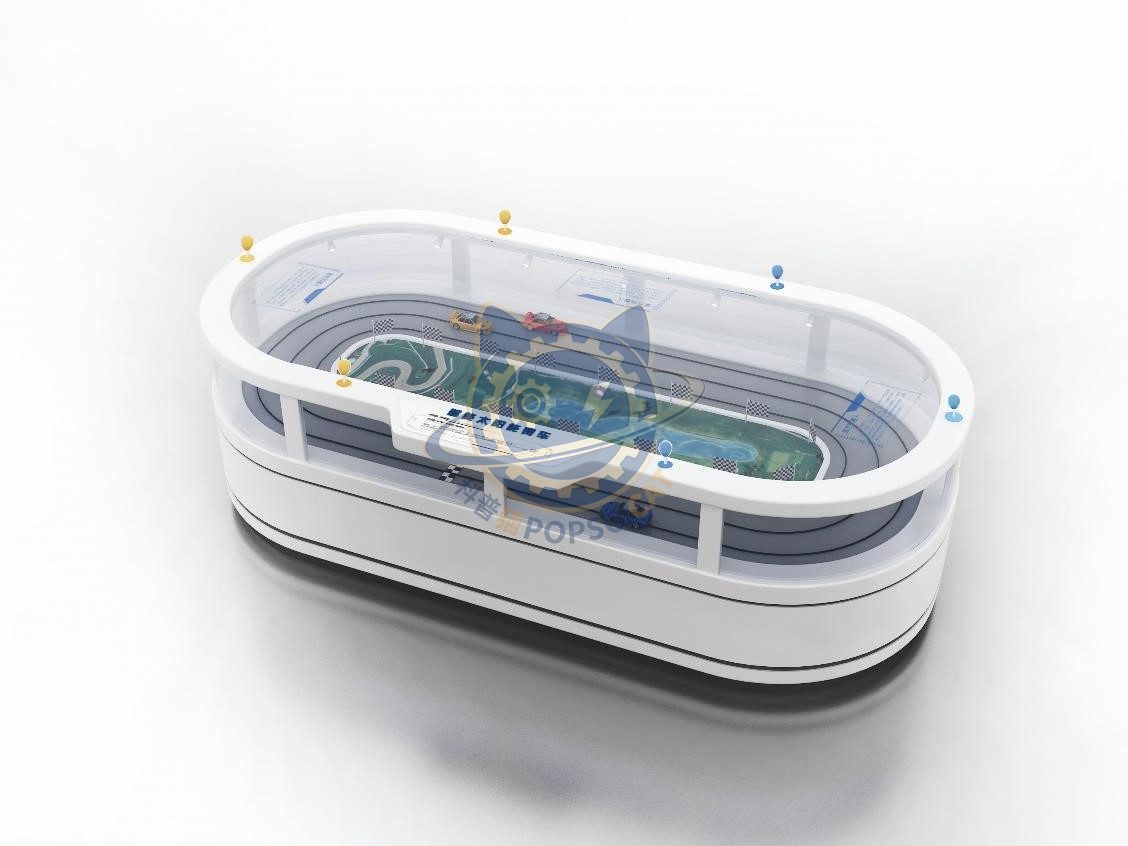
A fixed-base cockpit with a city route and a reaction-time score.

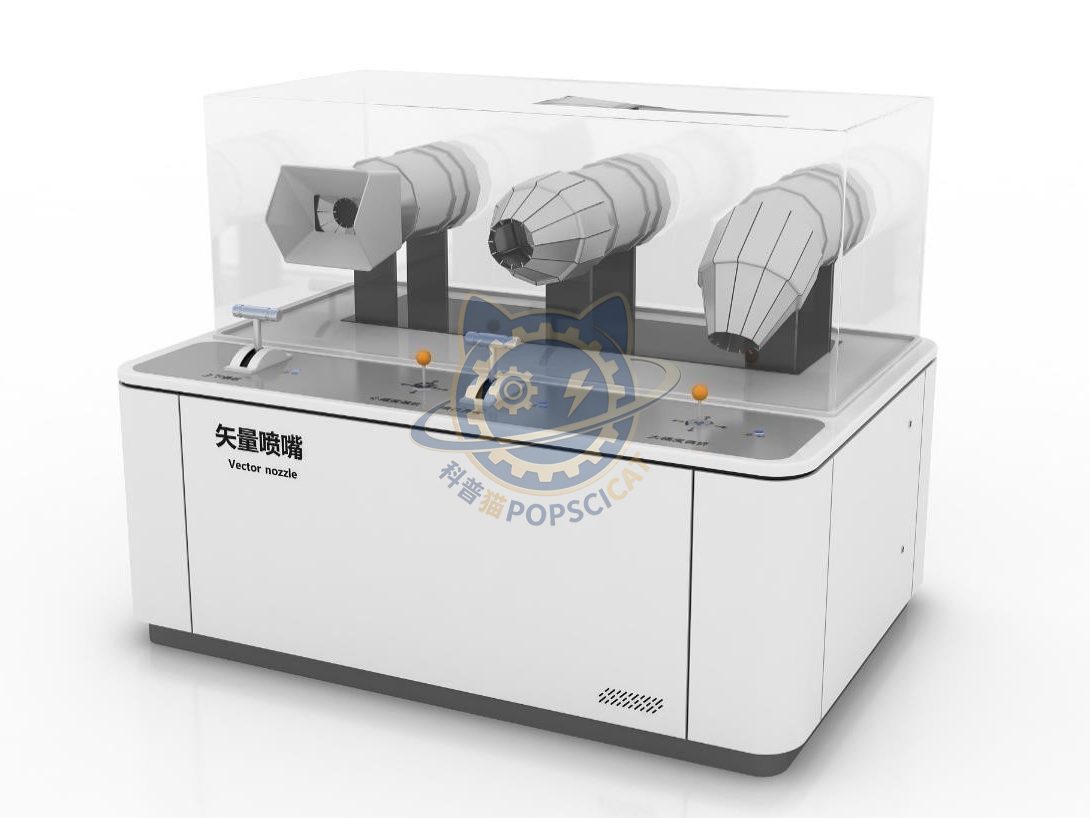
Tilt the nozzle and watch the thrust vector swing.

Angle the panel, watch the current and race the model.

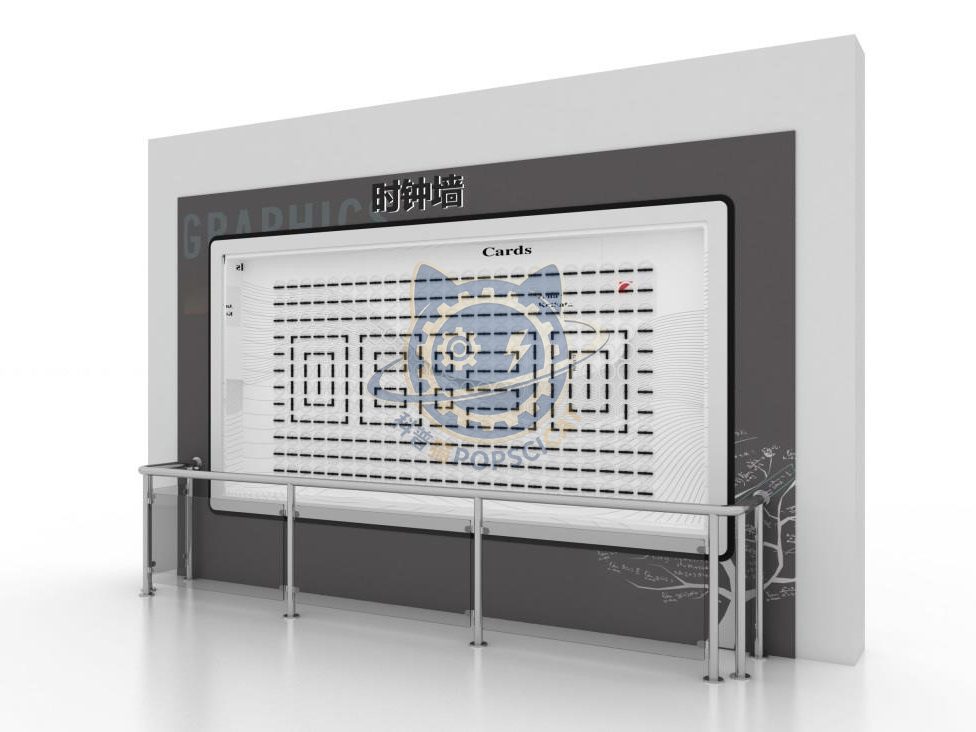
Forty movements from water clock to quartz all reading the same second.
Attach a theme outline, a floor plan, or nothing at all — a photo of the space is enough to start. Quotations are issued against a real exhibit list, not per-square-metre guesses.
Scan to add us