Optical fiber lighting is a lighting technology that uses materials such as optical fibers or light pipes to…
| Category | Technology & Everyday Life |
|---|---|
| Standard size | Custom size |
| Supply | Single unit or batch · OEM to your drawing |
| Lead time | Standard 4–8 weeks after deposit (confirmed per contract) |
| Warranty | 1 year, structure and control |
| Documents | Specification sheet · control diagram · spare-part list |
A standard catalogue model: the dimensions, control package and finish are fixed, which is what keeps the price and the lead time predictable. Size, colour and interface language can be adapted without a new design cycle.
Standard models from this range are also listed in our online store, priced in USD — see the price yourself ↗
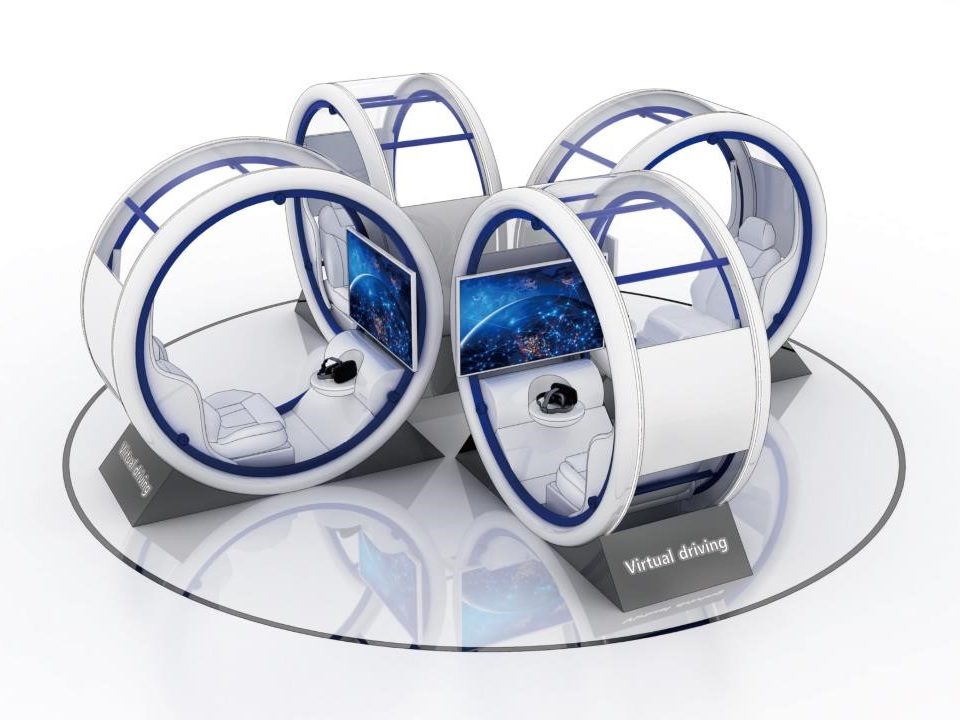
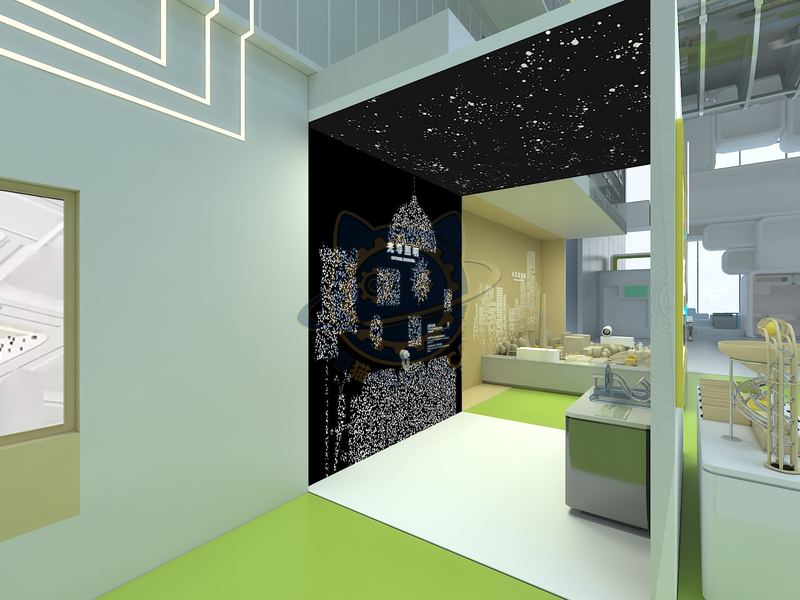
Optical fiber lighting is a lighting technology that uses materials such as optical fibers or light pipes to introduce natural light from outdoors into indoors. Through the phenomenon of total reflection and refraction of light, sunlight or other natural light sources are effectively transmitted to indoor areas that require illumination. It is mainly used in places such as basements and corridors where natural light is difficult to directly receive, reducing dependence on artificial lighting and effectively reducing energy consumption and carbon emissions.
The unit is designed for unsupervised public use: controls are recessed or shielded, moving parts are enclosed, and the interface is operable by a child of about six with no instruction. Where a screen is used, the language can be switched without changing the hardware, and the content can be replaced on site.
Fiber optic is a type of fiber made of glass or plastic, which can be used as a means of light transmission based on the principle of "total reflection of light". Due to the different propagation speeds of light in different substances, when light travels from one substance to another, refraction and reflection occur at the interface between the two substances. The angle of refracted light will change with the angle of incident light. When the angle of incident light reaches or exceeds a certain angle, refracted light will disappear and all incident light will be reflected back, which is called total reflection of light. Different substances have different refractive angles for light of the same wavelength (i.e. different substances have different refractive indices), and the same substance also has different refractive angles for light of different wavelengths. Fiber optics are formed based on the above principle.
Every unit leaves the factory after a running test: mechanisms cycled, electronics burned in, edges dressed, fixings torqued and marked. Wear parts — bearings, sliders, lamps, belts, touch panels — are modular and listed on the spare-part sheet, so a venue technician can replace them without returning the exhibit. Crating is plywood with foam blocking; the loading plan and packing list travel with the shipment.
Other models from the Technology & Everyday Life line, all held to the same specification and the same control package.

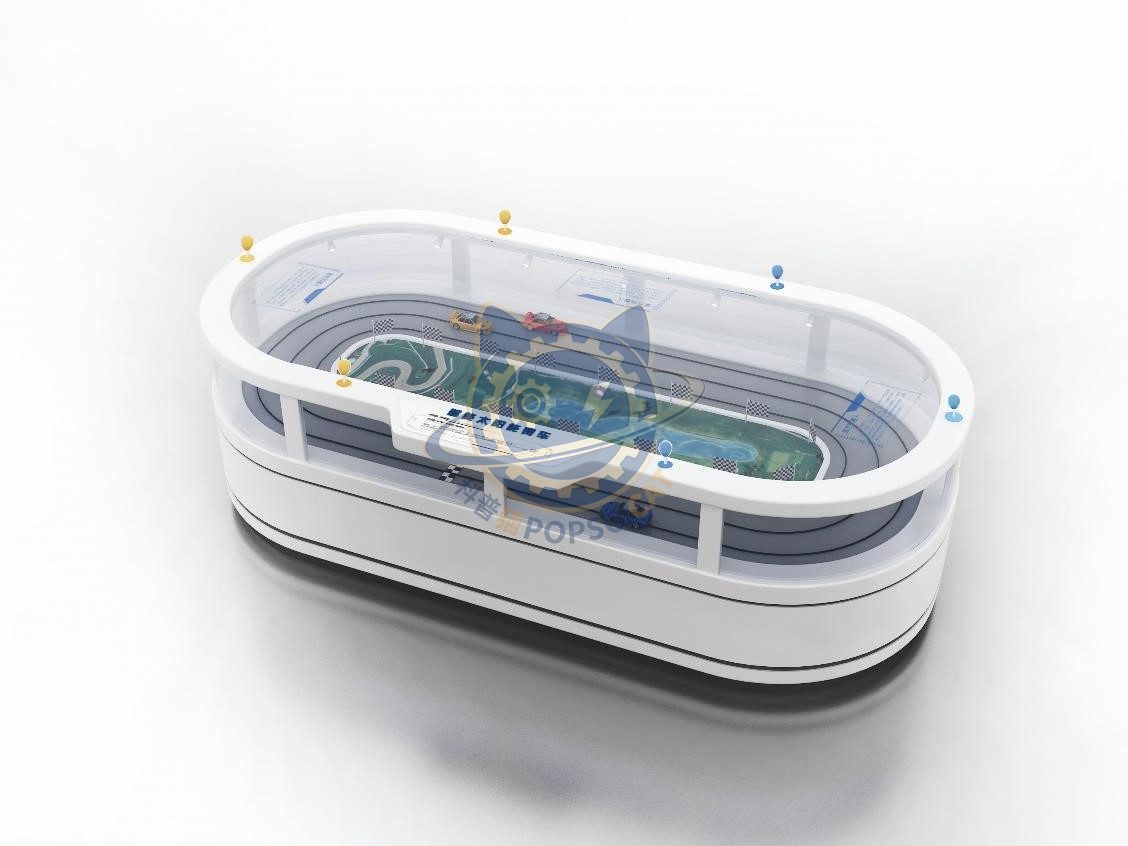
A fixed-base cockpit with a city route and a reaction-time score.

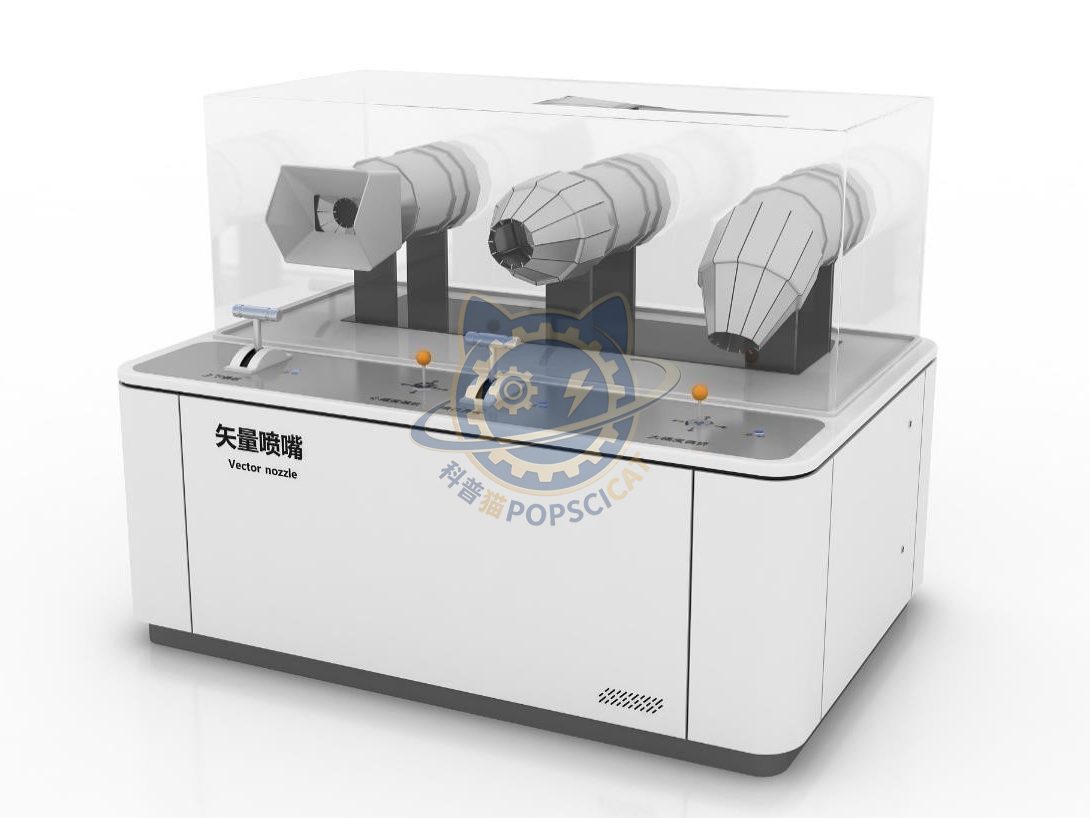
Tilt the nozzle and watch the thrust vector swing.

Angle the panel, watch the current and race the model.

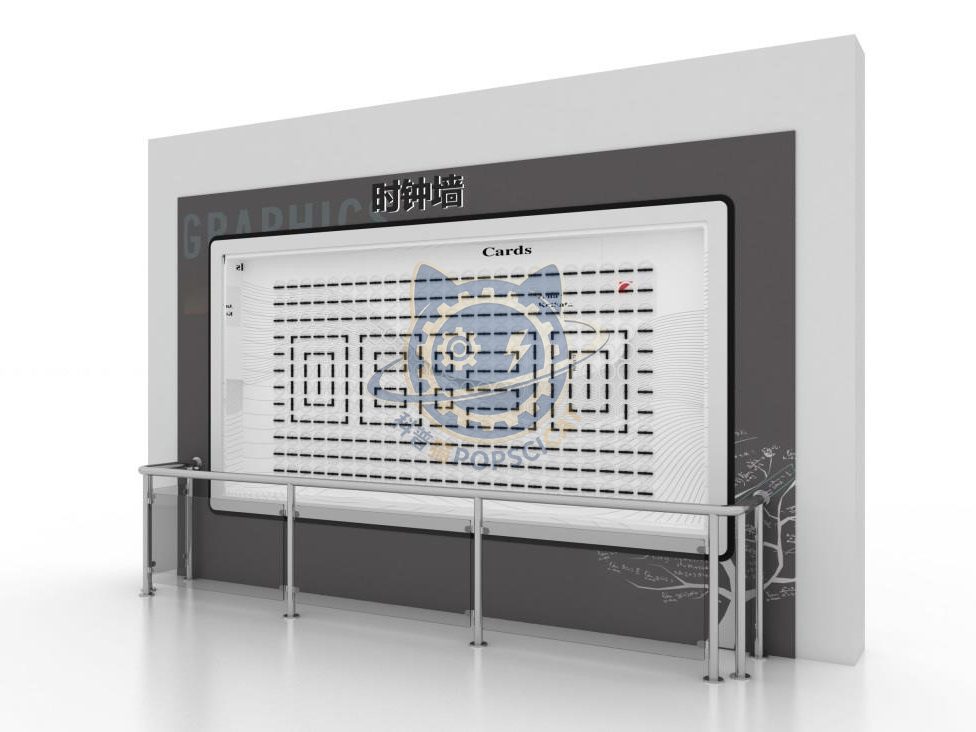
Forty movements from water clock to quartz all reading the same second.
Attach a theme outline, a floor plan, or nothing at all — a photo of the space is enough to start. Quotations are issued against a real exhibit list, not per-square-metre guesses.
Scan to add us