Water saving appliances refer to devices that can reduce water resource consumption during use, by optimizing water…
| Category | Technology & Everyday Life |
|---|---|
| Standard size | Custom size |
| Supply | Single unit or batch · OEM to your drawing |
| Lead time | Standard 4–8 weeks after deposit (confirmed per contract) |
| Warranty | 1 year, structure and control |
| Documents | Specification sheet · control diagram · spare-part list |
A standard catalogue model: the dimensions, control package and finish are fixed, which is what keeps the price and the lead time predictable. Size, colour and interface language can be adapted without a new design cycle.
Standard models from this range are also listed in our online store, priced in USD — see the price yourself ↗
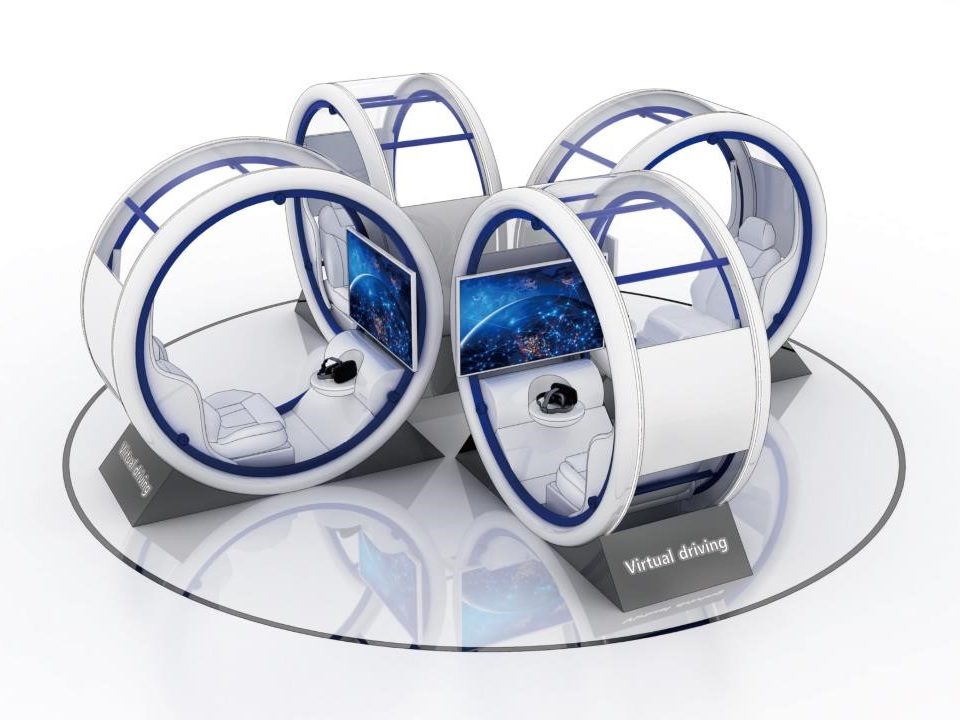
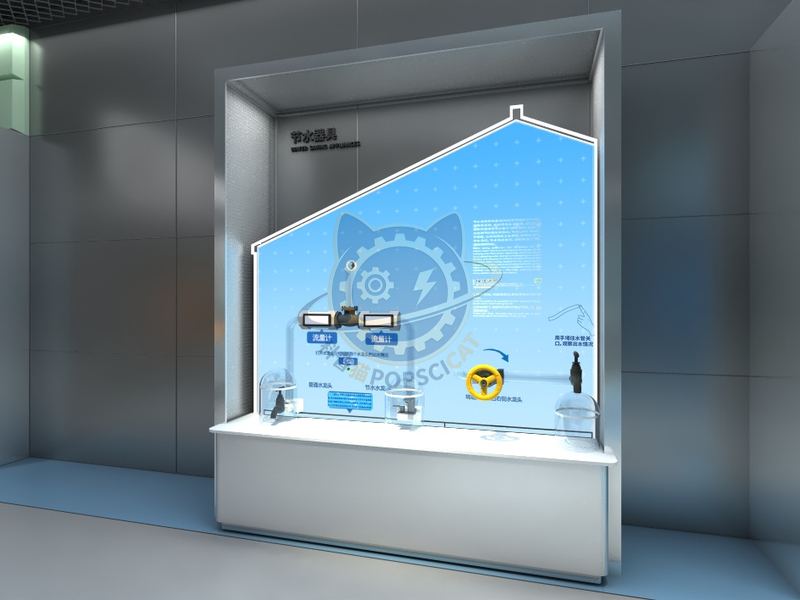
Water saving appliances refer to devices that can reduce water resource consumption during use, by optimizing water flow paths, improving water use efficiency, or adopting water-saving technologies (such as flow limiters and sensors) to achieve the goal of water conservation. Water saving appliances are widely used in households, public places, and industrial fields, such as water-saving faucets, water-saving toilets, water-saving washing machines, etc., effectively reducing energy consumption and carbon emissions.
The unit is designed for unsupervised public use: controls are recessed or shielded, moving parts are enclosed, and the interface is operable by a child of about six with no instruction. Where a screen is used, the language can be switched without changing the hardware, and the content can be replaced on site.
Urban domestic water supply is mainly achieved through the use of water supply appliances. Water supply appliances are the most direct contact parts with users in various links of the urban centralized water supply system. Among the water supply appliances, sanitary appliances are closely related to people's daily lives. It can be said that the performance of sanitary appliances plays a crucial role in saving domestic water. The development, promotion, and management of water-saving devices are extremely important for water-saving work. Water saving devices have two meanings: one is that they are maintenance free for a long time, and there is no waste of running, emitting, dripping, or leaking; Secondly, its design is advanced and reasonable, with excellent manufacturing, which can reduce useless water consumption and has a significant water-saving effect compared to traditional sanitary appliances. Water saving appliances and equipment can be divided into: 1) Sanitary ware: such as high-level water tanks and accessories, low-level water tanks and accessories, toilet flushing valves (delayed self closing flushing valves), non-contact (electronic) flushing valves; 2) Water spout and valve; 3) Public bathroom shower.
Every unit leaves the factory after a running test: mechanisms cycled, electronics burned in, edges dressed, fixings torqued and marked. Wear parts — bearings, sliders, lamps, belts, touch panels — are modular and listed on the spare-part sheet, so a venue technician can replace them without returning the exhibit. Crating is plywood with foam blocking; the loading plan and packing list travel with the shipment.
Other models from the Technology & Everyday Life line, all held to the same specification and the same control package.

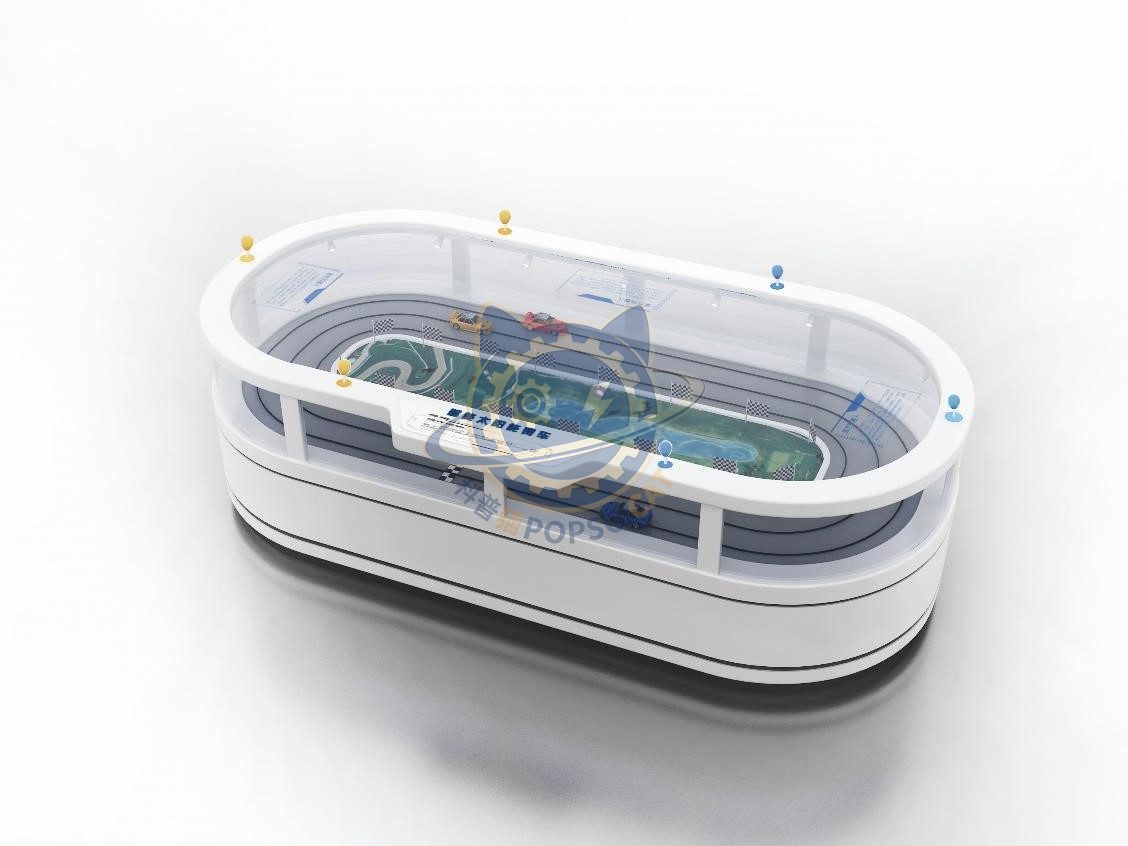
A fixed-base cockpit with a city route and a reaction-time score.

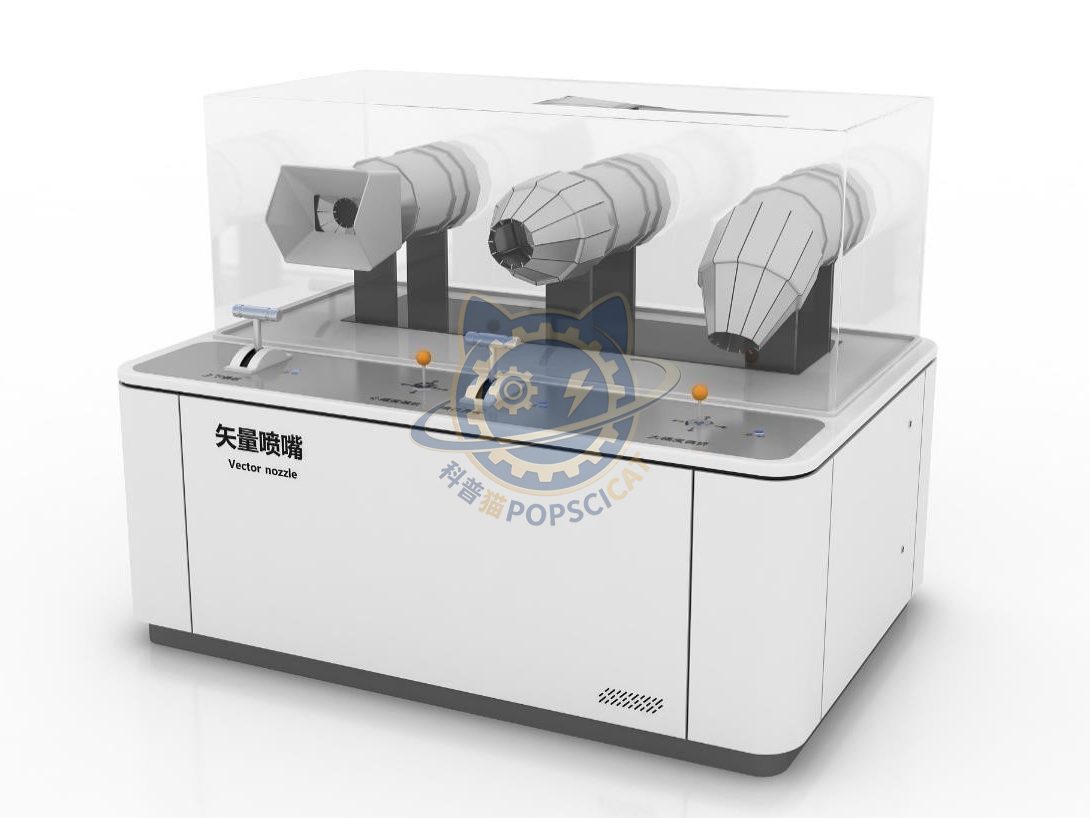
Tilt the nozzle and watch the thrust vector swing.

Angle the panel, watch the current and race the model.

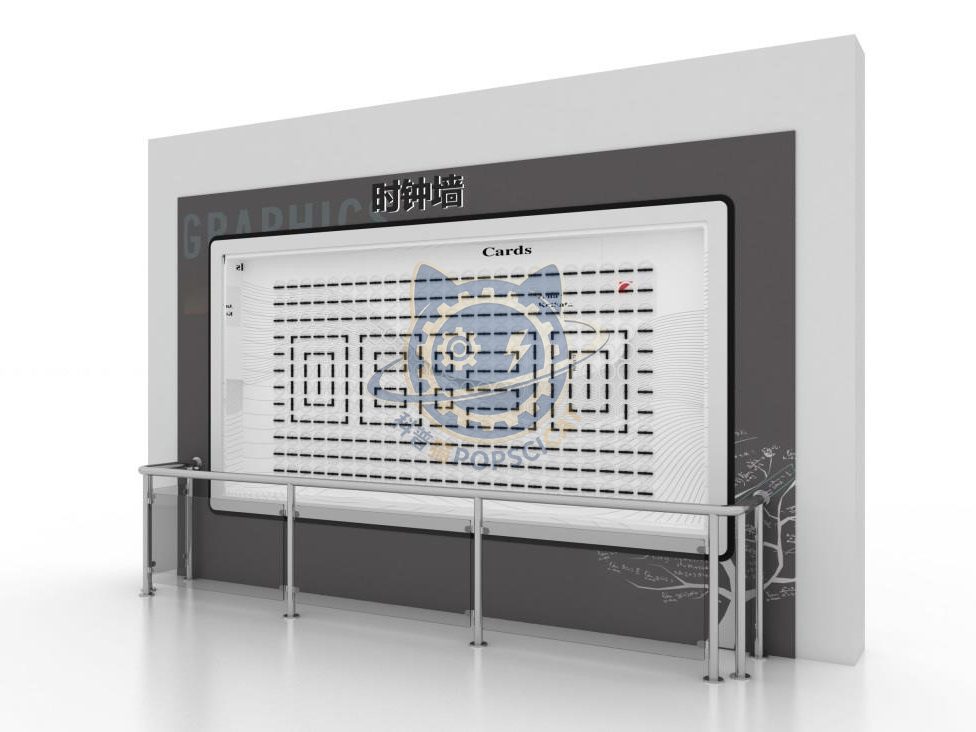
Forty movements from water clock to quartz all reading the same second.
Attach a theme outline, a floor plan, or nothing at all — a photo of the space is enough to start. Quotations are issued against a real exhibit list, not per-square-metre guesses.
Scan to add us