Nuclear fuel assemblies are like the "energy treasure trove" of nuclear power plants, containing nuclear fuels like…
| Category | Frontier Technology |
|---|---|
| Standard size | Custom size |
| Supply | Single unit or batch · OEM to your drawing |
| Lead time | Standard 4–8 weeks after deposit (confirmed per contract) |
| Warranty | 1 year, structure and control |
| Documents | Specification sheet · control diagram · spare-part list |
A standard catalogue model: the dimensions, control package and finish are fixed, which is what keeps the price and the lead time predictable. Size, colour and interface language can be adapted without a new design cycle.
Nuclear fuel assemblies are like the "energy treasure trove" of nuclear power plants, containing nuclear fuels like uranium-235 that continuously release large amounts of energy through nuclear fission and chain reactions. The control rod is the "magic wand" that controls nuclear reactions, made of materials like boron and cadmium that are very good at "eating" neutrons. When we want to increase the power of the nuclear reaction, we lift the control rod upwards. This way, the neutrons absorbed by the control rod are reduced, and more neutrons can collide with the uranium-235 nucleus, making the nuclear fission reaction more intense and releasing more energy. Vice versa. As a third-generation nuclear power technology independently developed by China, Hualong One has complete independent intellectual property rights in equipment design, fuel components, software construction, operation and maintenance. Its unique "177 core" design is also a result of Chinese independent innovation, and is therefore vividly called a "Chinese core". The '177 core' refers to the Hualong No.1 reactor.
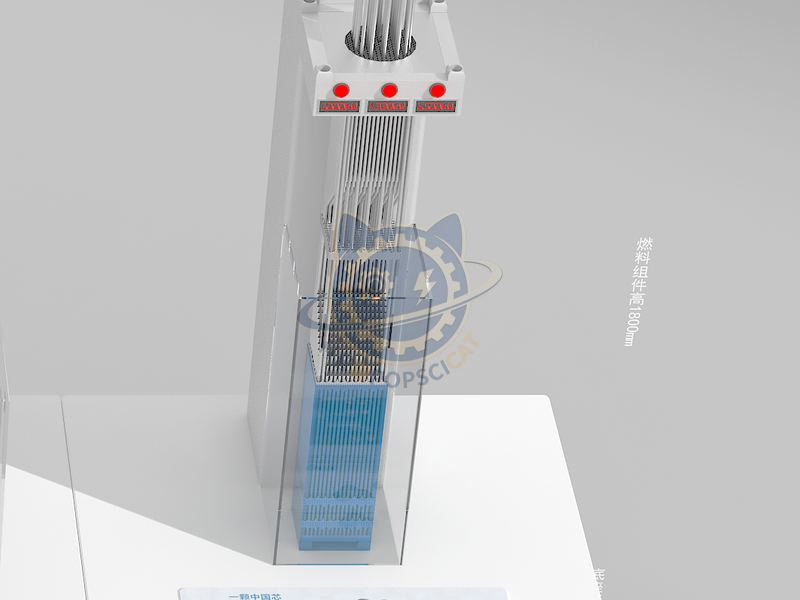
The unit is designed for unsupervised public use: controls are recessed or shielded, moving parts are enclosed, and the interface is operable by a child of about six with no instruction. Where a screen is used, the language can be switched without changing the hardware, and the content can be replaced on site.
1. Selection and arrangement of nuclear fuel: Nuclear reactors use heavy nuclear materials such as uranium-235 as fuel, which are made into fuel rods and arranged in a specific pattern in the reactor pressure vessel. Uranium-235 is a material that is prone to fission due to neutron impact. When struck by a neutron, uranium-235 splits into two lighter atomic nuclei and releases energy and neutrons. These released neutrons further impact other uranium nuclei, triggering a chain reaction. 2. Generation and application of steam: High temperature and high pressure steam is sent to a steam generator, and heat is transferred to external water through heat transfer tubes, turning it into steam. These vapors are then directed to the steam turbine, which drives the turbine to rotate and in turn drives the generator to generate electrical energy. This process is the core step of a nuclear reactor converting nuclear energy into electrical energy.
Every unit leaves the factory after a running test: mechanisms cycled, electronics burned in, edges dressed, fixings torqued and marked. Wear parts — bearings, sliders, lamps, belts, touch panels — are modular and listed on the spare-part sheet, so a venue technician can replace them without returning the exhibit. Crating is plywood with foam blocking; the loading plan and packing list travel with the shipment.
Other models from the Frontier Technology line, all held to the same specification and the same control package.

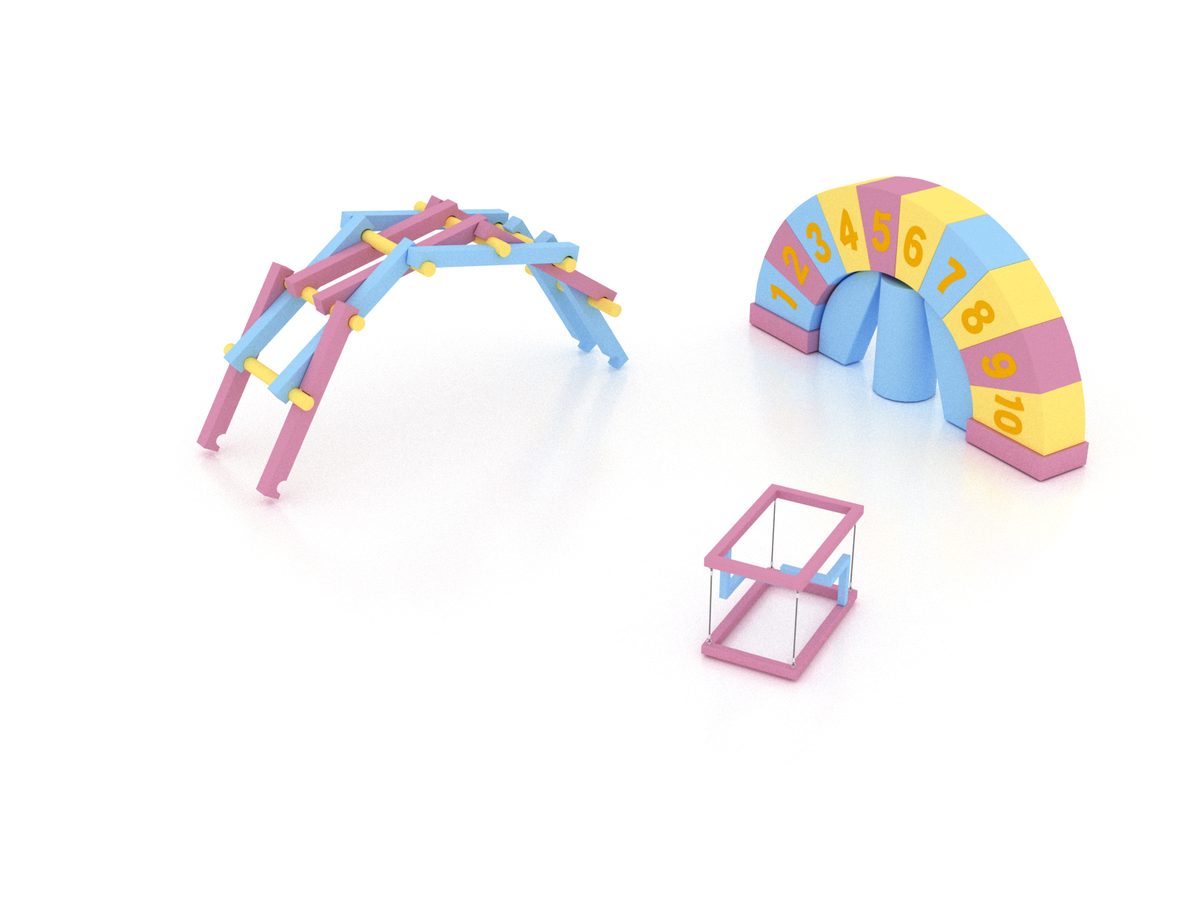
Build a span from interchangeable parts and load it until it fails.

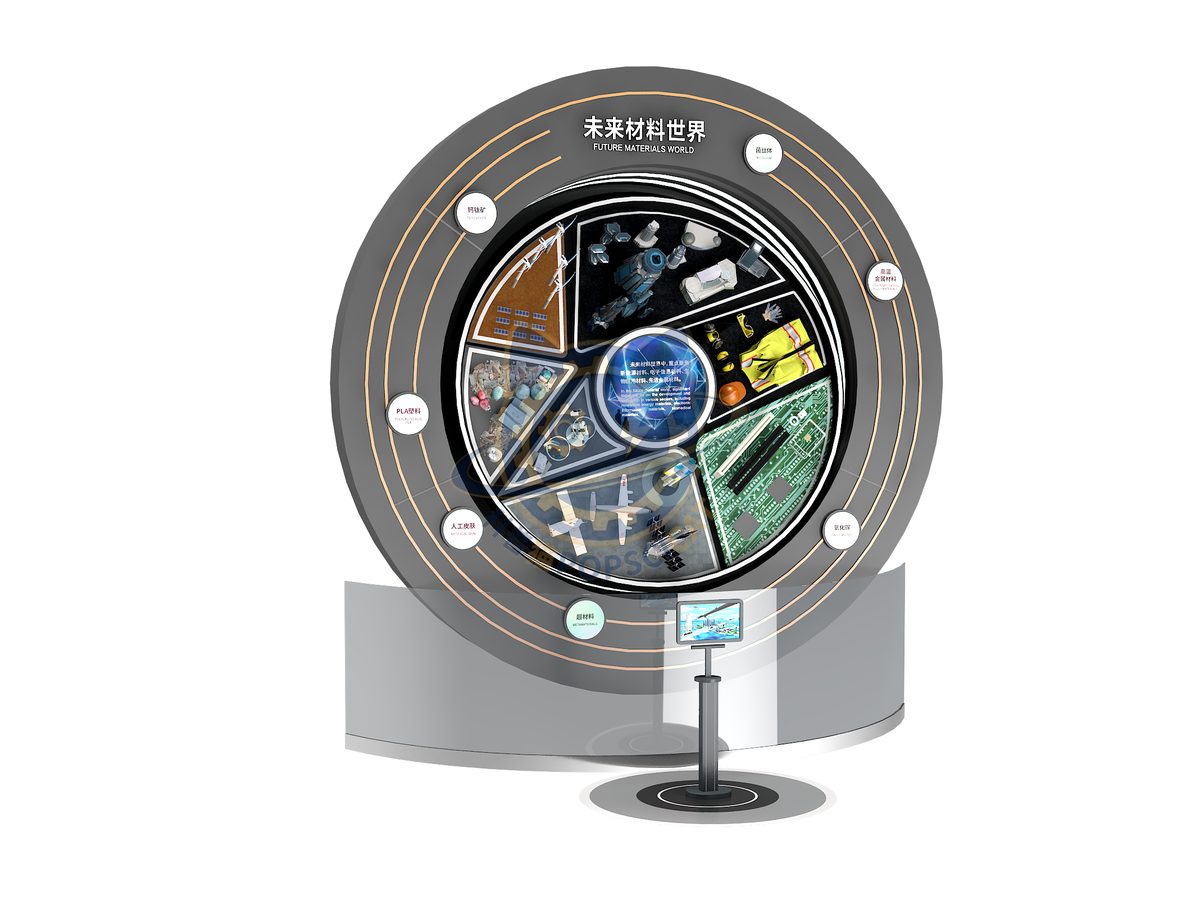
Shape-memory alloy, aerogel and carbon fibre under the visitor's hand.

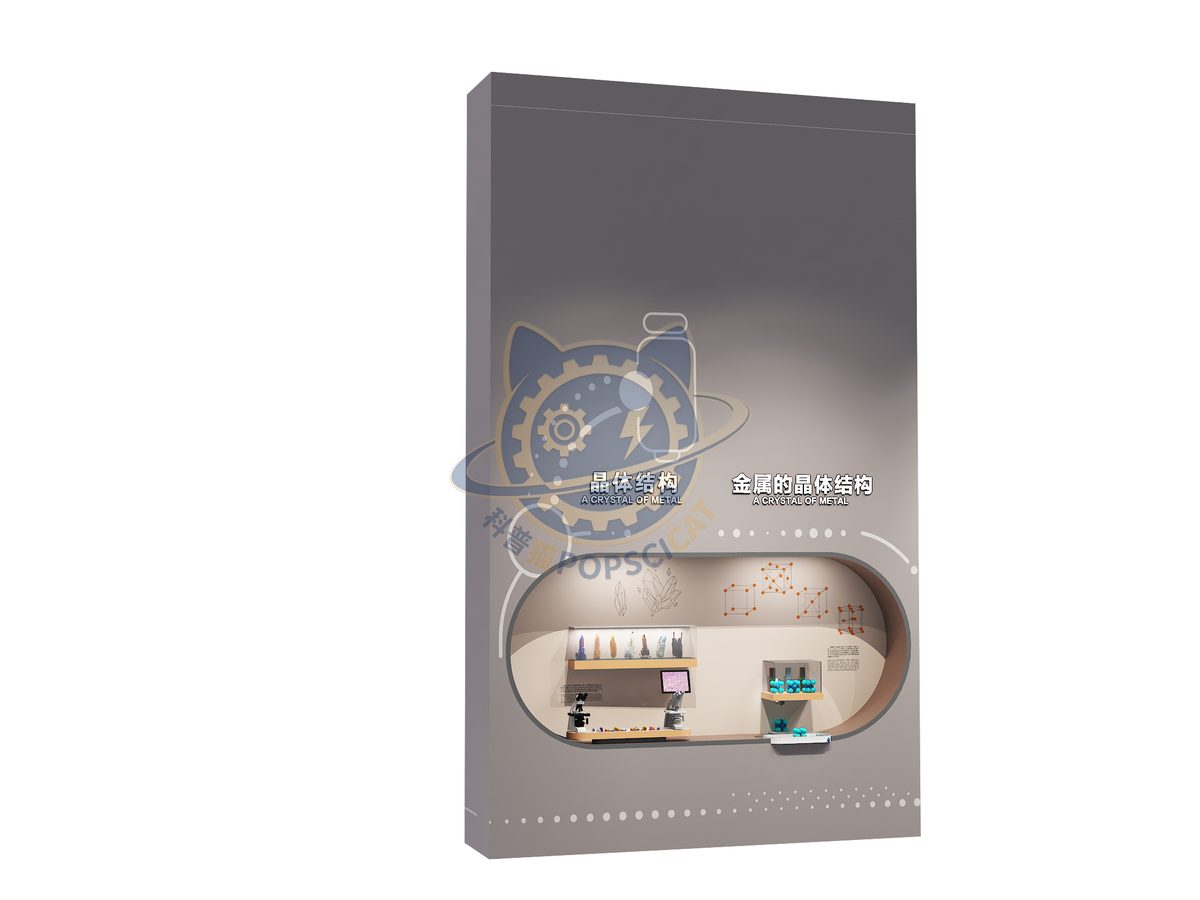
Build a lattice from magnetic balls and see why a crystal cleaves.

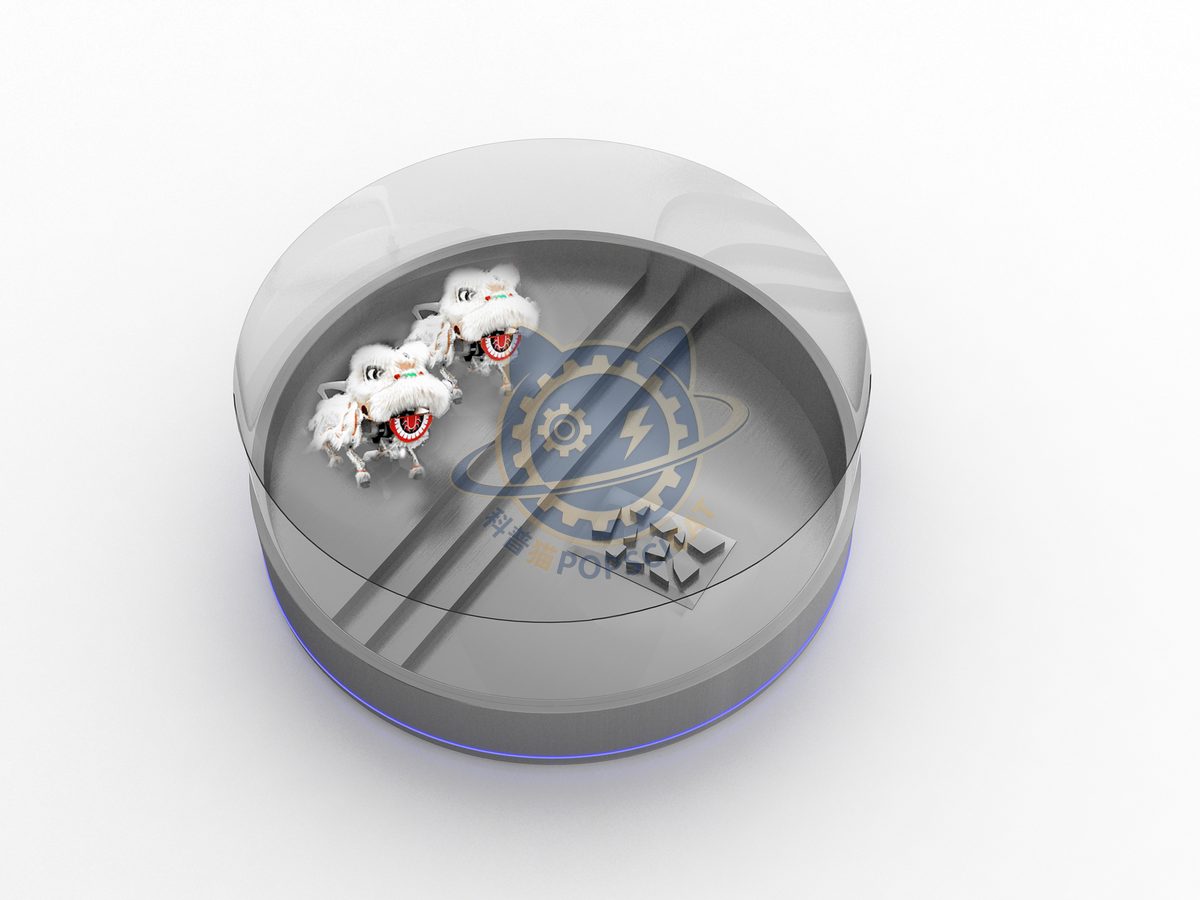
Four arms perform a synchronised routine behind a glass wall.
Attach a theme outline, a floor plan, or nothing at all — a photo of the space is enough to start. Quotations are issued against a real exhibit list, not per-square-metre guesses.
Scan to add us