This exhibit the launch method of paper airplanes through electromechanical interaction, allowing visitors to…
| Category | Frontier Technology |
|---|---|
| Standard size | Custom size |
| Supply | Single unit or batch · OEM to your drawing |
| Lead time | Standard 4–8 weeks after deposit (confirmed per contract) |
| Warranty | 1 year, structure and control |
| Documents | Specification sheet · control diagram · spare-part list |
A standard catalogue model: the dimensions, control package and finish are fixed, which is what keeps the price and the lead time predictable. Size, colour and interface language can be adapted without a new design cycle.
This exhibit the launch method of paper airplanes through electromechanical interaction, allowing visitors to intuitively experience the scientific principles related to flight by comparing the flight distances of paper airplanes of different shapes. The exhibits mainly consist of various specifications of launch pads, target center devices, origami materials, and electromechanical launch components. Operating Instructions 1 Arriving at the exhibit area, you can choose to collect origami materials and fold them into paper airplanes by hand, or directly select ready-made paper airplanes. two Place the prepared or selected paper airplane steadily in the designated position on any launch pad, ensuring a secure installation. three Activate the launch device by clicking the button on the launch pad or pulling the rubber band to make the paper airplane fly out. four Observe the flight trajectory and distance of paper airplanes, compare the flight effects of paper airplanes of different shapes, and try to hit the bullseye. Principles of Science: Viewers can make paper airplanes by themselves or directly choose existing paper airplanes and install them on different launchers.

The unit is designed for unsupervised public use: controls are recessed or shielded, moving parts are enclosed, and the interface is operable by a child of about six with no instruction. Where a screen is used, the language can be switched without changing the hardware, and the content can be replaced on site.
Every unit leaves the factory after a running test: mechanisms cycled, electronics burned in, edges dressed, fixings torqued and marked. Wear parts — bearings, sliders, lamps, belts, touch panels — are modular and listed on the spare-part sheet, so a venue technician can replace them without returning the exhibit. Crating is plywood with foam blocking; the loading plan and packing list travel with the shipment.
Other models from the Frontier Technology line, all held to the same specification and the same control package.

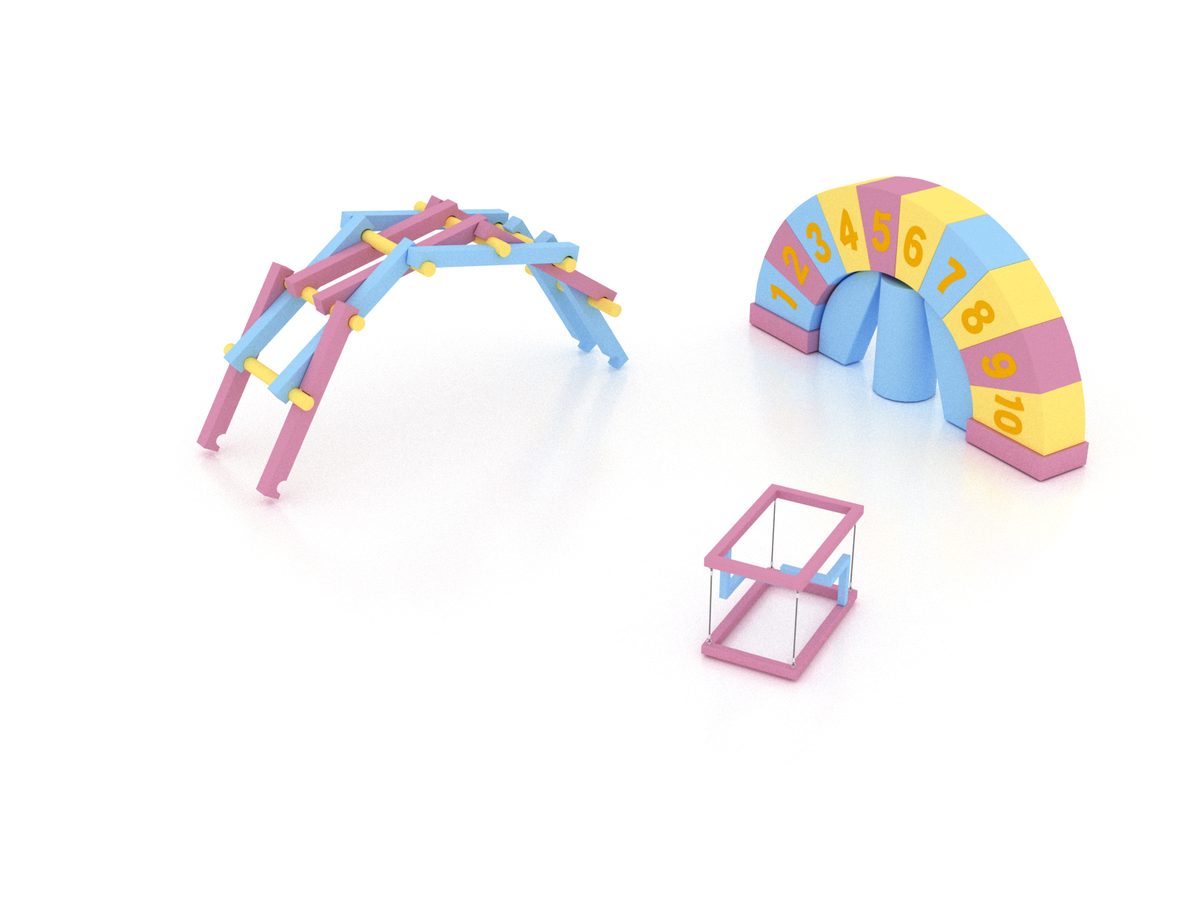
Build a span from interchangeable parts and load it until it fails.

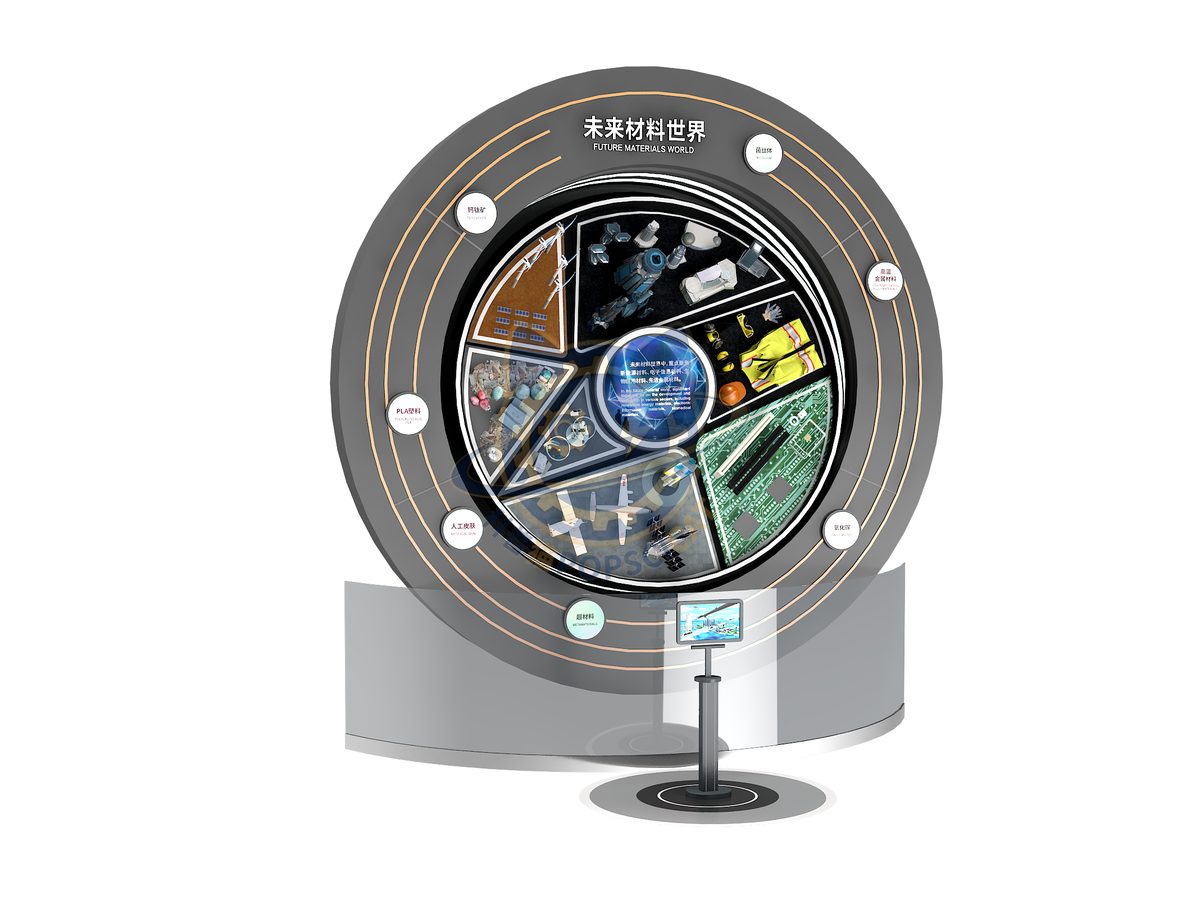
Shape-memory alloy, aerogel and carbon fibre under the visitor's hand.

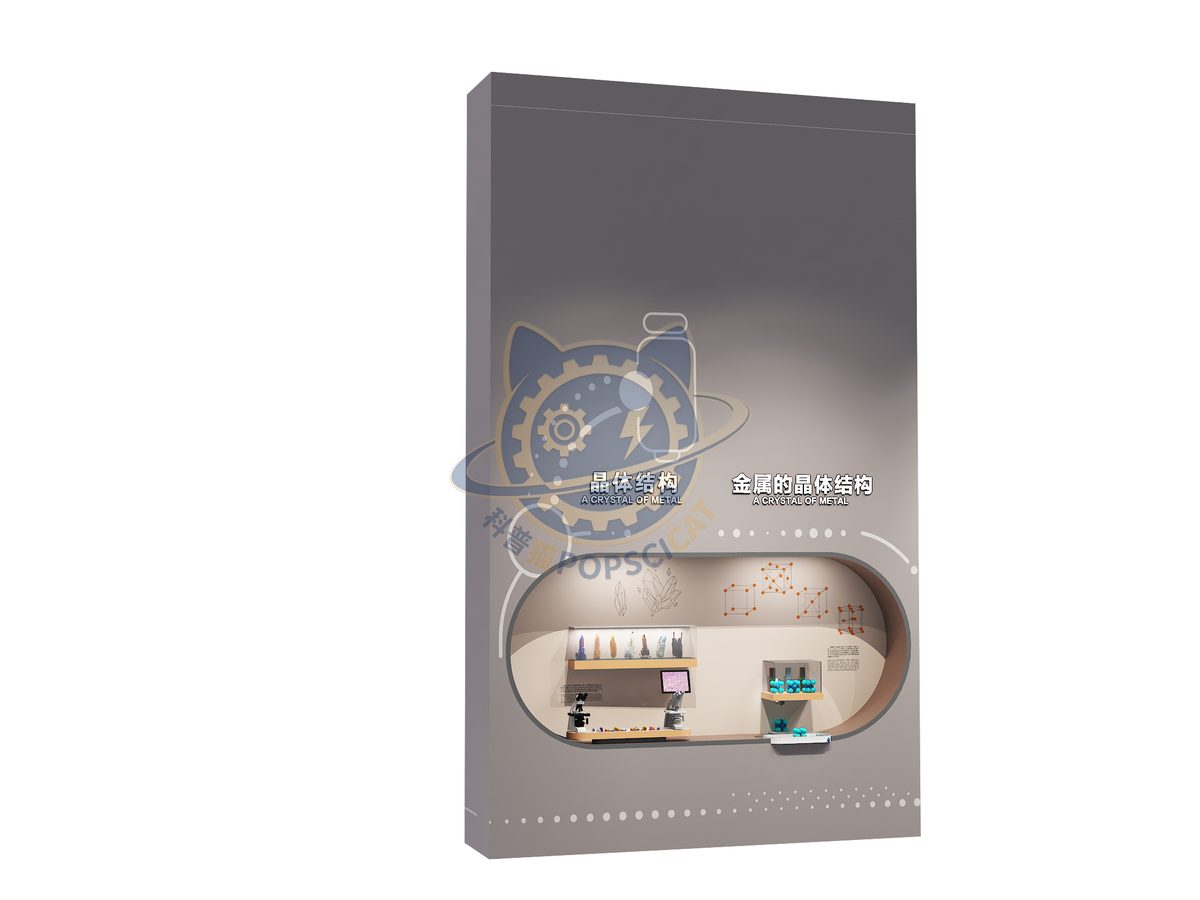
Build a lattice from magnetic balls and see why a crystal cleaves.

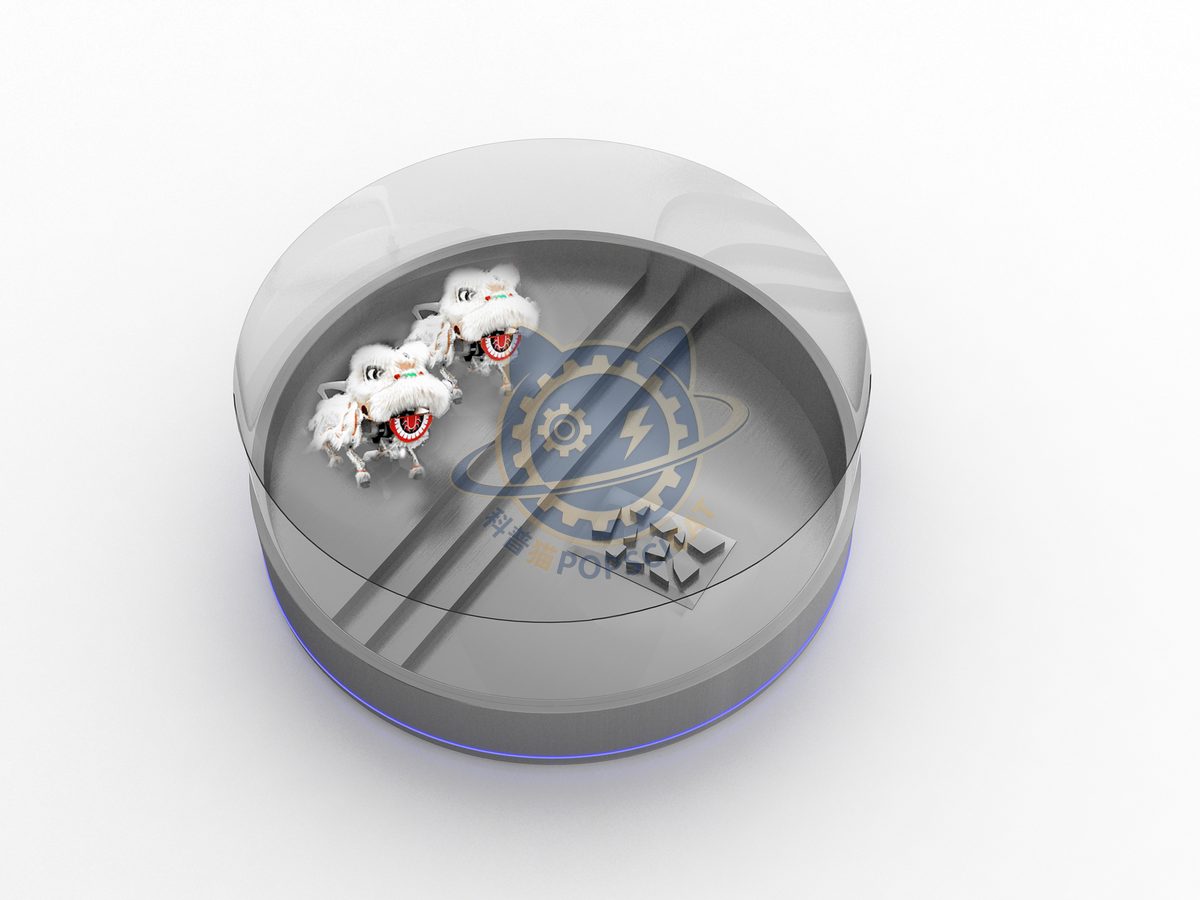
Four arms perform a synchronised routine behind a glass wall.
Attach a theme outline, a floor plan, or nothing at all — a photo of the space is enough to start. Quotations are issued against a real exhibit list, not per-square-metre guesses.
Scan to add us