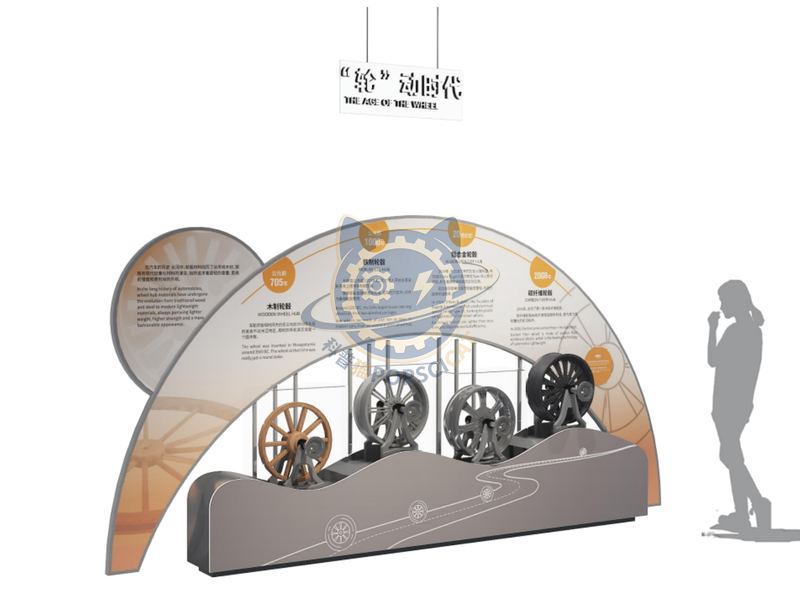
The exhibit consists of four types of wheel hub devices and graphic boards, including wood, iron, aluminum alloy,…
| Category | Frontier Technology |
|---|---|
| Model code | SZ |
| Standard size | Custom size |
| Supply | Single unit or batch · OEM to your drawing |
| Lead time | Standard 4–8 weeks after deposit (confirmed per contract) |
| Warranty | 2 years, structure and control |
| Documents | Specification sheet · control diagram · spare-part list |
A standard catalogue model: the dimensions, control package and finish are fixed, which is what keeps the price and the lead time predictable. Size, colour and interface language can be adapted without a new design cycle.
The exhibit consists of four types of wheel hub devices and graphic boards, including wood, iron, aluminum alloy, and carbon fiber composite materials. Through a display format that combines mechanical interaction with graphics and text, the public can experience the differences in weight, performance, and other aspects of wheels made of different materials, and feel the tremendous promotion that material development has brought to social progress.
The unit is designed for unsupervised public use: controls are recessed or shielded, moving parts are enclosed, and the interface is operable by a child of about six with no instruction. Where a screen is used, the language can be switched without changing the hardware, and the content can be replaced on site.
(1) The invention of wooden wheels was around Mesopotamia. At that time, the wheel was actually a round wooden stake, and primitive humans used several wooden stakes placed side by side under the load-bearing object to roll forward. Over time, people began to improve wooden wheels to enhance their stability and handling. For example, in the 1st century BC, the Romans used wooden strips to support wooden wheels, making them lighter and more convenient. The wooden wheel hub is made up of several hardwood boards spliced together, with a hole in the center for installing the shaft. It was very common in early horse drawn carriages and some old-fashioned cars. (2) The invention of iron wheels can be traced back to the Iron Age, around 1000 BC, when the Celts began using iron rimmed wheels on their two wheeled carriages. Iron wheels are made of cast iron or steel. Iron wheels are heavier than aluminum alloy wheels, but the production cost is relatively lower. In modern cars, iron wheels are usually used as.
Every unit leaves the factory after a running test: mechanisms cycled, electronics burned in, edges dressed, fixings torqued and marked. Wear parts — bearings, sliders, lamps, belts, touch panels — are modular and listed on the spare-part sheet, so a venue technician can replace them without returning the exhibit. Crating is plywood with foam blocking; the loading plan and packing list travel with the shipment.
Other models from the Frontier Technology line, all held to the same specification and the same control package.

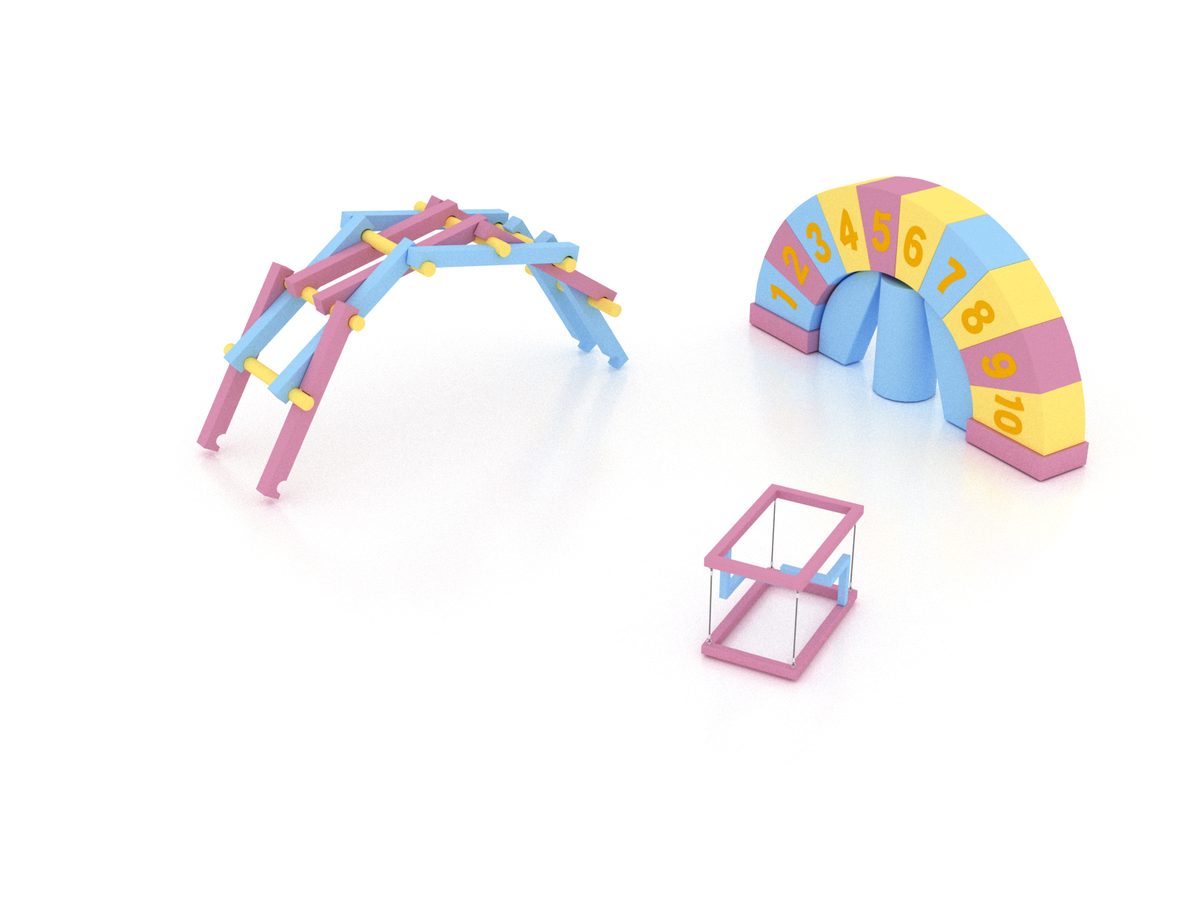
Build a span from interchangeable parts and load it until it fails.

Shape-memory alloy, aerogel and carbon fibre under the visitor's hand.

Build a lattice from magnetic balls and see why a crystal cleaves.

Four arms perform a synchronised routine behind a glass wall.
Attach a theme outline, a floor plan, or nothing at all — a photo of the space is enough to start. Quotations are issued against a real exhibit list, not per-square-metre guesses.