Humanoid robot

Android, also known as androids, is a type of robot designed to mimic the appearance and behavior of humans,…

Humanoid robot — Frontier Technology exhibit for science museums
Reference image
CategoryFrontier Technology
Standard sizeCustom size
SupplySingle unit or batch · OEM to your drawing
Lead timeStandard 4–8 weeks after deposit (confirmed per contract)
Warranty1 year, structure and control
DocumentsSpecification sheet · control diagram · spare-part list

A standard catalogue model: the dimensions, control package and finish are fixed, which is what keeps the price and the lead time predictable. Size, colour and interface language can be adapted without a new design cycle.

Ask about this model → Email us
01 / Overview

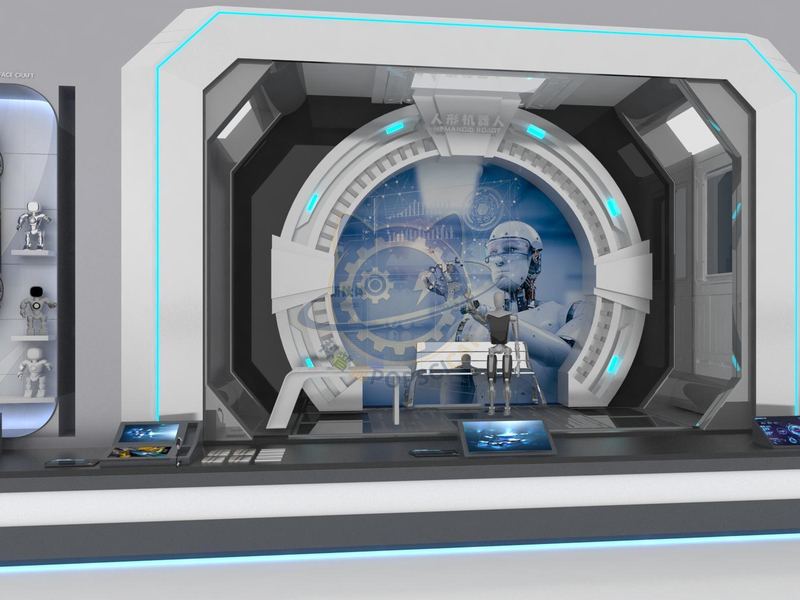
Android, also known as androids, is a type of robot designed to mimic the appearance and behavior of humans, especially referring to species with similar bodies to humans. Compared with traditional industrial robots, the advantage of humanoid robots is that they understand, learn, and make decisions by perceiving the surrounding environment. With the support of artificial intelligence technology, they have strong autonomous decision-making, flexible operation, and interaction capabilities.

02 / How visitors use it

The unit is designed for unsupervised public use: controls are recessed or shielded, moving parts are enclosed, and the interface is operable by a child of about six with no instruction. Where a screen is used, the language can be switched without changing the hardware, and the content can be replaced on site.

03 / The science behind it

Humanoid robots, also known as androids, are a type of robot designed to mimic the appearance and behavior of humans, particularly those with a body similar to humans. The development of robots in China is relatively rapid. Generally, robots with functions such as remote control, drive, and memory are equipped with 17 serial bus intelligent servos, main control boards, and metal brackets. They can DIY motion creation, such as dancing, gymnastics, walking, somersaults, push ups, etc. Robot humans abandon the traditional characteristics of multiple cables and complex constraints, and use a new type of serial bus servos to arrange them. The joints are only connected by three in one data cables, and the entire robot does not exceed 20 cables, making the robot's movements more open and flexible. The weight of the robot body is only 1.7kg (including battery), lightweight yet flexible. In addition, humanoid robots can dance to music, walk, get up and down, perform martial arts, somersaults and other acrobatics, as well as various Olympic competition movements, to develop humanoid robot robots.
04 / Built for a public floor

Every unit leaves the factory after a running test: mechanisms cycled, electronics burned in, edges dressed, fixings torqued and marked. Wear parts — bearings, sliders, lamps, belts, touch panels — are modular and listed on the spare-part sheet, so a venue technician can replace them without returning the exhibit. Crating is plywood with foam blocking; the loading plan and packing list travel with the shipment.

Same category

More in Frontier Technology

Other models from the Frontier Technology line, all held to the same specification and the same control package.

Start a project

Send us your exhibit list.
We will come back with a price.

Attach a theme outline, a floor plan, or nothing at all — a photo of the space is enough to start. Quotations are issued against a real exhibit list, not per-square-metre guesses.

WeChat QR code — scan to message us Scan to add us
on WeChat