
The exploration of materials by humans has never stopped.
| Category | Frontier Technology |
|---|---|
| Standard size | Custom size |
| Supply | Single unit or batch · OEM to your drawing |
| Lead time | Standard 4–8 weeks after deposit (confirmed per contract) |
| Warranty | 1 year, structure and control |
| Documents | Specification sheet · control diagram · spare-part list |
A standard catalogue model: the dimensions, control package and finish are fixed, which is what keeps the price and the lead time predictable. Size, colour and interface language can be adapted without a new design cycle.
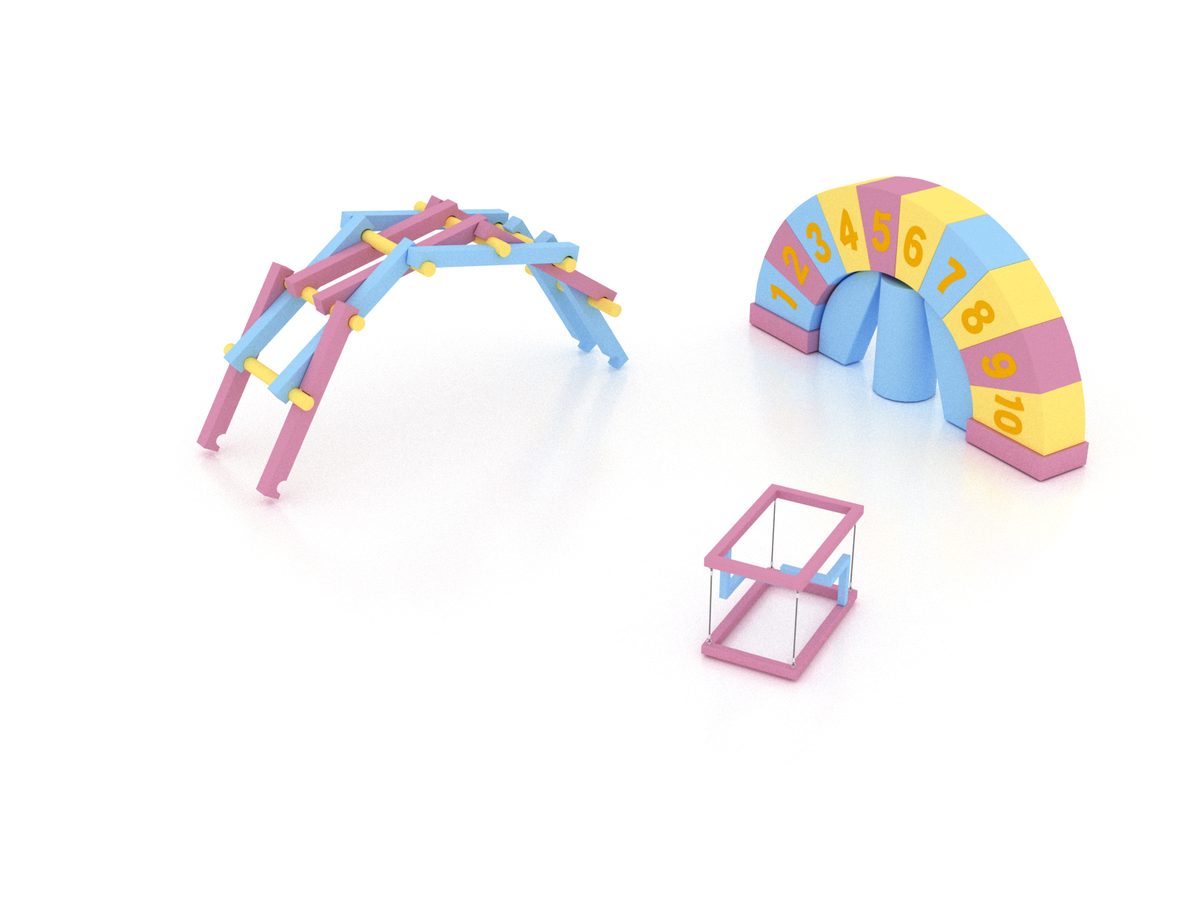
The exploration of materials by humans has never stopped. This exhibit takes copper alloys as an example, presenting the evolution of material synthesis technology spanning thousands of years: from ancient alchemy relying on experience and contingency, to modern experimental design based on alloy proportioning theory for computational simulation, to today's AI assisted material development driven by data and algorithms that can simultaneously optimize multiple properties. The core of this process is the fundamental shift of the R&D paradigm from "trial and error" to "prediction and design". Through the interactive devices on both sides and the AI assisted material preparation demonstration in the center, you will intuitively experience how technology continuously breaks through the limits of material performance and turns ideal materials into reality with unprecedented efficiency.
The unit is designed for unsupervised public use: controls are recessed or shielded, moving parts are enclosed, and the interface is operable by a child of about six with no instruction. Where a screen is used, the language can be switched without changing the hardware, and the content can be replaced on site.
(1) Alchemy is an ancient discipline and practice that originated in ancient times. In history, the main goal of alchemy was to attempt to convert ordinary metals into gold, or to find a "panacea" that could grant humans immortality and cure all diseases. Although these goals may seem unrealistic from a modern scientific perspective, alchemy played a certain driving role in the development of chemistry. (2) Alloy strengthening and the addition of alloying elements to beryllium copper alloy metal are effective and commonly used methods for improving alloy strength, i.e. enhancing the metal's resistance to deformation. Alloy elements can exist in various forms in the matrix, and the hindering effect of dislocation motion to varying degrees is the direct reason for the alloy to achieve high strength. By changing the matrix lattice type, alloy elements can also refine the matrix grains, indirectly improving the strength of the alloy. Beryllium copper alloy can be divided into high beryllium and high-strength alloys (including Be1.6%~2.0).
Every unit leaves the factory after a running test: mechanisms cycled, electronics burned in, edges dressed, fixings torqued and marked. Wear parts — bearings, sliders, lamps, belts, touch panels — are modular and listed on the spare-part sheet, so a venue technician can replace them without returning the exhibit. Crating is plywood with foam blocking; the loading plan and packing list travel with the shipment.
Other models from the Frontier Technology line, all held to the same specification and the same control package.

Build a span from interchangeable parts and load it until it fails.

Shape-memory alloy, aerogel and carbon fibre under the visitor's hand.

Build a lattice from magnetic balls and see why a crystal cleaves.

Four arms perform a synchronised routine behind a glass wall.
Attach a theme outline, a floor plan, or nothing at all — a photo of the space is enough to start. Quotations are issued against a real exhibit list, not per-square-metre guesses.
Scan to add us