Antigen testing is a rapid diagnostic method used to detect the presence of specific virus or pathogen antigens in…
| Category | Life Science & Health |
|---|---|
| Standard size | Custom size |
| Supply | Single unit or batch · OEM to your drawing |
| Lead time | Standard 4–8 weeks after deposit (confirmed per contract) |
| Warranty | 1 year, structure and control |
| Documents | Specification sheet · control diagram · spare-part list |
A standard catalogue model: the dimensions, control package and finish are fixed, which is what keeps the price and the lead time predictable. Size, colour and interface language can be adapted without a new design cycle.
Standard models from this range are also listed in our online store, priced in USD — see the price yourself ↗
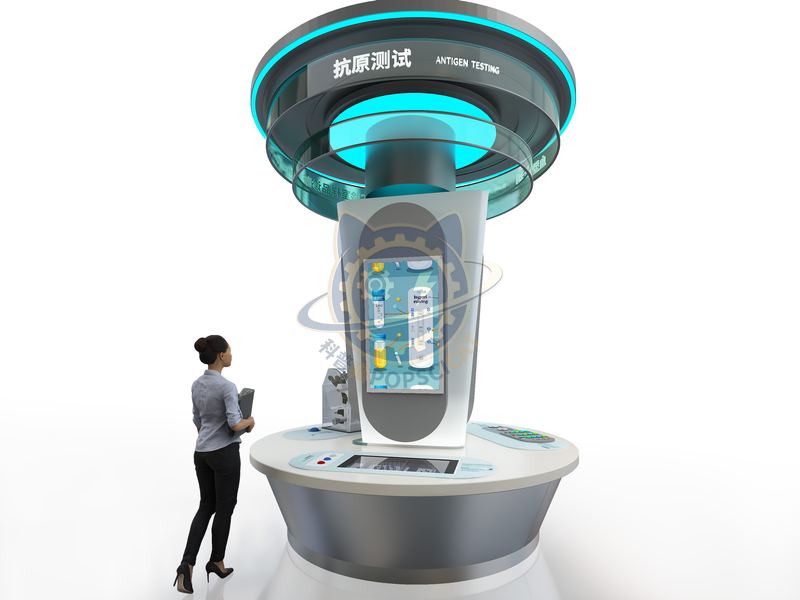
Antigen testing is a rapid diagnostic method used to detect the presence of specific virus or pathogen antigens in the body. Antigens are substances that can trigger immune responses, usually proteins on the surface of pathogens. When antigens enter the body, immune cells produce antibodies (a special protein) to combat them. Antigen testing is faster and cheaper than PCR nucleic acid testing. The results are usually obtained within 15 to 30 minutes, and are widely used for screening COVID-19 and influenza virus, especially during the epidemic. Although its sensitivity and specificity may not be as good as PCR testing, its convenience makes it an important tool for public health event response, helping medical personnel quickly determine infection status and take prevention and control measures.
The unit is designed for unsupervised public use: controls are recessed or shielded, moving parts are enclosed, and the interface is operable by a child of about six with no instruction. Where a screen is used, the language can be switched without changing the hardware, and the content can be replaced on site.
When samples containing viral components are placed on the test pad, they will bind to some of the primary antibodies. Due to capillary action, the liquid flows downward, and the secondary antibodies will also capture the samples. The antigen targets in the samples build a bridge between the fixed test secondary antibodies and the freely flowing primary antibodies bound to gold colloids. If the antigen is present in the analyte when it passes through the test line of the secondary antibody after passing through the primary antibody, a visual line will appear. If there are enough gold bound antibodies stuck, they will appear as a clear red line. The viral components that are not captured here will flow to the tertiary antibody line, where the tertiary antibody can capture the labeled primary antibody, resulting in another red line.
Every unit leaves the factory after a running test: mechanisms cycled, electronics burned in, edges dressed, fixings torqued and marked. Wear parts — bearings, sliders, lamps, belts, touch panels — are modular and listed on the spare-part sheet, so a venue technician can replace them without returning the exhibit. Crating is plywood with foam blocking; the loading plan and packing list travel with the shipment.
Other models from the Life Science & Health line, all held to the same specification and the same control package.

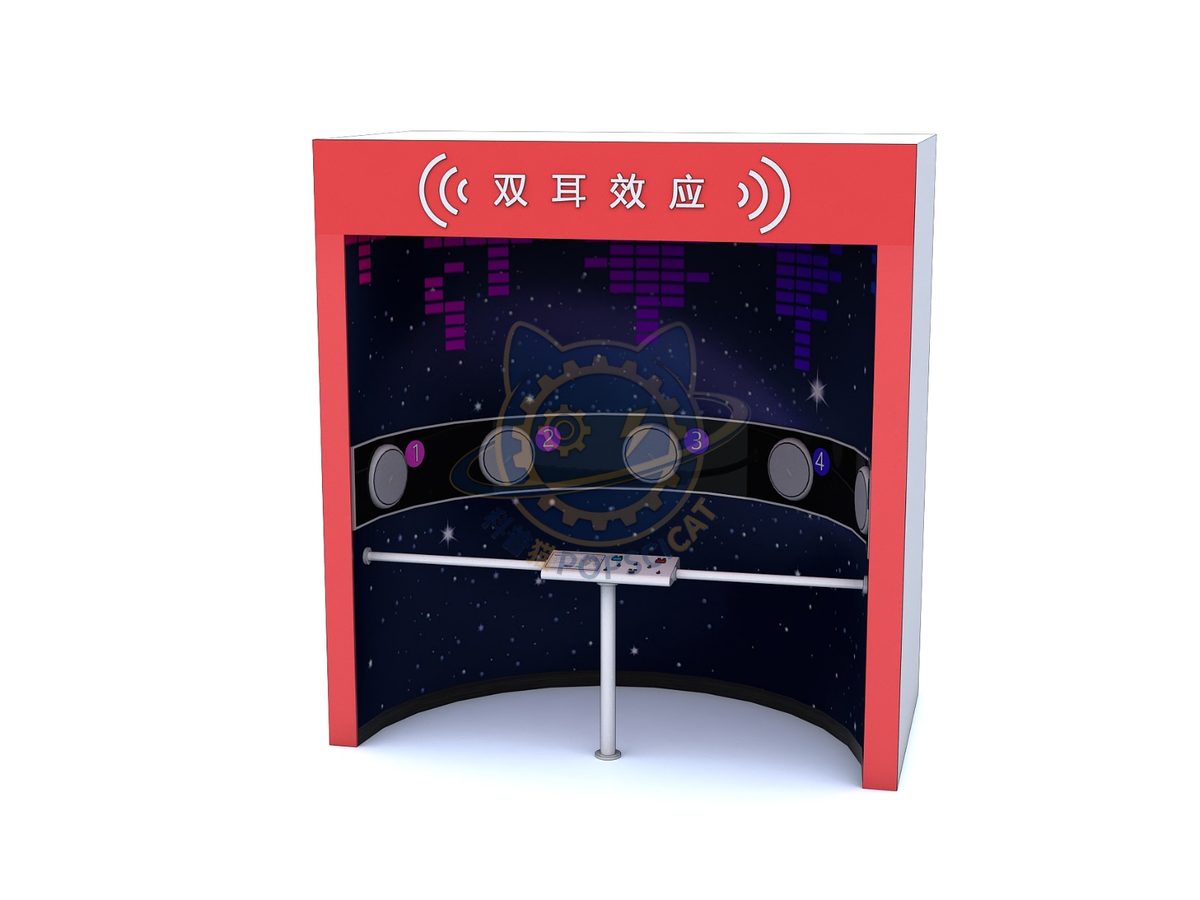
Sound reaches two ears at different times; visitors point to the source.

An adjustable lens projects a real image onto a retina screen.

Projected anatomy on a body-sized screen layer by layer.

Contract a model biceps and watch the tendon pull the forearm.
Attach a theme outline, a floor plan, or nothing at all — a photo of the space is enough to start. Quotations are issued against a real exhibit list, not per-square-metre guesses.
Scan to add us