The human body mainly relies on the immune system to fight against viruses.
| Category | Life Science & Health |
|---|---|
| Standard size | Custom size |
| Supply | Single unit or batch · OEM to your drawing |
| Lead time | Standard 4–8 weeks after deposit (confirmed per contract) |
| Warranty | 1 year, structure and control |
| Documents | Specification sheet · control diagram · spare-part list |
A standard catalogue model: the dimensions, control package and finish are fixed, which is what keeps the price and the lead time predictable. Size, colour and interface language can be adapted without a new design cycle.
Standard models from this range are also listed in our online store, priced in USD — see the price yourself ↗
The human body mainly relies on the immune system to fight against viruses. Firstly, the skin and mucous membranes form biological and mechanical barriers, blocking virus invasion and disrupting their structure. If the virus breaks through, innate immune cells such as macrophages and natural killer cells will recognize and attack virus-infected cells. Meanwhile, cytokines such as interferon and interleukin regulate immune responses and inhibit viral replication. Adaptive immunity further recognizes and eliminates viruses or virus-infected cells through antibodies produced by B cells and immune responses mediated by T cells. In addition, using medical methods such as vaccines and drugs to build a new line of defense for the human body. This series of mechanisms together constitute the human body's multiple lines of defense against viruses.
The unit is designed for unsupervised public use: controls are recessed or shielded, moving parts are enclosed, and the interface is operable by a child of about six with no instruction. Where a screen is used, the language can be switched without changing the hardware, and the content can be replaced on site.
The way viruses enter the human body and the symptoms they produce. ① Norovirus: mainly enters the body through the oral cavity, infecting the stomach and intestines, causing symptoms such as vomiting and diarrhea. ② Dengue virus: mainly enters the bloodstream through the bite of Aedes mosquitoes on the skin, causing nausea, vomiting, high fever, and muscle pain. ③ Hand, foot, and mouth disease: Enteroviruses enter the body through skin contact or through the digestive and respiratory tracts, causing fever, sore throat, rash, and herpes. ④ Influenza virus: mainly enters the body through the respiratory tract, infects the lungs, and causes symptoms such as high fever, sore throat, and muscle soreness. ⑤ Human papillomavirus (HPV): It is mainly transmitted through the reproductive system and enters the cells of the skin and mucous membranes. It has a latent period and can cause cancer.
Every unit leaves the factory after a running test: mechanisms cycled, electronics burned in, edges dressed, fixings torqued and marked. Wear parts — bearings, sliders, lamps, belts, touch panels — are modular and listed on the spare-part sheet, so a venue technician can replace them without returning the exhibit. Crating is plywood with foam blocking; the loading plan and packing list travel with the shipment.
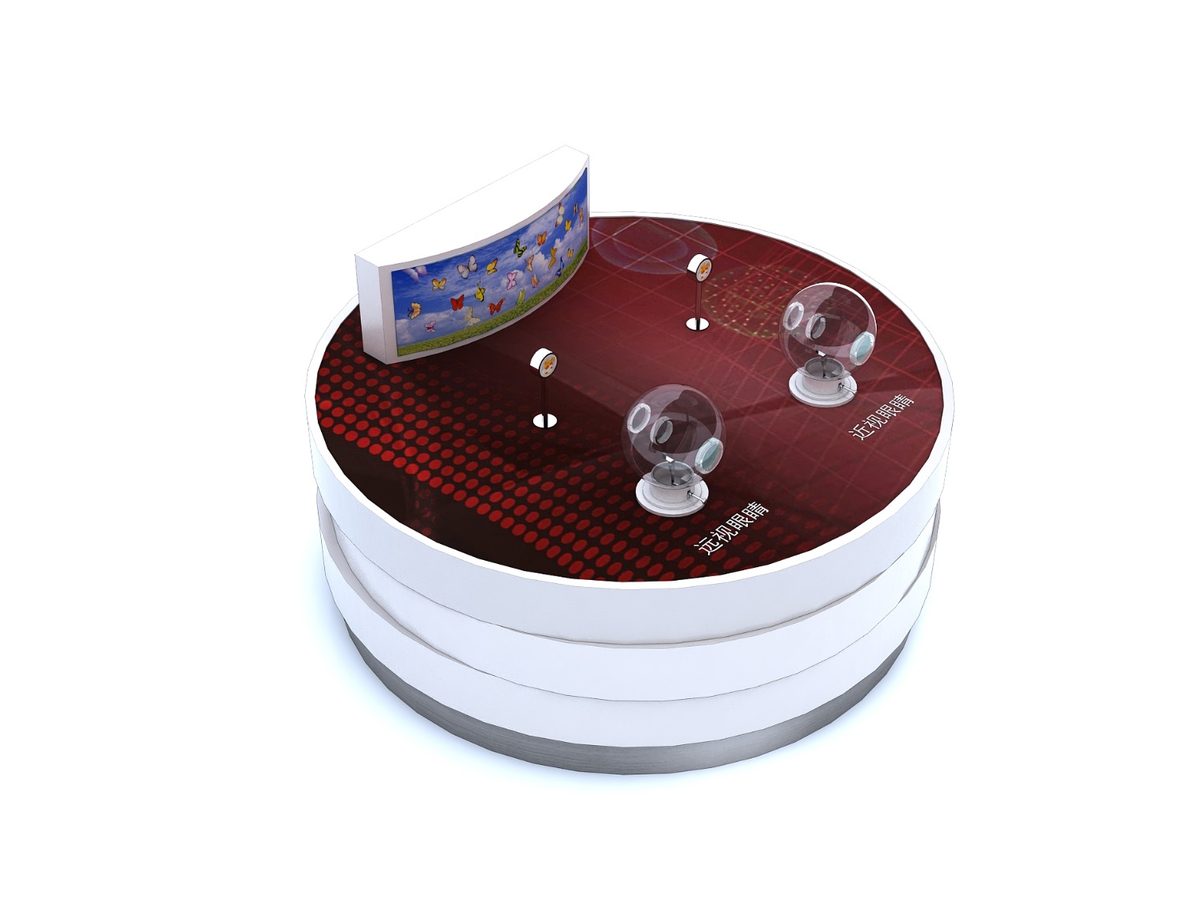
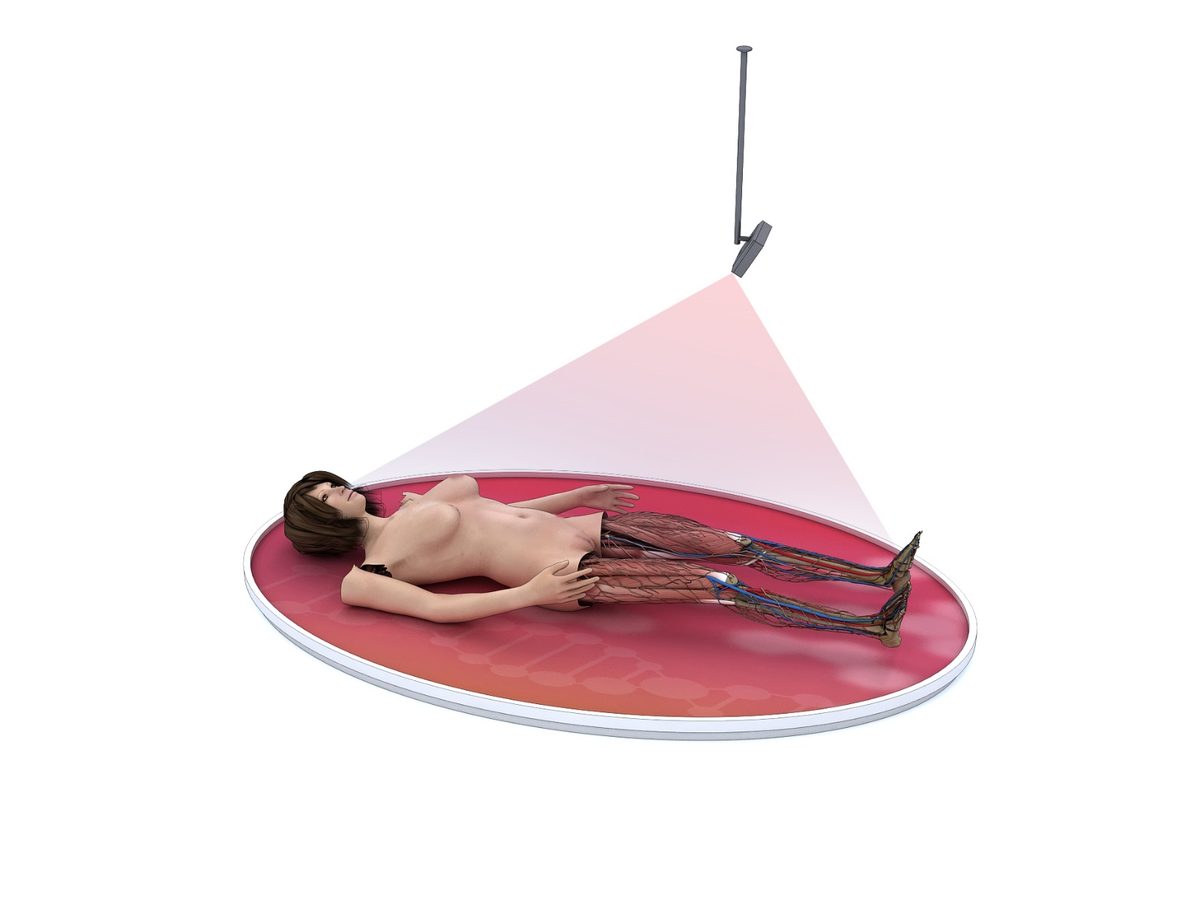
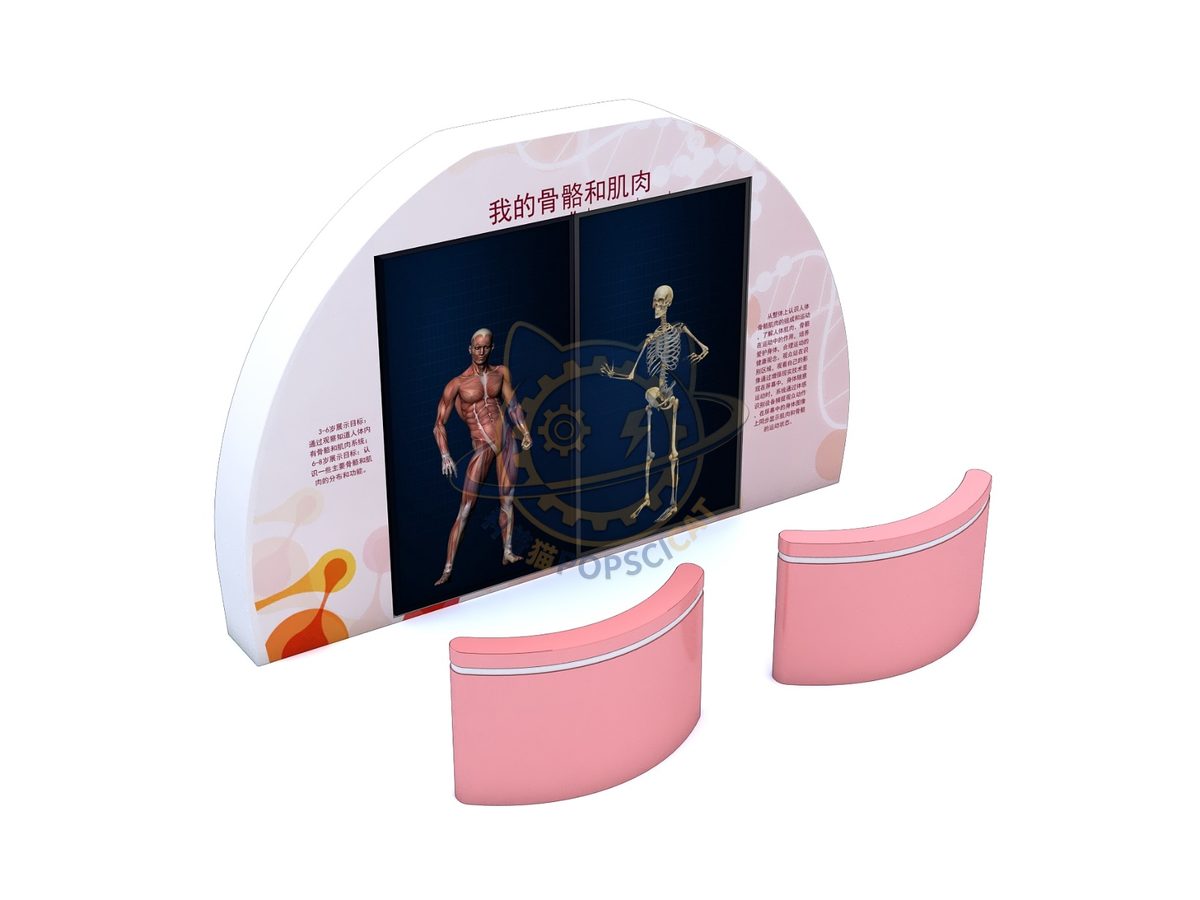
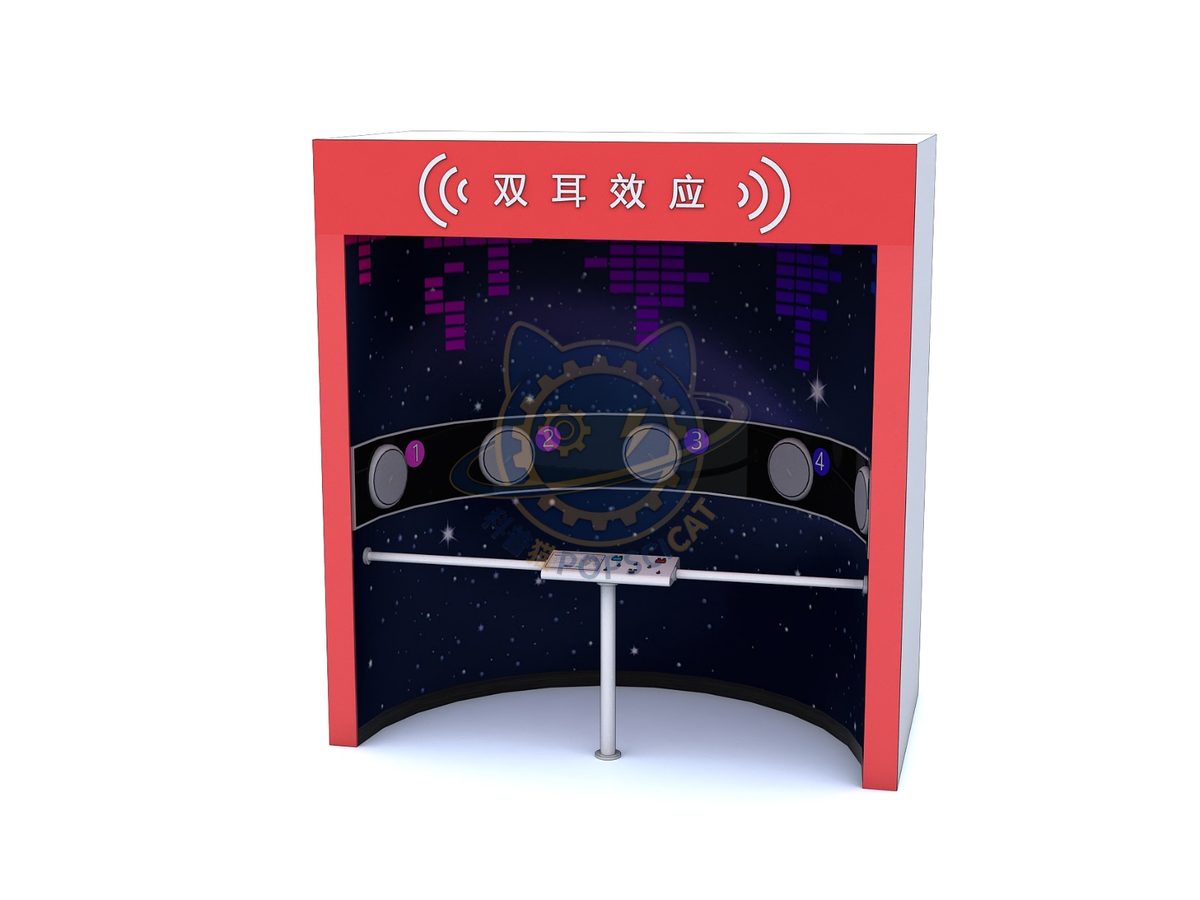
Other models from the Life Science & Health line, all held to the same specification and the same control package.

Sound reaches two ears at different times; visitors point to the source.

An adjustable lens projects a real image onto a retina screen.

Projected anatomy on a body-sized screen layer by layer.

Contract a model biceps and watch the tendon pull the forearm.
Attach a theme outline, a floor plan, or nothing at all — a photo of the space is enough to start. Quotations are issued against a real exhibit list, not per-square-metre guesses.
Scan to add us