DNA storage

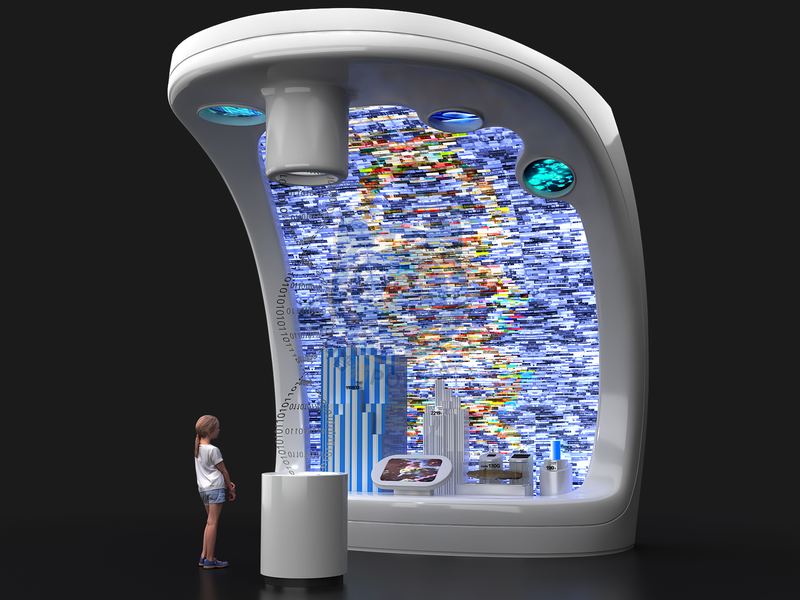
Just as any information can be encoded into binary codes consisting of 1s and 0s, the four bases A, T, C, and G in…

DNA storage — Life Science & Health exhibit for science museums
Reference image
CategoryLife Science & Health
Standard sizeCustom size
SupplySingle unit or batch · OEM to your drawing
Lead timeStandard 4–8 weeks after deposit (confirmed per contract)
Warranty1 year, structure and control
DocumentsSpecification sheet · control diagram · spare-part list

A standard catalogue model: the dimensions, control package and finish are fixed, which is what keeps the price and the lead time predictable. Size, colour and interface language can be adapted without a new design cycle.

Ask about this model → Email us

Standard models from this range are also listed in our online store, priced in USD — see the price yourself ↗
01 / Overview

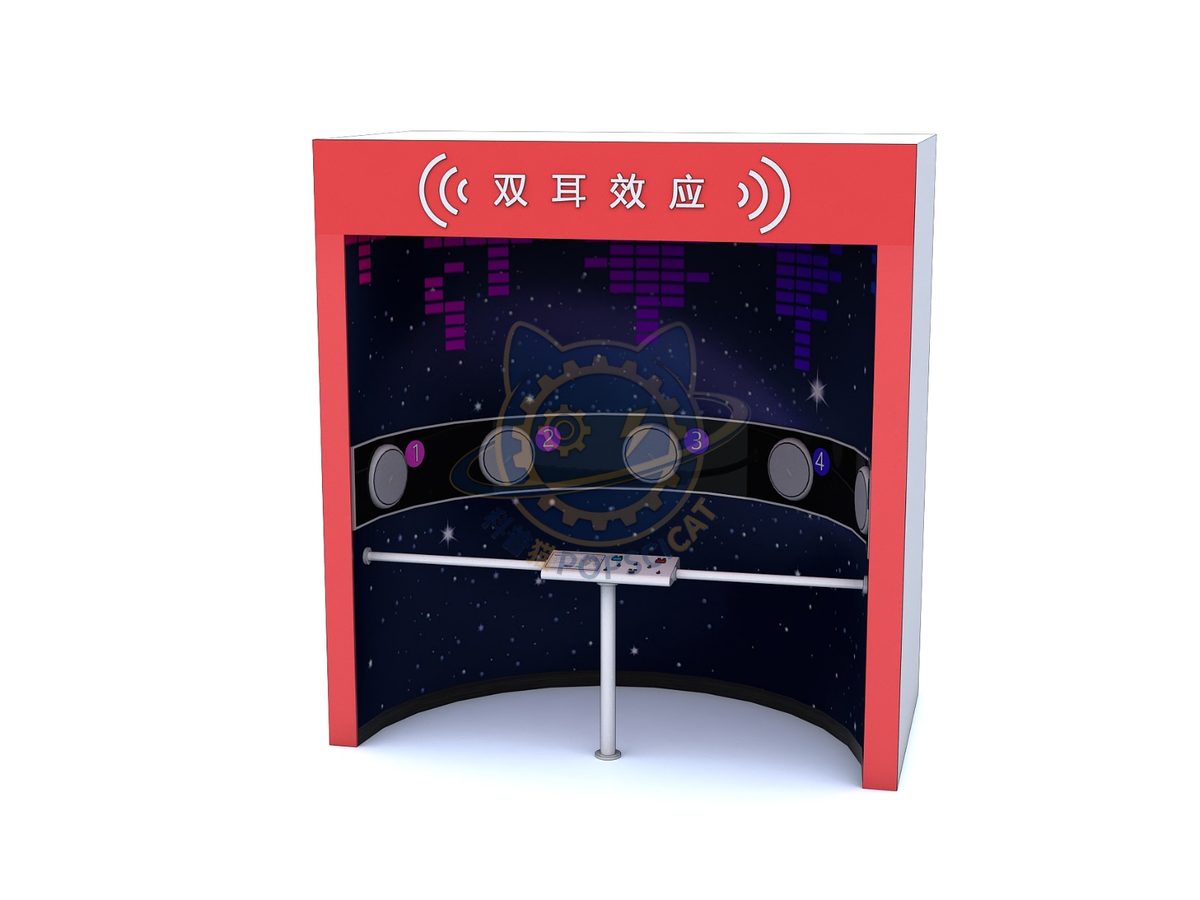
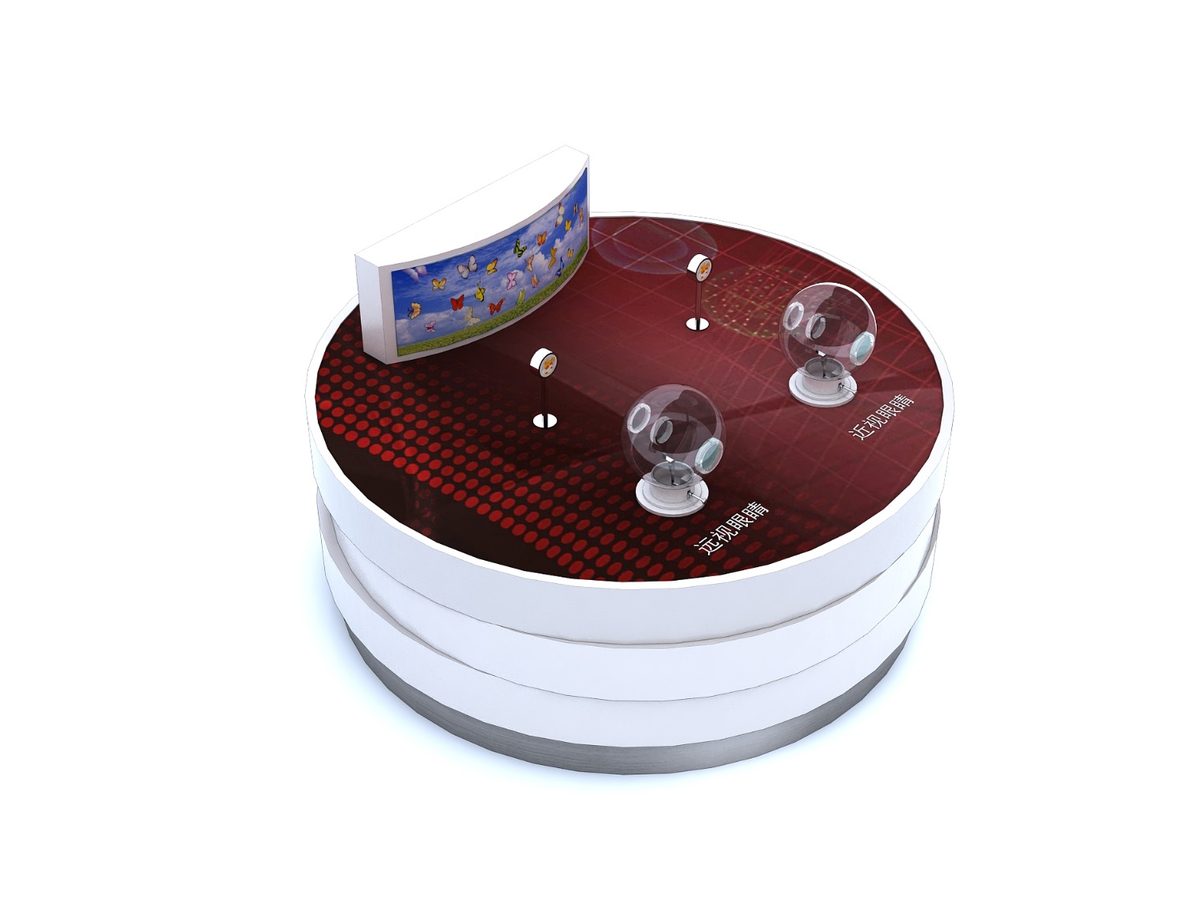
Just as any information can be encoded into binary codes consisting of 1s and 0s, the four bases A, T, C, and G in DNA can also be used as encoding carriers. When the encoded bases form an ordered and stable sequence, the information is stored in DNA. Compared to traditional storage methods, DNA has extremely high information density. According to the research team's assessment, only 1 gram of DNA is sufficient to store 10 million hours of high-definition video data; One kilogram of DNA can hold the current global amount of information. In addition, DNA storage also has extremely high chemical stability, and once written, it requires almost no energy to maintain, making it a possible direction for future information storage.

02 / How visitors use it

The unit is designed for unsupervised public use: controls are recessed or shielded, moving parts are enclosed, and the interface is operable by a child of about six with no instruction. Where a screen is used, the language can be switched without changing the hardware, and the content can be replaced on site.

03 / The science behind it

With the rapid development of information technology and digital technology, such as the Internet and artificial intelligence, the amount of information is growing exponentially. Traditional storage media, such as disk, hard disk, flash memory, have gradually failed to meet the needs of data storage worldwide. In recent years, a new research direction has emerged in this field - DNA storage, which can help solve the problem of data storage in the era of big data. On April 25, 2022, research teams from multiple institutions, including BGI, jointly published a research paper in the journal Nature Computational Science. The research team has developed a bit base encoding and decoding system called "Yin Yang" to address various challenges such as information density and biocompatibility, technical compatibility, and data recovery stability. Data files can be encoded into bases to convert AGCT into binary data for information storage, and various algorithms can be used to achieve data storage.

04 / Built for a public floor

Every unit leaves the factory after a running test: mechanisms cycled, electronics burned in, edges dressed, fixings torqued and marked. Wear parts — bearings, sliders, lamps, belts, touch panels — are modular and listed on the spare-part sheet, so a venue technician can replace them without returning the exhibit. Crating is plywood with foam blocking; the loading plan and packing list travel with the shipment.

Same category

More in Life Science & Health

Other models from the Life Science & Health line, all held to the same specification and the same control package.

Start a project

Send us your exhibit list.
We will come back with a price.

Attach a theme outline, a floor plan, or nothing at all — a photo of the space is enough to start. Quotations are issued against a real exhibit list, not per-square-metre guesses.

WeChat QR code — scan to message us Scan to add us
on WeChat