endoscopy

Endoscope is an optical detection instrument that integrates traditional optics, ergonomics, precision machinery,…

endoscopy — Life Science & Health exhibit for science museums
Reference image
CategoryLife Science & Health
Standard sizeCustom size
SupplySingle unit or batch · OEM to your drawing
Lead timeStandard 4–8 weeks after deposit (confirmed per contract)
Warranty1 year, structure and control
DocumentsSpecification sheet · control diagram · spare-part list

A standard catalogue model: the dimensions, control package and finish are fixed, which is what keeps the price and the lead time predictable. Size, colour and interface language can be adapted without a new design cycle.

Ask about this model → Email us

Standard models from this range are also listed in our online store, priced in USD — see the price yourself ↗
01 / Overview

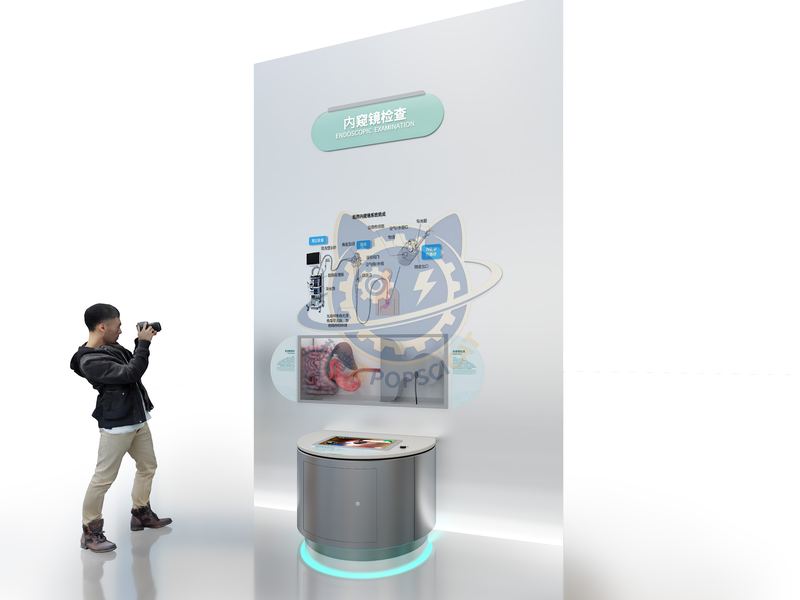
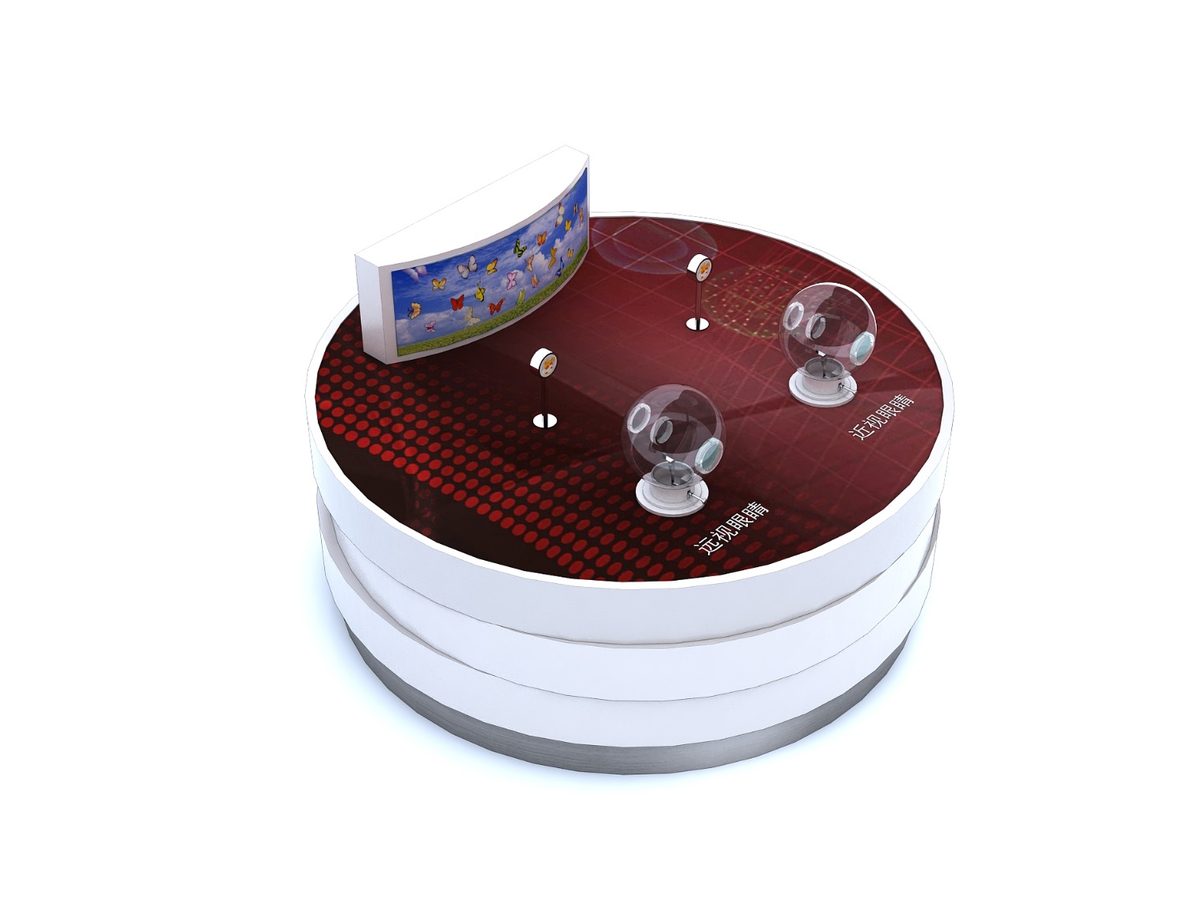
Endoscope is an optical detection instrument that integrates traditional optics, ergonomics, precision machinery, modern electronics, mathematics, software and other fields of technology. Endoscopic examination can be performed through natural human cavities (such as the oral cavity, nasal cavity, anus, etc.) or through minimally invasive incisions to visually observe and diagnose the interior of organs. It has important value in the diagnosis of various diseases, for example, with the help of endoscopy, doctors can observe ulcers or tumors in the stomach and develop more effective treatment plans based on this.

02 / How visitors use it

The unit is designed for unsupervised public use: controls are recessed or shielded, moving parts are enclosed, and the interface is operable by a child of about six with no instruction. Where a screen is used, the language can be switched without changing the hardware, and the content can be replaced on site.

03 / The science behind it

Endoscopy is a medical procedure that uses instruments such as endoscopes to examine the interior of the body. This tool is equipped with a camera that can transmit images to a monitor, helping doctors identify lesions or any abnormal conditions in the body. The application of endoscopes has to some extent avoided some invasive surgeries. The medical endoscope system includes an endoscope body, an image processing module, and a light source module. The doctor holds the operating part to control the position of the electronic soft mirror tip inside the human body, and the connecting part is connected to the camera light source system to transmit the image signal collected by the tip to the image. The organs examined by endoscopy include the throat, esophagus, stomach, duodenum, small intestine, large intestine, bile duct, gallbladder, pancreas, bronchi, and bladder. Digital high-definition cameras can provide higher resolution and image quality, making it easier to capture more details. Combined with artificial intelligence technology, it automatically marks the location of suspicious lesions, improves diagnosis and treatment efficiency, and reduces the possibility of missed problems.

04 / Built for a public floor

Every unit leaves the factory after a running test: mechanisms cycled, electronics burned in, edges dressed, fixings torqued and marked. Wear parts — bearings, sliders, lamps, belts, touch panels — are modular and listed on the spare-part sheet, so a venue technician can replace them without returning the exhibit. Crating is plywood with foam blocking; the loading plan and packing list travel with the shipment.

Same category

More in Life Science & Health

Other models from the Life Science & Health line, all held to the same specification and the same control package.

Start a project

Send us your exhibit list.
We will come back with a price.

Attach a theme outline, a floor plan, or nothing at all — a photo of the space is enough to start. Quotations are issued against a real exhibit list, not per-square-metre guesses.

WeChat QR code — scan to message us Scan to add us
on WeChat