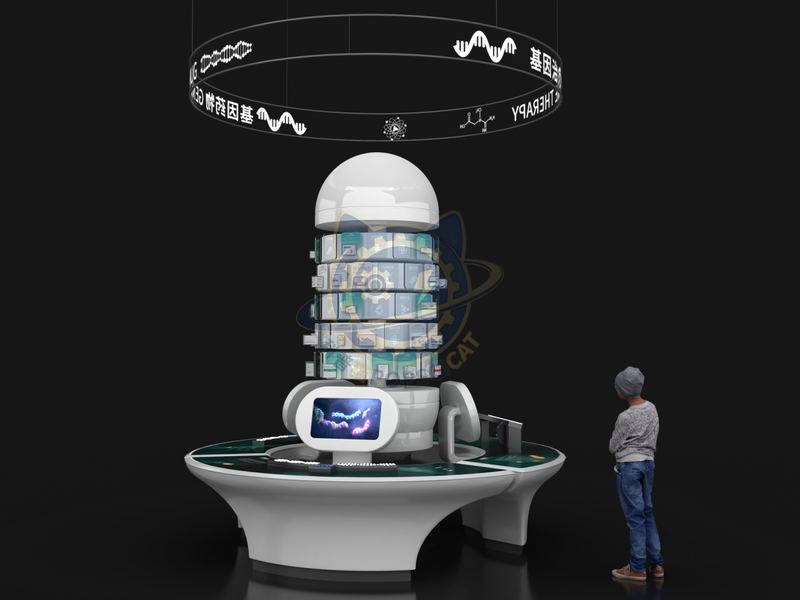
gene therapy

Gene therapy typically involves gene silencing, gene enhancement, and gene modification: gene silencing refers to…

gene therapy — Life Science & Health exhibit for science museums
Reference image
CategoryLife Science & Health
Standard sizeCustom size
SupplySingle unit or batch · OEM to your drawing
Lead timeStandard 4–8 weeks after deposit (confirmed per contract)
Warranty1 year, structure and control
DocumentsSpecification sheet · control diagram · spare-part list

A standard catalogue model: the dimensions, control package and finish are fixed, which is what keeps the price and the lead time predictable. Size, colour and interface language can be adapted without a new design cycle.

Ask about this model → Email us

Standard models from this range are also listed in our online store, priced in USD — see the price yourself ↗
01 / Overview

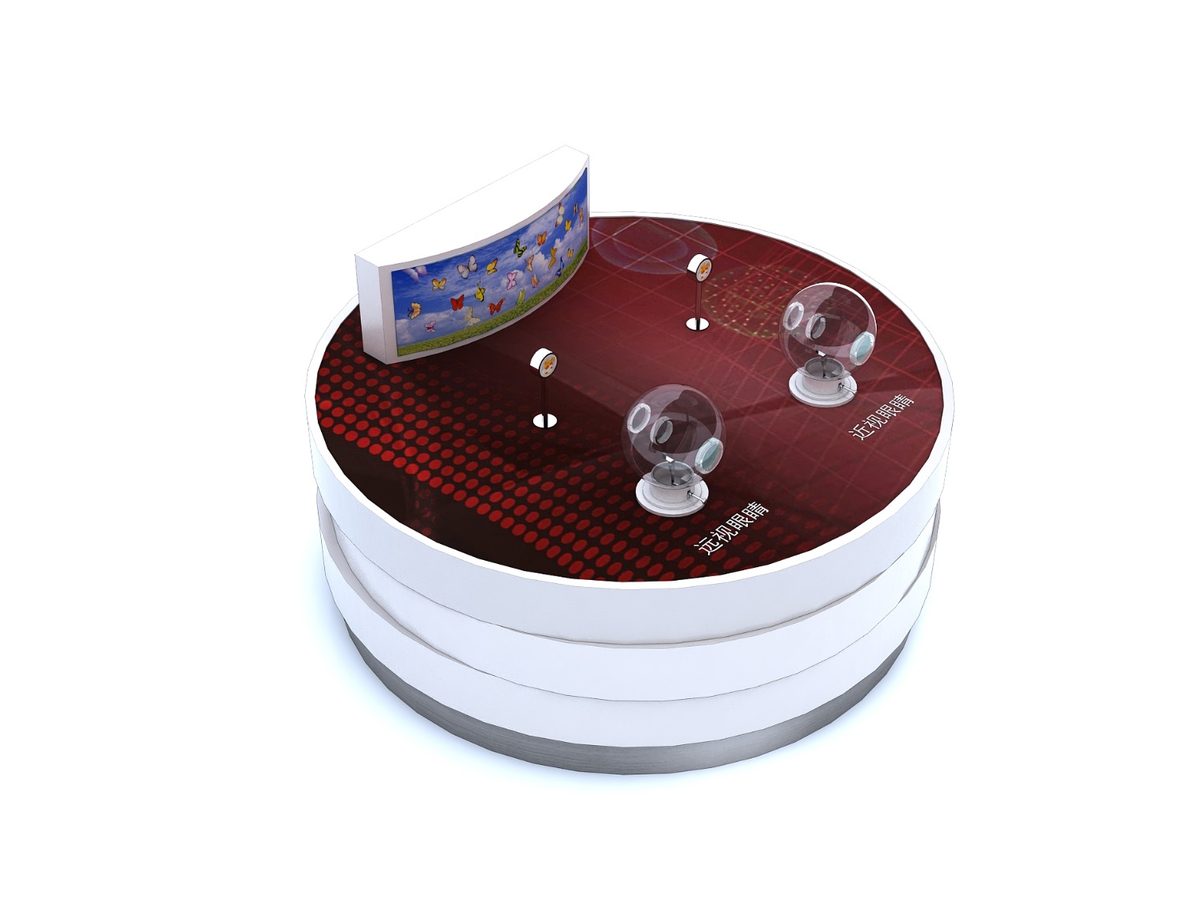
Gene therapy typically involves gene silencing, gene enhancement, and gene modification: gene silencing refers to the phenomenon in which specific genes in an organism are not expressed or reduced in expression for some reason. Gene silencing can occur naturally or be achieved through human manipulation. Here, gene silencing specifically refers to a medical technique of gene therapy. Because gene silencing only affects pathogenic genes and does not affect other unrelated genes, it has good targeting and minimal adverse reactions, demonstrating great potential and application prospects in clinical treatment. Gene enhancement is a gene therapy method that compensates for defective gene function. It transfers normally functioning genes to cells with gene defects or deletions to express normal products, thereby achieving the goal of disease treatment. Gene enhancement, as an emerging technology, brings benefits to humanity but also carries certain risks. To ensure safety, the implementation of gene enhancement must carefully evaluate the insertion position of exogenous genes.

02 / How visitors use it

The unit is designed for unsupervised public use: controls are recessed or shielded, moving parts are enclosed, and the interface is operable by a child of about six with no instruction. Where a screen is used, the language can be switched without changing the hardware, and the content can be replaced on site.

03 / The science behind it

Genes are the basic functional units that carry biological genetic information and are a specific sequence located on chromosomes. Gene therapy is the process of introducing exogenous normal genes into target cells to correct or compensate for diseases caused by genetic defects and abnormalities, achieving the therapeutic goal. The basic process of gene therapy includes: acquisition of therapeutic genes, selection of gene vectors, selection of target cells, determination of gene transfer methods, selection and identification of transduced cells, and reinfusion into the body. Among them, each step is an extremely complex and important process. Gene therapy is mainly used in some genetic diseases, malignant tumors, cardiovascular diseases, infectious diseases, etc.

04 / Built for a public floor

Every unit leaves the factory after a running test: mechanisms cycled, electronics burned in, edges dressed, fixings torqued and marked. Wear parts — bearings, sliders, lamps, belts, touch panels — are modular and listed on the spare-part sheet, so a venue technician can replace them without returning the exhibit. Crating is plywood with foam blocking; the loading plan and packing list travel with the shipment.

Same category

More in Life Science & Health

Other models from the Life Science & Health line, all held to the same specification and the same control package.

Start a project

Send us your exhibit list.
We will come back with a price.

Attach a theme outline, a floor plan, or nothing at all — a photo of the space is enough to start. Quotations are issued against a real exhibit list, not per-square-metre guesses.

WeChat QR code — scan to message us Scan to add us
on WeChat