The Human Genome Project is a transnational, interdisciplinary, and large-scale exploration project aimed at…
| Category | Life Science & Health |
|---|---|
| Standard size | Custom size |
| Supply | Single unit or batch · OEM to your drawing |
| Lead time | Standard 4–8 weeks after deposit (confirmed per contract) |
| Warranty | 1 year, structure and control |
| Documents | Specification sheet · control diagram · spare-part list |
A standard catalogue model: the dimensions, control package and finish are fixed, which is what keeps the price and the lead time predictable. Size, colour and interface language can be adapted without a new design cycle.
Standard models from this range are also listed in our online store, priced in USD — see the price yourself ↗
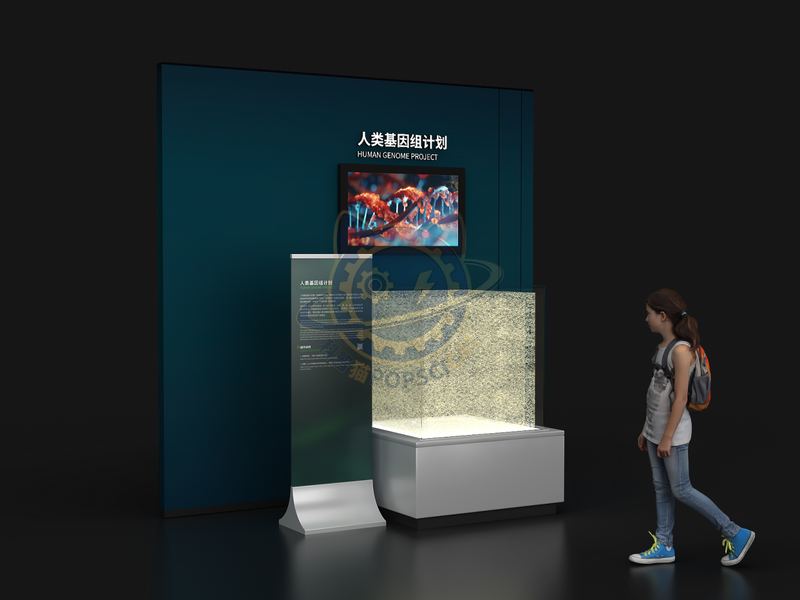
The Human Genome Project is a transnational, interdisciplinary, and large-scale exploration project aimed at obtaining the sequences of all nucleotide bases that make up the human genome, in order to map the human genome. This map provides a detailed record of human genetic information and is known as the 'second anatomical map of the human body'. The program was officially launched in 1990 and completed in 2003, with the participation of scientists from the United States, Britain, France, Germany, Japan, and China. China was responsible for determining 1% of the entire sequence. Its success not only directly promoted the establishment of genomics, but also marked a big step forward for humanity in understanding its own genetic mysteries, opening up new paths for future scientific research and medical practice.
The unit is designed for unsupervised public use: controls are recessed or shielded, moving parts are enclosed, and the interface is operable by a child of about six with no instruction. Where a screen is used, the language can be switched without changing the hardware, and the content can be replaced on site.
The Human Genome Project is a large-scale, interdisciplinary scientific exploration project. Its purpose is to determine the nucleotide sequence consisting of 3 billion base pairs that make up the human chromosome (referring to haploid), in order to draw a human genome map and identify the genes and their sequences it carries, with the ultimate goal of deciphering human genetic information. As of April 14, 2003, the plan took about 13 years and cost 3 billion US dollars, finally completed. As the only participating developing country, China has completed the sequencing, assembly, and annotation of the approximately 30 Mb region on the short arm telomere side of human chromosome 3, accounting for about 1% of the entire human genome sequencing and annotation work, hence also known as the "1% Project". This section is also known as the "Chinese Volume" of the Human Genome Project.
Every unit leaves the factory after a running test: mechanisms cycled, electronics burned in, edges dressed, fixings torqued and marked. Wear parts — bearings, sliders, lamps, belts, touch panels — are modular and listed on the spare-part sheet, so a venue technician can replace them without returning the exhibit. Crating is plywood with foam blocking; the loading plan and packing list travel with the shipment.
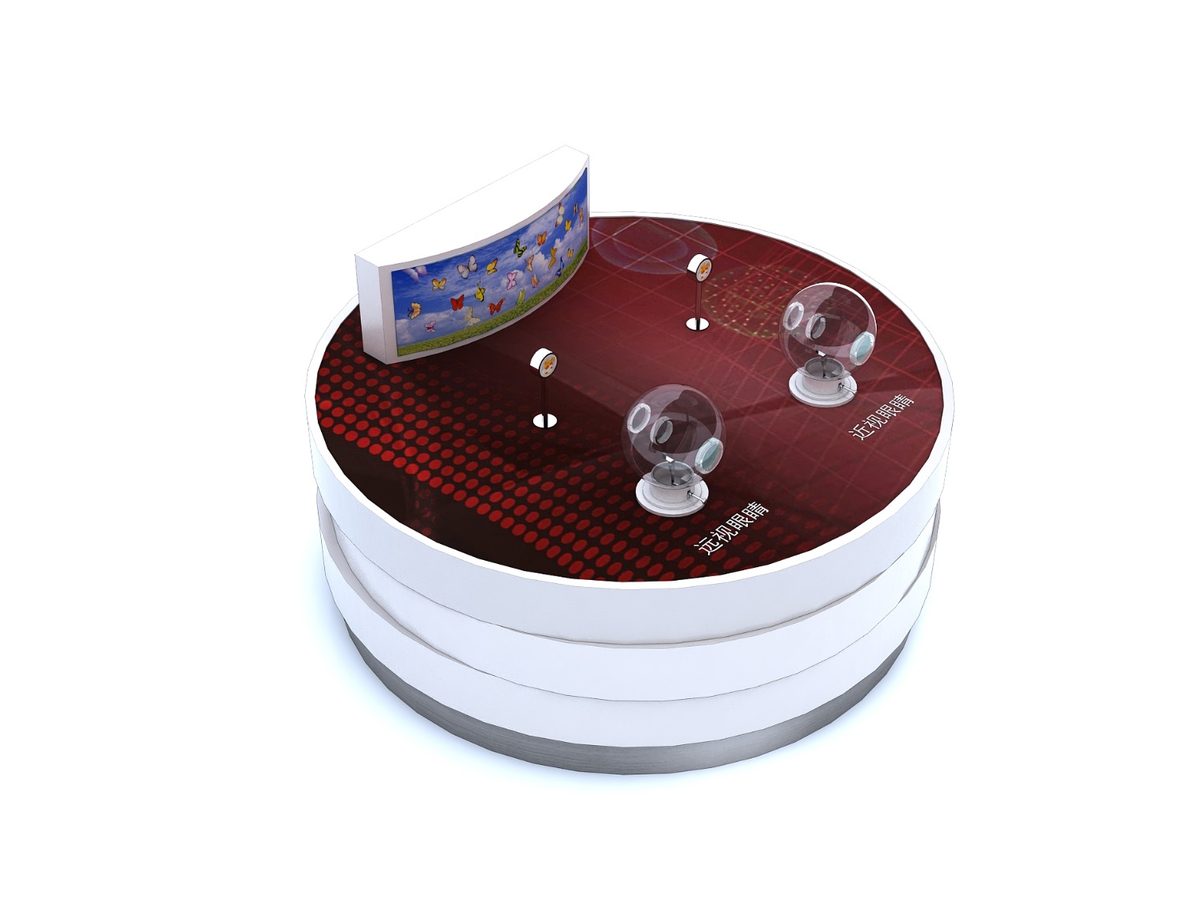
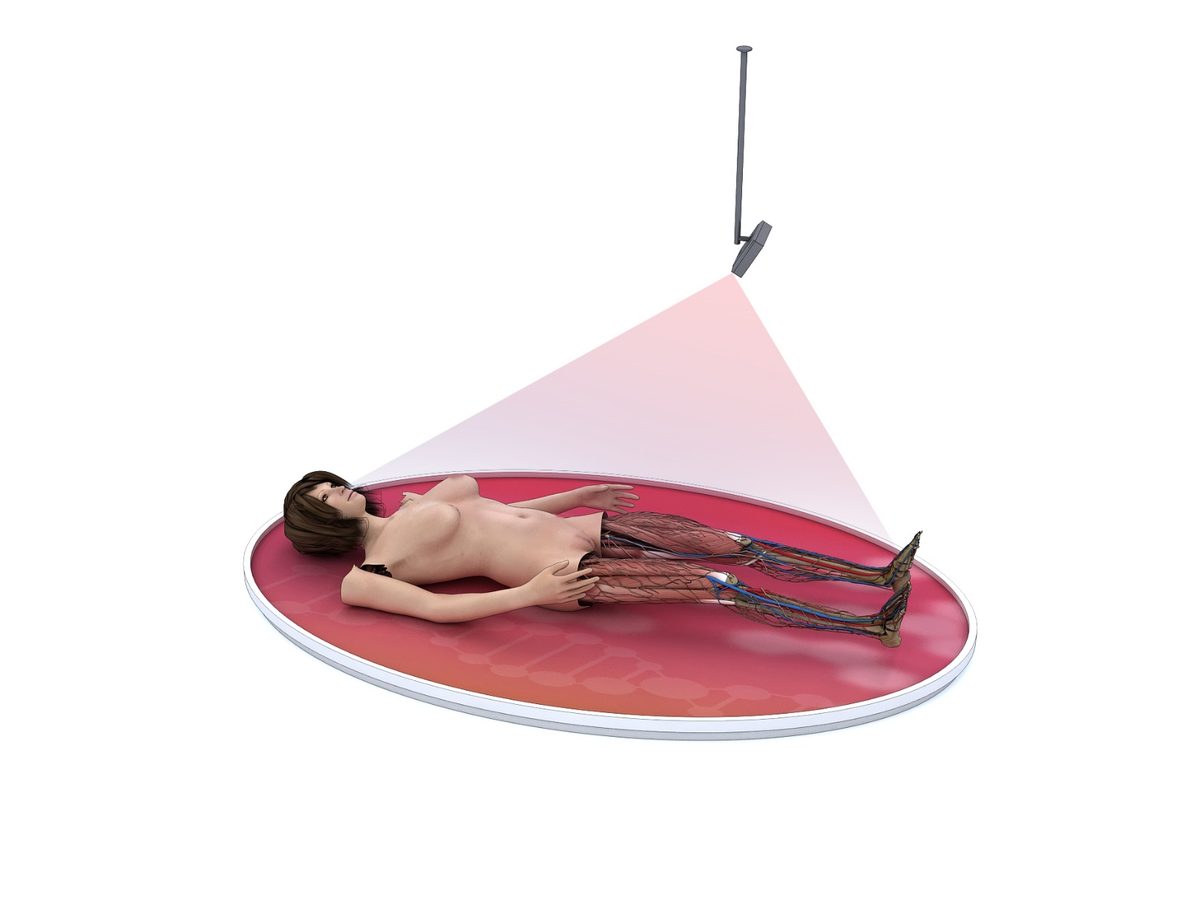
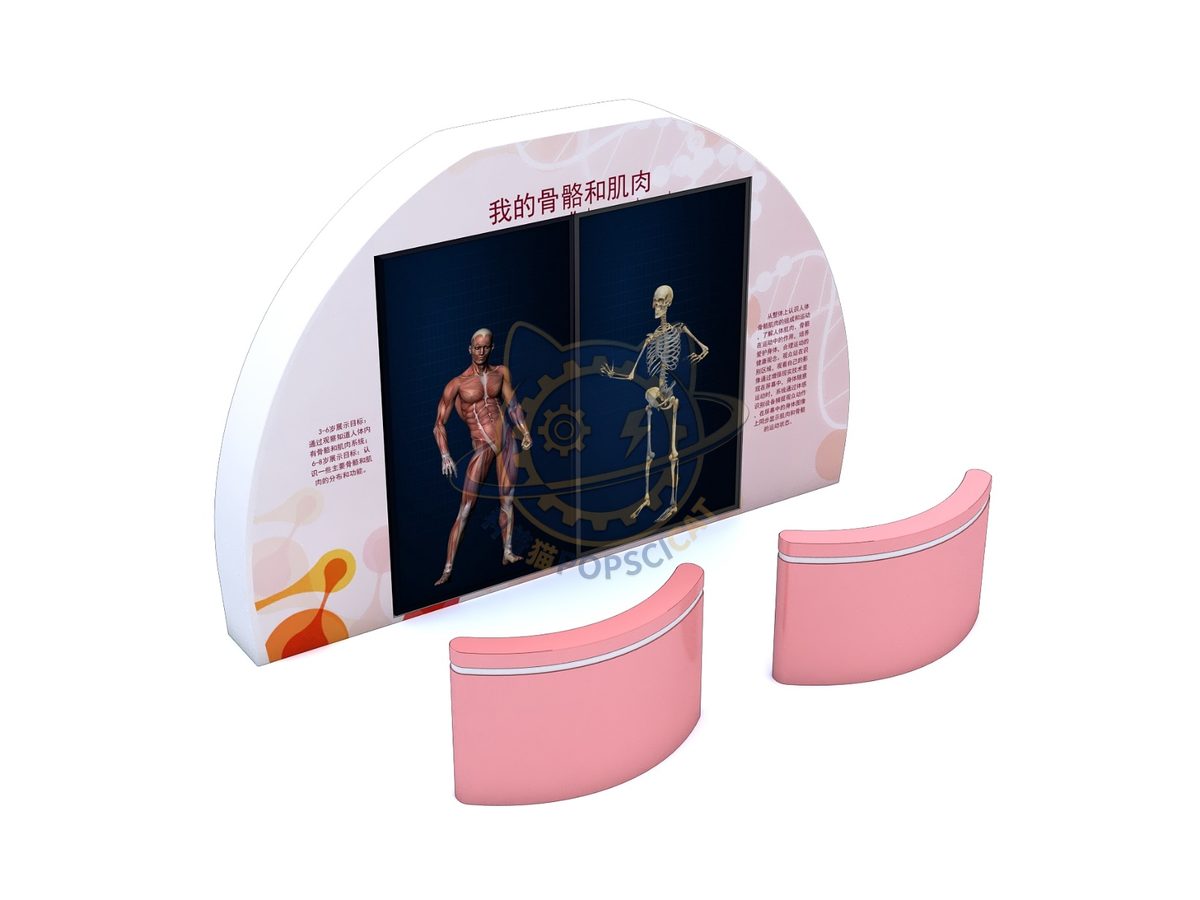
Other models from the Life Science & Health line, all held to the same specification and the same control package.

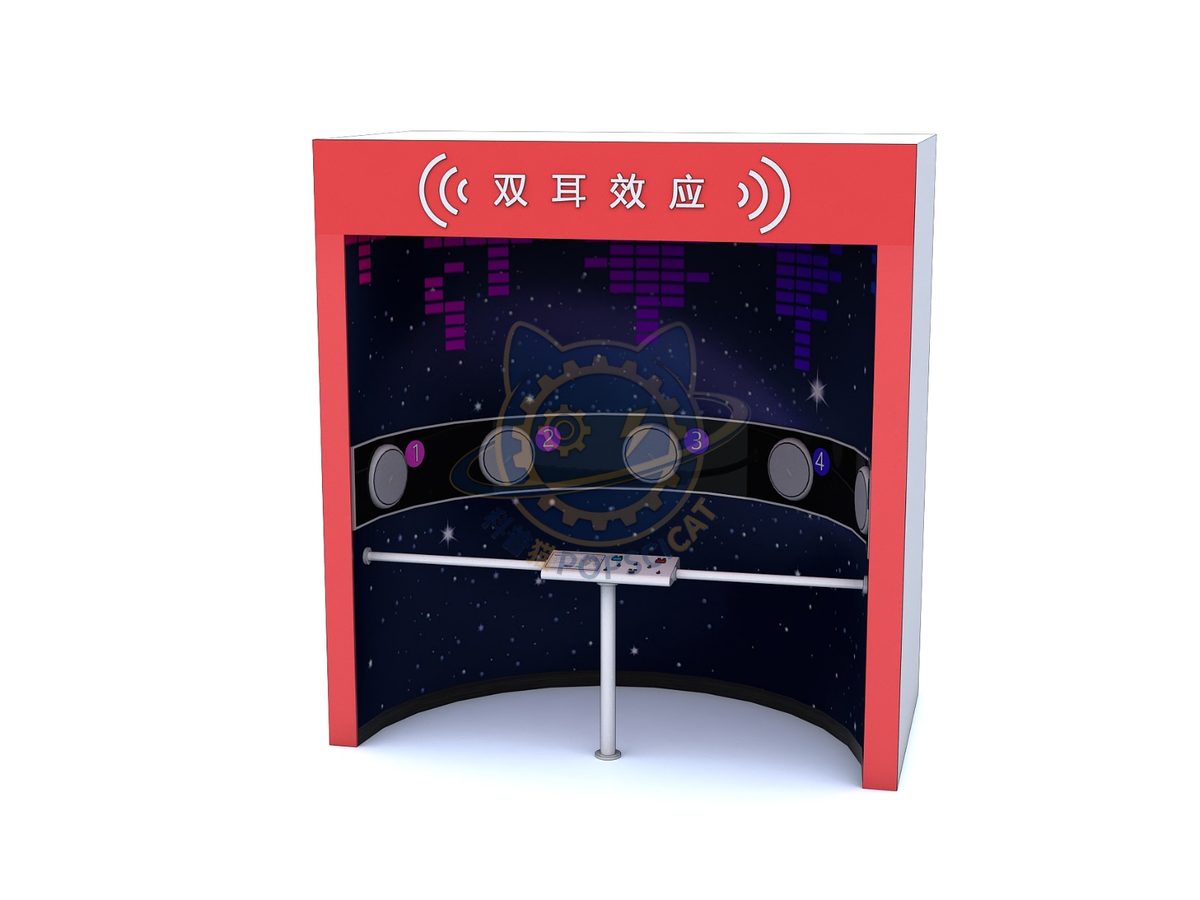
Sound reaches two ears at different times; visitors point to the source.

An adjustable lens projects a real image onto a retina screen.

Projected anatomy on a body-sized screen layer by layer.

Contract a model biceps and watch the tendon pull the forearm.
Attach a theme outline, a floor plan, or nothing at all — a photo of the space is enough to start. Quotations are issued against a real exhibit list, not per-square-metre guesses.
Scan to add us