The chip laboratory, also known as microfluidic chips, relies on microfluidic technology to achieve experimental…
| Category | Life Science & Health |
|---|---|
| Standard size | Custom size |
| Supply | Single unit or batch · OEM to your drawing |
| Lead time | Standard 4–8 weeks after deposit (confirmed per contract) |
| Warranty | 1 year, structure and control |
| Documents | Specification sheet · control diagram · spare-part list |
A standard catalogue model: the dimensions, control package and finish are fixed, which is what keeps the price and the lead time predictable. Size, colour and interface language can be adapted without a new design cycle.
Standard models from this range are also listed in our online store, priced in USD — see the price yourself ↗
The chip laboratory, also known as microfluidic chips, relies on microfluidic technology to achieve experimental integration. Microfluidics refers to the science and technology involved in systems that use microchannels (with sizes ranging from tens to hundreds of micrometers) to process or manipulate small fluids (with volumes ranging from nanoliters to attliters). It is an emerging interdisciplinary field involving chemistry, fluid physics, microelectronics, new materials, biology, and biomedical engineering. This type of device has the characteristics of miniaturization and integration, and can complete the entire biochemical experiment process on a square chip. The main application areas of microfluidic chips in biomedicine are clinical diagnostic instruments and in vitro biomimetic models. Clinical diagnostic microfluidic detection chips generally have the advantages of low sample consumption, fast detection speed, easy operation, multifunctional integration, small size, and portability. Therefore, they are particularly suitable for developing bedside diagnosis and have great potential to simplify the diagnostic process and improve medical outcomes.
The unit is designed for unsupervised public use: controls are recessed or shielded, moving parts are enclosed, and the interface is operable by a child of about six with no instruction. Where a screen is used, the language can be switched without changing the hardware, and the content can be replaced on site.
Working principle of microfluidic chip: Different channels for fluid passage are set up inside the chip to complete different biological or chemical reaction processes. When the substance to be detected flows through a certain area and is irradiated by light, these substances can spontaneously or combine with other specific substances to emit fluorescence. These fluorescence can be read by sensors such as optical cameras to determine the type and content of the substance to be detected in the fluid channel.
Every unit leaves the factory after a running test: mechanisms cycled, electronics burned in, edges dressed, fixings torqued and marked. Wear parts — bearings, sliders, lamps, belts, touch panels — are modular and listed on the spare-part sheet, so a venue technician can replace them without returning the exhibit. Crating is plywood with foam blocking; the loading plan and packing list travel with the shipment.
Other models from the Life Science & Health line, all held to the same specification and the same control package.

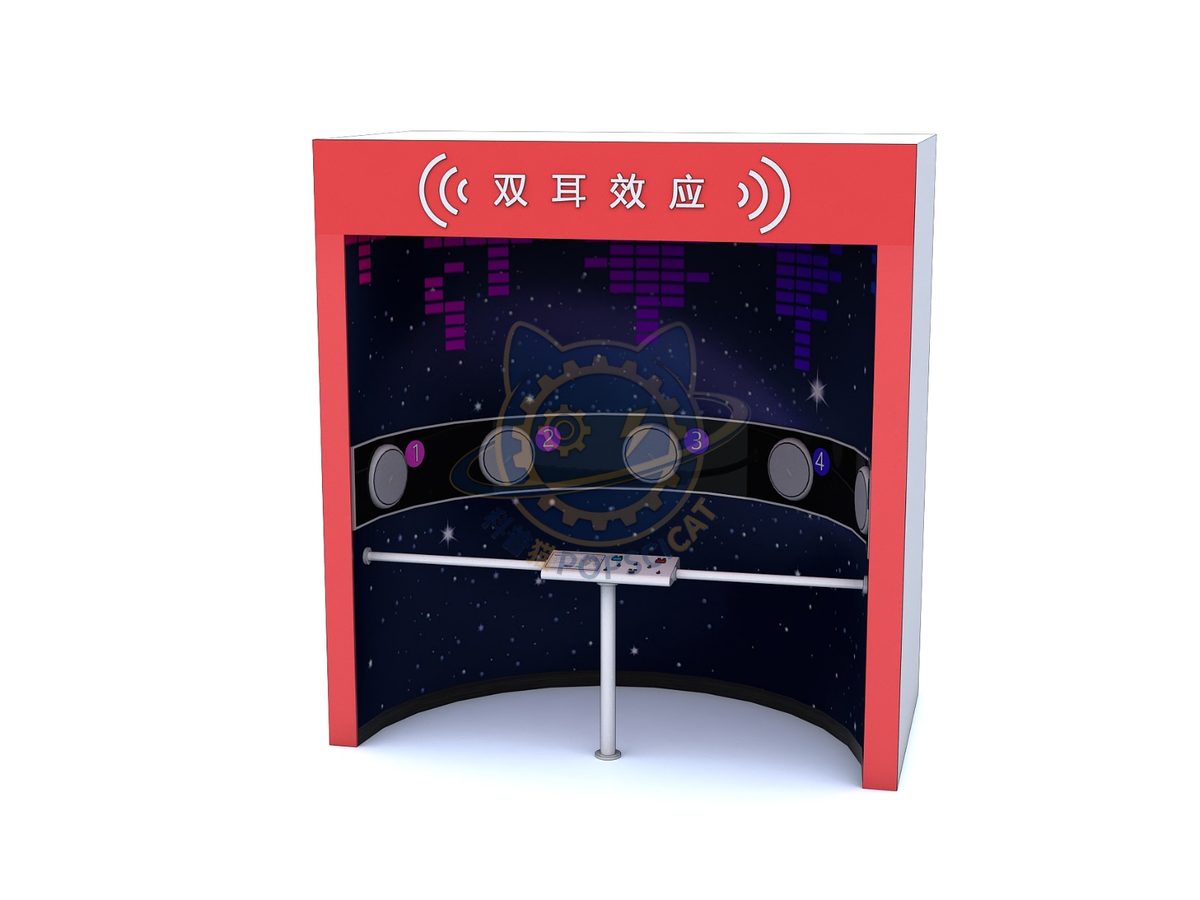
Sound reaches two ears at different times; visitors point to the source.

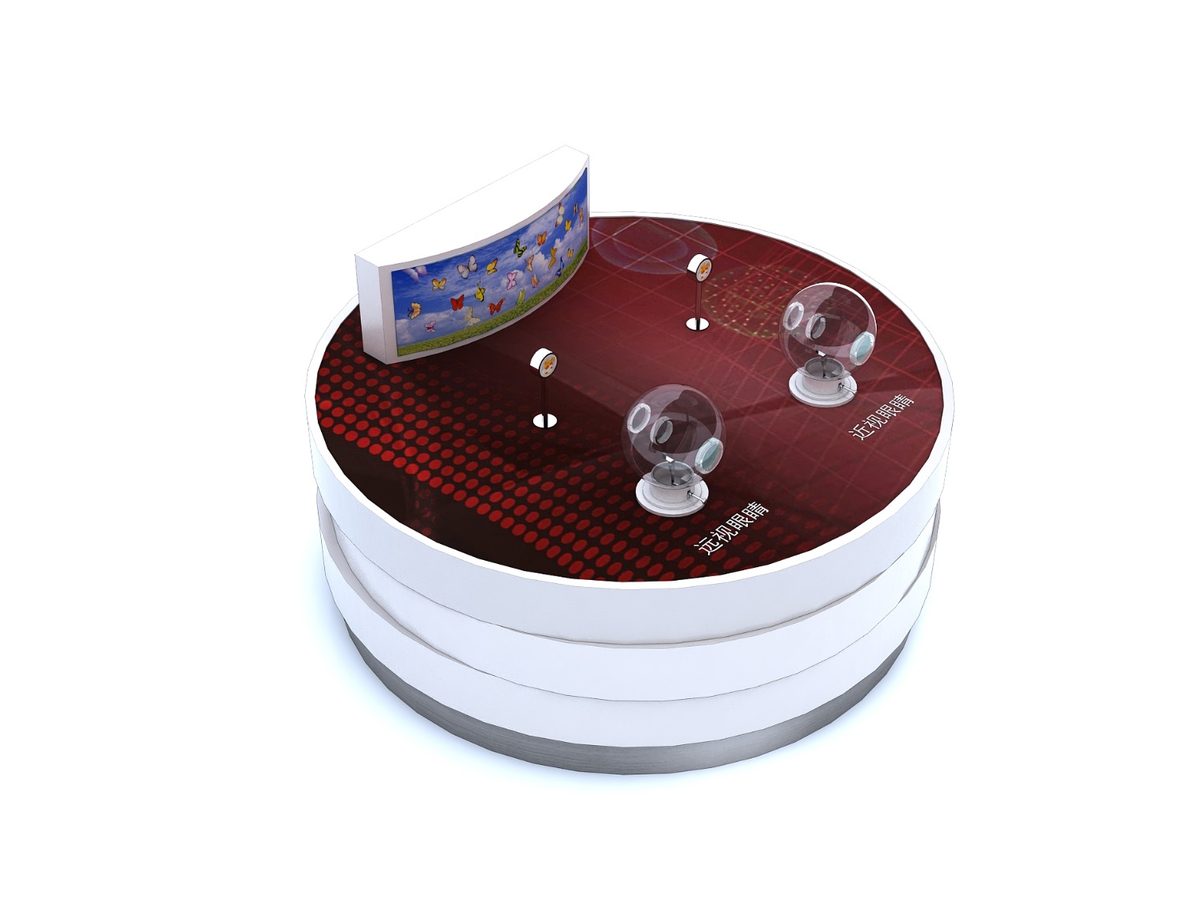
An adjustable lens projects a real image onto a retina screen.

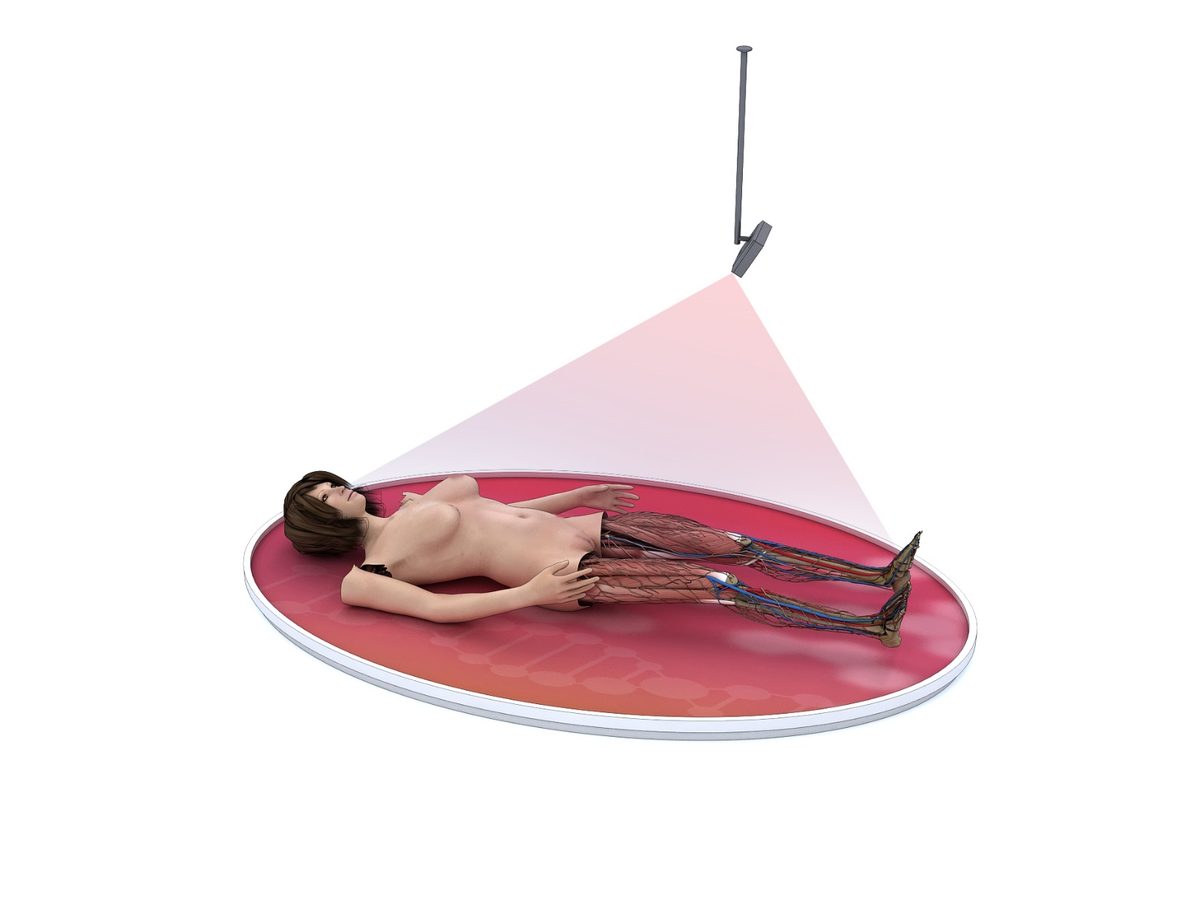
Projected anatomy on a body-sized screen layer by layer.

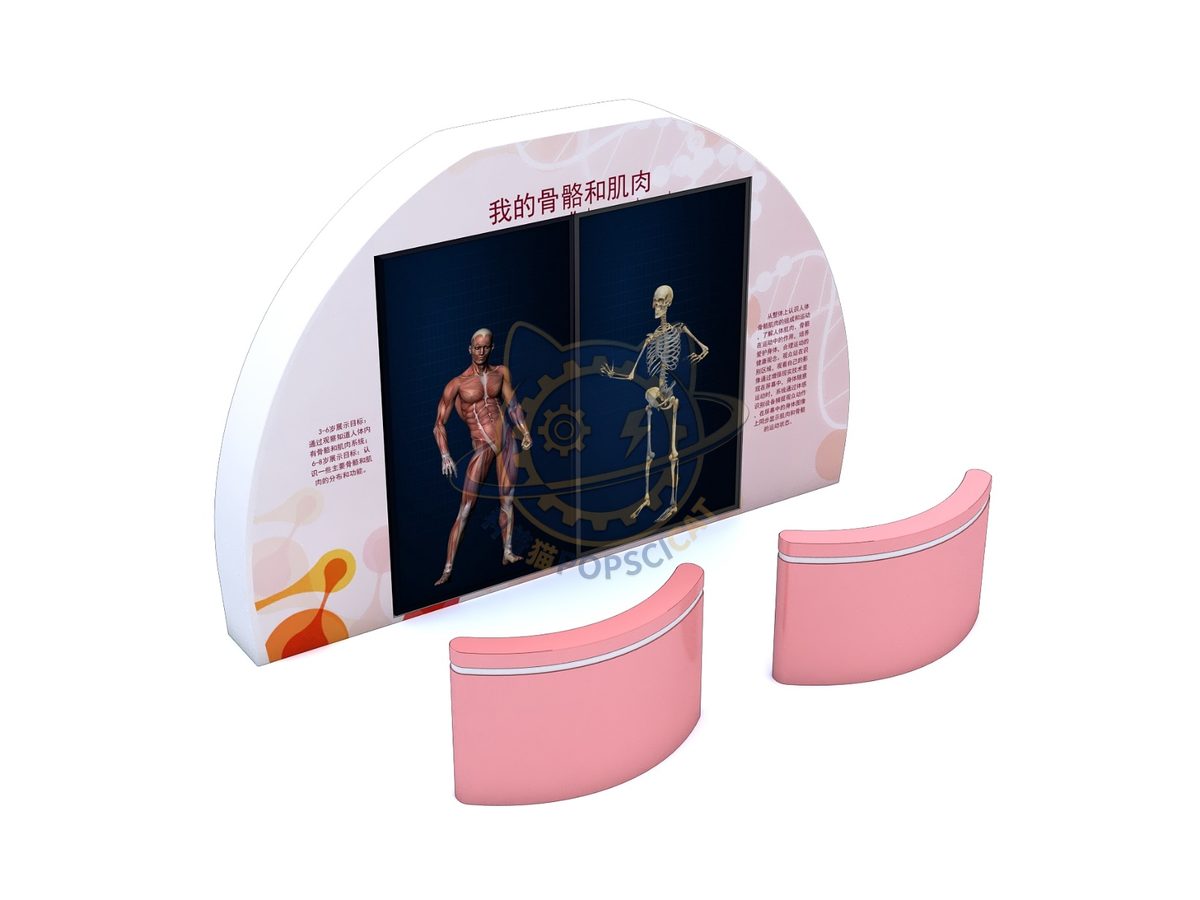
Contract a model biceps and watch the tendon pull the forearm.
Attach a theme outline, a floor plan, or nothing at all — a photo of the space is enough to start. Quotations are issued against a real exhibit list, not per-square-metre guesses.
Scan to add us