Quantity of food

The concept of 'food quantity' refers to quantifying food intake through scientific methods, ensuring a balanced and…

Quantity of food — Life Science & Health exhibit for science museums
Reference image
CategoryLife Science & Health
Standard sizeCustom size
SupplySingle unit or batch · OEM to your drawing
Lead timeStandard 4–8 weeks after deposit (confirmed per contract)
Warranty1 year, structure and control
DocumentsSpecification sheet · control diagram · spare-part list

A standard catalogue model: the dimensions, control package and finish are fixed, which is what keeps the price and the lead time predictable. Size, colour and interface language can be adapted without a new design cycle.

Ask about this model → Email us

Standard models from this range are also listed in our online store, priced in USD — see the price yourself ↗
01 / Overview

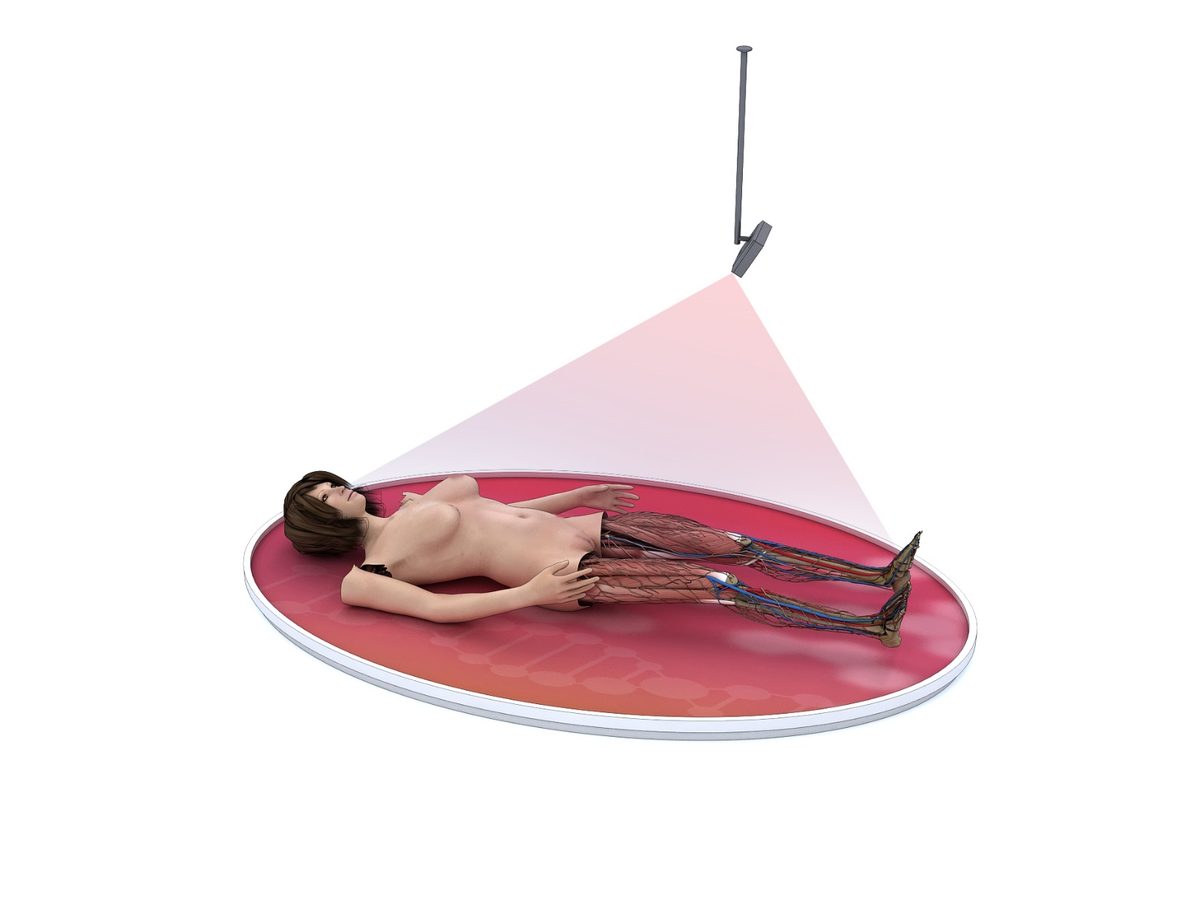
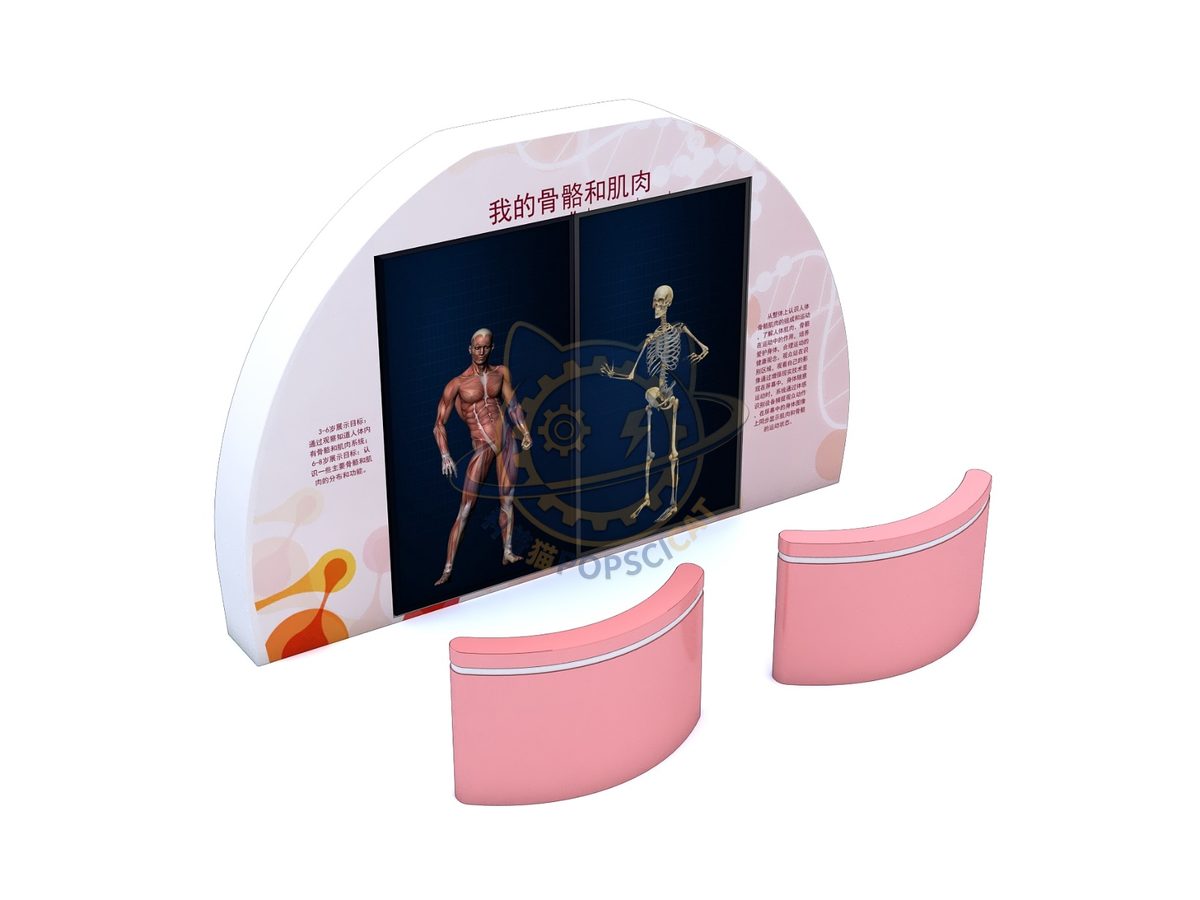
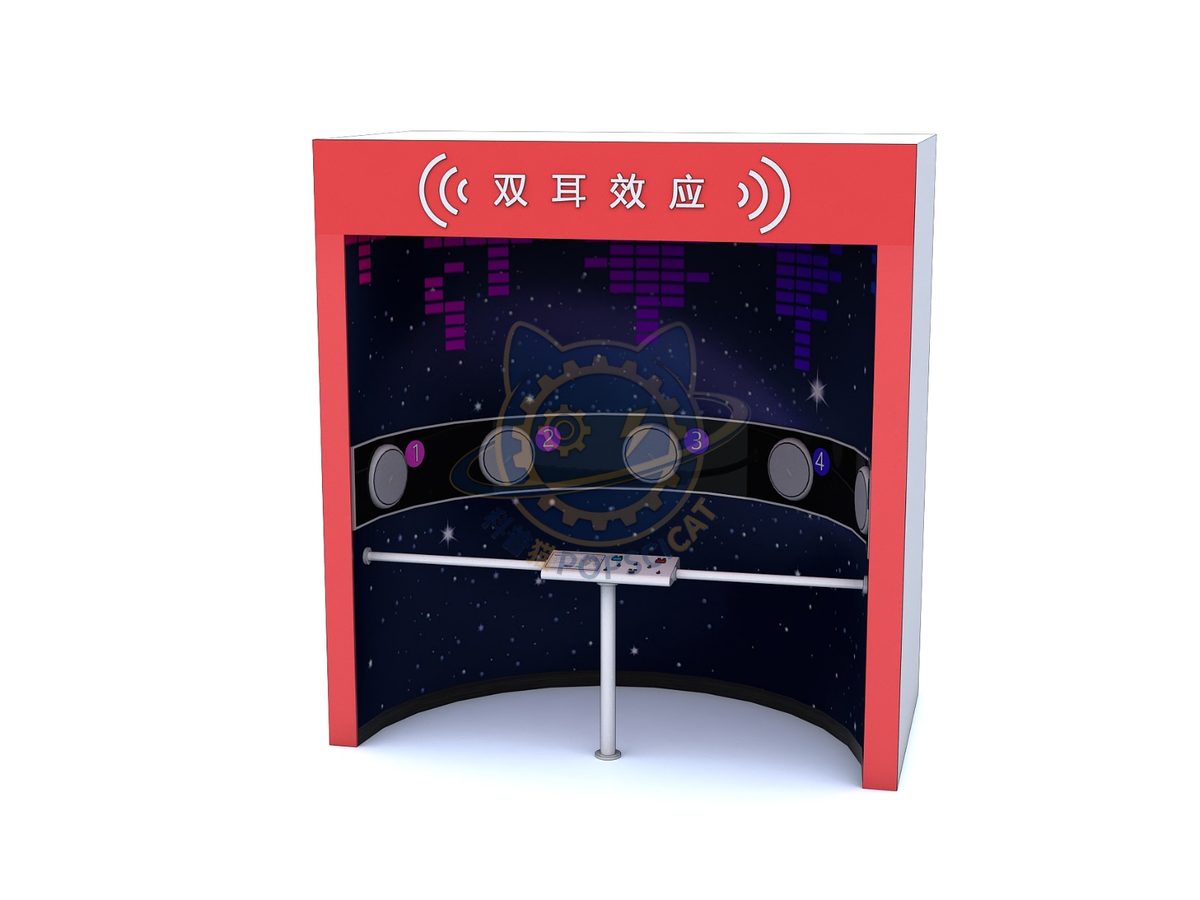
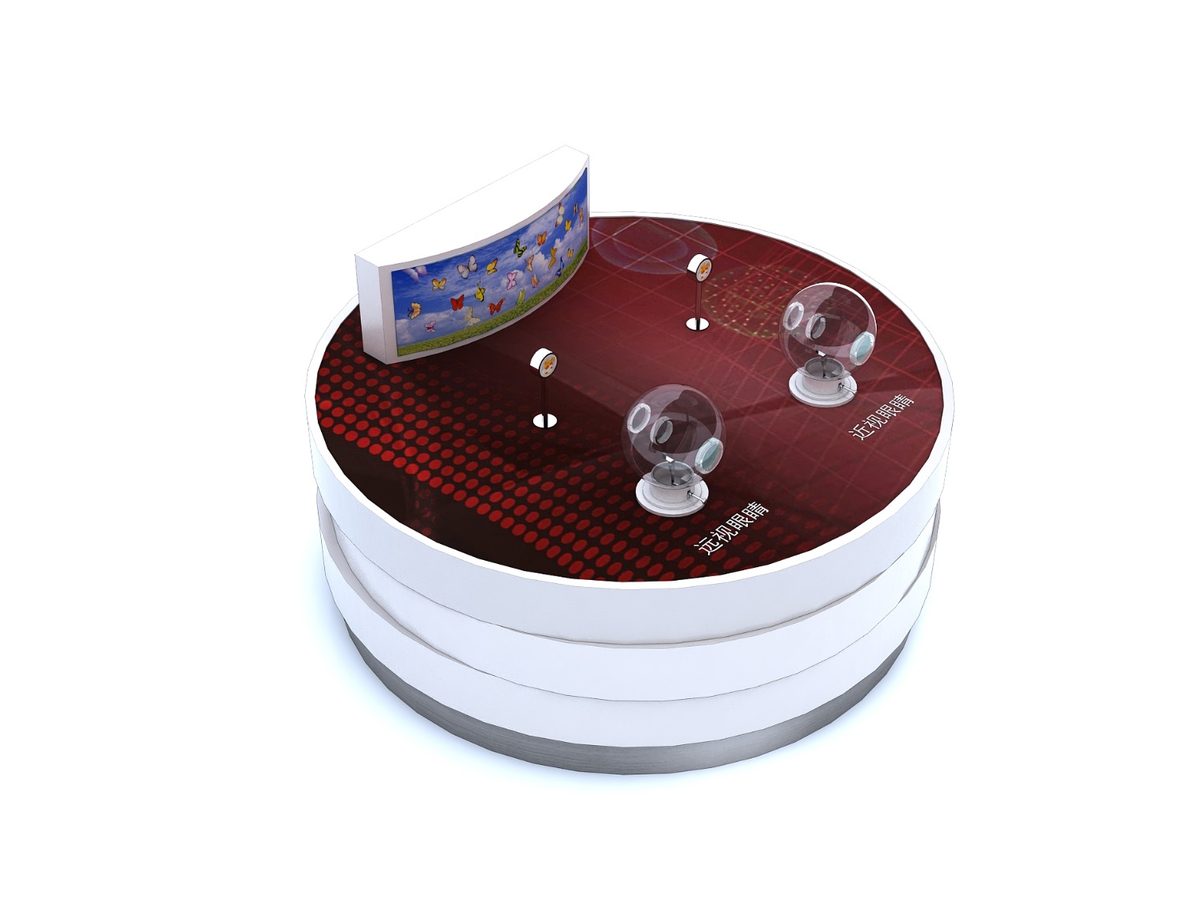
The concept of 'food quantity' refers to quantifying food intake through scientific methods, ensuring a balanced and healthy diet, and helping people achieve their goals of losing weight, gaining muscle, or maintaining a healthy weight. It is widely used in health management, nutrition counseling, and personal fitness plans, helping to raise public awareness of healthy eating and cultivate scientific and healthy eating habits.

02 / How visitors use it

The unit is designed for unsupervised public use: controls are recessed or shielded, moving parts are enclosed, and the interface is operable by a child of about six with no instruction. Where a screen is used, the language can be switched without changing the hardware, and the content can be replaced on site.

03 / The science behind it

The daily calorie intake of a normal person is related to their weight and the job they are engaged in. The relationship between hourly calorie intake and body weight is approximately 1 kcal/h/kg, which is 4.186 kJ/h/kg. A healthy diet first requires a variety of foods, mainly grains, with a combination of coarse and fine grains; Eat more vegetables, fruits, and potatoes; Eating dairy products, soybeans or their products every day; Eat moderate amounts of fish, poultry, eggs, and lean meat regularly; Reduce the amount of cooking oil used, do not prefer to buy cooked food from supermarkets, and eat light and low salt meals; Eat in moderation, exercise daily, drink plenty of water and sweat, and maintain a healthy weight; Three meals should be distributed reasonably, and snacks should be appropriate; Drink plenty of water every day and choose beverages reasonably; Alcohol consumption should be limited; Eat more fresh and hygienic food, etc.

04 / Built for a public floor

Every unit leaves the factory after a running test: mechanisms cycled, electronics burned in, edges dressed, fixings torqued and marked. Wear parts — bearings, sliders, lamps, belts, touch panels — are modular and listed on the spare-part sheet, so a venue technician can replace them without returning the exhibit. Crating is plywood with foam blocking; the loading plan and packing list travel with the shipment.

Same category

More in Life Science & Health

Other models from the Life Science & Health line, all held to the same specification and the same control package.

Start a project

Send us your exhibit list.
We will come back with a price.

Attach a theme outline, a floor plan, or nothing at all — a photo of the space is enough to start. Quotations are issued against a real exhibit list, not per-square-metre guesses.

WeChat QR code — scan to message us Scan to add us
on WeChat