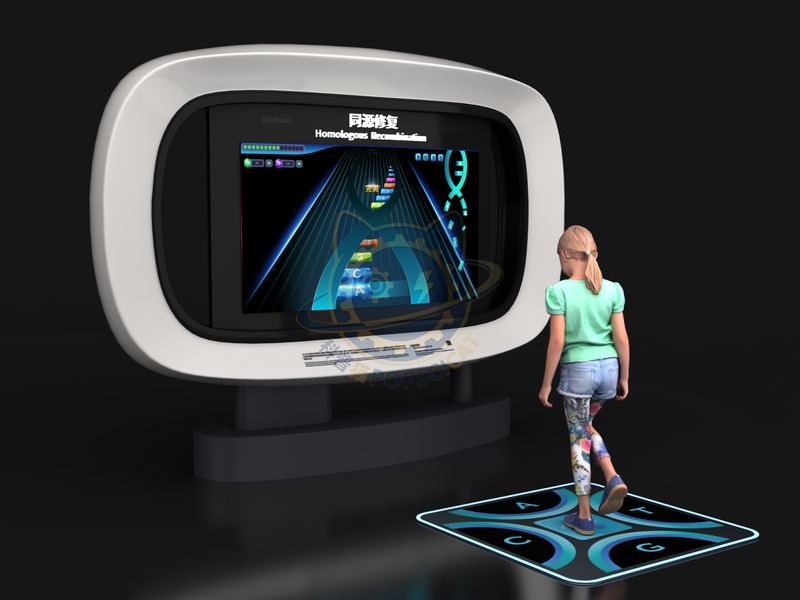
When a double strand of DNA breaks, cells will attempt to repair the break.
| Category | Life Science & Health |
|---|---|
| Standard size | Custom size |
| Supply | Single unit or batch · OEM to your drawing |
| Lead time | Standard 4–8 weeks after deposit (confirmed per contract) |
| Warranty | 1 year, structure and control |
| Documents | Specification sheet · control diagram · spare-part list |
A standard catalogue model: the dimensions, control package and finish are fixed, which is what keeps the price and the lead time predictable. Size, colour and interface language can be adapted without a new design cycle.
Standard models from this range are also listed in our online store, priced in USD — see the price yourself ↗
When a double strand of DNA breaks, cells will attempt to repair the break. By utilizing this feature, scientists can carry out homologous repair by providing a DNA template that is homologous to the DNA to be repaired, allowing the repaired DNA to complete the repair of double stranded breaks by replicating the homologous template. If there are some "modifications" in the template DNA, that is, changes in the local structure of the template DNA, specific mutations can be introduced into the damaged DNA, allowing the repaired DNA to achieve the expected function.
The unit is designed for unsupervised public use: controls are recessed or shielded, moving parts are enclosed, and the interface is operable by a child of about six with no instruction. Where a screen is used, the language can be switched without changing the hardware, and the content can be replaced on site.
Homologous recombination repair is an important DNA repair mechanism, which can accurately repair double strand breaks by using an undamaged sisters chromatid as a template. This process relies on the high similarity or homology of DNA sequences, ensuring the accurate transmission of genetic information and the stability of the cellular genome. Homologous recombination repair is an important application principle of gene editing.
Every unit leaves the factory after a running test: mechanisms cycled, electronics burned in, edges dressed, fixings torqued and marked. Wear parts — bearings, sliders, lamps, belts, touch panels — are modular and listed on the spare-part sheet, so a venue technician can replace them without returning the exhibit. Crating is plywood with foam blocking; the loading plan and packing list travel with the shipment.
Other models from the Life Science & Health line, all held to the same specification and the same control package.

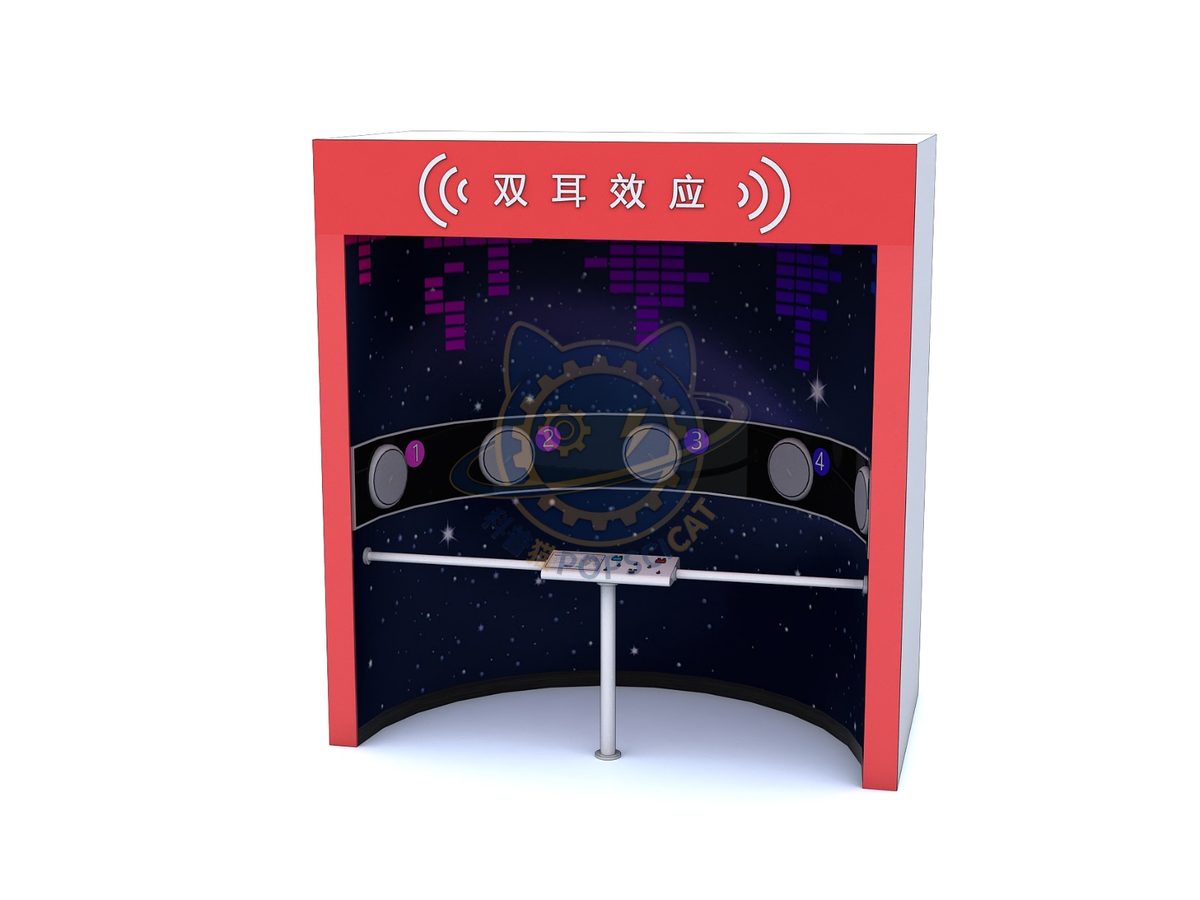
Sound reaches two ears at different times; visitors point to the source.

An adjustable lens projects a real image onto a retina screen.

Projected anatomy on a body-sized screen layer by layer.

Contract a model biceps and watch the tendon pull the forearm.
Attach a theme outline, a floor plan, or nothing at all — a photo of the space is enough to start. Quotations are issued against a real exhibit list, not per-square-metre guesses.
Scan to add us