Emergency Call

Dial the right service and answer the operator's questions.

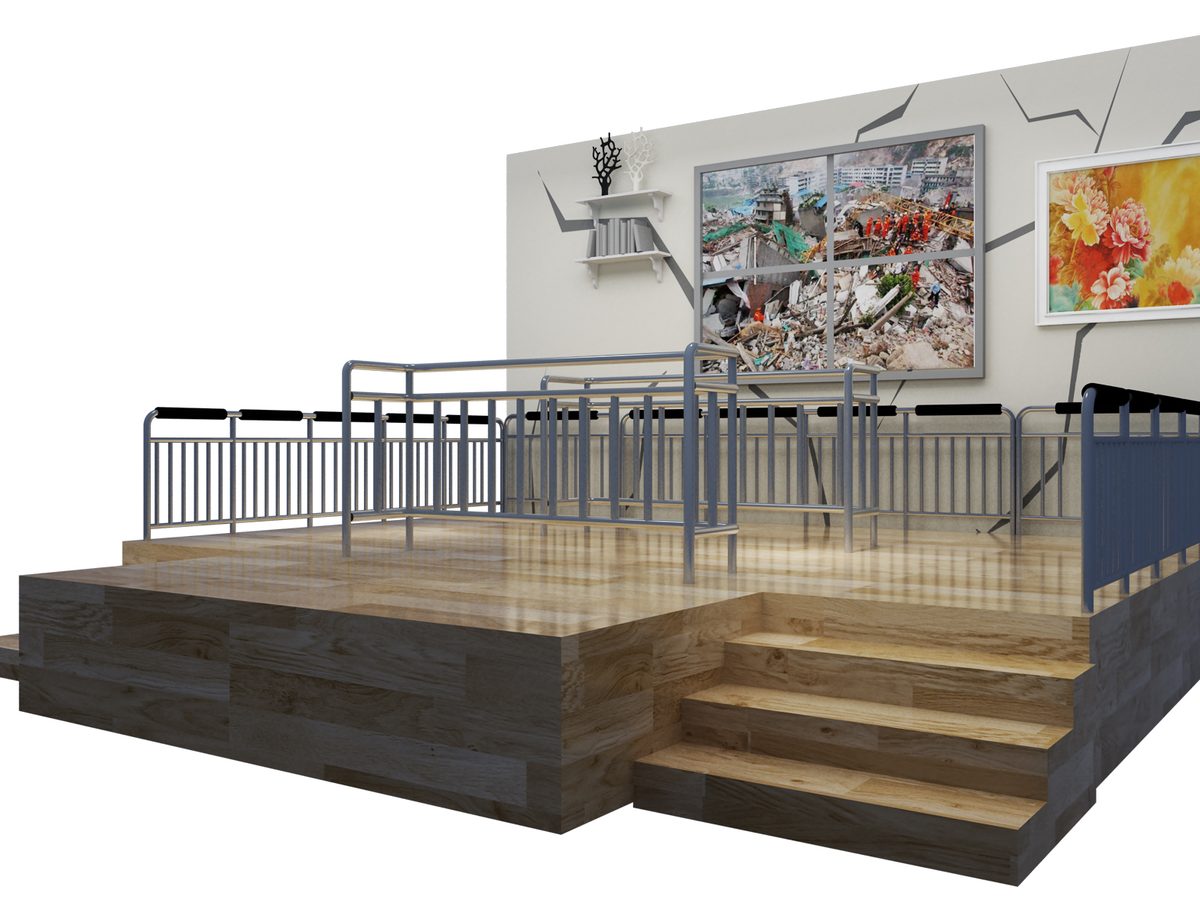
Emergency Call — Safety & Emergency exhibit for science museums
Model ZZKJG-5F-01-15Studio rendering
CategorySafety & Emergency
Model codeZZKJG-5F-01-15
Standard size4000 x 1500 x 3000 mm
SupplySingle unit or batch · OEM to your drawing
Lead timeStandard 4–8 weeks after deposit (confirmed per contract)
Warranty2 years, structure and control
DocumentsSpecification sheet · control diagram · spare-part list

A standard catalogue model: the drawing, control package and finish are fixed, which is what keeps the price and the lead time predictable. Size, colour and interface language can be adapted without a new design cycle.
Ask about this model → Email us
01 / Overview

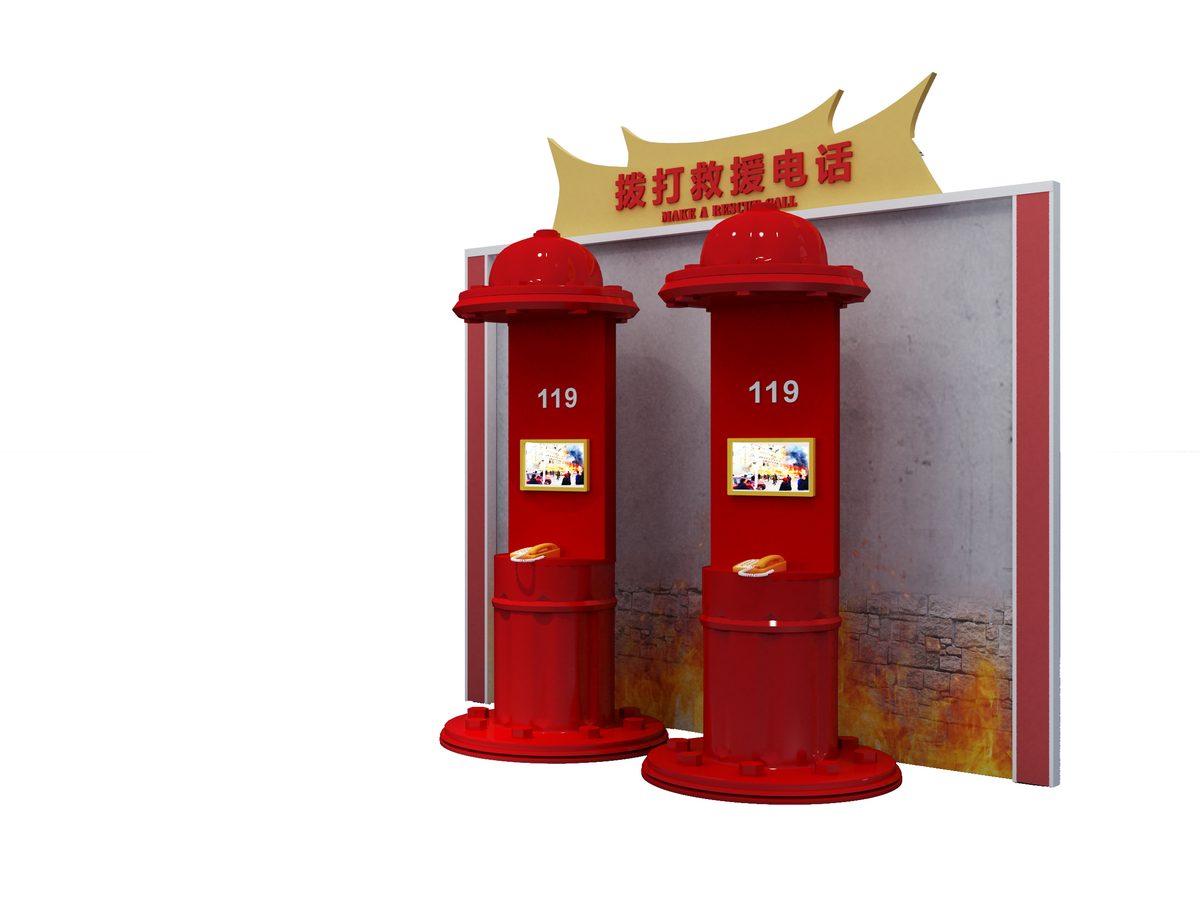
Through interactive exhibits, learn how to effectively make emergency calls.

02 / How visitors use it

The unit is designed for unsupervised public use: controls are recessed or shielded, moving parts are enclosed, and the interface is operable by a child of about six with no instruction. Where a screen is used, the language can be switched without changing the hardware, and the content can be replaced on site.

03 / The science behind it

After discovering a fire, promptly call the 119 fire alarm number. 119 is free of phone charges, and public telephones such as coin operated and magnetic cards can be dialed directly. When dialing 119, it is necessary to accurately report the location of the fire. If the name of the fire location is unknown, it is advisable to clearly state the surrounding obvious signs, such as buildings, as much as possible. It is necessary to explain as clearly as possible the location of the fire, the materials on fire, the size of the fire, and whether anyone is trapped. At the same time, personnel should be sent to wait for the fire truck at the main intersection. visitors picks up the receiver and dials the 119 rescue number with their hands. The display screen shows the corresponding multimedia playback scene, realistically demonstrating the correct way and method of emergency calling.

04 / Built for a public floor

Every unit leaves the factory after a running test: mechanisms cycled, electronics burned in, edges dressed, fixings torqued and marked. Wear parts — bearings, sliders, lamps, belts, touch panels — are modular and listed on the spare-part sheet, so a venue technician can replace them without returning the exhibit. Crating is plywood with foam blocking; the loading plan and packing list travel with the shipment.

Same category

More in Safety & Emergency

Other models from the Safety & Emergency line, all held to the same drawing and the same control package.

Start a project

Send us your exhibit list.
We will come back with drawings and a price.

Attach a theme outline, a floor plan, or nothing at all — a photo of the space is enough to start. Quotations are issued against real drawings, not per-square-metre guesses.