Home/Exhibits/Safety & Emergency/Warning Colour Codes

Warning Colour Codes

Four alert levels mapped to the response action each one requires.

Warning Colour Codes — Safety & Emergency exhibit for science museums
Model ZZKJG-5F-01-21Studio rendering
CategorySafety & Emergency
Model codeZZKJG-5F-01-21
Standard size3000 x 1500 x 3000 mm
SupplySingle unit or batch · OEM to your drawing
Lead timeStandard 4–8 weeks after deposit (confirmed per contract)
Warranty2 years, structure and control
DocumentsSpecification sheet · control diagram · spare-part list

A standard catalogue model: the drawing, control package and finish are fixed, which is what keeps the price and the lead time predictable. Size, colour and interface language can be adapted without a new design cycle.
Ask about this model → Email us
01 / Overview

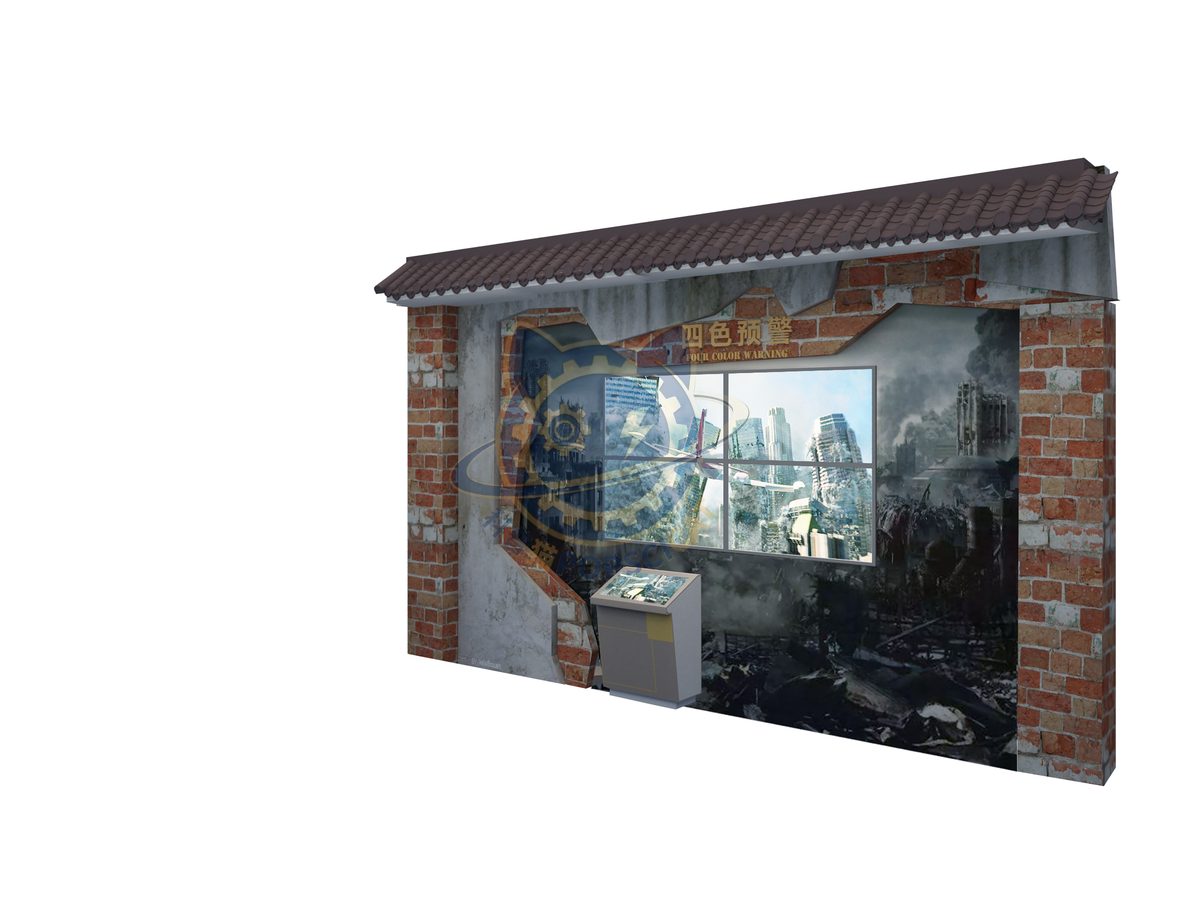
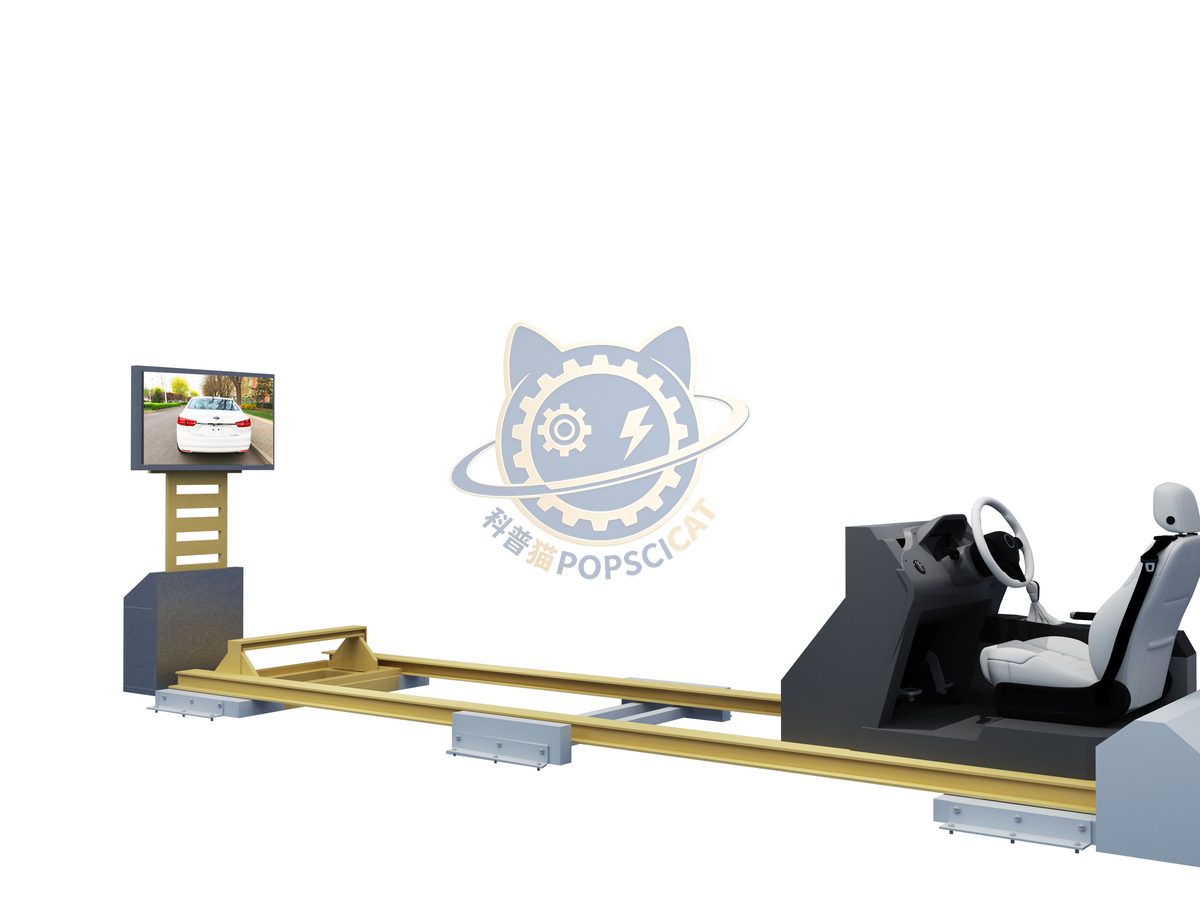
The exhibit introduces various weather disaster situations and provides visitors with four-color warnings through the linkage of touch screen display and large screen playback.

02 / How visitors use it

The unit is designed for unsupervised public use: controls are recessed or shielded, moving parts are enclosed, and the interface is operable by a child of about six with no instruction. Where a screen is used, the language can be switched without changing the hardware, and the content can be replaced on site.

03 / The science behind it

The sudden meteorological disaster warning signal consists of warning colors, graphics, and Chinese and English characters. The signal is mainly aimed at 11 kinds of disastrous weather, such as typhoon, rainstorm, high temperature, cold wave, fog, thunderstorm, strong wind, sandstorm, hail, snow disaster, road icing, etc. In addition, similar to the US Homeland Security Alert, disaster weather warning signals also use different colors to indicate the severity and urgency of disasters, namely blue, yellow, orange, and red, representing moderate, severe, severe, and particularly severe, respectively. Before the arrival of disaster weather, the meteorological department will issue warning signals to the public as soon as possible through television and other means.

04 / Built for a public floor

Every unit leaves the factory after a running test: mechanisms cycled, electronics burned in, edges dressed, fixings torqued and marked. Wear parts — bearings, sliders, lamps, belts, touch panels — are modular and listed on the spare-part sheet, so a venue technician can replace them without returning the exhibit. Crating is plywood with foam blocking; the loading plan and packing list travel with the shipment.

Same category

More in Safety & Emergency

Other models from the Safety & Emergency line, all held to the same drawing and the same control package.

Start a project

Send us your exhibit list.
We will come back with drawings and a price.

Attach a theme outline, a floor plan, or nothing at all — a photo of the space is enough to start. Quotations are issued against real drawings, not per-square-metre guesses.