Home/Exhibits/Safety & Emergency/Seismic Structure

Seismic Structure

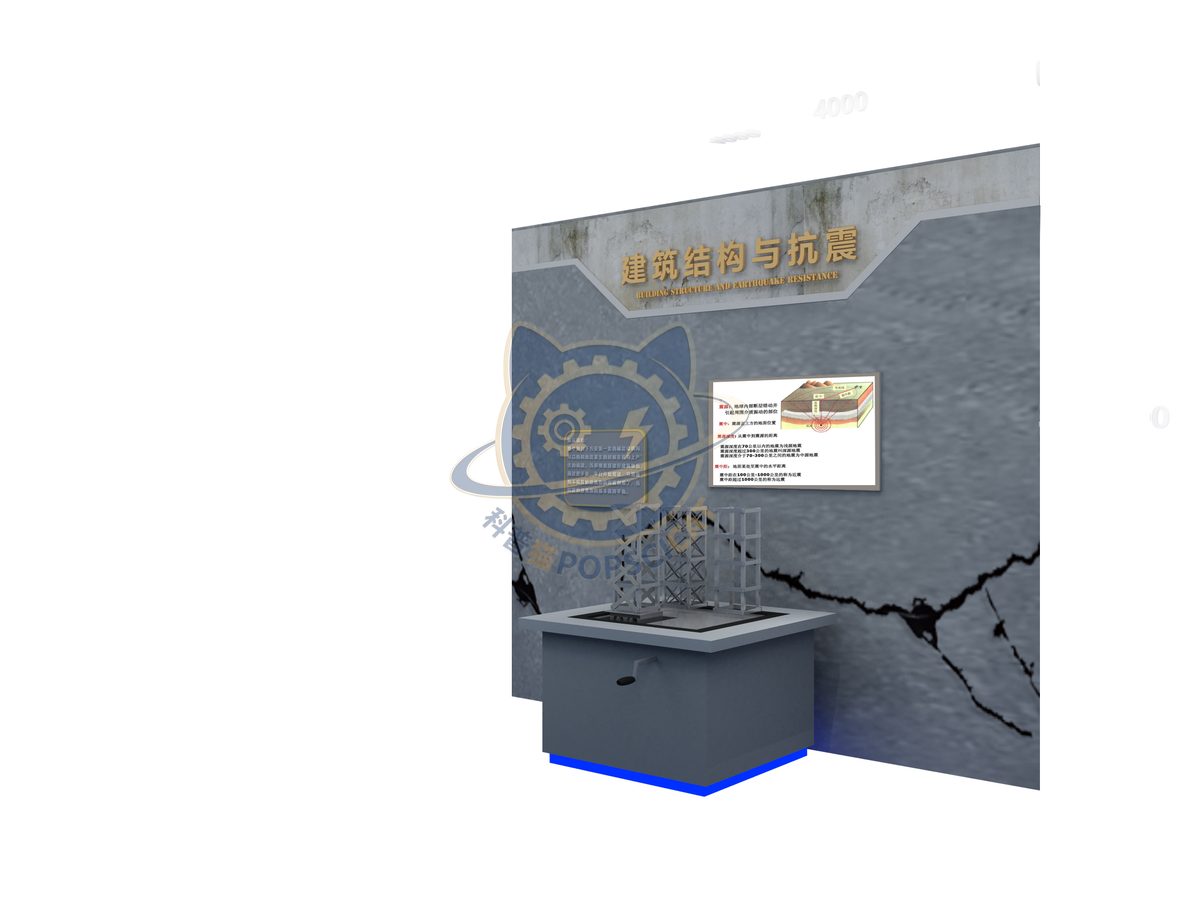
Build a frame on a shake table and test it to failure.

Seismic Structure — Safety & Emergency exhibit for science museums
Model ZZKJG-5F-01-28Studio rendering
CategorySafety & Emergency
Model codeZZKJG-5F-01-28
Standard size1500 x 1500 x 3000 mm
SupplySingle unit or batch · OEM to your drawing
Lead timeStandard 4–8 weeks after deposit (confirmed per contract)
Warranty2 years, structure and control
DocumentsSpecification sheet · control diagram · spare-part list

A standard catalogue model: the drawing, control package and finish are fixed, which is what keeps the price and the lead time predictable. Size, colour and interface language can be adapted without a new design cycle.
Ask about this model → Email us
01 / Overview

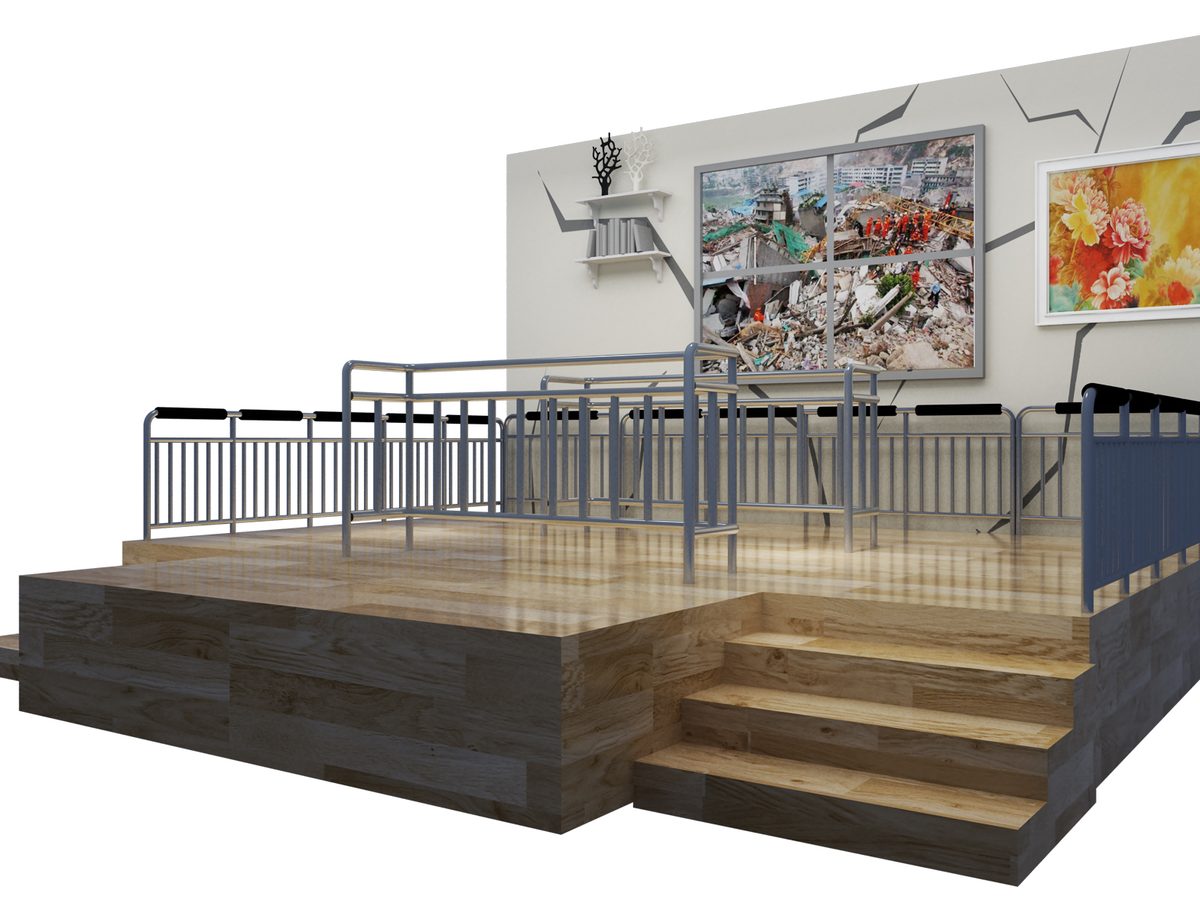
The exhibit allows visitors to see a comparison of the seismic performance between a typical high-rise building structure model and a high-rise building structure model that incorporates seismic isolation technology, tuned mass dampers, and effective seismic support systems. Understanding the importance of seismic design in building structures.

02 / How visitors use it

The unit is designed for unsupervised public use: controls are recessed or shielded, moving parts are enclosed, and the interface is operable by a child of about six with no instruction. Where a screen is used, the language can be switched without changing the hardware, and the content can be replaced on site.

03 / The science behind it

Seismic structure is the most critical issue that should be considered in seismic design, playing a decisive role in safety and economy, and is a comprehensive system decision. The selection of the system should comply with several basic principles of seismic conceptual design. A series of earthquakes of different sizes that occur successively in adjacent areas within a certain period of time is called an earthquake sequence. Generally, in an earthquake sequence, there are three types: mainshock, mainshock, and aftershock. According to the characteristics of the mainshock, the earthquake sequence can be divided into three types: mainshock type, swarm type, and isolated type.

04 / Built for a public floor

Every unit leaves the factory after a running test: mechanisms cycled, electronics burned in, edges dressed, fixings torqued and marked. Wear parts — bearings, sliders, lamps, belts, touch panels — are modular and listed on the spare-part sheet, so a venue technician can replace them without returning the exhibit. Crating is plywood with foam blocking; the loading plan and packing list travel with the shipment.

Same category

More in Safety & Emergency

Other models from the Safety & Emergency line, all held to the same drawing and the same control package.

Start a project

Send us your exhibit list.
We will come back with drawings and a price.

Attach a theme outline, a floor plan, or nothing at all — a photo of the space is enough to start. Quotations are issued against real drawings, not per-square-metre guesses.